Japan has a few customs that work differently from home: how to pray at a shrine, how to use a public bath, why there is no tipping. Nobody expects visitors to be perfect, and a few simple habits go a long way. This page is a starting point. Each section gives the key points in one or two lines and links to our full guide on that topic.
Quick answer
Carry your passport, some cash and an IC card (such as Suica) for trains.
No tipping. Keep your voice down on trains. Take your trash with you. Take off your shoes where you see a raised floor or slippers.
At a shrine, bow twice, clap twice and bow once. At a temple, put your hands together and bow, with no clapping.
In a bath, wash first, then get in. No swimsuits, and no photos.
Manners at a glance
| Situation | What to do | Full guide |
|---|---|---|
| Shrine | Purify your hands and mouth, then bow twice, clap twice, bow once | Shrine and temple etiquette |
| Temple | Hands together and bow. Do not clap | Shrine and temple etiquette |
| Onsen or sento | Wash first. No swimsuits. Keep your small towel out of the water | Onsen and sento etiquette |
| Restaurant | No tip. Pay at the table or at the register by the entrance | How to eat out in Tokyo |
| Train | Let people off first. Keep your voice down. No phone calls | How to ride trains in Tokyo |
| Trash | Carry a small bag if there is no bin nearby | Trash in Tokyo |
Start here: things to know before you go
Our checklist covers money, plugs, getting around, manners and safety. Japan uses Type A plugs and 100 volts, so bring an adapter. Try not to eat while walking in busy streets. On escalators in Tokyo, people usually stand on the left, but stations ask you not to walk on them.
Read: Things to know before visiting Japan
Shrines and temples
A shrine (jinja) is Shinto and has a torii gate at the entrance. A temple (tera) is Buddhist. You do not need to be religious to visit. Photos are fine in most grounds, but follow any no-photo signs, especially inside halls.
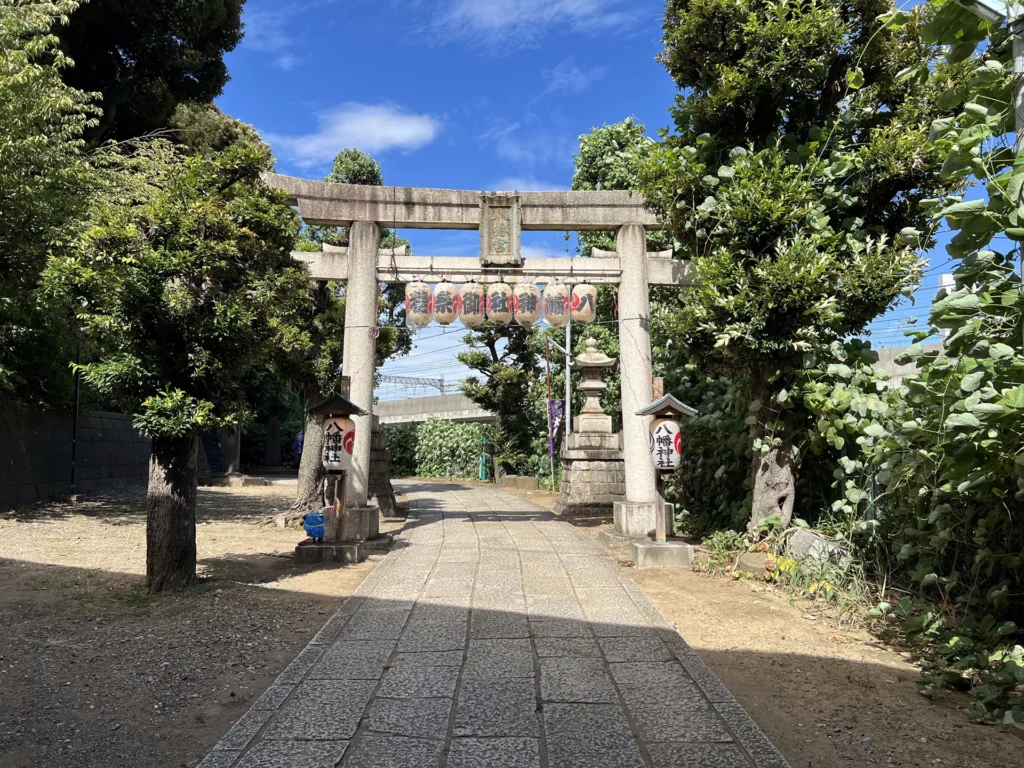
Read: Shrine and temple etiquette: how to visit and pray
Where to go: temples and shrines in Tokyo compared.
Baths: onsen and sento
An onsen uses natural hot spring water. A sento is a neighborhood public bathhouse; in Tokyo it costs ¥550 for adults. Everyone bathes naked, and baths are separated by gender. No photos in the bath or the changing room.
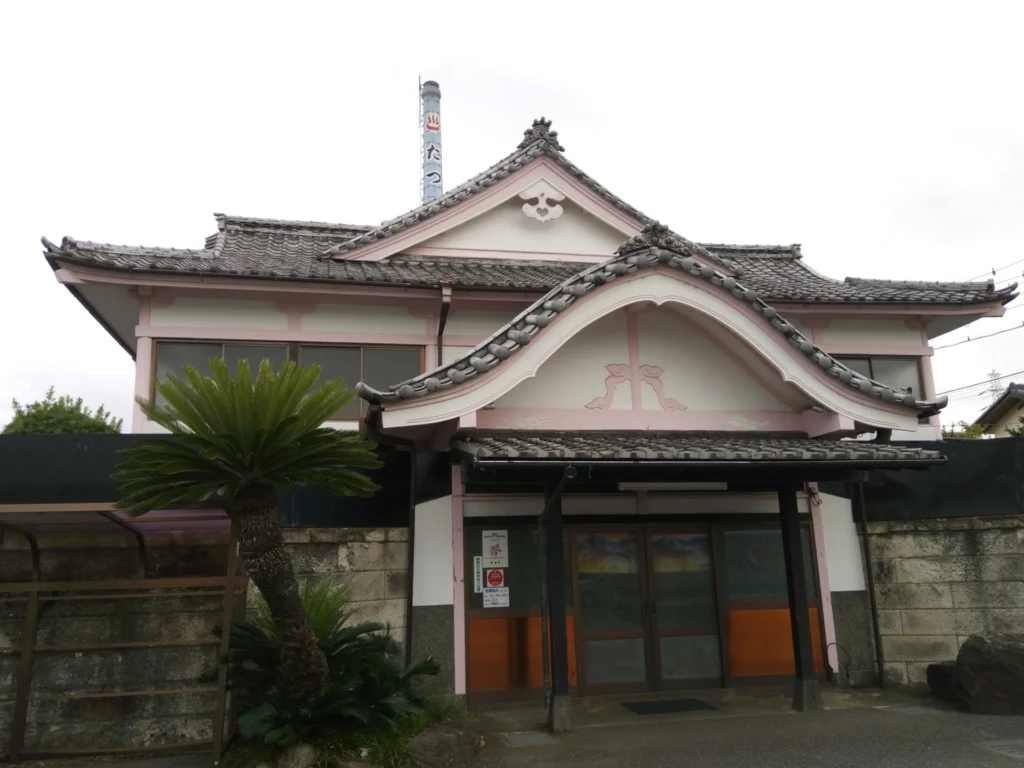
Read: Onsen and sento etiquette: how to use a Japanese bath
- Sento in Tokyo: prices, step by step, and seasonal baths such as yuzu and iris baths.
- Tattoos and onsen: each bath or ryokan sets its own tattoo policy, so check before you go. Private baths (kashikiri-buro) are one option.
Eating, drinking and tipping
At many ramen, soba and beef bowl shops, you buy a ticket from a machine before you sit down, so carry some cash. To call staff, use the call button or say sumimasen (excuse me). At an izakaya (Japanese pub), a small dish called otoshi arrives when you sit down. It is a per-person table charge, not a mistake.
Read: How to eat out in Tokyo
- How to enjoy an izakaya: ordering, drinks and manners. The drinking age in Japan is 20.
- Tipping in Japan: tipping is not expected at restaurants, bars, cafes, taxis or hotels. A simple arigato gozaimasu (thank you very much) is the way to show thanks.
- How to eat sushi and ramen manners for two dishes with their own customs.
Everyday manners: trains, trash and toilets
- Trains: line up at the marks on the platform and let people off first. Keep your voice down and do not talk on the phone. Leave priority seats for people who need them.
- Trash: there are few public bins. Carry a small bag and take your trash back to your hotel if needed. Most bins are split into burnable, non-burnable and recyclables.
- Toilets: put used toilet paper in the bowl and flush. The square orange button marked 止 means Stop. A red or orange call button is for emergencies only.
A few words of Japanese
You can travel in Tokyo without Japanese, but people appreciate the effort. If you learn one word, make it sumimasen (excuse me / sorry). Kore o kudasai (this one, please) works in almost any shop or restaurant.
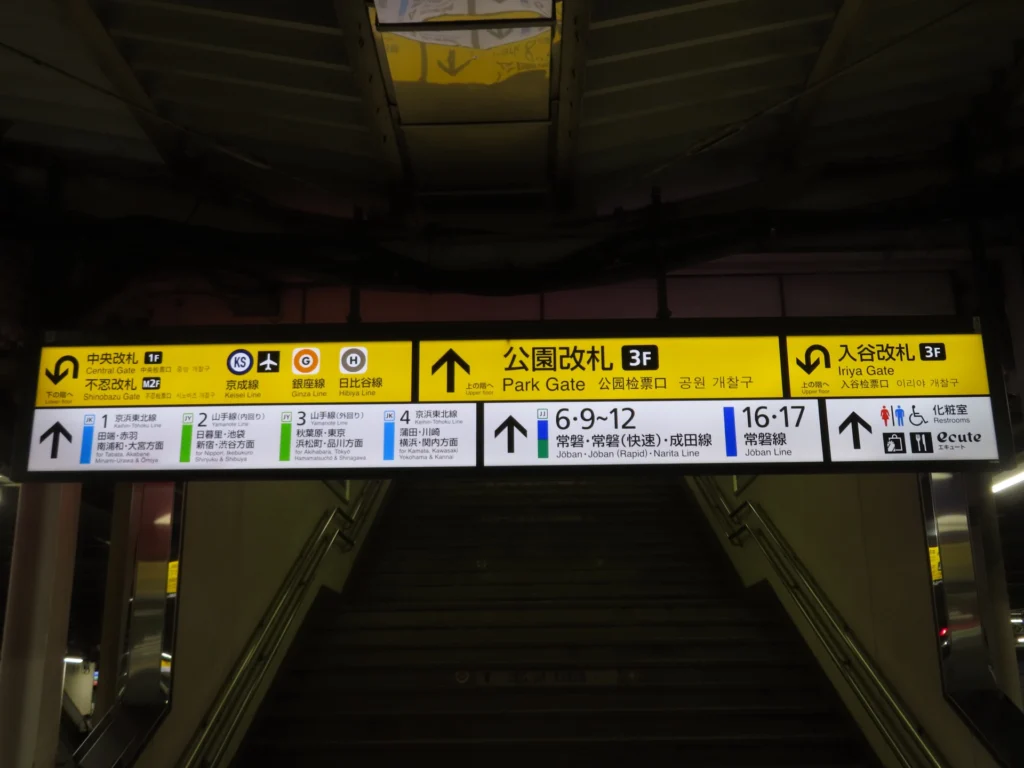
Read: Japanese phrases for travelers
In an emergency, call 110 for the police and 119 for an ambulance or fire. The Japan Visitor Hotline (050-3816-2787) helps in English 24 hours a day.
Holidays and the calendar
Japan has 16 national holidays a year. The busiest times to travel are New Year (around December 29 to January 3), Golden Week (late April to early May) and Obon (mid-August). Most shops and sights stay open on national holidays.
Read: Japan public holidays 2026 and 2027
Visiting at the turn of the year? New Year in Tokyo covers countdowns, hatsumode (the first shrine visit of the year), fukubukuro (lucky bags) and what is open.
Try traditional culture
- Tea ceremony: from matcha and a sweet at a garden teahouse in Hama-rikyu Gardens (no booking) to a full ceremony at the Imperial Hotel’s TOKO-AN (from ¥5,000, by reservation).
- Kimono rental: Asakusa has many rental shops near Senso-ji. Staff dress you and do your hair.
- Experiences in Tokyo: crafts, samurai and ninja classes, food classes and more, grouped by type.
- Ryokan etiquette: shoes and slippers, how to wear a yukata, meals in your room, baths and check-out times at a Japanese inn.
- Craft workshops in Tokyo: make washi paper, a wind chime, cut glass or a small doll in a short class.
Also nearby: Children’s Day: koinobori and kashiwa mochi explained
Also nearby: Coming of Age Day (Seijin no Hi) explained
Also nearby: Culture Day (Bunka no Hi) explained
Also nearby: Japanese era names (Reiwa) explained
FAQ
Do you tip in Japan?
No. Tipping is not expected at restaurants, bars, cafes, taxis or hotels. A private guide used to overseas customs may accept a tip as thanks, given discreetly in an envelope.
Do I clap at a temple?
No. Clap at a shrine (bow twice, clap twice, bow once). At a temple, put your hands together and bow.
Can I wear a swimsuit in an onsen or sento?
No. Everyone bathes naked, and baths are separated by gender. Wash your whole body before you get in.
Can I go to an onsen with a tattoo?
It depends on the place. Each bath or ryokan sets its own policy. Check the official website or ask before you go, or use a private bath.
What is one Japanese word I should learn?
Sumimasen. It means excuse me or sorry, and it is also how you call staff in a restaurant.
When is Japan busiest?
New Year (around December 29 to January 3), Golden Week (late April to early May) and Obon (mid-August).
Keep reading

New in Japanese culture: Omamori, omikuji, ema and goshuin, Shichi-Go-San, What is Shinto?, Japanese festivals (matsuri) explained.
Also nearby: Respect for the Aged Day (Keiro no Hi) explained.
Also nearby: Labor Thanksgiving Day (Kinro Kansha no Hi) Explained
Also see: Train and subway manners in Tokyo
Also see: Taking off your shoes in Japan
Also nearby: Escalator Etiquette in Japan: Stand Still, Hold the Handrail
Also nearby: Eating While Walking in Japan: Where to Eat Instead
Also nearby: Itadakimasu and Gochisosama: Japanese Meal Phrases
Also nearby: Omiyage Explained: Japan’s Custom of Bringing Souvenirs Back for Others
Also nearby: Bowing in Japan: Do Tourists Need to Bow? A Simple Guide to Greetings
Also nearby: Hinamatsuri Explained: Japan’s Girls’ Day on March 3, Hina Dolls and Festive Foods
Also nearby: Tsukimi Explained: Japan’s Autumn Moon-Viewing, Rice Dumplings and Pampas Grass
Sources
The points on this page come from the official sources below, as cited on our full guides. Last checked: November 2026 (on November 15, 2026). Rules and prices can change, so please check each full guide and the official pages before you go.
- JNTO: Know before you go
- JNTO: Plugs and electricity
- JNTO: Shrine and temple traditions
- Jinja Honcho: Entering a jinja (official)
- Meiji Jingu: Temizu and sampai (official)
- Tokyo Sento Association: How to enjoy sento (official)
- JNTO: How to best enjoy Japan’s onsen
- Japan Tourism Agency: Ryokan Q&A, tattoos and large baths (Japanese)
- GO TOKYO Gourmet: How dining out in Tokyo flows (official)
- JNTO: Tipping in Japan
- JNTO: Local laws
- GO TOKYO: How to be a responsible traveler in Tokyo
- Tokyo Metropolitan Government: KEEP TOKYO CLEAN
- Japan Sanitary Equipment Industry Association: Using the toilet
- JNTO: Japan Visitor Hotline and emergency numbers
- Cabinet Office: National holidays (official, Japanese)
- Imperial Hotel, Tokyo: Tea Ceremony Room TOKO-AN (official)
- GO TOKYO: Kimono-Wearing Experience
Also nearby: Japanese table manners and chopstick rules
Also nearby: The Amaterasu cave myth
Also nearby: Shinto and nature: sacred forests and trees
Also nearby: Ikebana: Japanese flower arranging
Also nearby: Washoku: Japanese food culture explained
Also nearby: Japanese gardens explained
Also nearby: Tanabata: the star festival explained