In Japan, people say itadakimasu (いただきます) before they eat and gochisosama (ごちそうさま) when they finish. Both phrases are a way of saying thanks for the food and for the people behind it. This guide explains what they mean, how official sources describe them, and where we could not confirm the details.
Quick answer
Say itadakimasu just before your first bite, and gochisosama when the meal is over. Both are short thank-yous for the meal.
The Japan National Tourism Organization (JNTO) lists both phrases in its manners guide. We did not find an official rule that visitors must say them, so treat them as a kind gesture, not a test.
Overview
| Before eating | itadakimasu (いただきます) |
| After eating | gochisosama (ごちそうさま). JNTO writes it as gochisosama desu |
| Meaning | Thanks for the food, the nature it comes from, and the people who made it |
| Hand gesture | An official text describes pressing the hands together as in prayer |
| Required for visitors? | No official rule found |
| Cost | Free |
| Last checked | November 2026 (on November 16, 2026) |
What Each Phrase Means
Itadakimasu: before the meal
The Ministry of Agriculture, Forestry and Fisheries (MAFF) explains it in its English guide to shokuiku (food and nutrition education). The verb itadaku once meant “to put on your head”. Its meaning has changed to “to receive” or “to partake”. MAFF says the phrase expresses thanks to nature, to the farmers who grow rice and vegetables, and to the people who prepared the food.
The Ministry of Land, Infrastructure, Transport and Tourism (MLIT) translates it as “I gratefully partake”. Its text says the thanks reach the natural environment, the people who protected it, and everyone involved in producing the food.
Gochisosama: after the meal
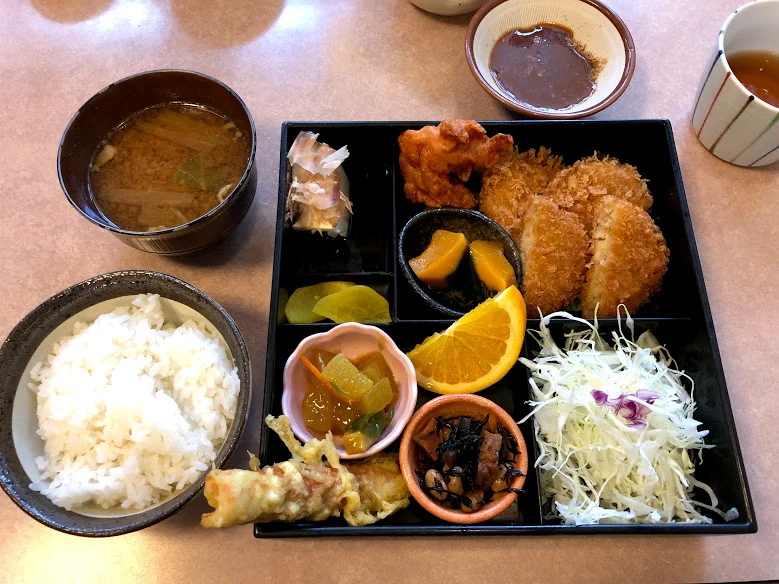
MAFF says chiso refers to someone busily preparing a meal, so gochisosama expresses thanks for a meal. MLIT translates it as “It was a great feast” and says it repeats the appreciation for the hard work and resources that go into each dish. JNTO says to use gochisosama desu after eating to thank the people who provided the food.
Hands Together, and Other Details
MLIT’s text on Japanese food says people begin every meal with itadakimasu and end it with gochisosama, while clasping their hands together in a prayer gesture. It describes this as a general practice. We did not find an official page that tells visitors to do the gesture, so a quiet phrase on its own is a reasonable choice.
When to Use Them
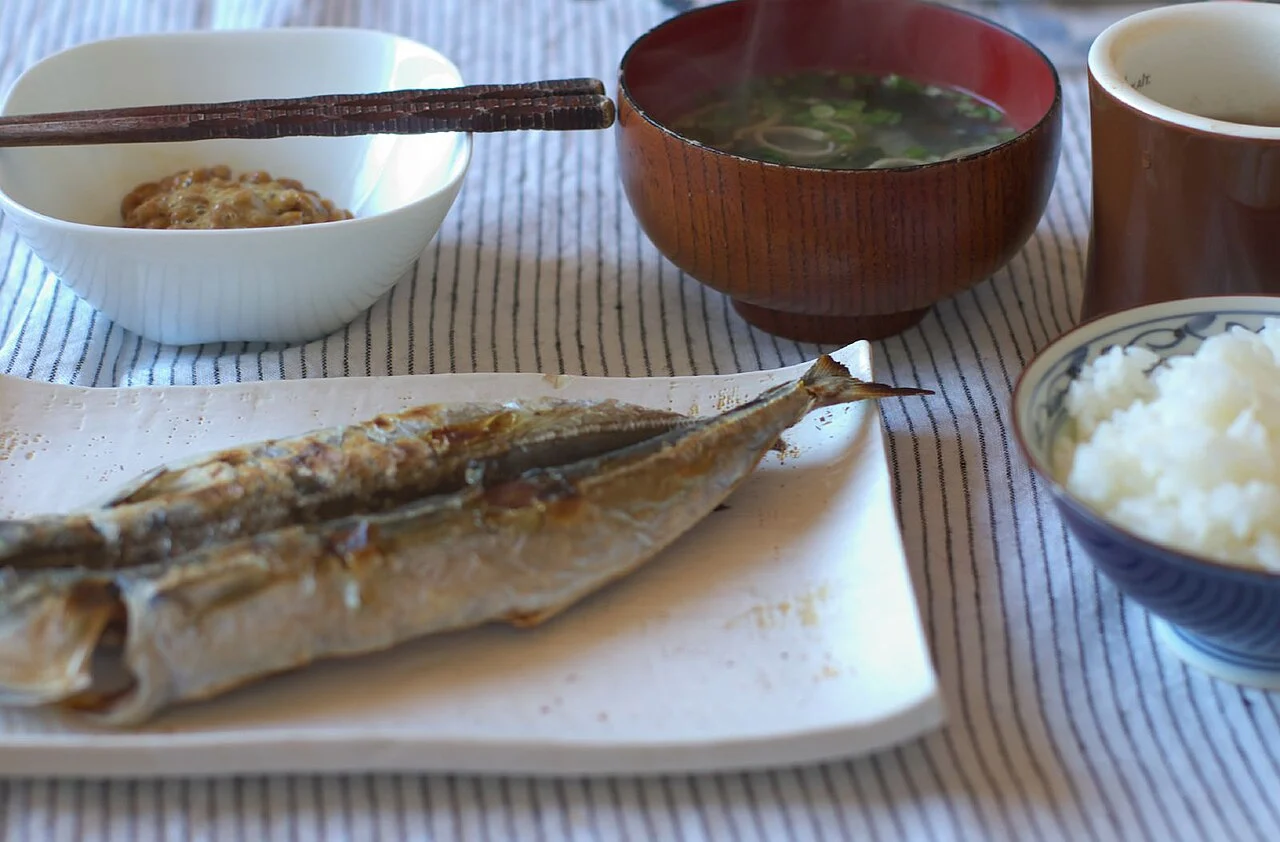
- Wait until the food is in front of you. Say itadakimasu just before you pick up your chopsticks. This is our reading of “before eating” in the sources above.
- Say gochisosama when you are done. JNTO places it after the meal.
- Keep it short. Both are one-breath phrases. Our tip: a soft voice is enough at the table.
- Use them for meals in general. MLIT says people begin every meal this way. For restaurants, home-style meals and inn dinners, see the guides below.
- Say thanks in other ways too. JNTO also suggests arigato gozaimasu (thank you) for a direct thank-you.
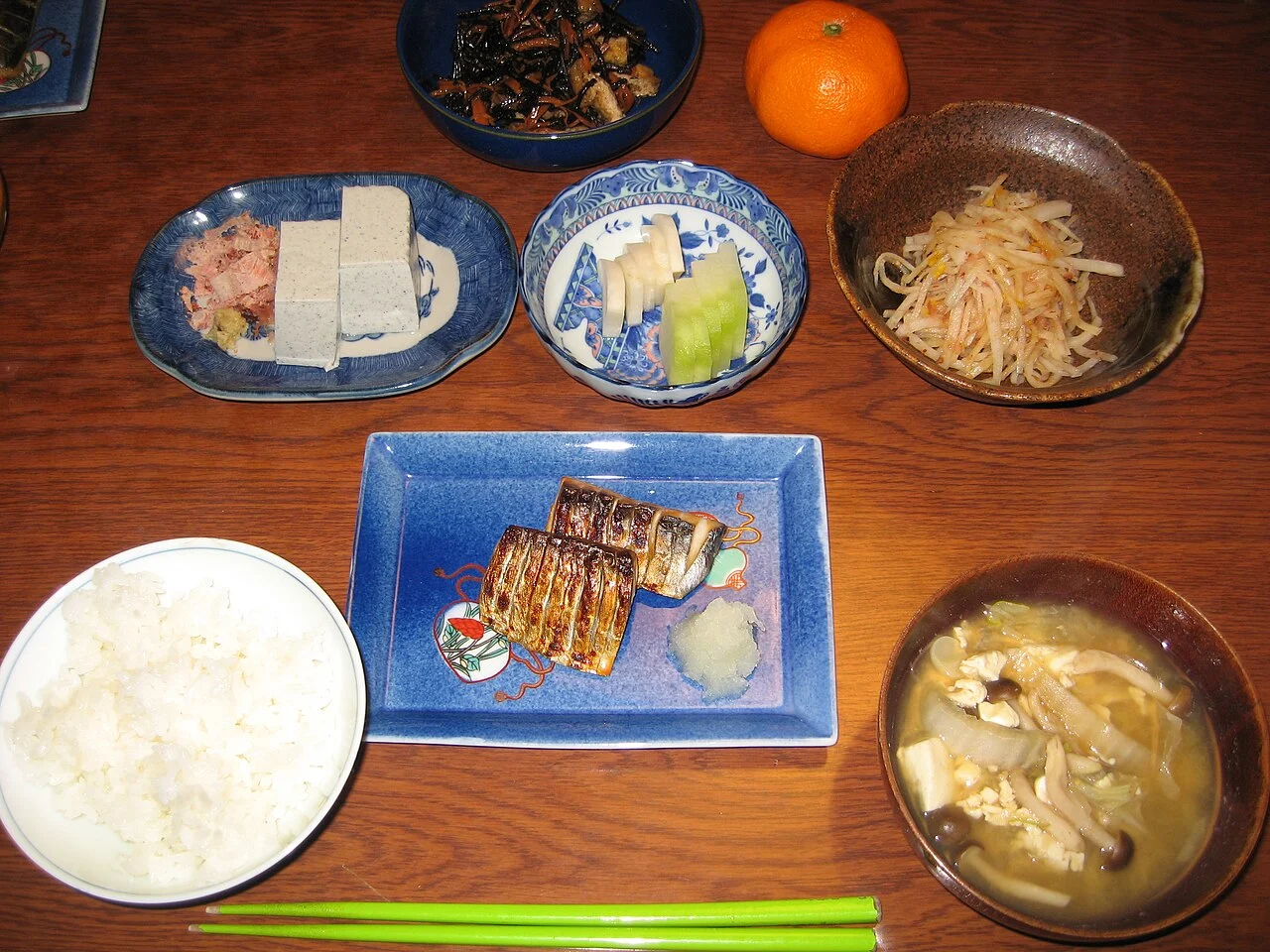
MLIT also says a typical washoku meal follows the formula of one soup and three dishes, with rice and pickles. Read more in our washoku guide. For how to use chopsticks and what to avoid, see Japanese table manners and chopsticks. For ordering and paying, see how to eat out in Tokyo.
Related Etiquette
- Staying at a Japanese inn? Dinner is often a set meal. See ryokan etiquette.
- Wondering about tips after a meal? See tipping in Japan.
- Eating street food? See eating while walking in Japan.
- Want to try the dishes themselves? See Japanese food to try in Tokyo.
- More customs are collected in our Japanese culture guide.
What We Could Not Confirm
- Whether staff expect to hear them. We did not find official guidance for restaurants, food stalls or convenience stores. Check before you go if you are unsure.
- Whether visitors should do the hands-together gesture. The official text describes it as a custom, not as a rule for visitors.
- Regional differences and wording. JNTO writes gochisosama desu while MAFF and MLIT write gochisosama. We did not find a page that compares forms.
- The dates of the MAFF and JNTO pages. They show no update date. The MLIT file’s metadata shows October 2022.
Also nearby: Bowing in Japan: Do Tourists Need to Bow? A Simple Guide to Greetings
FAQ
What does itadakimasu mean?
MAFF says it expresses thanks to nature, farmers and the people who prepared the food. MLIT translates it as “I gratefully partake”.
What does gochisosama mean?
MAFF says it expresses thanks for a meal. MLIT translates it as “It was a great feast”.
When do you say itadakimasu?
Before eating. JNTO says to say it before the meal.
When do you say gochisosama?
After eating. JNTO says to say gochisosama desu to thank the people who provided the food.
Do tourists have to say itadakimasu?
We did not find an official rule for visitors. The phrases are described as a custom of thanks.
Do people press their hands together?
MLIT describes people clasping their hands together in a prayer gesture while saying the phrases. We did not find official advice for visitors on this.
Keep reading
Sources
The facts about the two phrases come from the official pages below. Last checked: November 2026 (on November 16, 2026). Customs can vary by place, so please follow the people around you.