Researched guide · Last checked: Nov 15, 2026
Washoku means traditional Japanese food and the culture around it. It is more than a list of dishes: it is a way of making, serving and sharing meals through the seasons. This guide explains the main ideas in plain English, so you can notice them when you eat in Tokyo.
Quick answer
Washoku (wa-shoku, “Japanese food”) was added to UNESCO’s Intangible Cultural Heritage list in 2013. Japan’s Ministry of Agriculture, Forestry and Fisheries (MAFF) names four features: fresh and varied ingredients, nutritional balance, beauty that follows the seasons, and ties to yearly events.
A classic washoku meal is called ichiju-sansai: rice with one soup and three side dishes. Many dishes use dashi, a stock often made from kelp and dried bonito (fish), so check with staff if you avoid fish.
Key Facts
| What it is | Traditional Japanese dietary culture: skills, knowledge and customs for producing, preparing and eating food |
| UNESCO listing | 2013, as “Washoku, traditional dietary cultures of the Japanese, notably for the celebration of New Year” |
| Classic meal | Ichiju-sansai: rice, one soup and three side dishes |
| Basic flavors | Dashi stock and umami, with seasonings such as miso, salt and soy sauce |
| Big occasion | New Year, with osechi dishes |
| Last checked | November 2026 (on November 15, 2026) |
What UNESCO Says
UNESCO describes washoku as a social practice based on skills, knowledge and traditions for producing, processing, preparing and eating food. It is linked to a spirit of respect for nature. It favors natural, locally sourced food such as rice, fish, vegetables and edible wild plants, and it values fresh ingredients. Dishes are decorated with care and served on special tableware. Families and communities share meals, and cooking knowledge is passed down at these shared meals.
UNESCO says the basic knowledge and customs of washoku are most visible at New Year. People pound rice cakes and prepare special dishes with symbolic meanings, to welcome the deities of the incoming year. See New Year in Tokyo.
The Four Features (MAFF)
- Variety, fresh ingredients and taste. Japan is long from north to south, so regions have different foods. MAFF says cooking methods bring out each ingredient’s own flavor, using simple seasonings such as miso, salt and soy sauce.
- Nutritional balance. MAFF says ichiju-sansai makes a balanced meal easier to reach. It says dashi and fermented seasonings add flavor without much animal fat.
- Beauty of nature and the seasons. Dishes, tableware and decorations show the season. MAFF gives edible leaves such as nanten as an example.
- Ties to annual events. Food is linked to yearly observances. MAFF says osechi, the traditional New Year dishes, were first offerings to the gods and are eaten to bring good fortune.
One Soup, Three Sides (Ichiju-Sansai)
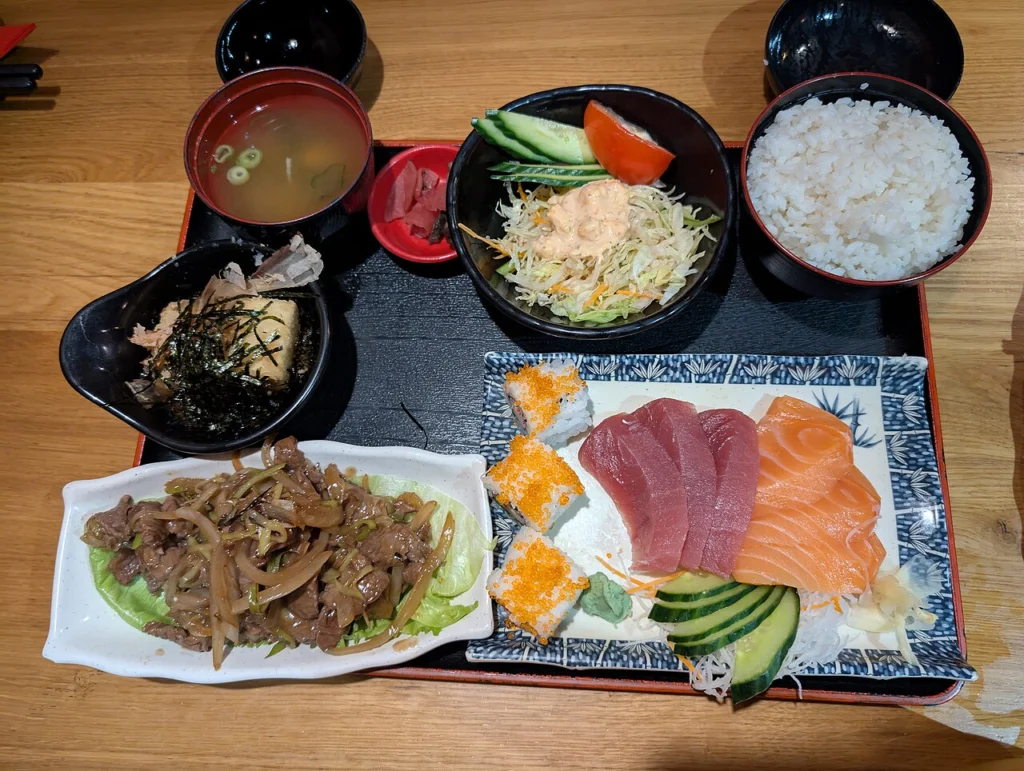
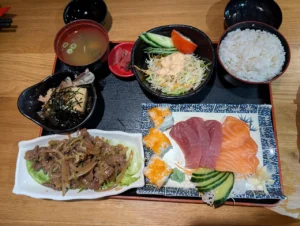
MAFF describes ichiju-sansai as a basic meal of rice, soup, pickles and side dishes, and says it dates from the late Heian period. Rice is the staple and is eaten with fish, meat and vegetables. A set meal (teishoku) in Japan often follows this pattern on one tray.
Dashi and Umami
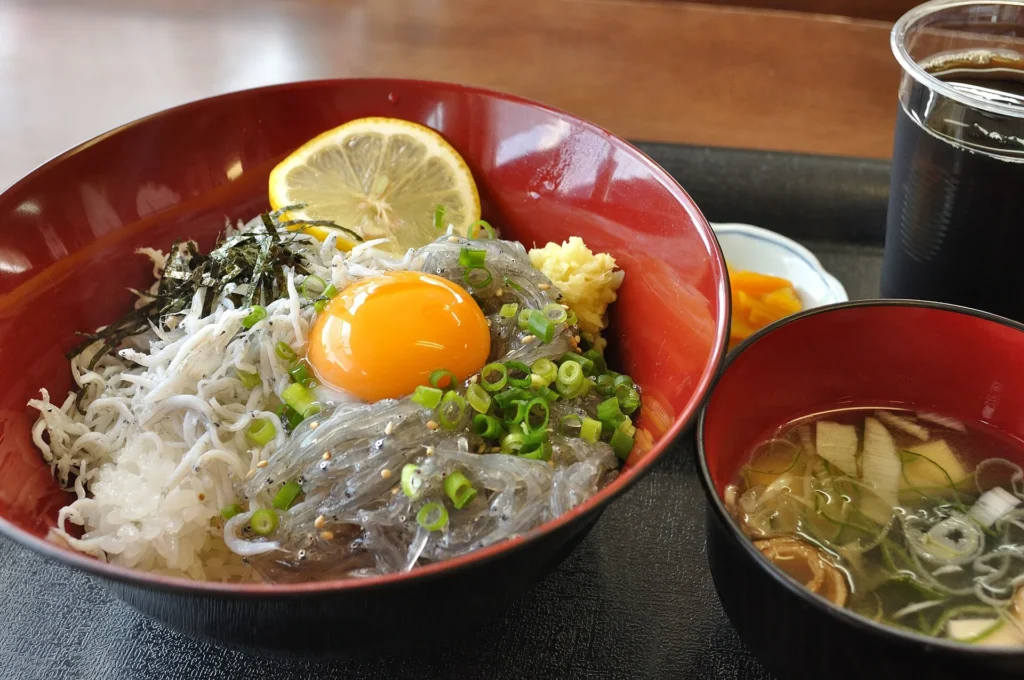
MAFF says dashi is a soup stock made from ingredients such as kelp and katsuobushi (dried bonito). It says Japan’s soft water helps draw out umami. Umami is one of the five basic tastes and is central to washoku. If you do not eat fish, ask whether the stock is made with fish. Our vegetarian and halal guide has more help.
How to See Washoku in Tokyo
- Order a set meal at a casual restaurant and look for rice, soup and small side dishes. See Japanese food to try in Tokyo.
- Learn how to eat politely in Japanese table manners and chopsticks and how to eat out in Tokyo.
- Try a hands-on class such as soba making or browse food tours and cooking classes.
- For more everyday Japanese eating, see soba and udon and the depachika guide.
Also nearby: Itadakimasu and Gochisosama: Japanese Meal Phrases
Also nearby: Hinamatsuri Explained: Japan’s Girls’ Day on March 3, Hina Dolls and Festive Foods
Also nearby: Tsukimi Explained: Japan’s Autumn Moon-Viewing, Rice Dumplings and Pampas Grass
FAQ
What does washoku mean?
Washoku means traditional Japanese food and food culture. UNESCO lists it as a social practice for producing, preparing and eating food, with respect for nature.
When did UNESCO list washoku?
In 2013, on the Representative List of the Intangible Cultural Heritage of Humanity.
What is ichiju-sansai?
It means one soup and three side dishes, served with rice. MAFF says this pattern makes a balanced meal easier to reach.
What is dashi?
A soup stock. MAFF says it is made from ingredients such as kelp and katsuobushi (dried bonito). It gives washoku its umami.
Is washoku vegetarian?
Not always. Dashi is often made with dried bonito (fish), so ask the restaurant if you avoid fish.
Keep reading

Sources
Facts come from UNESCO and from Japan’s Ministry of Agriculture, Forestry and Fisheries. We did not take these facts from a restaurant visit. Last checked: November 2026 (on November 15, 2026).