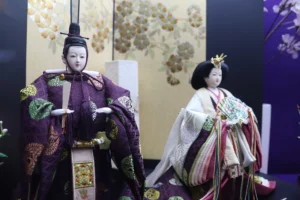
Tsukimi (月見, “moon viewing”) is Japan’s custom of admiring the moon in autumn. If you visit Tokyo in September or October, you may see white rice dumplings, pampas grass in shop windows, and “tsukimi” dishes with an egg on top. This guide explains what they mean, using the Japan National Tourism Organization (JNTO), Nippon.com and the National Astronomical Observatory of Japan (NAOJ), and marks what we could not confirm.
Quick answer
Tsukimi is held on the 15th night of the 8th month of the old lunar calendar. On our calendar it falls between September and October. NAOJ lists September 25 for 2026, September 15 for 2027 and October 3 for 2028.
People look at the moon, display dumplings and pampas grass, and give thanks for the autumn harvest. It is a quiet home and seasonal custom, so we do not name specific Tokyo events. Check each venue before you go.
Overview
| What it is | An autumn custom of admiring the moon and giving thanks for the harvest |
| Also called | Otsukimi, Jugoya (15th night), Chushu no meigetsu (mid-autumn moon) |
| When | Between September and October. 2027: September 15; 2028: October 3 (NAOJ) |
| What you will see | Tsukimi dango (rice dumplings), susuki (pampas grass), autumn foods, egg dishes called tsukimi |
| Cost | Free to look at the moon. Event and food prices vary |
| Last checked | November 2026 (on November 16, 2026) |
What Is Tsukimi?
Nippon.com says the 15th night of the 8th month of the lunar calendar is called jugoya, meaning “fifteenth night”. It is the occasion for viewing the chushu no meigetsu, traditionally considered the most beautiful moon of the year. On the modern calendar it falls sometime between September and October.
Tsukimi is about more than looking at the sky. Nippon.com says it is also a time to appreciate the scenery and to give thanks for the rich autumn harvest. JNTO says the moon on this night is said to magnify the beauty of the moon, although it is not necessarily always a full moon.
Dumplings, Pampas Grass and Autumn Foods
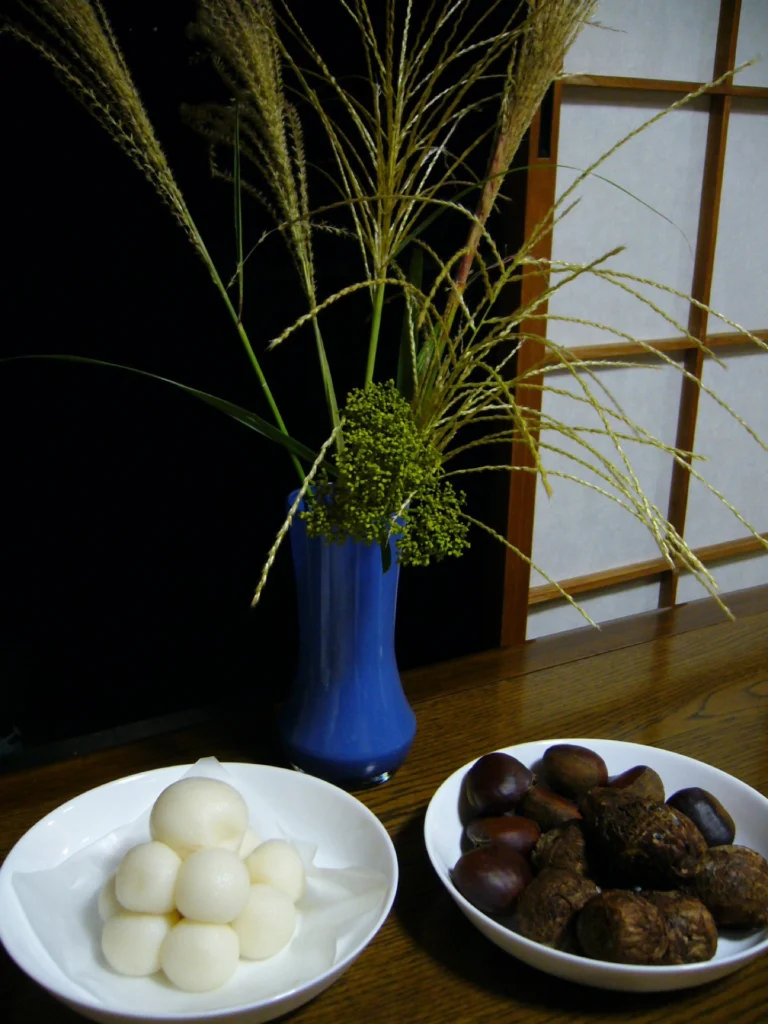
JNTO lists the usual offerings to the moon. Nippon.com says people still display them by a window or in a traditional alcove (tokonoma).
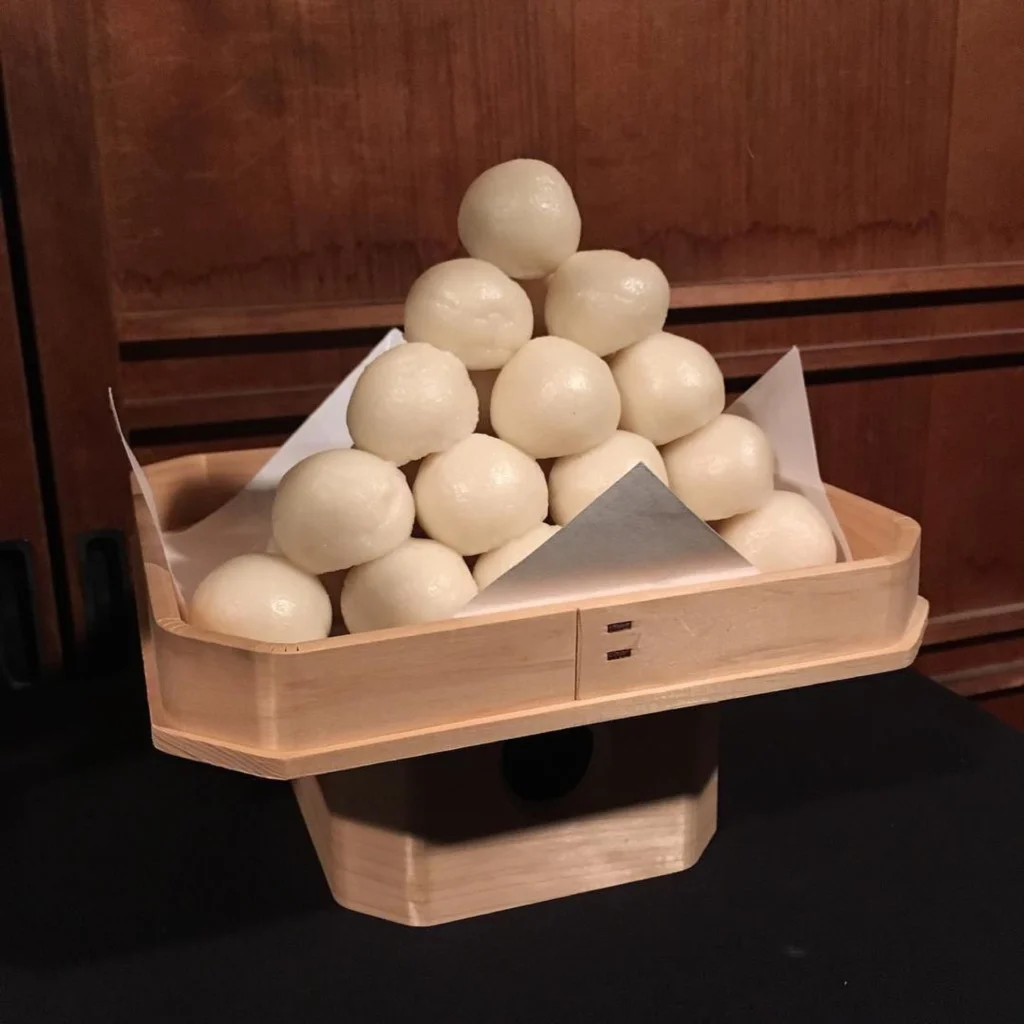
- Tsukimi dango: round rice dumplings that represent the full moon. JNTO says 15 pieces are typically offered, for the 15th night.
- Susuki (pampas grass): JNTO says it is displayed as a symbol of a bountiful harvest. Nippon.com says it is said to symbolize ears of rice and is also a decoration believed to ward off evil.
- Autumn produce: JNTO names pumpkin, edamame and chestnuts. Nippon.com names sweet potatoes and taro.
For the wider food culture, see Washoku explained.
Why Some Dishes Are Called “Tsukimi”
Nippon.com says the idea has become a common motif in everyday food. Many restaurants offer dishes with names beginning with tsukimi, typically with an egg yolk that looks like the full moon.
- Tsukimi udon: hot udon noodles topped with a raw egg, per Nippon.com.
- Tsukimi burger: a patty topped with a fried egg. Nippon.com says it has become a standard seasonal offering at fast-food chains in autumn.
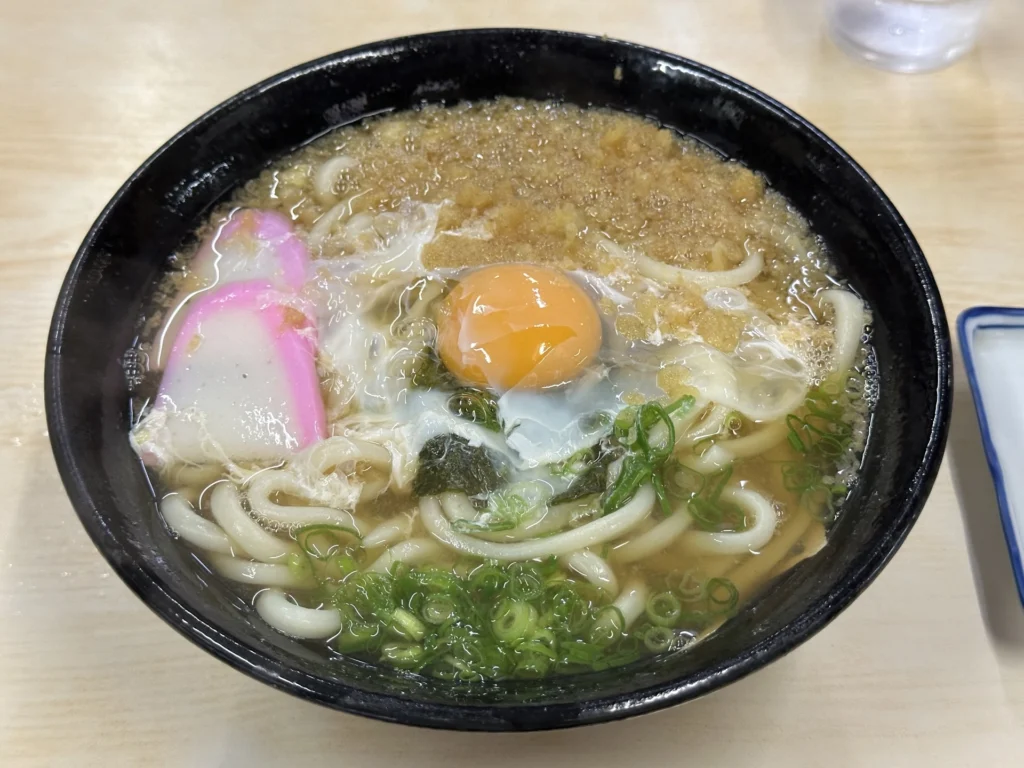
We did not confirm which Tokyo restaurants serve tsukimi dishes this season, so please check a menu before you go.
Where the Custom Comes From
Nippon.com says moon viewing is said to have been introduced from China during the Heian period (794-1185). At court gatherings, aristocrats composed waka poems while admiring the moon, in the sky, in ponds and even in cups of sake. In the Edo period (1603-1868) it spread to ordinary townspeople and became linked with thanks for the harvest.
The sources give different timing for the arrival from China. NAOJ says around the 9th century, and JNTO says more than 1,000 years ago. Both fit with the Heian period, but we cannot give one exact date.
NAOJ adds that people enjoyed the moon with poems, gatherings and gardens, including its reflection in ponds. It also says Katsura Imperial Villa was designed with moon viewing in mind.
The Rabbit on the Moon
Nippon.com says people in Japan traditionally say a rabbit lives on the moon, pounding rice cakes (mochi) with a mallet. The link between the moon and rabbits appears in Buddhist Jataka tales from India. Nippon.com says that during moon-viewing season you often see sweets decorated with or shaped like rabbits.
The Date Changes Every Year
NAOJ says the moon-viewing night is the 15th day of the lunar month that includes the autumn equinox. Because of this, the date on our calendar changes each year. It also says the night is not always the same as the full moon.
- 2026: September 25 (already passed).
- 2027: September 15.
- 2028: October 3.
Clear skies matter too, so weather can change your plans. See Tokyo in September and Tokyo in October for the season.
For Visitors in Tokyo
We did not find an official list of tsukimi events in Tokyo, so we do not name specific places. Nippon.com says some shrines, temples, historic buildings and Japanese gardens hold special moon-viewing events (kangetsukai). The sites it names as the most celebrated are in Kyoto, Nara and Shiga, not Tokyo. Check each venue’s official page before you go.
- Look up on the date. The moon is free to see from any clear spot.
- Look for seasonal sweets and egg dishes. White round dumplings and “tsukimi” on a menu are the signs.
- Combine it with a garden. See Japanese gardens explained. Opening hours at night vary, so check before you go.
- Plan the autumn. See autumn leaves in Tokyo.
For other seasonal customs, see Tanabata, Shichi-go-san and Japanese festivals explained. For the bigger picture, see our Japanese culture guide.
What We Could Not Confirm
- Where to join a moon-viewing event in Tokyo, and when. We found no official list.
- The exact date of arrival from China. The sources differ, as noted above.
- How families arrange the offerings in Tokyo today. The sources describe the items, not a fixed rule.
- Moonrise times for 2027. We did not check them.
- The age of the JNTO page. It carries no date that we could see, so details may have changed.
FAQ
What is tsukimi?
It is Japan’s autumn custom of viewing the moon and giving thanks for the harvest, held on the 15th night of the 8th lunar month.
When is tsukimi in 2027?
NAOJ lists September 15, 2027. For 2028 it lists October 3.
Is the tsukimi moon always a full moon?
No. JNTO and NAOJ both say the 15th night is not necessarily a full moon.
What are tsukimi dango?
They are round rice dumplings that represent the full moon. JNTO says 15 are typically offered.
Why is there pampas grass?
JNTO says susuki symbolizes a bountiful harvest. Nippon.com says it is said to symbolize ears of rice and to ward off evil.
Why do some dishes say tsukimi?
Nippon.com says an egg yolk on top looks like the full moon, as in tsukimi udon and the autumn tsukimi burger.
Can I see tsukimi events in Tokyo?
Some shrines, temples and gardens hold events, per Nippon.com. We found no official Tokyo list, so check each venue before you go.
Keep reading

Sources
The facts about tsukimi come from JNTO, NAOJ and Nippon.com, a news site run by the non-profit Nippon Communications Foundation (not a government site). The NAOJ page is in Japanese. Last checked: November 2026 (on November 16, 2026). Customs vary by family and place.