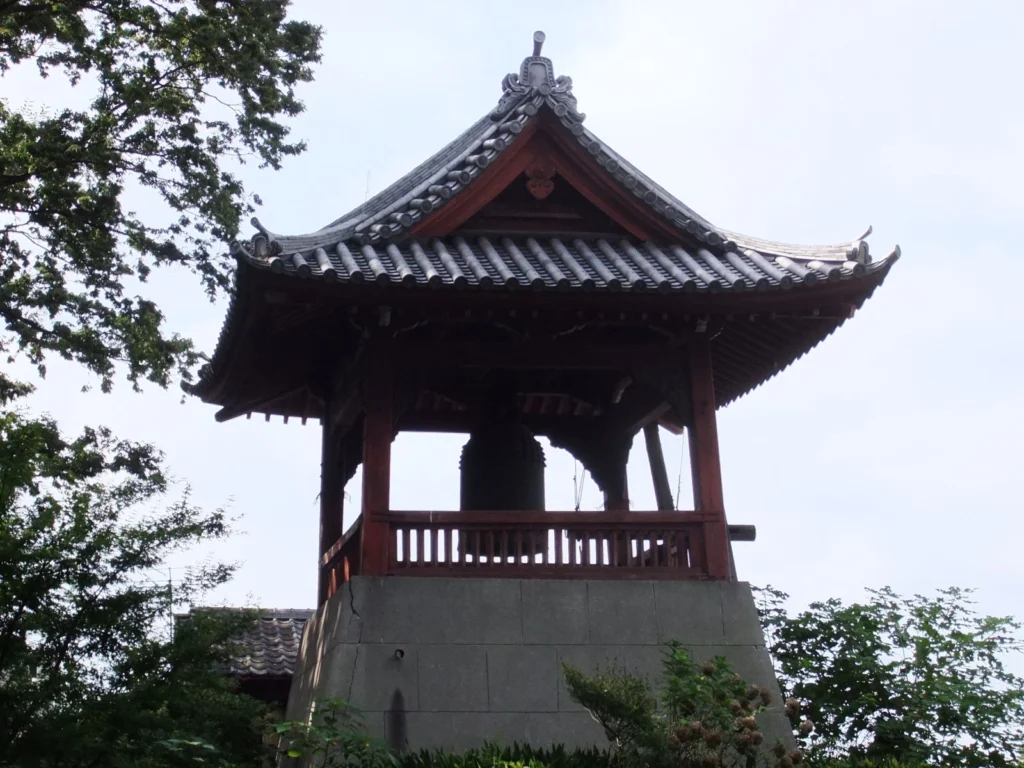
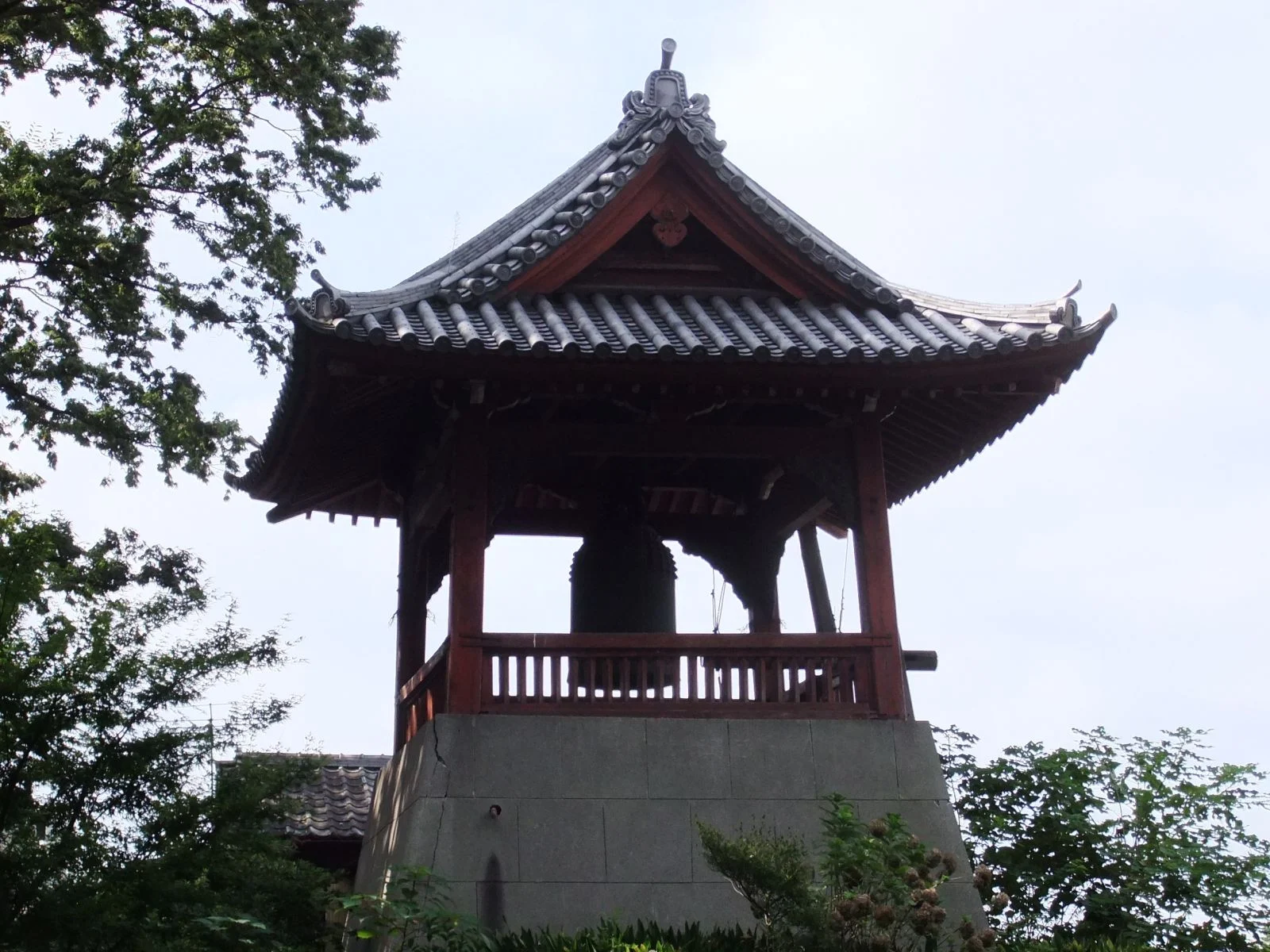
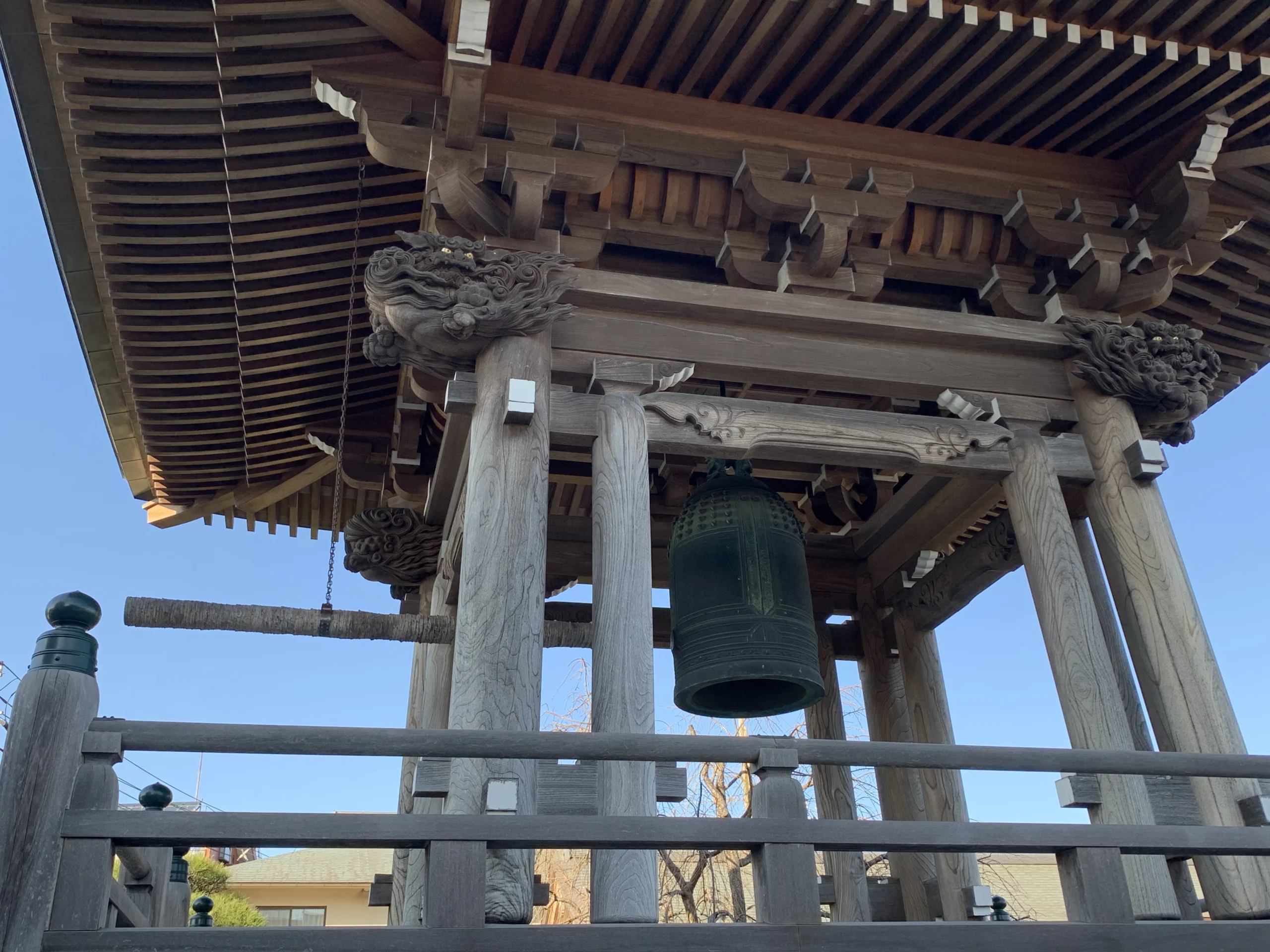
Joya no kane (除夜の鐘, “New Year’s Eve bell”) is the ringing of a temple bell 108 times at the turn of the year. It is a Buddhist custom, and some temples in Tokyo let visitors ring the bell. This guide explains what it is, what 108 means according to Japan’s national tourism organization (JNTO), and what we could and could not confirm for this year’s New Year’s Eve.
Quick answer
Joya no kane is a temple bell rung 108 times on December 31. JNTO says each ring stands for one of the 108 worldly desires. Some temples let visitors ring it, and tickets can be limited. Zojoji in Minato-ku has changed its 2026 schedule: the bell starts at 21:45, not at midnight.
We could not read the 2026-27 bell plans of Senso-ji, Kan’ei-ji or Tsukiji Hongwanji, so check each temple’s official page before you go.
What Is Joya no Kane?
Joya (除夜) means “the night of the old year” and kane (鐘) means “bell”. JNTO says temples ring the bell 108 times. Its pages give two timings. One page says the bell starts an hour before the new year, and the last ring is at midnight. Another says many temples ring 107 times during the night and once more as midnight arrives. Each temple sets its own plan, so the timing differs.
For the other New Year customs, such as osechi, toshikoshi soba and kadomatsu, see our Japanese New Year customs guide.
Why 108?
JNTO says each ring stands for one of the 108 worldly desires, and the ritual is a time to look back on the year and be thankful. The Japanese word for these desires is bonno (煩悩), a Buddhist idea of the wants and worries that trouble the mind. Other sources give different counting methods for the number 108. We only use the explanation we could read on JNTO’s official pages.
How Visitors Can Join in Tokyo
Some temples hold a ceremony and sell or hand out bell-ringing tickets, and others ring the bell without public ringing. JNTO says that if you want to ring the bell, you should get a ticket in advance, because places are first-come, first-served and limited. Below is what we could read from official pages.
Zojoji (Minato-ku)
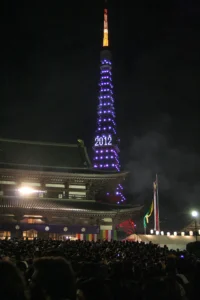
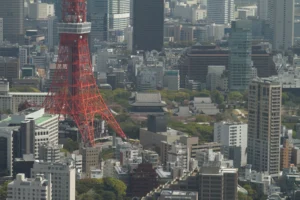
Zojoji is a large Jodo-school temple next to Tokyo Tower. Its official notice dated November 1, 2026, says the New Year’s Eve bell time has changed because of crowding in the grounds. The ceremony is at 21:30 on December 31, and ringing starts at 21:45 and is planned to end around 23:00. In the past it began at midnight.
- Tickets: to be handed out from December 1 at 9:00 at the temple office on the second floor of the Kaikan hall.
- Price and rules: the event page we read lists 2,000 yen with a small gift, limited numbers, one ticket per person, and four people ring the bell together once. If you have fewer than four tickets, you are grouped with others. Check the page again, because it may be an earlier year’s text.
- Manners: follow the staff and avoid behavior that bothers others, the page says.
Details of the temple are in our Zojoji guide.
Tsukiji Hongwanji (Chuo-ku)
JNTO describes a Buddhist service called Joya-e at Tsukiji Hongwanji on December 31 at 11 p.m., and tickets for ringing are first-come, first-served with a limit. JNTO says this is based on experiences before the pandemic, so it may have changed. The temple’s website was not available when we checked, so we could not confirm the 2026 plan.
Senso-ji and Kan’ei-ji
Senso-ji in Asakusa and Kan’ei-ji in Ueno are well-known Tokyo temples, but we could not read an official 2026-27 bell plan for either one. Please check the temple’s official page or ask the temple. See our Senso-ji guide.
Tips for Planning Your Night
- Ask first, then plan. Whether you can ring, or only listen, differs by temple. The Zojoji page we read does not say whether visitors can just watch.
- Mind the time. At Zojoji the bell is now in the evening, before midnight. Other temples may still ring at midnight.
- Plan your trains. We did not confirm late-night train times. Check them for December 31 on the operator’s page.
- Behave like a guest. It is a religious event. See shrine and temple etiquette.
- After the bell, many people make their first temple or shrine visit of the year. See Hatsumode in Tokyo, New Year in Tokyo and Tokyo in December.
Planning the whole night? See New Year’s Eve in Tokyo for ways to spend December 31, from bells and countdowns to soba and late trains.
For more on Buddhist and Shinto culture, see our Japanese culture guide.
What We Could Not Confirm
- The 2026-27 bell time and ringing method at Senso-ji, Kan’ei-ji and Tsukiji Hongwanji. Please check each temple’s official site for this.
- Whether visitors can listen or watch without a ticket at Zojoji.
- Whether Zojoji’s ticket price of 2,000 yen is the same for this year.
FAQ
What is joya no kane?
It is the ringing of a temple bell 108 times at the end of the year, a Buddhist custom held on New Year’s Eve.
Why is the bell rung 108 times?
JNTO says each ring stands for one of the 108 worldly desires (bonno), and the ritual is a time to reflect on the past year.
Can visitors ring the bell in Tokyo?
Some temples let them. Zojoji handed out tickets in past years, and JNTO says to get a ticket in advance. Check each temple, because plans differ.
Does the bell always ring at midnight?
No. Zojoji says its 2026 bell starts at 21:45 on December 31 and ends around 23:00. Other temples may differ, so check them.
How much does it cost?
Zojoji’s event page lists 2,000 yen with a small gift. We did not confirm prices for other temples.
Keep reading
Sources
Facts come from JNTO and from Zojoji’s official pages. Last checked: November 17, 2026. Plans can change, so check the temple’s page.
- JNTO: Experience the Japanese New Year’s Eve (Solo Japan, English)
- JNTO: New Year Celebrations Done the Japanese Way (English, January 7, 2021)
- Zojoji: Notice on the changed time of the 2026 New Year’s Eve bell (Japanese, November 1, 2026)
- Zojoji: New Year’s Eve bell and hatsumode event page (Japanese)