Researched guide · Last checked: Nov 15, 2026
A matsuri is a festival held at a Shinto shrine. You may see crowds, lanterns, drums and a portable shrine carried through the streets. Behind the fun is a religious event with prayers and offerings. This guide explains what a matsuri is, in simple words. It is based on information from Jinja Honcho, the Association of Shinto Shrines, not on our own visit.
Quick answer
Matsuri are held across Japan to thank the kami (sacred spirits or deities) and to pray for the happiness, health and prosperity of the community. They mix solemn rites with festive celebration.
Matsuri differ a lot from shrine to shrine. Check the shrine’s own calendar for dates, and follow the signs and the staff when you visit.
Overview
| What it is | A festival held at a Shinto shrine (jinja) to offer thanks to the kami |
| What happens | Prayers to the kami, offerings of sacred food and purification rites |
| Famous parts | Processions with portable shrines (mikoshi) and floats at many matsuri |
| Dates | Each shrine decides its own. The big yearly festival is called the Grand Festival |
| Who can join | Visitors are welcome at a shrine whatever their nationality or religion, according to Jinja Honcho |
| Last checked | November 2026 (on November 15, 2026) |
What Is a Matsuri?
Jinja Honcho says matsuri are held throughout Japan to offer gratitude to the kami and to pray for the happiness, health and prosperity of the community. People have honored the kami since ancient times, often in sacred places of natural beauty, and the rituals and offerings there were the origin of matsuri.
Matsuri involve prayers to the kami and offerings of sacred food, and they include purification rites for the people who attend. The shrine grounds are often decorated with a twisted straw rope (shimenawa) and white paper streamers (shide). The priests prepare themselves before a matsuri, for example by avoiding certain foods and by ritual bathing.
Mikoshi and Floats
At many matsuri, the enshrined kami is moved into a portable shrine called a mikoshi. The mikoshi is then carried through the area where the local people live. Jinja Honcho says people believe this brings the kami and the community together, and that the kami blesses every household in the neighborhood. Floats are also used at many festivals.
Jinja Honcho notes that in ancient times these processions were often solemn ceremonies, with the mikoshi carried in a dignified and quiet way. Some shrines still keep this style.
Two Kinds of Matsuri
Jinja Honcho divides the matsuri held at a shrine into two broad groups: matsuri tied to the cycle of the seasons, and matsuri tied to the stages of a person’s life.
Seasonal matsuri
- Rice farming: most seasonal matsuri are linked to rice farming, which was and is central to Japanese culture. There are matsuri for planting and for harvest, and many shrines hold one to pray for good weather during typhoon season.
- February: the Kinensai is held to pray for a good harvest.
- November: the Niinamesai gives thanks for the harvest. The same day is a national holiday, Labor Thanksgiving Day.
- The Grand Festival: most shrines hold a Grand Festival every year (a few hold it twice). It is held on a date that matters to that shrine or its kami and is usually the highlight of the year. The details differ from shrine to shrine and may include processions or traditional local arts.
- Purification: at the end of June and the end of December, many shrines hold the Oharae, a ceremony to remove the impurities built up over the previous six months.
- Monthly and daily: many shrines hold a monthly matsuri, often called tsukinamisai, and make food offerings to the kami every day.
Life-stage matsuri
Families also visit a shrine for key moments in life. Babies are often brought to a shrine about a month after birth to be introduced to the kami. In autumn, children celebrate Shichi-Go-San, traditionally on November 15. See Shichi-Go-San for more.
Matsuri in Tokyo on This Site
- Tori-no-Ichi: a November fair held around Otori Shrine in Asakusa. See Tori-no-Ichi fair.
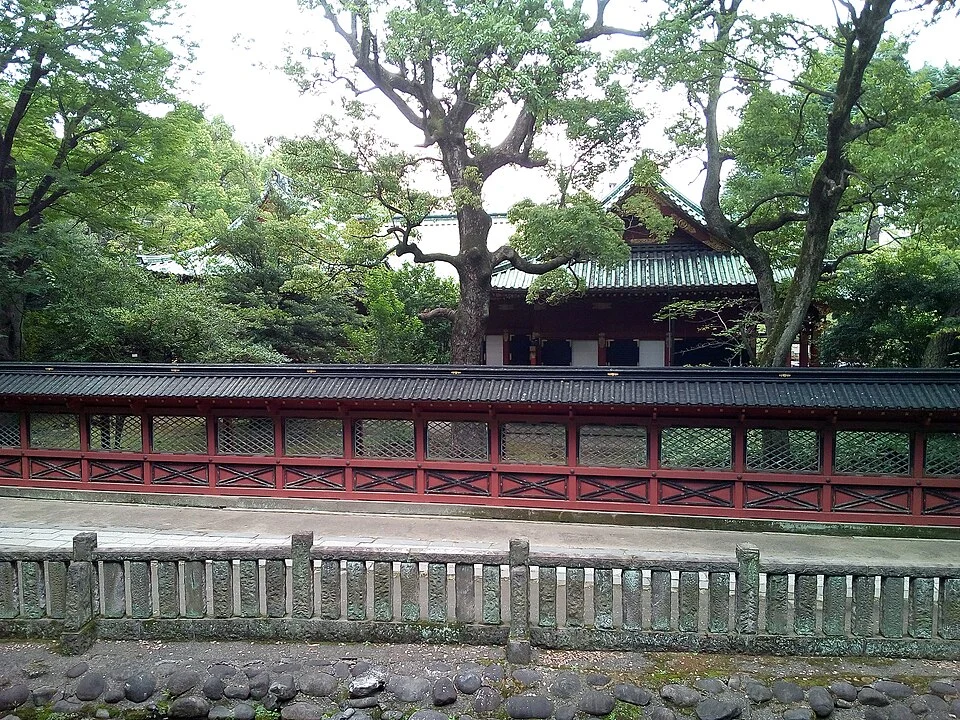
- Nezu Shrine Grand Festival: see Nezu Shrine Grand Festival.
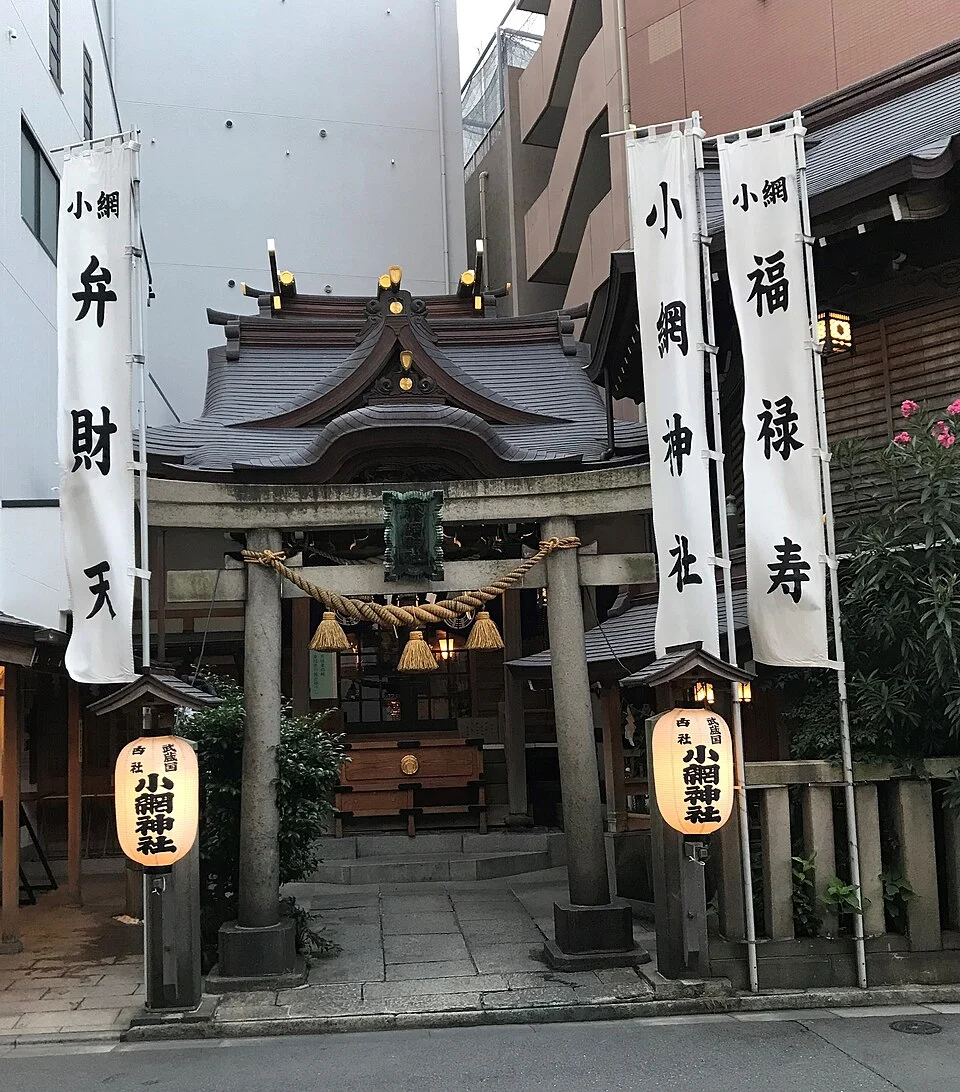
- Koami Shrine Dobuyoroku Festival: see Koami Shrine Dobuyoroku Festival.
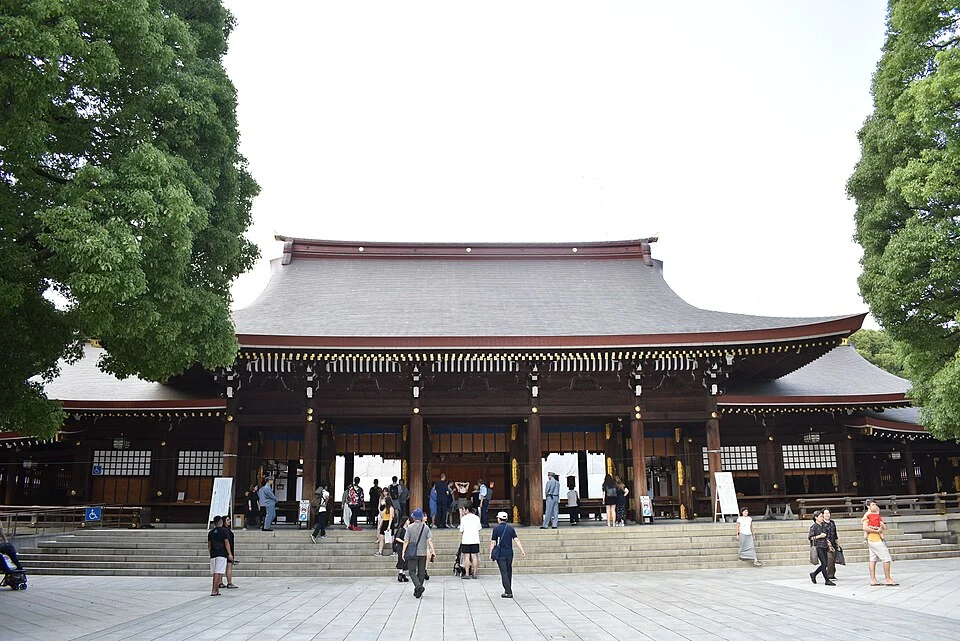
- Meiji Jingu Spring Grand Festival: see Meiji Jingu Spring Grand Festival.
For more events across the city, see our Tokyo events calendar.
How to Visit a Matsuri Respectfully
- Remember that a matsuri is a religious event as well as a celebration. Jinja Honcho says it has solemn and festive sides.
- Check the dates on the shrine’s own site or notice board. Matsuri vary a lot from shrine to shrine.
- Follow the signs and the staff. If priests ask you to do something differently, do as they ask.
- Do not enter fenced areas or buildings without an invitation. For general manners, see shrine and temple etiquette.
- Visitors are welcome whatever their nationality or religion, according to Jinja Honcho.
Learn More
For the basics of Shinto, see What is Shinto?. For items you can take home from a shrine, see omamori, omikuji, ema and goshuin. More guides are on our Japanese culture guide page.
Also nearby: Children’s Day: koinobori and kashiwa mochi explained
Also nearby: Hinamatsuri Explained: Japan’s Girls’ Day on March 3, Hina Dolls and Festive Foods
Also nearby: Tsukimi Explained: Japan’s Autumn Moon-Viewing, Rice Dumplings and Pampas Grass
FAQ
What does matsuri mean?
A matsuri is a festival held at a Shinto shrine to offer thanks to the kami and to pray for the community, according to Jinja Honcho.
What is a mikoshi?
A portable shrine. At many matsuri the enshrined kami is moved into it and it is carried through the local area.
Can visitors join a matsuri?
Visitors are welcome at shrines whatever their nationality or religion, according to Jinja Honcho. Follow the signs and the staff.
When are matsuri held?
Each shrine has its own calendar. Common ones include a Grand Festival every year, a February festival for a good harvest, a November thanksgiving festival and purification ceremonies at the end of June and December.
Are matsuri all the same?
No. Jinja Honcho says local traditions vary considerably from shrine to shrine.
Keep reading

Sources
This guide is based on the official information below, not on our own visit. Last checked: November 2026 (on November 15, 2026). Shrine events change, so please check each shrine before you go.
Also nearby: Tanabata: the star festival explained
Also nearby: Setsubun: bean throwing explained
Also nearby: Obon explained