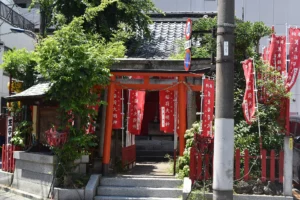
An Inari shrine is a Shinto shrine for Inari Okami, a deity linked to rice, farming and business. You can spot one by its red torii gates and stone fox statues. This guide explains who Inari is, why foxes and red gates appear, and where to see Inari sites in and near Tokyo, using the official Fushimi Inari Taisha site.
Quick answer
Inari shrines honor Inari Okami, first linked to rice and good harvests. The head shrine is Fushimi Inari Taisha in Kyoto, and its site says there are some thirty thousand Inari shrines across Japan. The foxes are not the deity. The shrine says they are messengers, and the red color stands for a bountiful harvest and keeps evil away.
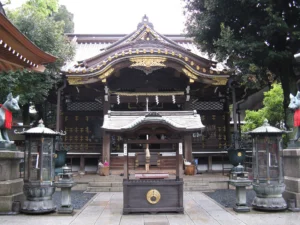
In short: red torii and fox statues mean an Inari shrine. In Tokyo, start with Namiyoke Inari in Tsukiji, then the fox statues at Toyokawa Inari Tokyo Betsuin in Akasaka.
| Topic | Inari Okami, Inari shrines, foxes and red torii |
| Head shrine | Fushimi Inari Taisha, Kyoto (established 711 AD, per the shrine) |
| Number of shrines | Some thirty thousand in Japan (Fushimi Inari Taisha) |
| Foxes | Messengers of Inari Okami; Inari Okami is not a fox (Fushimi Inari Taisha FAQ) |
| Red color | Guards against evil; at Fushimi Inari, the bountiful harvest (same FAQ) |
| Source | Fushimi Inari Taisha official English pages |
| Last checked | November 2026 (on November 18, 2026) |
Who Is Inari?
The Fushimi Inari Taisha site says the name Inari is traditionally linked to the words “ine ga narimashita,” meaning “rice has grown.” The name comes from an old provincial record called the Yamashirokoku Fudoki, and the shrine notes that other explanations exist. In the record, a rice cake turns into a swan and lands on a mountain, and rice grows there. The shrine says Inari Okami was enshrined in 711.
The shrine says that court records show prayers to Inari Okami for good grain harvests, timely rain and peace. Over time, people also prayed for success in business, safe homes and traffic, and progress in the performing arts. The shrine says these prayers continue today.
Why Are There Foxes?
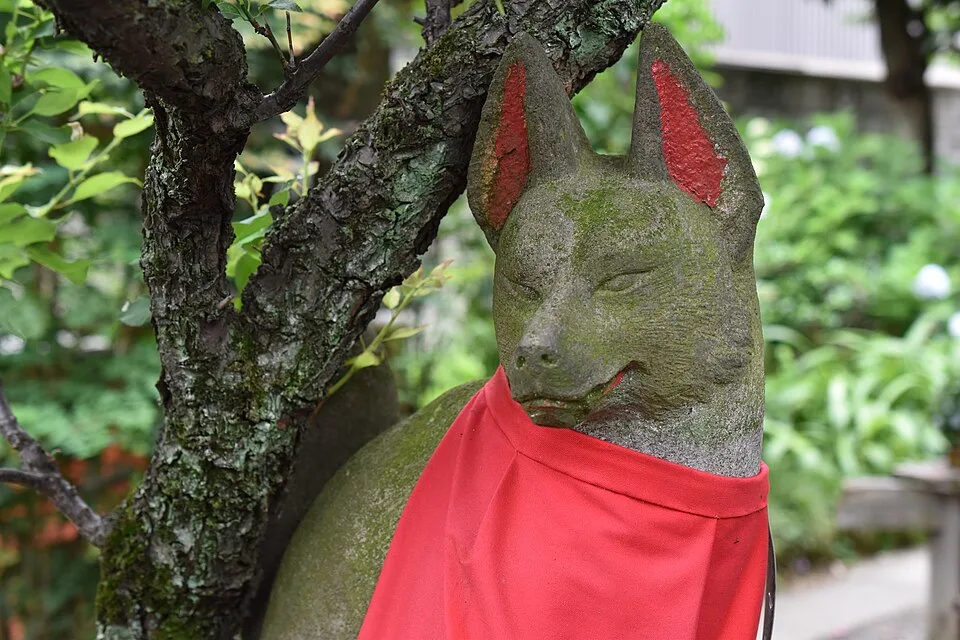
Many Inari shrines have stone fox statues, so people often think Inari is a fox. The Fushimi Inari Taisha FAQ says this is not so. Foxes are the messengers of Inari Okami. The shrine says these messengers are unseen spiritual beings called byakkosan (“white foxes”), not ordinary mountain foxes, and that Inari Okami itself is not a fox.
Why Are the Gates Red?
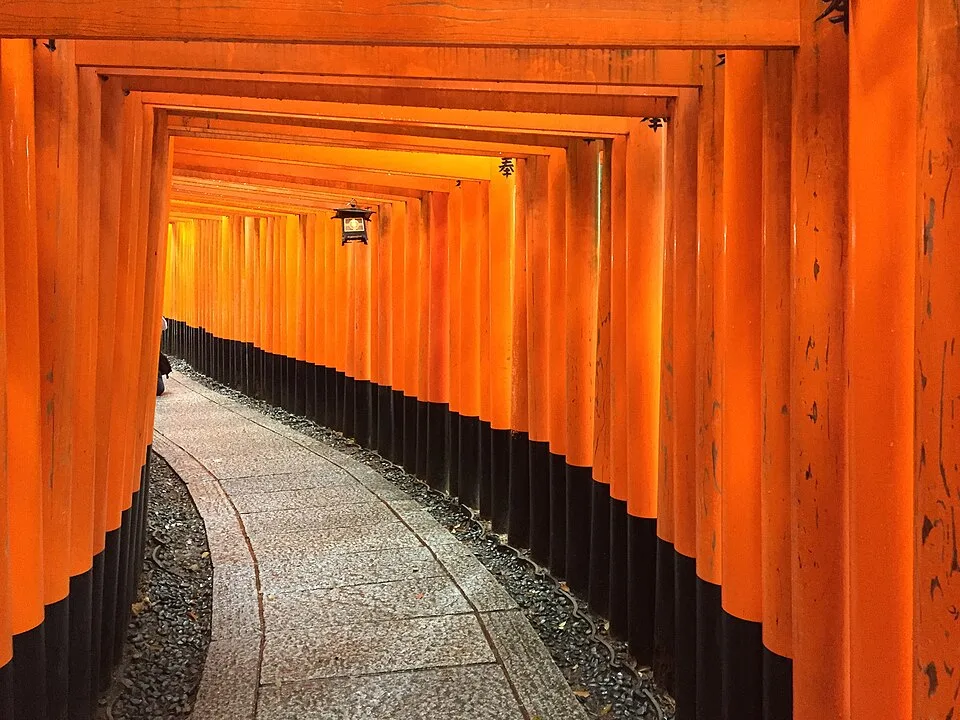
- The FAQ says vermilion is seen as a guard against evil, and it appears on many old palaces, shrines and temples.
- At Fushimi Inari Taisha, the shrine says the color stands for the bountiful harvests that Inari Okami provides.
- The shrine says the paint pigment is made from mercury and red earth and has long been used to preserve wood.
- Torii gates became common offerings by the Edo period (1603 to 1868). The shrine says each one carries prayers from people to the deity, and about 10,000 line the mountain paths of Fushimi Inari Taisha.
A Short History
| Year | What the Fushimi Inari Taisha site says |
|---|---|
| 711 | Inari Okami is enshrined; farmers are said to have had strong harvests of grain and silk that year |
| 827 | Sacred trees on Inariyama were cut to build Toji Temple; after the deity’s curse, Inari no Kami was granted a rank |
| 942 | The shrine was raised to the highest rank for Shinto shrines |
| 1468 to 1499 | Fire destroyed the buildings in a conflict; they were rebuilt in 1499 |
| 1871 | The Meiji government designated it a Kanpei Taisha, a grand shrine under the Department of Worship |
Inari Sites in and Near Tokyo
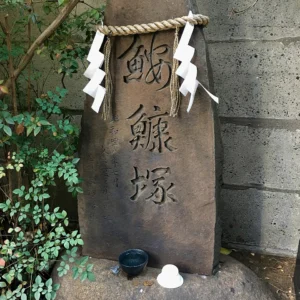
- Namiyoke Inari Shrine in Tsukiji: a small Shinto shrine by the old fish market area.
- Toyokawa Inari Tokyo Betsuin in Akasaka: known for its fox statues, but it is a Soto Zen Buddhist temple, not a Shinto shrine. The temple’s English page is here.
- Sasuke Inari Shrine in Kamakura: a red torii approach and white fox statues.
- Kasama Inari Shrine in Ibaraki: one of the Inari shrines near Tokyo, with a carved main hall.
- Oji Fox Parade: a New Year’s Eve parade to Oji Inari Shrine.
We have not visited these sites for this guide. For manners at any shrine, read our shrine and temple etiquette guide, and for the basics, What Is Shinto?.
More Ideas in Tokyo
- Shrine and temple etiquette: how to visit and pray
- What is Shinto?: kami, shrines and festivals
- Omamori, omikuji, ema and goshuin: shrine charms explained
- Temples and shrines in Tokyo: 8 places compared
- Japanese culture guide: manners and customs
FAQ
What is an Inari shrine?
It is a Shinto shrine for Inari Okami. Fushimi Inari Taisha in Kyoto is the head shrine, and its site says there are some thirty thousand Inari shrines in Japan.
Is Inari a fox?
No. Fushimi Inari Taisha says foxes are messengers of Inari Okami and that Inari Okami itself is not a fox.
What does the name Inari mean?
The shrine says the name is traditionally linked to “ine ga narimashita,” meaning “rice has grown.” It also says other explanations exist.
Why are Inari torii gates red?
The shrine says vermilion guards against evil, and at Fushimi Inari it stands for a bountiful harvest. The pigment has also long been used to preserve wood.
What do people pray for at Inari shrines?
The shrine says people prayed for good harvests, and later for business success, safety at home and on the road, and progress in the performing arts.
Is Toyokawa Inari in Akasaka a shrine?
It is a Soto Zen Buddhist temple that is known for fox statues, per our guide, which cites the temple’s official site.
Where can I see an Inari shrine in Tokyo?
Namiyoke Inari Shrine in Tsukiji is a Shinto shrine. Toyokawa Inari Tokyo Betsuin in Akasaka has many fox statues but is a temple.
Can I visit Fushimi Inari Taisha from Tokyo?
It is in Kyoto. We did not check travel details for this guide, so see our Tokyo to Kyoto and Osaka guide.
Keep reading
Sources
Facts come from the English pages of Fushimi Inari Taisha, read on November 18, 2026, and the temple site for the Akasaka fox statues. We have not visited these sites for this guide.