Researched guide · Last checked: Nov 15, 2026
Walk into a few Tokyo shrines and you will see the same names again and again: Hachiman, Tenjin, Inari. These are kami, the sacred spirits or deities of Shinto. This guide explains four of the best known, so you know who you are visiting.
Quick answer
The Shinto shrine association Jinja Honcho picks four kami as especially important: Amaterasu-Omikami, Hachiman Okami, Tenjin and Inari Okami. Shrines for them are found in every corner of Japan.
In Tokyo you can visit shrines for Hachiman, Tenjin and Inari. Each one has its own history, so read the shrine’s own notice board when you arrive.
Overview
| What it is | A short guide to four major kami and the Tokyo shrines where you can meet three of them |
| The four | Amaterasu-Omikami, Hachiman Okami, Tenjin and Inari Okami |
| Source | Jinja Honcho (the Association of Shinto Shrines), English pages |
| Good for | First-time visitors who want to know what a shrine is dedicated to |
| Costs | Shrine grounds are free at the Tokyo shrines on this page. Check each shrine page for details |
| Last checked | November 2026 (on November 15, 2026) |
Why There Are So Many Kami
Jinja Honcho says Shinto is often said to honour eight million kami. This is a poetic way to say “too many to count”. Some kami are honoured across all of Japan. Others are honoured at only one shrine. Jinja Honcho also says there is no clear hierarchy among them, and all kami are worthy of respect. For the basics, see What is Shinto?.
Amaterasu-Omikami
Amaterasu-Omikami is the ancestral kami of the Emperor and the Imperial family, says Jinja Honcho. She plays a central role in some of the most famous Japanese myths. She is enshrined at Ise Jingu, and many other shrines also enshrine her. She is regarded as the patron kami of the whole of Japan.
Hachiman Okami
Jinja Honcho says Hachiman Okami is enshrined at over 8,000 shrines across Japan, and more primary shrines enshrine this kami than any other. Hachiman is really three kami. The central one is the 15th Emperor, Ojin. The second is his mother, Jingu Kogo. The third changes from shrine to shrine.
In the eighth century Hachiman was enshrined in Nara to help build the Great Buddha of Todaiji, so the kami has a close link to Buddhism. Later, Hachiman became the patron kami of the Minamoto warrior clan, and so became linked with warriors. Jinja Honcho also says the kami is linked with safe pregnancy and childbirth, and with success in difficult tasks.
Hachiman shrines in Tokyo
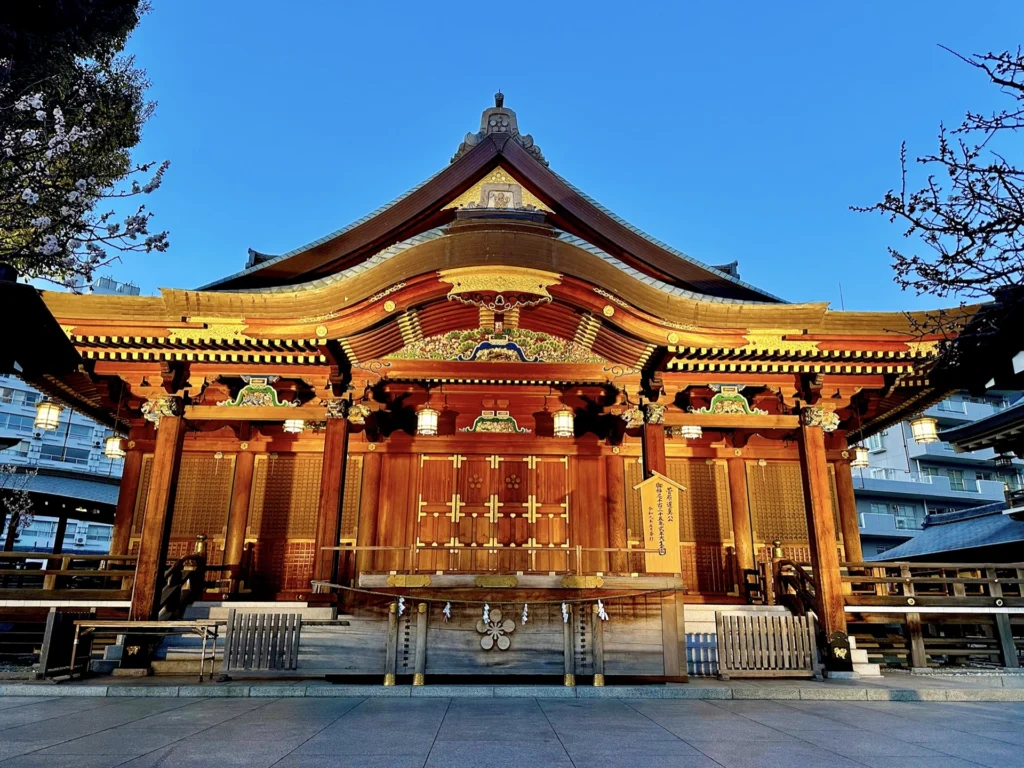
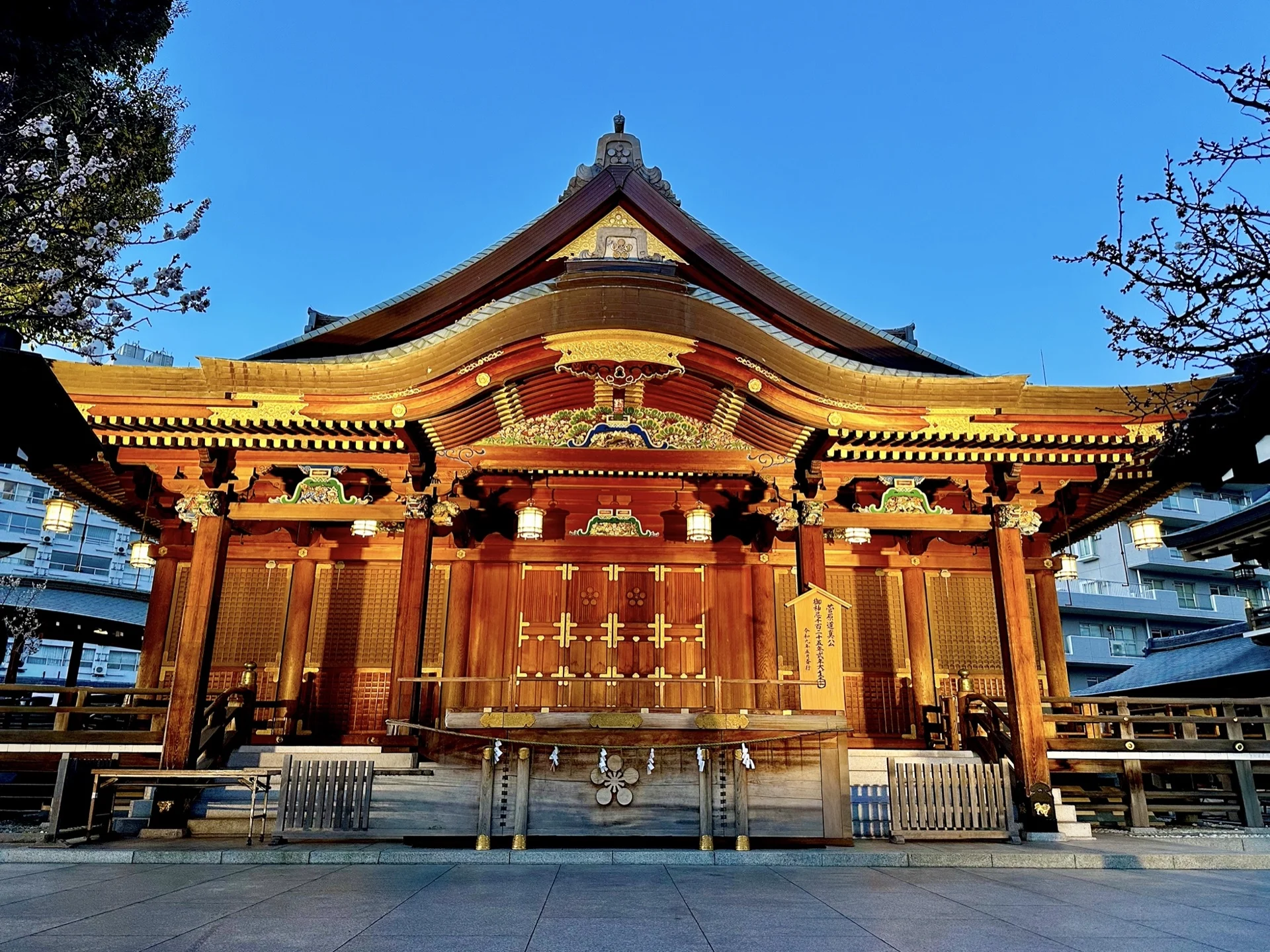
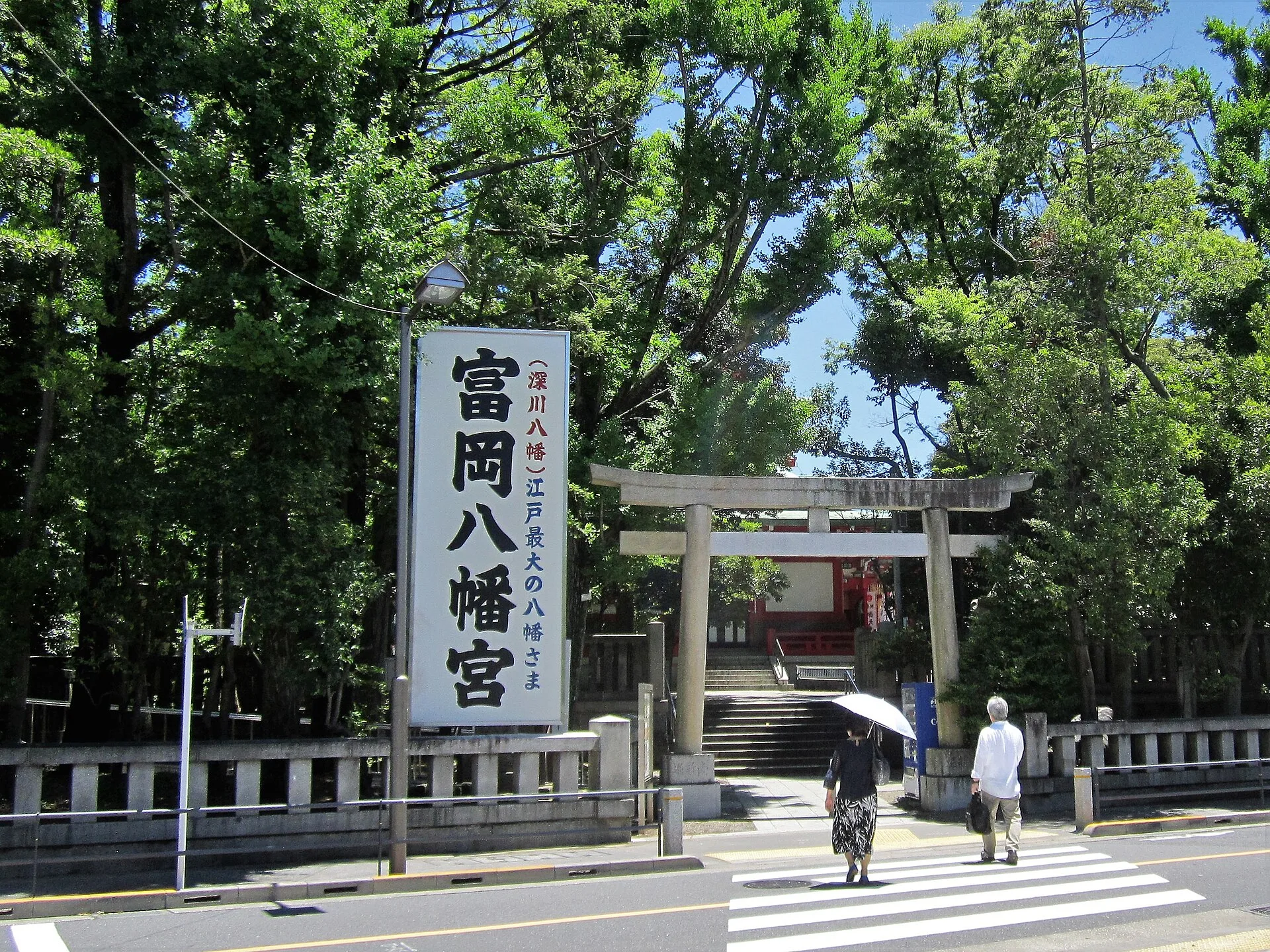
- Tomioka Hachimangu in Fukagawa calls itself the largest Hachiman shrine of Edo. Its main hall is under renovation until June 2027 (planned), so check the shrine before you go.
- Yoyogi Hachimangu in Shibuya is dedicated to Emperor Ojin (the god Hachiman). It sits on a hill with an old forest.
Tenjin
Tenjin was a real person: Sugawara no Michizane, a scholar and statesman of the ninth and early tenth centuries. Jinja Honcho says he was sent away from the capital at Kyoto after his political enemies plotted against him, and he died in exile. After his death, bad things happened that people blamed on his anger. He was given back his rank and honoured as a kami.
The “jin” in his name means kami, so he is not called “Okami”. At first he was linked with the weather. Over time his name as a scholar grew, and today he is mainly linked with study. School children and university students all over Japan visit Tenjin shrines to pray for success in exams. You can see the result at the shrine: wooden plaques (ema) full of wishes. For ema and other items, see omamori, omikuji, ema and goshuin.
Tenjin shrines in Tokyo
- Yushima Tenjin near Ueno is a famous shrine for students. It is also known for plum blossoms in February and March.
- Kameido Tenjin in Koto City is known as the “shrine of flowers”, with wisteria in spring. It was modelled on Dazaifu Tenmangu in Kyushu.
Inari Okami
Jinja Honcho calls Inari Okami an extremely popular kami, especially in eastern Japan. Inari shrines are often found inside the grounds of other shrines, or in the grounds of private houses. Inari is closely linked with rice, the harvest and prosperity. Over time this grew to include success in business, and many companies honour Inari somewhere on their premises.
Inari is also known for foxes. Jinja Honcho says the foxes are almost always seen as messengers of the kami, not the kami itself. Fox statues usually stand in front of Inari shrines. These shrines are also marked by red torii gates, and there are often many gates along the path to the sanctuary. A few places that honour Inari are Buddhist temples, not Shinto shrines.
Inari places in Tokyo
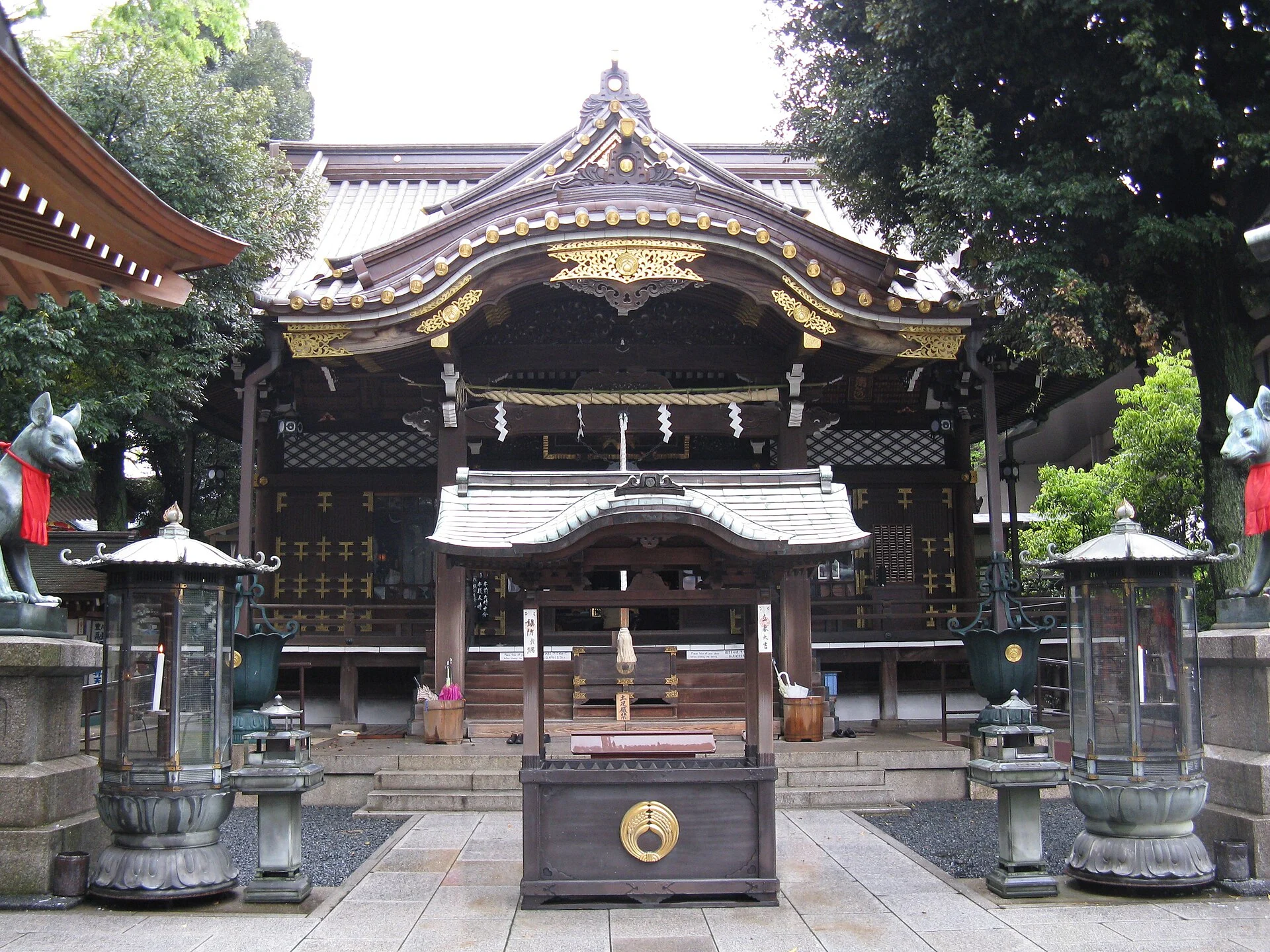
- Namiyoke Inari Shrine in Tsukiji is a small Shinto shrine founded in 1659, a short walk from the outer market.
- Toyokawa Inari Tokyo Betsuin in Akasaka is one of those Buddhist temples. It is known for hundreds of fox statues, says GO TOKYO.
How to Use This When You Visit
- Look at the shrine’s name. “Hachimangu” points to Hachiman, “Tenjin” or “Tenmangu” to Tenjin, and “Inari” to Inari. Many shrine names tell you the kami.
- Read the shrine’s own notice board. Jinja Honcho notes that some kami are honoured at only one shrine, so local stories differ.
- Look for the signs: fox statues and red torii for Inari, plum trees and ema for Tenjin.
- Follow the manners in shrine and temple etiquette.
- For festivals at shrines, see matsuri explained.
FAQ
Who is Amaterasu?
Amaterasu-Omikami is the ancestral kami of the Emperor and the Imperial family and the patron kami of the whole of Japan, according to Jinja Honcho. She is enshrined at Ise Jingu.
Which kami helps with exams?
Tenjin, who was the scholar Sugawara no Michizane. Jinja Honcho says students all over Japan visit Tenjin shrines to pray for exam success.
Why are there fox statues at Inari shrines?
Jinja Honcho says the foxes are almost always seen as messengers of the kami Inari, not the kami itself.
Is Inari always a Shinto shrine?
No. Jinja Honcho says a few places that honour Inari are Buddhist temples. Toyokawa Inari Tokyo Betsuin in Akasaka is one example.
Do I need to know the kami before I visit?
No. You can follow the signs and the shrine’s notice board. Knowing the kami helps you understand what you see.
Keep reading
Sources
The kami descriptions are based on the Jinja Honcho page below. The Tokyo shrine facts come from the official pages listed on our own shrine guides, not from a visit. Last checked: November 2026 (on November 15, 2026). Please check each shrine before you go.
Also nearby: Shinto and nature: sacred forests and trees
Also nearby: The Amaterasu cave myth
Also nearby: Kamidana: the Shinto household shrine
Comments
[…] Also nearby: The four kami you meet at Tokyo shrines […]