Researched guide · Checked on Oct 21, 2026
Yushima Tenjin (Yushima Tenmangu) is Tokyo’s best-known shrine for students. It is dedicated to Sugawara no Michizane, the god of learning, and every winter thousands of people come to pray for exam success. It is also famous for its plum blossoms in February and March, and it is a few minutes’ walk from Ueno.
Quick answer
Admission: free.
Hours: grounds open 6:00–20:00. Amulet office 9:00–19:30.
Getting there: about 2 minutes on foot from Yushima Station (Tokyo Metro Chiyoda Line), Exit 3.
About the shrine
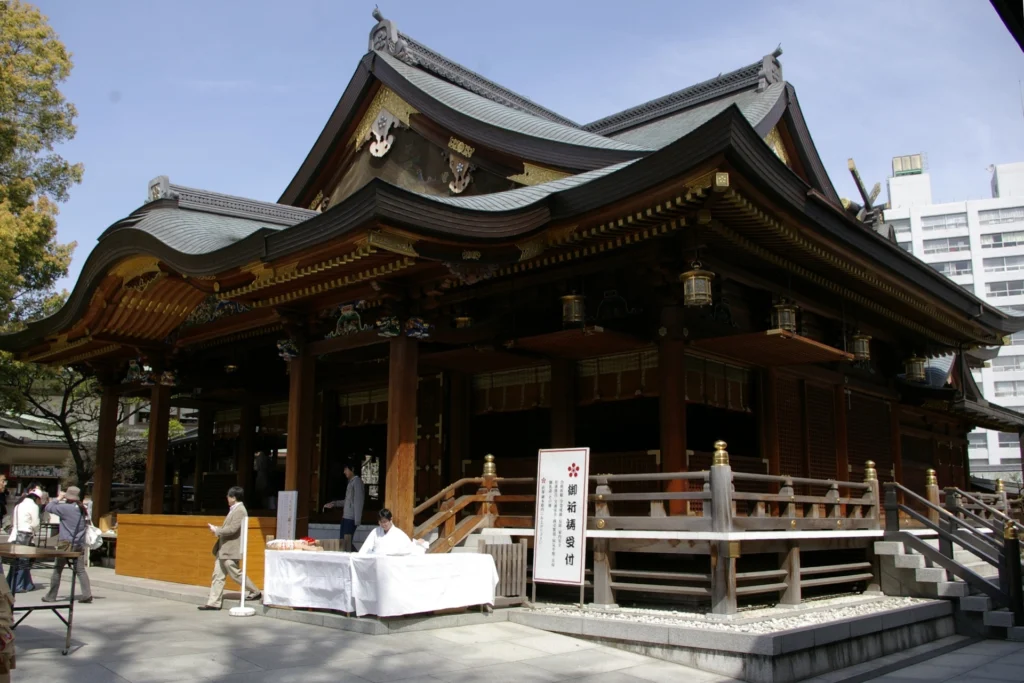
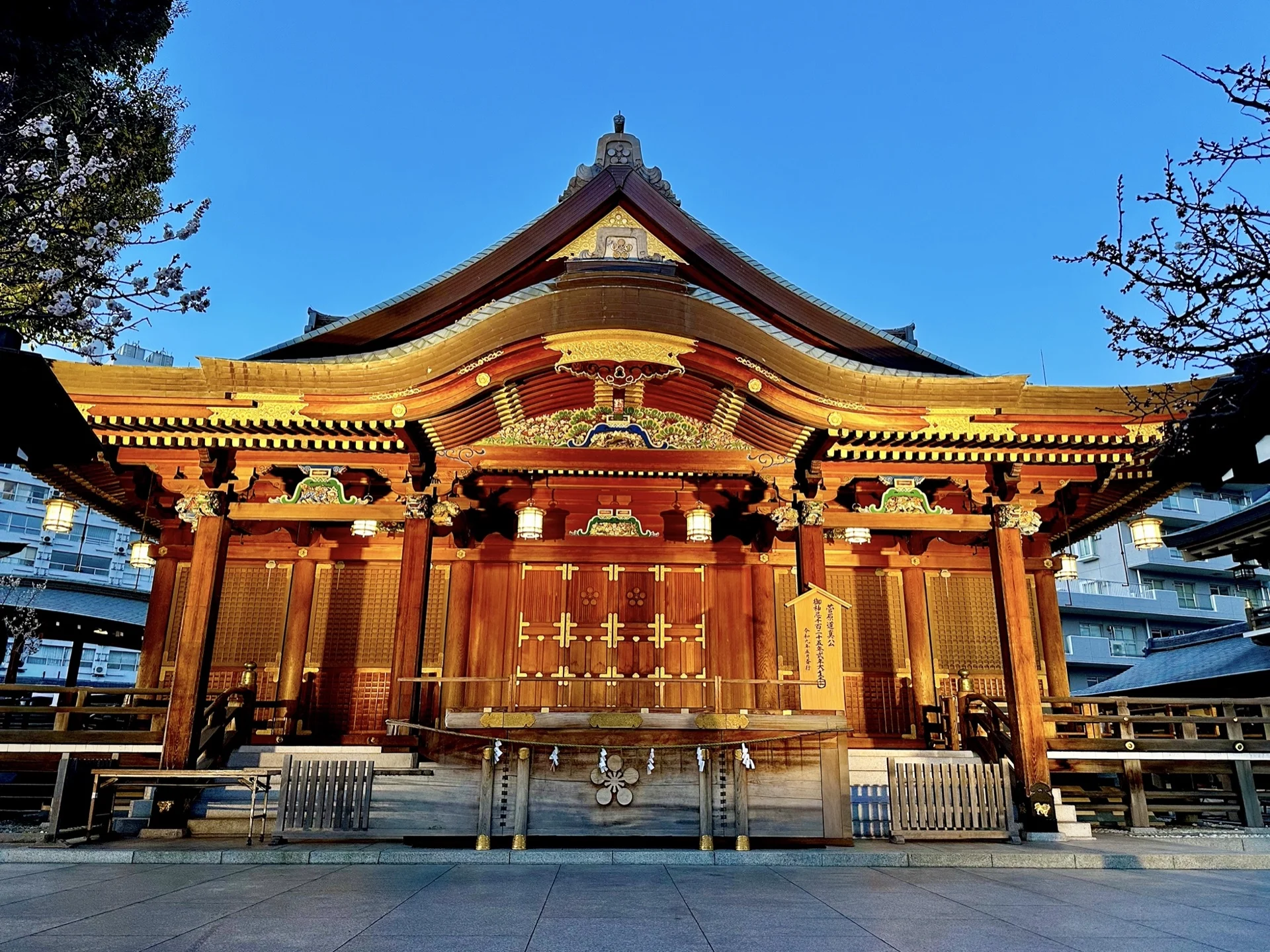
According to the shrine, it was founded in 458 by order of Emperor Yuryaku. In 1355 local people asked for Sugawara no Michizane, a scholar and poet of the Heian period, to be enshrined here too, and he has been its best-known deity ever since. Ota Dokan, the builder of Edo Castle, rebuilt the shrine in 1478, and Tokugawa Ieyasu granted it land in 1590. The present main hall, built entirely of Japanese cypress (hinoki), was completed in 1995.
Praying for exams
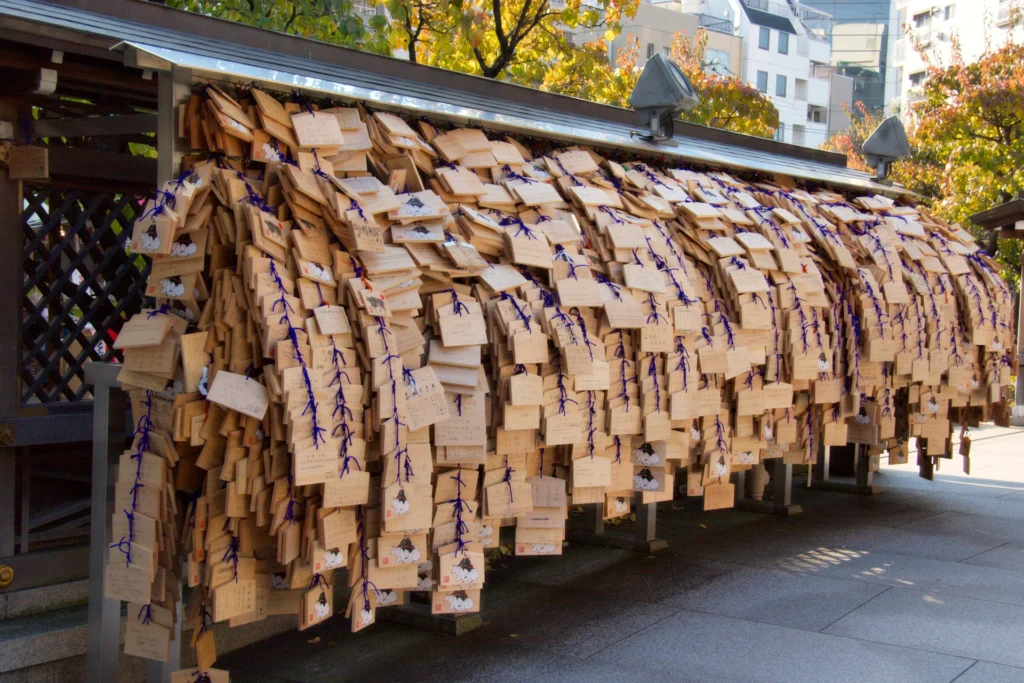
- Students and their families come to pray for success in school and university entrance exams, especially from January to March.
- You can buy study amulets (gakugyo mamori), ema prayer plaques for passing exams, and even pencils for exam success at the amulet office.
- A formal prayer ceremony (gokito) needs no booking: go to the reception next to the main hall during reception hours (9:00–16:30). It starts from ¥5,000.
- The shrine also sells amulets online for people who live far away (in Japanese).
See our guide to shrine and temple etiquette before you pray.
Plum and chrysanthemum festivals
- Bunkyo Plum Festival (Ume Matsuri): about 300 plum trees, mostly white, bloom on the grounds. In 2026 the festival ran from February 8 to March 8, with stage shows on weekends and holidays and an outdoor tea ceremony on Sundays.
- Bunkyo Chrysanthemum Festival (Kiku Matsuri): chrysanthemum displays from November 1 to November 23, 2026, from 6:00 until sunset.
Dates for 2027 had not been announced when we checked. Look at Bunkyo City’s website from January.
Opening hours
| What | Hours |
|---|---|
| Grounds | 6:00–20:00 |
| Amulet office | 9:00–19:30 |
| Prayer reception | 9:00–16:30 |
| Treasure hall | 10:00–16:30 (last entry 16:00) |
Getting there
| Station | Exit | On foot |
|---|---|---|
| Yushima (Tokyo Metro Chiyoda Line) | Exit 3 | about 2 min |
| Ueno-hirokoji (Tokyo Metro Ginza Line) | Exit A4 | about 5 min |
| Ueno-okachimachi (Toei Oedo Line) | Exit A4 | about 5 min |
| Okachimachi (JR Yamanote and Keihin-Tohoku lines) | North Exit | about 8 min |
| Hongo-sanchome (Tokyo Metro Marunouchi Line) | about 10 min |
From Yushima Station you can climb a flight of stairs or take a gentler, step-free slope via Kasuga-dori. The shrine is an easy add-on to a day in Ueno and Akihabara.
Planning which ones to visit? See eight temples and shrines side by side in temples and shrines in Tokyo.
For another historic shrine in central Tokyo, see our Hie Shrine guide in Akasaka.
FAQ
Is Yushima Tenjin free?
Yes. Visiting the grounds is free.
When do the plum blossoms bloom at Yushima Tenjin?
Usually in February and March. The 2026 Bunkyo Plum Festival ran from February 8 to March 8.
What is Yushima Tenjin known for?
It enshrines Sugawara no Michizane, the god of learning, so students come to pray for exam success. It is also known for its plum blossoms.
How do I get to Yushima Tenjin?
Walk about 2 minutes from Exit 3 of Yushima Station on the Tokyo Metro Chiyoda Line, or about 8 minutes from JR Okachimachi Station.
Related Articles
Sources
History, hours, prayers and access come from Yushima Tenmangu’s official website. Festival dates come from Bunkyo City (checked October 21, 2026).