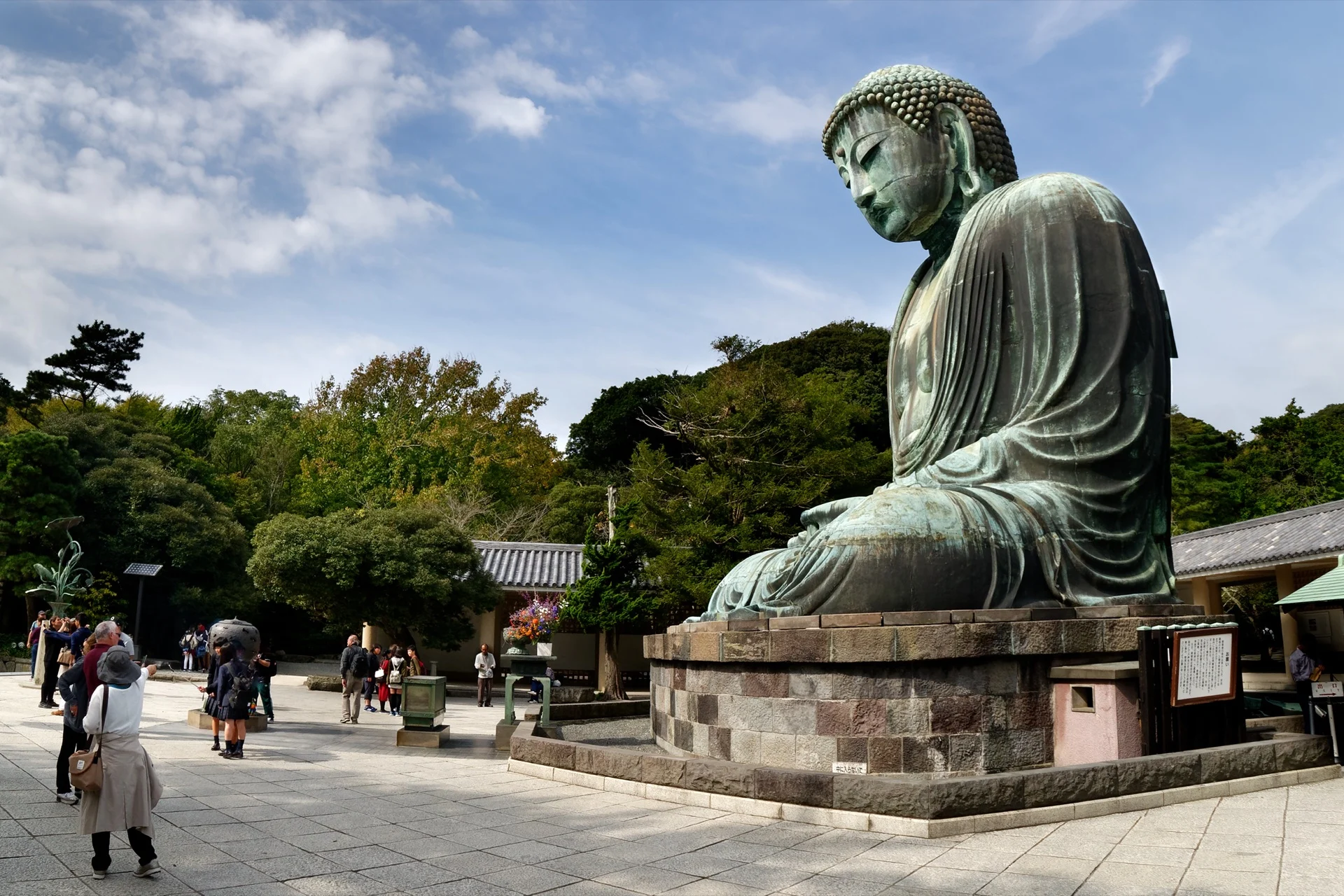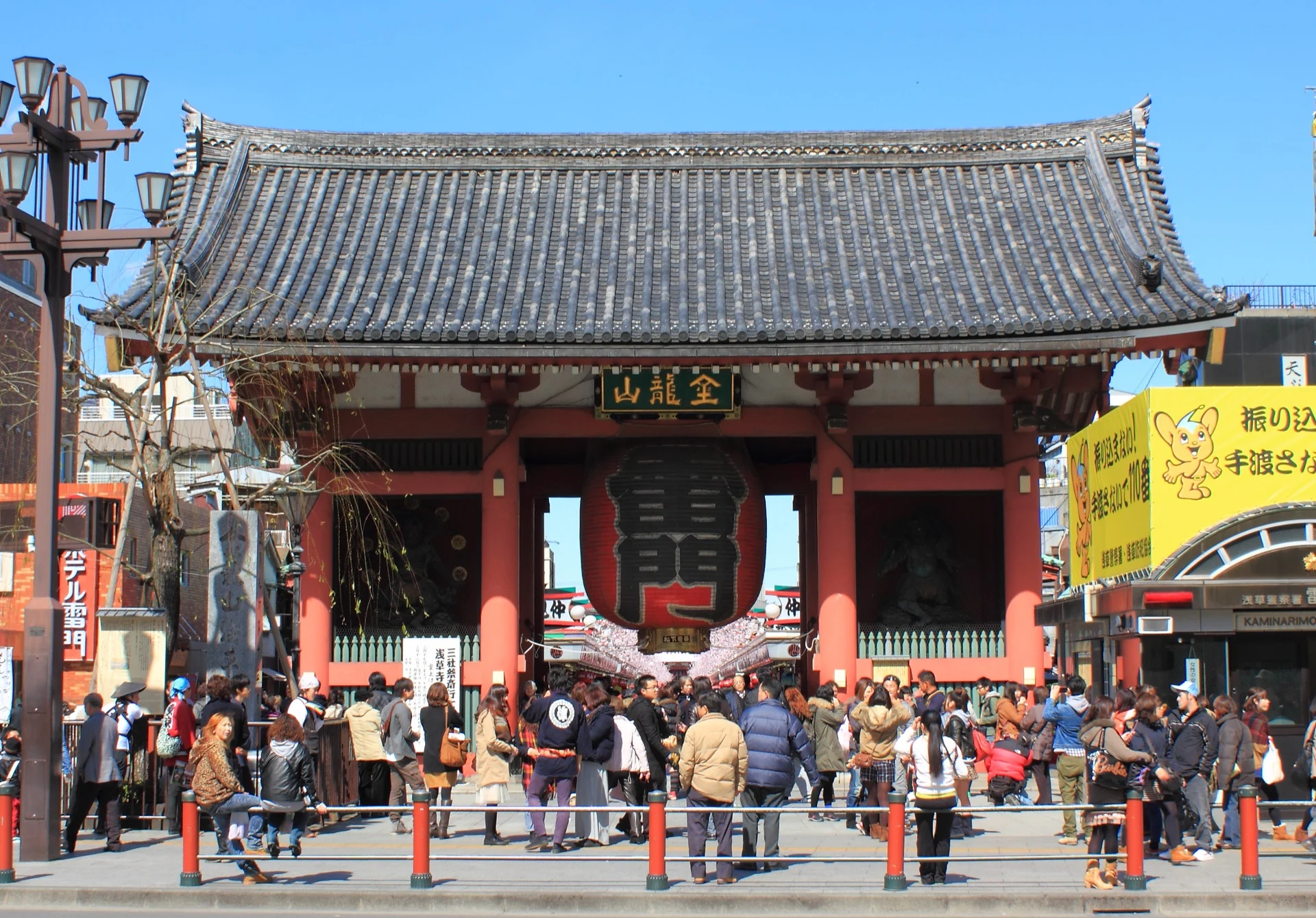
Shrines and temples are some of the most beautiful places in Tokyo, and they are also places of worship. You do not need to be religious to visit, and nobody expects visitors to be perfect. A few simple manners will help you feel comfortable and show respect.
Quick answer
Shrine or temple: a shrine (jinja) is Shinto and has a torii gate; a temple (tera) is Buddhist.
At a shrine: purify your hands and mouth, then bow twice, clap twice and bow once.
At a temple: put your hands together and bow. Do not clap.
Photos: fine in most grounds, but follow any no-photo signs, especially inside halls.
| Shrine (jinja) | Temple (tera) | |
|---|---|---|
| Religion | Shinto | Buddhism |
| How to spot it | A torii gate at the entrance | A large gate, often with guardian statues, and incense burners |
| How to pray | Bow and clap | Hands together and bow, no clapping |
At the entrance
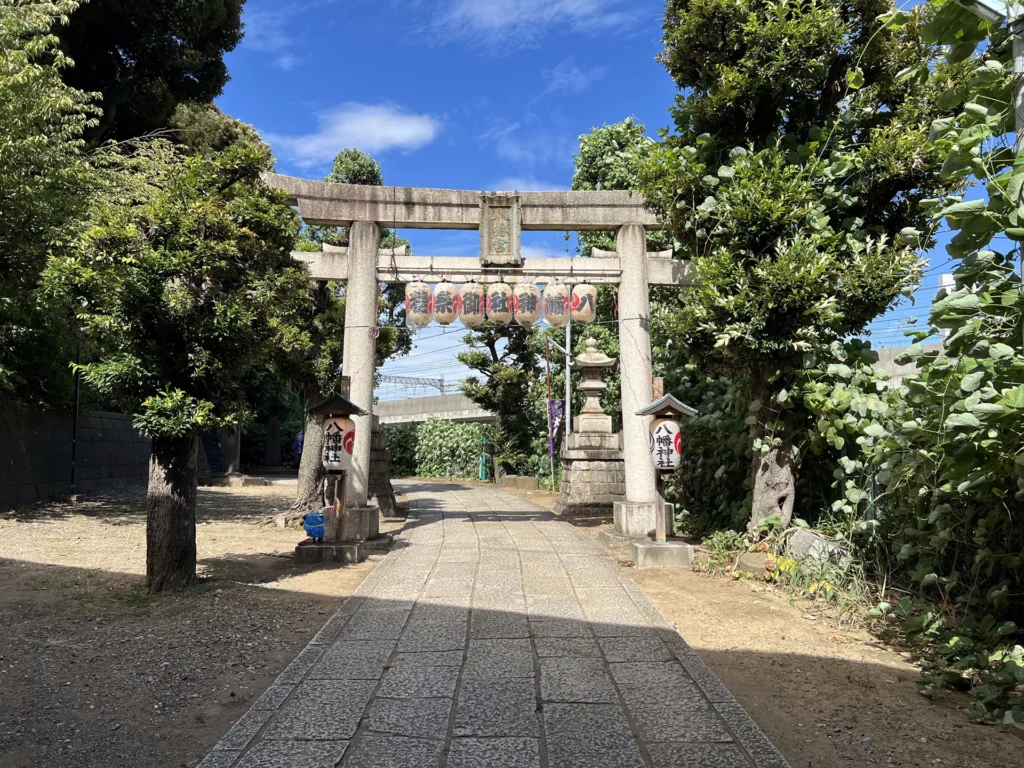
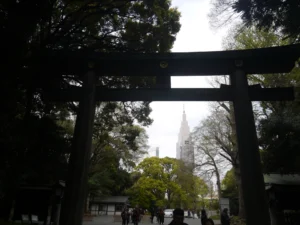
- At a shrine, many people pause and bow lightly before passing through the torii gate.
- It is customary not to walk through a gate right in the middle; the center of the path is traditionally kept for the gods, so many people walk along the sides.
- Keep your voice low and do not eat or drink while you walk around.
Purifying your hands and mouth
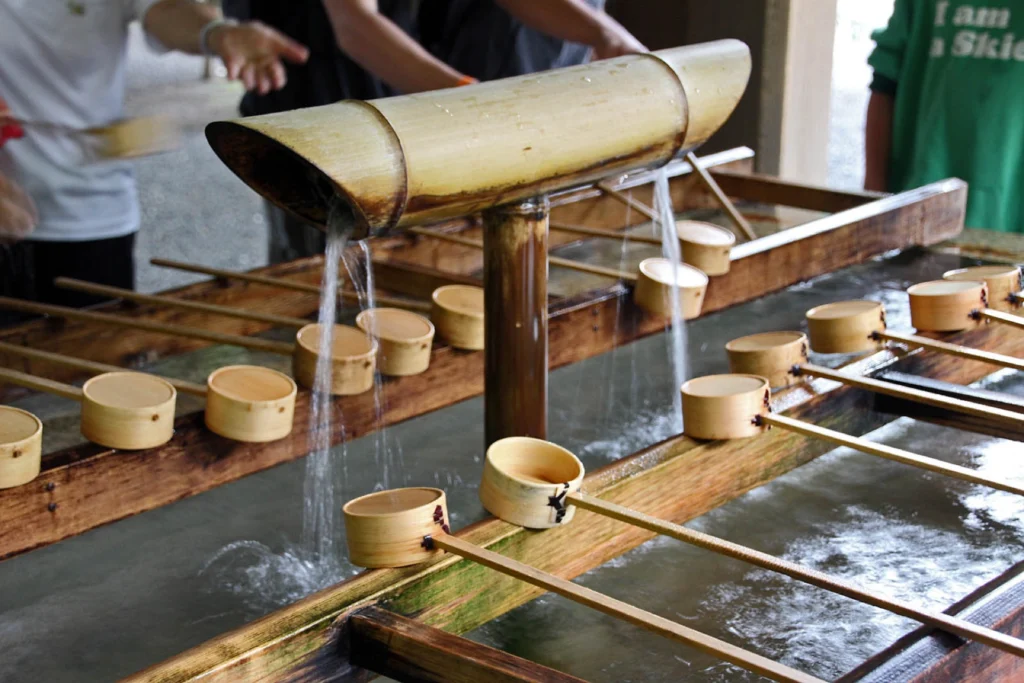
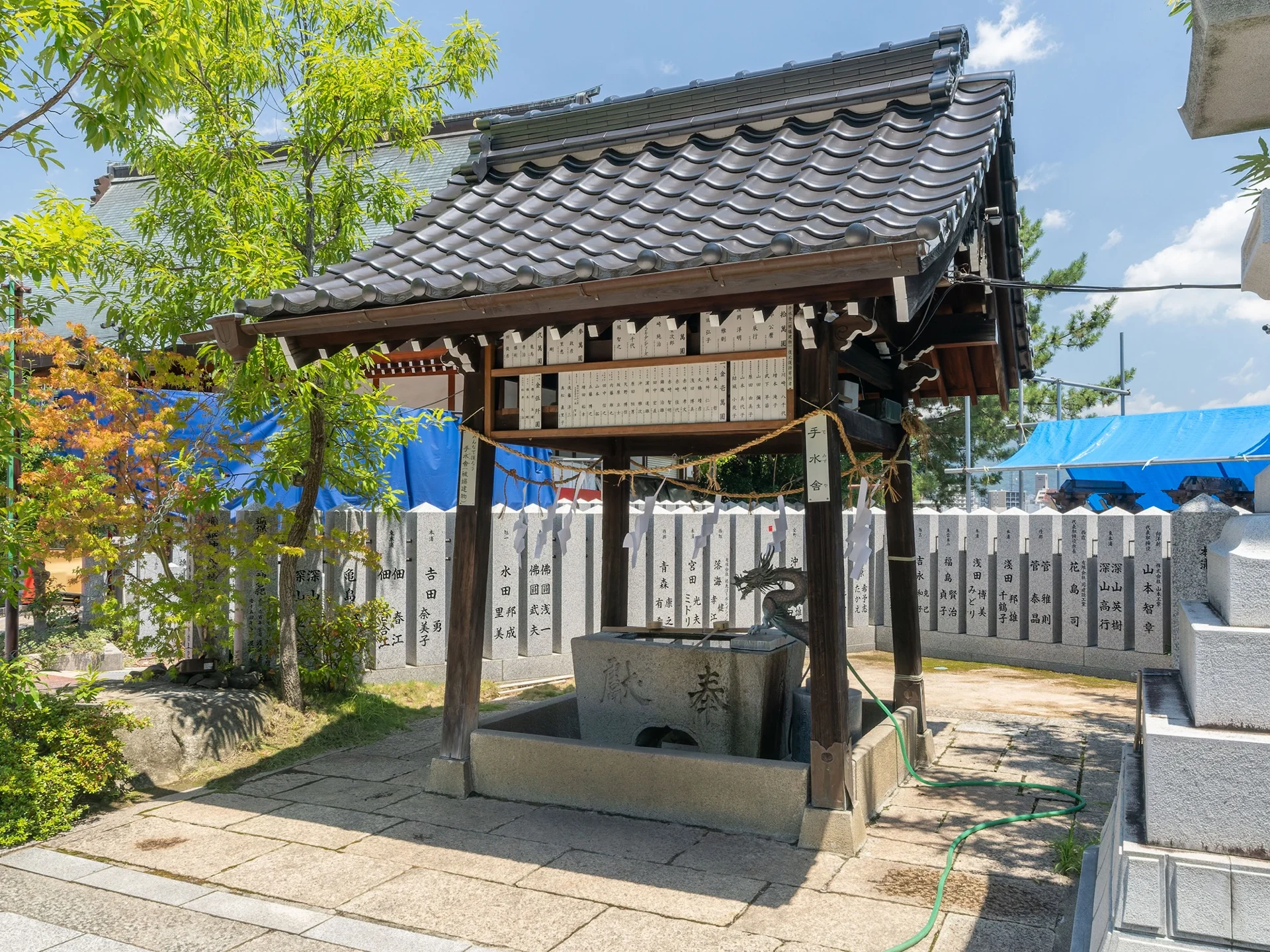
Near the entrance you will find a water basin (chozuya or temizuya) with ladles. Purify yourself here before you pray. Meiji Jingu describes it in three steps: wash your hands, rinse your mouth, and wash your hands again. In detail:
- Take a ladle in your right hand, fill it and pour water over your left hand.
- Switch hands and pour water over your right hand.
- Take the ladle in your right hand again, pour a little water into your left palm and rinse your mouth. Do not touch the ladle with your mouth, and spit the water out at the foot of the basin, not into it.
- Pour water over your left hand again, then tilt the ladle so the rest runs down the handle, and put it back.
- Some basins now have running water or no ladles. Follow the sign if there is one. It is fine to just rinse your hands.
How to pray at a shrine
Meiji Jingu’s official guide gives these steps, and you will see the same order on signs at most shrines:
- Put a coin in the offering box if you like. Any amount is fine.
- If there is a bell, you can ring it.
- Bow twice.
- Clap your hands twice. Make your wish or say thanks quietly with your hands together.
- Bow once more.
Some shrines have their own way of praying, so follow any sign you see.
How to pray at a temple
- Temples are less strict than shrines about how to pray, and you do not clap.
- Put a coin in the offering box, put your hands together quietly, bow and pray.
- Incense: many temples sell incense (osenko); put a coin in the box to buy a bundle. Light it, put out the flame by waving your hand, not by blowing on it, and waft the smoke toward you.
Photos
- Taking photos of the grounds is usually fine. Watch for signs that forbid photos, especially inside halls and of statues.
- Do not photograph people who are praying, or ceremonies, up close.
- Tripods and drones are often not allowed.
Shoes and clothing
- You may need to take off your shoes when you enter a temple hall, so wear socks you are happy to show. Look for shoe racks or plastic bags at the entrance.
- There is no strict dress code, but it is respectful to avoid very revealing clothes and to take off your hat when you pray.
Charms, fortunes and stamps
- Omamori are small charms for luck, health or safe travel, sold at the shrine or temple office. They make meaningful souvenirs.
- Omikuji are paper fortunes. Many people tie a bad fortune to the rack provided to leave the bad luck behind.
- Goshuin are hand-written stamps collected in a special book. Ask at the office and pay the fee shown. They are a record of a visit to a place of worship, not just a souvenir.
Where to try it
- Meiji Jingu and Senso-ji, Tokyo’s best-known shrine and temple, are on Day 1 and Day 2 of our 3-day Tokyo itinerary.
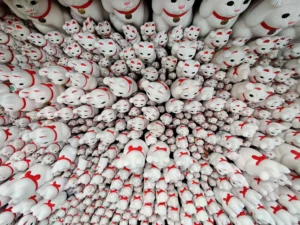
- Quieter options: Kanda Myojin, Hie Shrine, Zojoji Temple and Gotokuji Temple.
- Bring some coins for the offering box: see money in Tokyo.
Planning which ones to visit? See eight temples and shrines side by side in temples and shrines in Tokyo.
FAQ
What is the difference between a shrine and a temple?
A shrine (jinja) is Shinto and has a torii gate at the entrance. A temple (tera) is Buddhist, often with a large gate, guardian statues and incense burners.
How do I pray at a shrine?
Put a coin in the offering box if you like, bow twice, clap twice, pray quietly, then bow once more.
Do I clap at a temple?
No. At a temple you put your hands together and bow, without clapping.
How much should I put in the offering box?
Any amount is fine.
Do I need to be religious to visit?
No. Visitors are welcome, and nobody expects you to be perfect.
Related Articles
Sources
Purification and prayer steps come from Meiji Jingu and the Association of Shinto Shrines (Jinja Honcho); temple customs from the Japan National Tourism Organization (checked November 2, 2026).