Tokyo is easier to pay in than it used to be: most shops, stations and restaurants take cards or IC cards. But cash still matters in small places, and tax-free shopping now works as a refund when you leave Japan. Here is what you need to know.
Quick answer
Cards work in most hotels, department stores, chain restaurants and convenience stores.
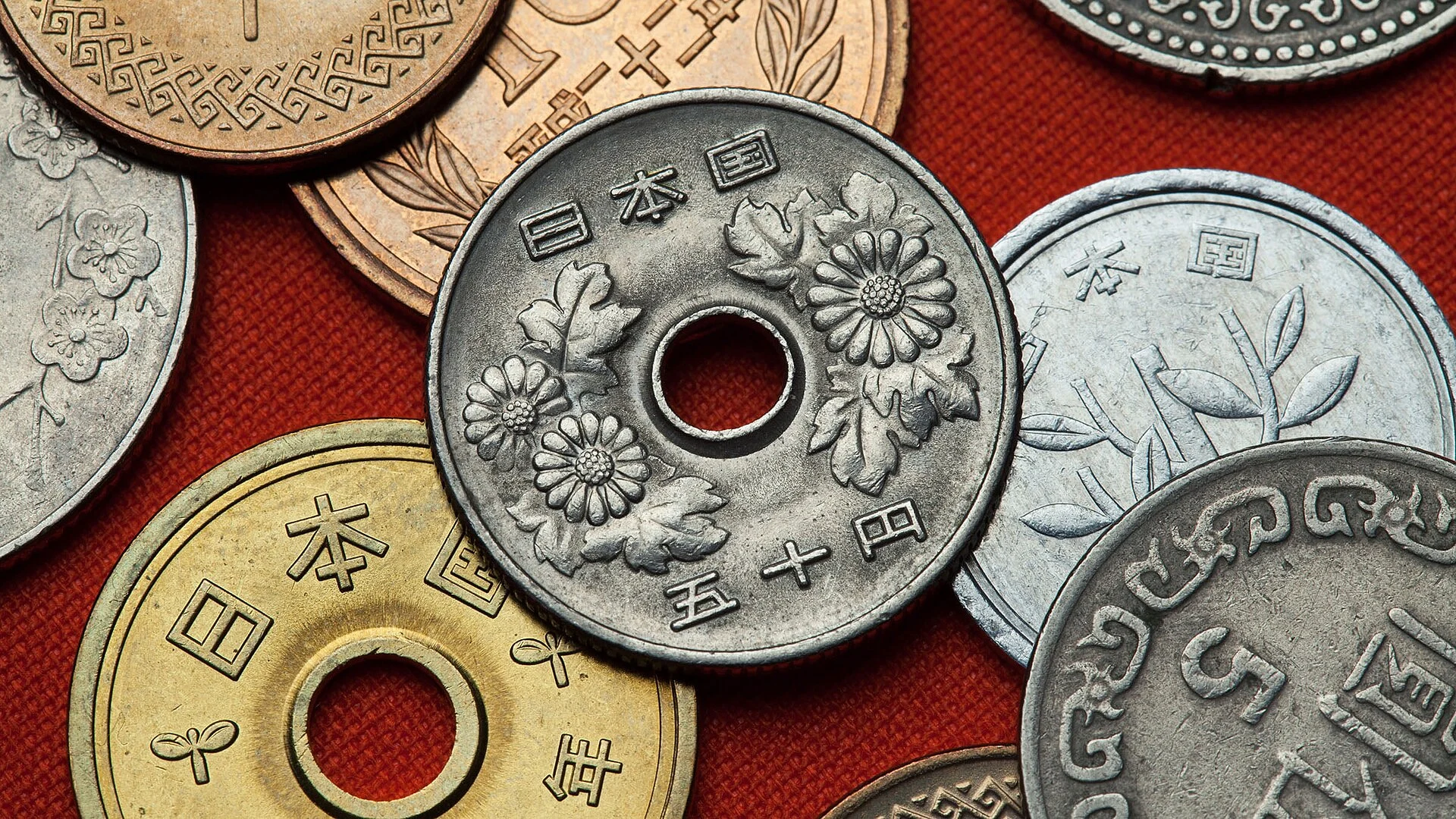
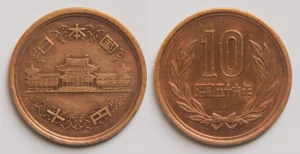
Cash is still needed at some small restaurants, market stalls, temples and shrines. Carry some yen and ¥100 coins.
ATMs: Seven Bank ATMs in 7-Eleven stores accept many overseas cards, day or night.
No tipping. Tax-free shopping is now a refund after a customs check when you leave Japan.
Cash or card?
| What to know | |
|---|---|
| Cards | Widely accepted in hotels, department stores, chain stores and convenience stores |
| Cash | Still needed at some small restaurants, market stalls, temples and shrines |
| ATMs | Seven Bank ATMs at 7-Eleven stores accept many cards issued outside Japan |
| IC cards | Suica or PASMO for trains, buses, convenience stores and vending machines |
| Tipping | Not expected |
| Tax-free | Pay the full price, then get the tax refunded after the customs check when you leave |
Small family-run restaurants, street stalls, some ticket machines and many temples and shrines only take cash, so always carry some yen. Keep some ¥100 coins for temples, shrines, lockers and vending machines. Look for card logos at the entrance or by the register before you order. If you are not sure, ask: Kādo de haraemasu ka? (Can I pay by card?). See our Japanese phrases guide.
What it was like for us
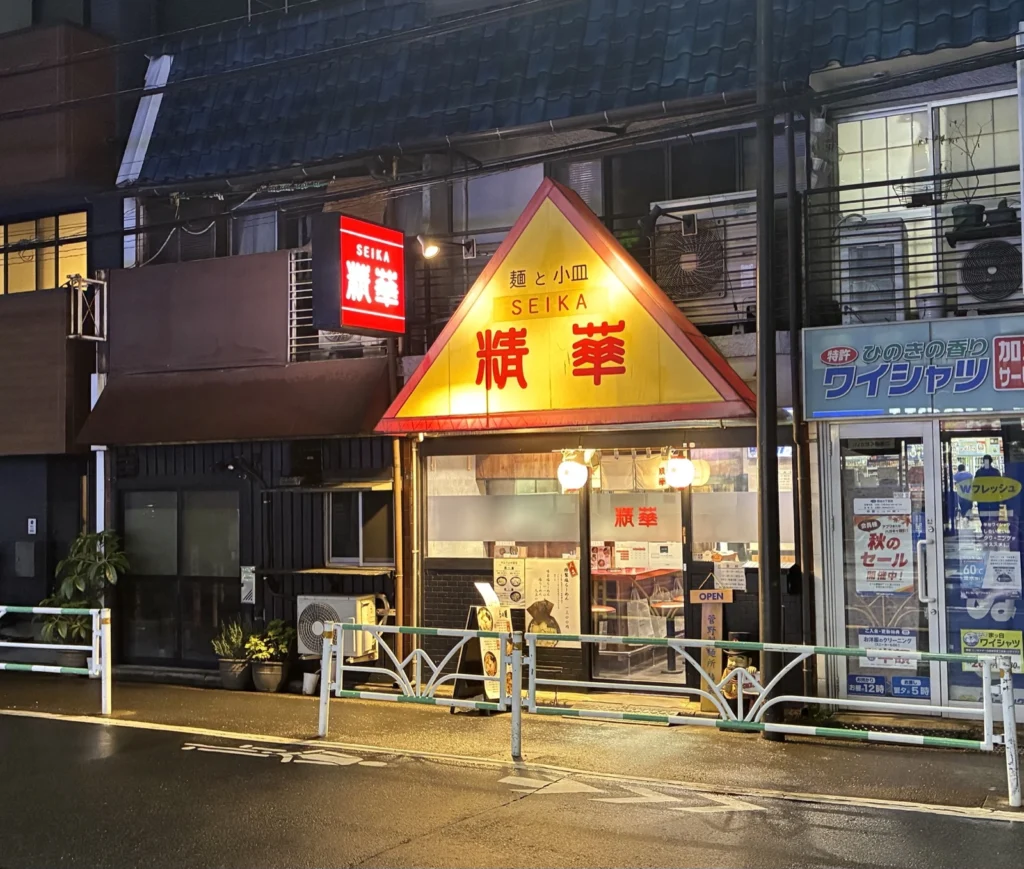
When we ate at Men to Kozara Seika, a small ramen shop in Hatsudai, payment was cash or HachiPay only, and there was no card option. Small local shops like this can be some of the most memorable meals in Tokyo, so keep enough yen for a meal with you every day. See the Seika page and how to eat out in Tokyo.
Getting cash: ATMs
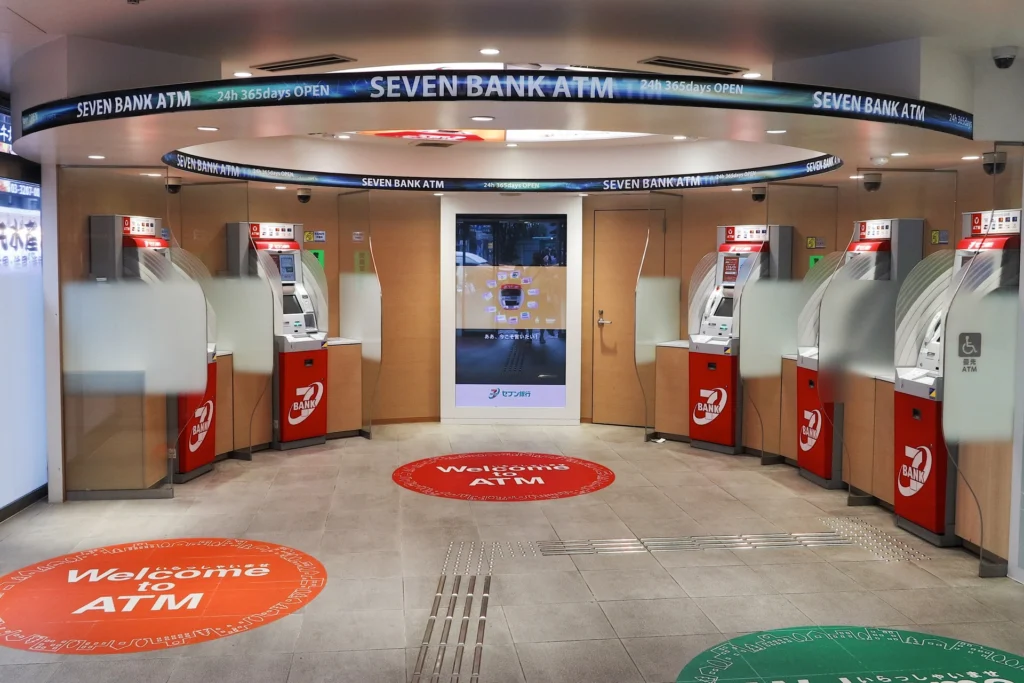
The easiest place to withdraw yen is a 7-Eleven. Their Seven Bank ATMs accept cards issued outside Japan, including Visa, Mastercard, American Express, JCB, UnionPay, Discover and Diners Club. Seven Bank notes that some cards with these logos may not be accepted. There are more than 28,000 of them in 7-Eleven stores across Japan, and you can withdraw yen day or night.
The ATM and your own bank may both charge a fee. Withdrawing a larger amount less often usually keeps fees down. For more on 7-Eleven, Lawson and FamilyMart, see our convenience store guide.
IC cards: Suica and PASMO
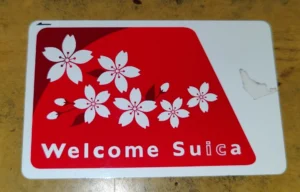
A Suica or PASMO card is a rechargeable card you tap to pay. It works on trains and buses, and in convenience stores, vending machines and many shops. You can top it up with cash at station ticket machines. iPhone users can also add Suica or PASMO to Apple Wallet. See how to use Suica.
No tipping
Tipping is not part of the culture in Japan. Good service is included in the price, and if you leave money on the table, staff may run after you to give it back. See tipping in Japan.
Tax-free shopping
Visitors can get Japan’s consumption tax back on goods bought at shops that display a tax-free sign, when they spend ¥5,000 or more (before tax) in one shop on one day. Since November 1, 2026, this works as a refund: you pay the full price first, and the tax is paid back after customs confirms that you are taking the goods out of Japan.
How it works
- At the shop, pay the full price, including tax, and show your passport. Keep the goods with you. Food, drinks and cosmetics that you use up in Japan cannot be refunded.
- When you leave Japan, use the tax-free kiosk in the international departure lobby before you check in your luggage: scan your passport. A green result means you are done; a red result means you show the goods at the customs counter.
- Do this within 90 days of the purchase date.
- The shop or its refund company then pays the tax back. How the refund is paid, for example to your card or by bank transfer, depends on the shop, so ask when you buy.
Purchases made on or before October 31, 2026 follow the old rules, where the tax was taken off at the register. For the full step-by-step, see our tax-free shopping guide.
Yen converter (guide only)
European Central Bank reference rates for Nov 10, 2026, converted through the euro. The ECB publishes these rates for information only. Your bank, card or exchange counter will use its own rate and fees.
How much cash to carry
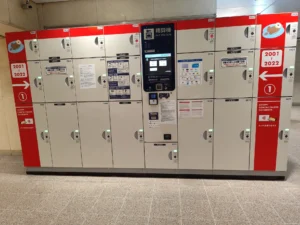
How much you need depends on where you eat and what you do. Plan your daily spending with our Tokyo travel budget, and keep enough cash for a small restaurant meal, temple visits and coin lockers. For lockers and luggage delivery, see luggage in Tokyo.
FAQ
Do I need cash in Tokyo?
Yes, some. Cards work in most hotels, department stores and chain stores, but some small restaurants, market stalls, temples and shrines only take cash.
Where can I withdraw yen in Tokyo?
At Seven Bank ATMs in 7-Eleven stores. They accept many cards issued outside Japan, day or night, though some cards may not work.
Do I tip in Japan?
No. Tipping is not part of the culture, and service is included in the price.
How does tax-free shopping work now?
Since November 1, 2026, you pay the full price, then scan your passport at the tax-free kiosk before you check in your luggage when you leave Japan. The tax is refunded after the customs check.
Related Articles

Sources
ATM information comes from Seven Bank, and tax-free rules from the Japan National Tourism Organization, the Japan Tourism Agency and the National Tax Agency (checked November 2, 2026). The Seika visit is our own. Rules, fees and systems can change, so please check before you travel.