Researched guide · Last checked: Nov 11, 2026
Kameido Tenjin Shrine is dedicated to Sugawara no Michizane, the god of learning, and is known as the “shrine of flowers”. Its main hall, cloister, heart-shaped pond and red drum bridges were laid out in 1662, modeled on Dazaifu Tenmangu in Kyushu. In spring, more than 50 wisteria plants bloom over the pond, and the shrine calls itself Tokyo’s finest spot for wisteria. This page covers the hours, the flower seasons, what to see and access.
Quick answer
Hours: The main hall gates open 6:00 to 17:00. The shrine grounds are open 24 hours.
Address: 3-6-1 Kameido, Koto City, Tokyo.
Wisteria Festival: Mid to late April, with more than 50 wisteria plants. The flowers are lit up at night during the festival when in bloom. Bloom timing changes every year.
Quick facts
| Hours | The main hall gates open 6:00 to 17:00. The shrine grounds are open 24 hours |
| Wisteria Festival | Mid to late April, with more than 50 wisteria plants. The flowers are lit up at night during the festival when in bloom. Bloom timing changes every year |
| Other flower festivals | Plum Festival from early February to early March (over 250 plum trees) and Chrysanthemum Festival from late October to mid-November (in 2026, October 25 to November 22) |
| Nearest stations | Kameido Station (JR Sobu Line) North Exit, 15 minutes on foot. Kinshicho Station (JR Sobu Line, Tokyo Metro Hanzomon Line) North Exit, 15 minutes |
| Address | 3-6-1 Kameido, Koto City, Tokyo |
| Last checked | November 2026 (on November 18) |
What to see
The wisteria trellises
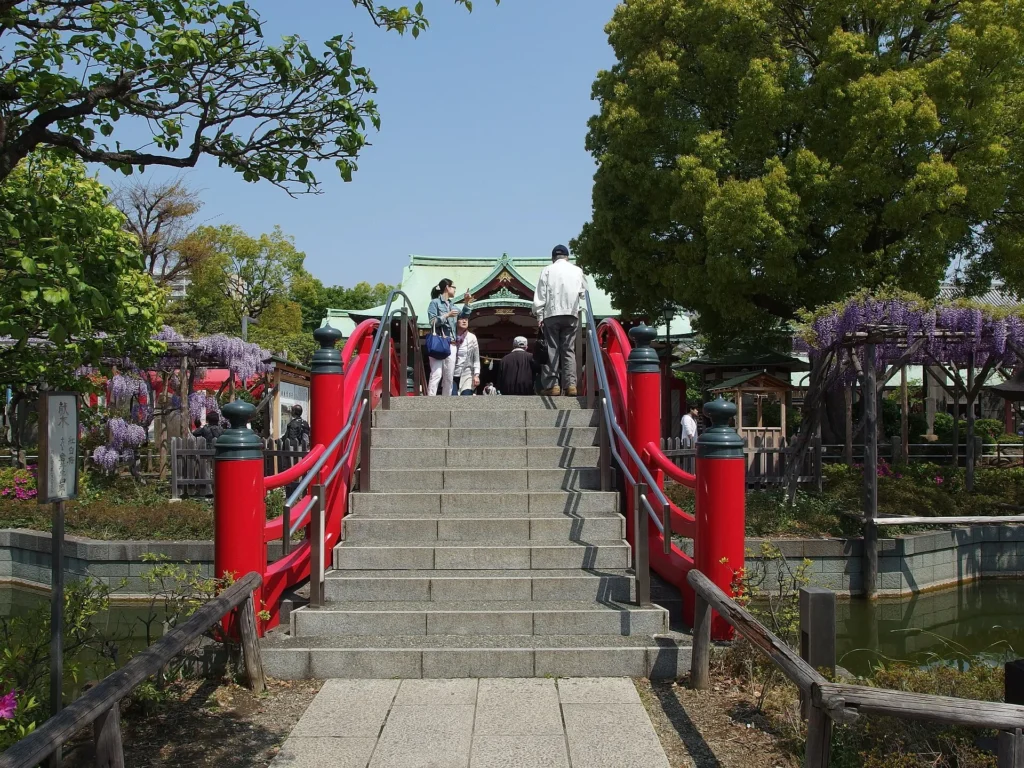
From mid-April, the wisteria trellises around the pond burst into purple flowers. The shrine says the blossoms reflected in the Shinji-ike pond and their soft scent make it Tokyo’s best-known place for wisteria. During the festival the flowers are lit up after dark when they are in bloom. The exact peak shifts from year to year with the weather, so check the shrine’s news page in early April.
Shinji-ike pond and the drum bridges
Shinji-ike is the heart-shaped pond in front of the main hall, crossed by three bridges built after the model of Dazaifu Tenmangu. The shrine explains that the three bridges stand for the past, the present and the future, and that crossing them purifies body and mind before you reach the hall. The arched red drum bridges (taikobashi) are the shrine’s most photographed spots, especially with wisteria behind them.
Around the grounds
- Hanazono-sha: a small shrine to Michizane’s wife and children, prayed to for safe childbirth and child-raising.
- Mitake-jinja: a shrine east of the main hall, for protection from fire and thunder and for good fortune in business.
- Stone monuments: there are more than 100 stone monuments in the grounds. The shrine says you can walk around the grounds in about 20 minutes.
Visiting tips
- Go early in wisteria season. The shrine warns that the flower festivals get very busy, so earlier in the day is calmer.
- Use public transport. The free parking for worshippers gets very crowded during the flower festivals.
- Photography: only the shrine’s partner photo studio can do professional photo shoots in the grounds.
- Praying: see our shrine and temple etiquette guide for how to pray.
Getting there
- Kameido Station (JR Sobu Line): 15 minutes on foot from the North Exit.
- Kinshicho Station (JR Sobu Line, Tokyo Metro Hanzomon Line): 15 minutes on foot from the North Exit.
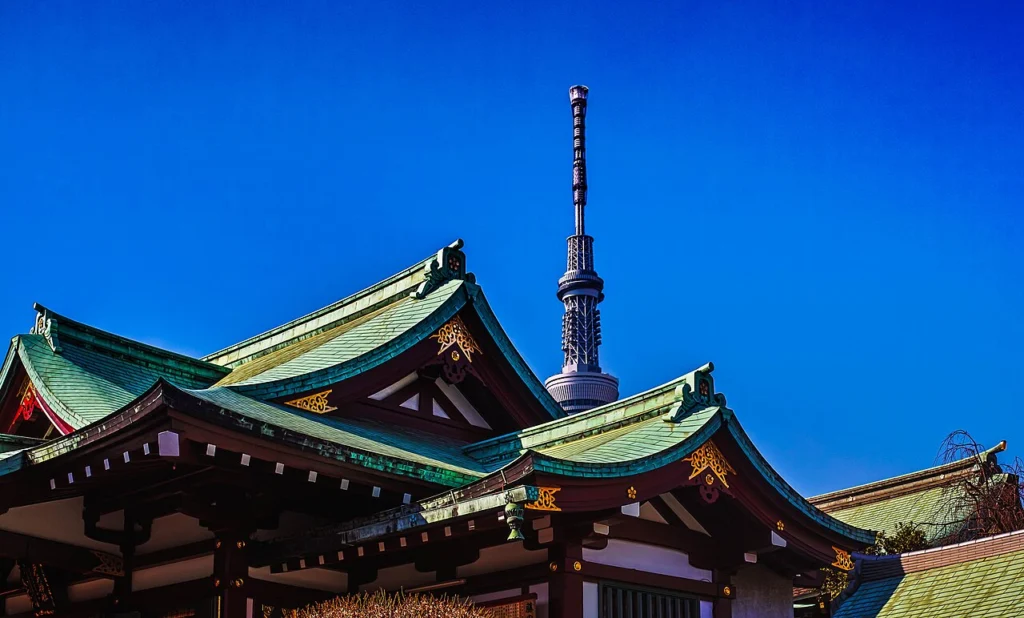
Tokyo Skytree is not far away; see our Skytree and Oshiage guide. For spring flowers elsewhere in the city, see cherry blossoms in Tokyo.
Also nearby: Kameido and Sunamachi guide
Nearby places to visit
 Tobacco and Salt MuseumAbout 1.1 km away
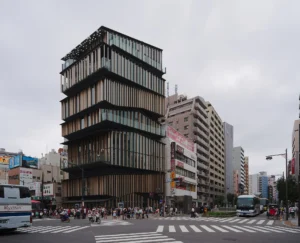 Asakusa Culture Tourist Information CenterAbout 2.4 km away
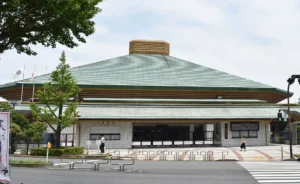 Ryogoku KokugikanAbout 2.6 km away
 Akihabara Radio KaikanAbout 4.4 km away
Distances are in a straight line, not walking routes.
Where to stay nearby
FAQ
When is the wisteria at Kameido Tenjin?
Usually mid to late April. The timing changes every year with the weather, so check the shrine’s news before you go.
What are the opening hours?
The main hall gates open from 6:00 to 17:00. The shrine grounds are open 24 hours.
Is Kameido Tenjin free?
The shrine does not list an admission fee for visiting the grounds. Prayers and charms have their own fees.
What do the three bridges mean?
The shrine says the three bridges over the Shinji-ike pond stand for the past, the present and the future, and crossing them purifies you before you reach the hall.
How do I get to Kameido Tenjin?
Walk 15 minutes from the North Exit of Kameido Station or Kinshicho Station.
In April: see the Kameido Tenjin Wisteria Festival for previous dates and tips.
In Kameido, REIROH Japanese Classical Music offers a 50-minute beginner shakuhachi (bamboo flute) lesson. See our shakuhachi lesson guide.
Keep reading
Visit time and year-end hours: the shrine says it takes about 20 minutes to walk around the grounds. On December 31 the main hall gate opens at 6:00 and on New Year’s Day it closes at around 21:00, depending on how many people are visiting. During the Wisteria Festival the shrine lights up the flowers at night, depending on when they bloom.
Sources
This page is based on the shrine’s official site, not on our own visit. Last checked: November 2026 (on November 11, 2026). Flower timing changes every year, so please check before you go.