Researched guide · Last checked: Nov 17, 2026
The shakuhachi is a Japanese bamboo flute. In Tokyo, REIROH Japanese Classical Music offers a 50-minute shakuhachi lesson for beginners with a Tozan-ryu master, and the operator says English translation is provided on the day. This guide uses the operator’s own page for the time, price, places and booking steps.
Quick answer
REIROH’s shakuhachi lesson takes 50 minutes and costs 115 USD per person on the operator’s page. The page does not say whether tax is included. Shakuhachi rental is free, and the instructor is Kaizan Harago, a master of the Tozan school (Tozan-ryu).
Groups of 1 or 2 meet at a classroom in Kameido, and groups of 3 or more meet at a Noh stage in Sendagi. You apply through an online form, get an acceptance email, and pay by PayPal. We could not see a calendar or a cancellation rule, so ask before you book.
| Operator | REIROH Japanese Classical Music (its own online shop page) |
| Teacher | Kaizan Harago, Tozan-ryu shakuhachi master and member of PRO MUSICA NIPPONIA, per the operator’s page |
| Where | 1 or 2 people: Kameido Classroom (Koto-ku). 3 or more: a Noh stage in Sendagi (Bunkyo-ku) |
| Time | 50 minutes |
| Price | 115 USD per person (the page does not say whether tax is included) |
| Group size | Up to 6 people, all at the same level |
| Included | Free shakuhachi rental, per the operator’s terms |
| Extra cost | 1 or 2 people can upgrade to the Noh stage for 80 USD per group |
| Language | English translation is provided on the day, per the operator |
| Booking | Online application form, then an acceptance email. Payment by PayPal |
| Last checked | November 2026 (on November 17, 2026) |
What Is the Shakuhachi?
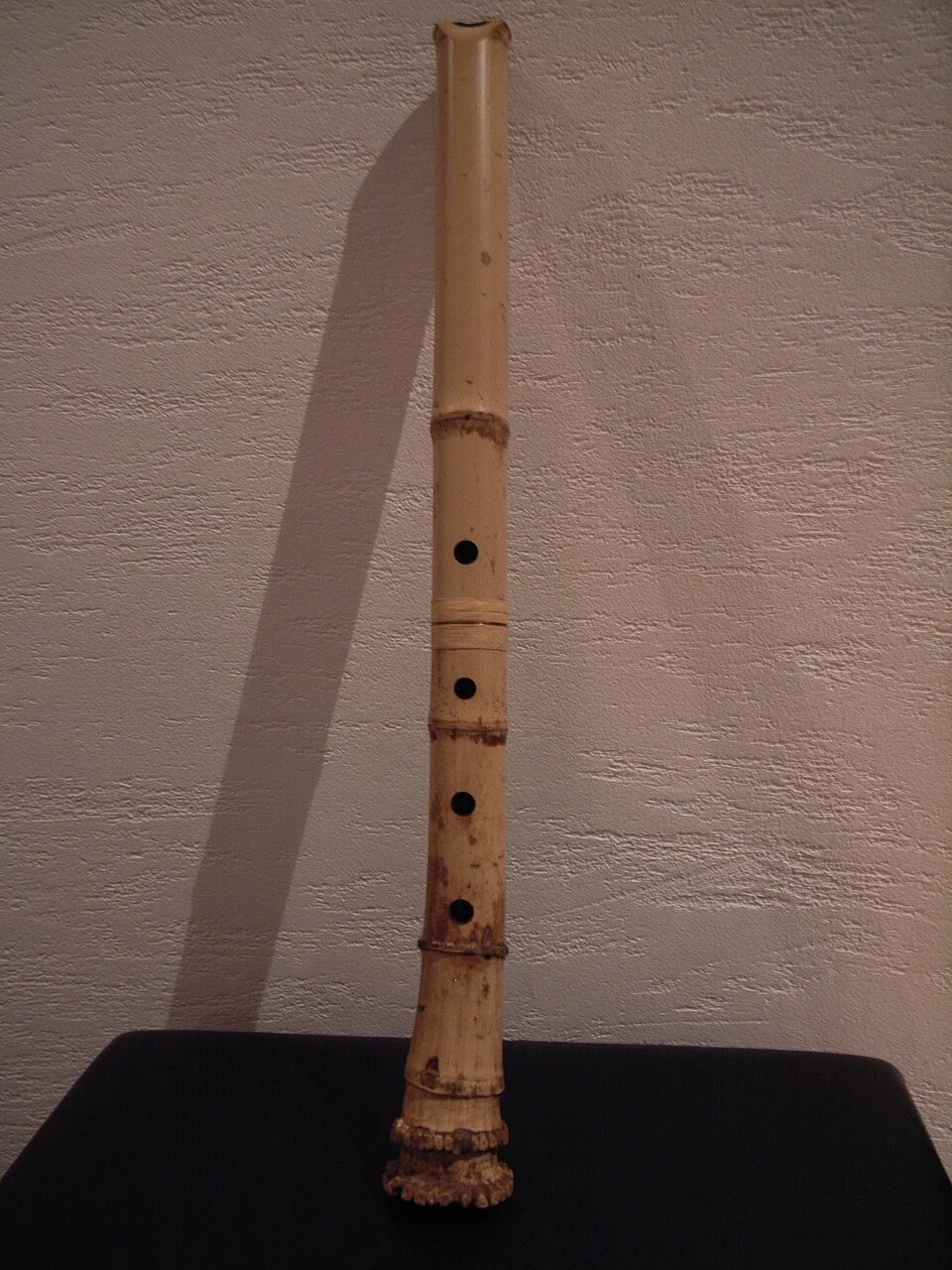
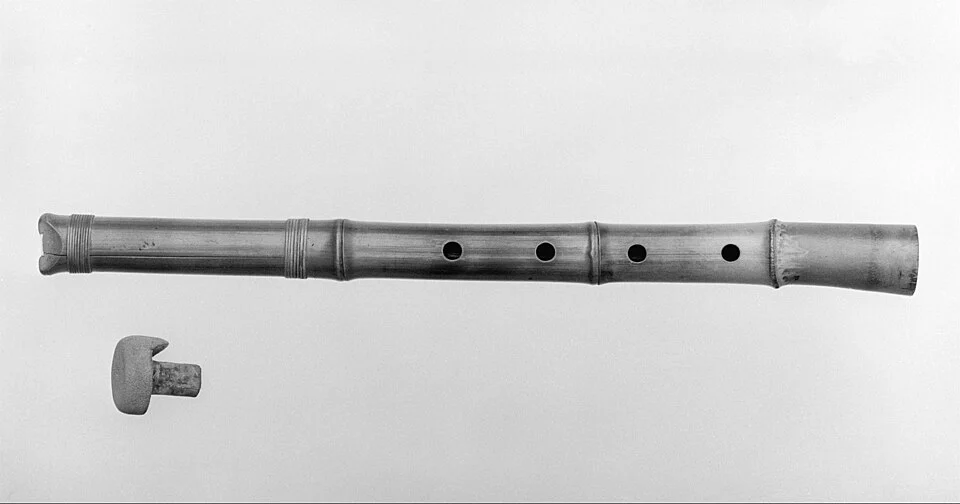
The shakuhachi is a Japanese end-blown flute made of bamboo. You hold it upright and blow across the open top end. The operator says its lesson suits people who want to try the instrument, get advice on their playing, or learn a piece of classical Japanese music.
What You Do in the Lesson
- Try the shakuhachi for the first time, with the teacher showing you step by step.
- Ask for advice on your playing if you already play.
- Learn a piece of classical Japanese music, if you ask for it.
- The teacher is a master of the Tozan school (Tozan-ryu). The operator says the Kinko school (Kinko-ryu) is also possible, depending on your request.
The operator’s page does not give a lesson plan or say how many sounds beginners usually make in 50 minutes, so we do not promise a result. Ask the operator when you apply if you have a goal.
Where the Lesson Takes Place
- 1 or 2 people: Kameido Classroom in Kameido, Koto-ku. It is a 5-minute walk from Kameido Station (JR Sobu Line and Tobu Kameido Line). The operator says Kameido is about 20 minutes from JR Tokyo Station.
- 3 or more people: a Noh stage in Sendagi, Bunkyo-ku. It is a 5-minute walk from Sendagi Station (Chiyoda Line). Groups of 3 or more are moved there automatically.
- Smaller groups: 1 or 2 people can choose the Noh stage for a flat 80 USD per group.
- Other places: the operator says lessons elsewhere in the Tokyo area are possible if you ask.
The full address is sent in the acceptance email, and you go to the place directly on the day.
Price and Rules
- Price: 115 USD per person. The operator’s page does not say whether tax is included, so confirm the final amount before you pay.
- Shakuhachi rental is free.
- A group can have up to 6 people. Everyone in a group must be at the same level.
- Advanced players must take individual lessons.
- Payment is by PayPal after you receive the acceptance email.
How to Book
- Open the operator’s page: Experience the Shakuhachi by Kaizan Harago.
- Send the online application form linked on that page.
- Read the acceptance email you receive. The operator says to check its contents.
- Pay by PayPal as the email explains.
- Go to the address given in the email on the day.
The page does not show open dates, so tell the operator your preferred dates in the form. It does not state a cancellation rule in the text we read. It links to a refund policy that we did not read, so check that policy before you pay.
Shakuhachi or Shamisen?
Both are Japanese instruments that tourists can try. The shakuhachi is a bamboo flute you blow. The shamisen is a three-stringed instrument you pluck. For the shamisen, see our shamisen lesson guide. For other hands-on traditions, see craft workshops in Tokyo and Japanese dance experience.
Before You Book: What We Could Not Confirm
- Open dates and times (the page has no calendar).
- Whether the 115 USD price includes tax.
- The cancellation and refund rules (a refund policy is linked, but we did not read it).
- The exact addresses (sent by email after acceptance).
- Any age limit (the page does not state one).
If your lesson is in Kameido, you can also read our guide to Kameido Tenjin Shrine, which is in the same Kameido area.
FAQ
How long is the shakuhachi lesson?
The operator lists 50 minutes.
How much does it cost?
The operator lists 115 USD per person. The page does not say whether tax is included. Moving a group of 1 or 2 to the Noh stage costs 80 USD per group.
Do I need to bring a shakuhachi?
No. The operator says shakuhachi rental is free of charge.
Is the lesson in English?
The operator says the teacher teaches carefully and that English translation is provided on the day.
Where is the lesson?
Groups of 1 or 2 use a classroom in Kameido, Koto-ku, and groups of 3 or more use a Noh stage in Sendagi, Bunkyo-ku. The full address comes in the acceptance email.
How do I book?
Send the online application form from the operator’s page, read the acceptance email, and pay by PayPal.
Can I take the lesson in another part of Tokyo?
The operator says lessons at other places in the Tokyo area are possible if you ask.
Keep reading


Sources
Facts come from the operator’s official English page, read on November 17, 2026. Prices, places and rules can change, so please check before you go.