Researched guide · Last checked: Nov 15, 2026
In a craft workshop you make a traditional Japanese object with your own hands, usually with help from a craftsperson, and take it home as a souvenir. This page lists the 37 craft workshops we cover in Tokyo, from paper and glass to dolls and dyed cloth. Each entry gives the price, time and area from our full guide, with a link to it. For samurai, food classes, cruises and other activities, see our guide to experiences in Tokyo.
Quick answer
Short and low-cost: letterpress printing at the Printing Museum (about 30 minutes, free with a ¥500 museum ticket) and washi (Japanese paper) making in Nihonbashi (about 45 minutes, from ¥1,000).
Classes in English: our pages for pottery, calligraphy, indigo dyeing, kumihimo, incense and traditional kintsugi list English. For the others, check the language on each full guide.
Take it home: most workshops let you take your piece home the same day. Pottery is fired and ready within 1 month.
Book ahead: almost every workshop needs a booking. Prices and times come from each full guide. Check before you go.
Looking for more than crafts? Experiences in Tokyo groups all our experience guides by type: samurai and ninja, tea ceremony, food classes, city adventures and views.
At a glance
| Craft | Area | Price (from our guide) | Time | English (if our guide says) |
|---|---|---|---|---|
| Washi papermaking | Nihonbashi | From ¥1,000 | About 45 min | Not stated |
| Letterpress printing | Bunkyo (Edogawabashi) | Free with museum ticket (adults ¥500) | About 30 min | Not stated |
| Calligraphy (shodo) | Shinjuku | From about US$26 (Klook) | 90 min | English and Japanese |
| Tenugui dyeing | Katsushika (Tateishi) | ¥6,600 weekdays; ¥8,800 weekends | 2 hours | Interpreter +¥2,200 |
| Edo komon stencil dyeing | Shinjuku (Waseda, Nakai) | ¥3,000–¥5,000; ¥4,840 | 1.5–2.5 hours | Tomita: Japanese only |
| Indigo dyeing (aizome) | Near Asakusa (Iriya) | ¥2,500–¥9,980 | 60–90 min | Japanese and English |
| Kumihimo braiding | Kagurazaka | About US$76 (Klook) | About 2 hours | English-speaking staff |
| Edo furin wind chime | Edogawa (Mizue) | ¥1,800 or ¥2,400 | 60–90 min | Not stated |
| Edo kiriko glass cutting | Sumida (Kinshicho) | Adults ¥5,000 plus tax | 90 min | Listed by GO TOKYO |
| Kimekomi doll making | Mukojima, near Skytree | From ¥2,970 | 40 min–1.5 hours | Basic help (see guide) |
| Cloth daruma making | Chofu (Jindaiji) | Adults ¥6,600 | 1.5–2 hours | A little English |
| Amezaiku candy craft | Asakusa | Adults ¥3,100 | 1.5–2 hours | English video and notes |
| Food sample making | Kappabashi, Asakusa | ¥3,300; from about US$39.59 | 40 min–1 hour | Asakusa cafe: English staff |
| Pottery | Asakusabashi | ¥6,500 or ¥7,500 | About 1.5 hours | English, Japanese or Chinese |
| Kintsugi | Asakusa | ¥6,600 or ¥22,000 | 60–90 min | Traditional class in English |
| Bonsai | Edogawa (Niihori) | ¥12,000 plus tax | About 1 hour | Not stated |
| Incense making | Asakusa | About US$50 (Klook) | 1 hour–1 hour 40 min | English and Japanese |
| Leather craft | Taito (Kuramae) | From ¥2,900 | About 1 to 1.5 hours | Not stated |
| Silver craft (Tokyo ginki) | Taito (Senzoku) | Not listed by the workshop | About 60 to 240 min | Not stated |
Klook prices are shown in US dollars and change with the date and currency.
Paper, printing and writing
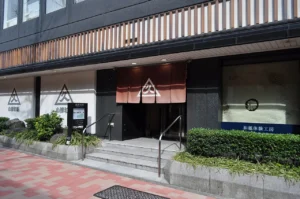
Washi papermaking at Ozu Washi (Nihonbashi)
- Washi is traditional Japanese paper made from tree bark fiber. You make one A4 sheet by hand, from scooping to drying.
- About 45 minutes, from ¥1,000 per sheet. Sessions Tuesday to Saturday. You take the paper home the same day.
- 2 minutes from Shin-Nihombashi Station (JR Sobu Line), Exit 5.
- Full guide: prices, times and booking.
Letterpress printing at the Printing Museum (Bunkyo)
- Set small metal letters (type) and print a card or bookmark on a small press. The item changes with the season.
- About 30 minutes, up to 6 people. Free with a museum ticket (adults ¥500). Book online; phone bookings are not accepted.
- 8 minutes on foot from Edogawabashi Station, Exit 4.
- Full guide: prices, times and booking.
Calligraphy in Shinjuku
- Shodo means writing with a brush and ink. A calligrapher turns your name into kanji (Chinese characters used in Japanese), and you write it yourself.
- 90 minutes, from about US$26 on Klook. The workshop is in English and Japanese.
- Full guide: prices, times and booking.
Dyeing and braiding
Tenugui dyeing in Katsushika
- A tenugui is a thin cotton hand towel. You dye one with chusen, a method where dye is poured through the cloth.
- 2 hours, ¥6,600 on weekdays and ¥8,800 on weekends and holidays. Minimum 2 people, ages 10 and over. Book by email at least 3 business days ahead.
- English interpretation costs ¥2,200 extra. About 8 minutes on foot from Keisei Tateishi Station.
- Full guide: prices, times and booking.
Edo komon stencil dyeing in Shinjuku
- Edo komon is kimono fabric with tiny patterns, made by putting paste through a paper stencil before dyeing.
- Tomita Dye Crafts (weekdays): a tote bag for ¥3,000 that you take home the same day. Its experience is in Japanese only.
- Some no Sato Ochiai (weekends): a table runner in Edo sarasa style for ¥4,840, about 2 to 2.5 hours.
- Full guide: prices, times and booking.
Indigo dyeing (aizome) near Asakusa
- Aizome is Japanese indigo dyeing. At Wanariya you dye a handkerchief, tenugui, T-shirt or stole and take it home.
- About 60 to 90 minutes, ¥2,500 to ¥9,980 depending on the item. Staff speak Japanese and English.
- About 8 minutes on foot from Iriya Station.
- Full guide: prices, times and booking.
Kumihimo braiding in Kagurazaka
- Kumihimo is the craft of braiding silk threads into cords. At Domyo, a braiding company founded in 1652, you make a silk strap, key chain or bracelet.
- About 2 hours, about US$76 per person on Klook. Ages 7 and up. English-speaking staff.
- Full guide: prices, times and booking.
Glass
Edo furin wind chime making in Edogawa
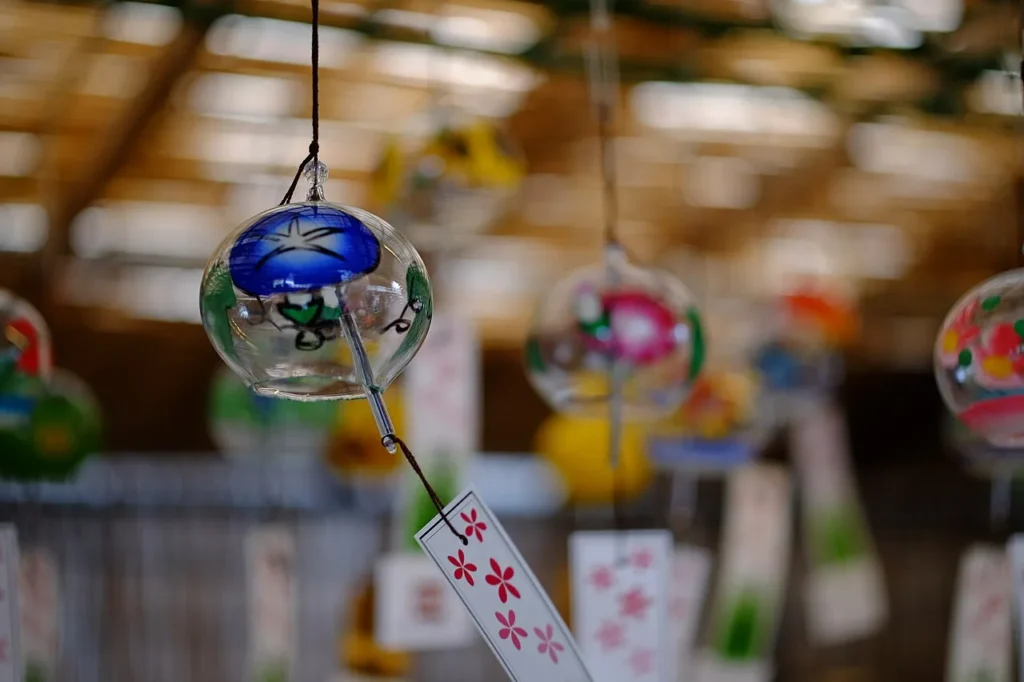
- An Edo furin is a glass wind chime. At Shinohara Furin Honpo, a workshop since 1915, you paint a ready-made chime, or blow the glass with a craftsman’s help and then paint it.
- Painting only ¥1,800; blowing and painting ¥2,400. About 60 to 90 minutes. You take it home the same day.
- Dates are set each month (in November 2026, Saturdays only). About 15 minutes on foot from Mizue Station.
- Full guide: prices, times and booking.
Edo kiriko glass cutting in Sumida
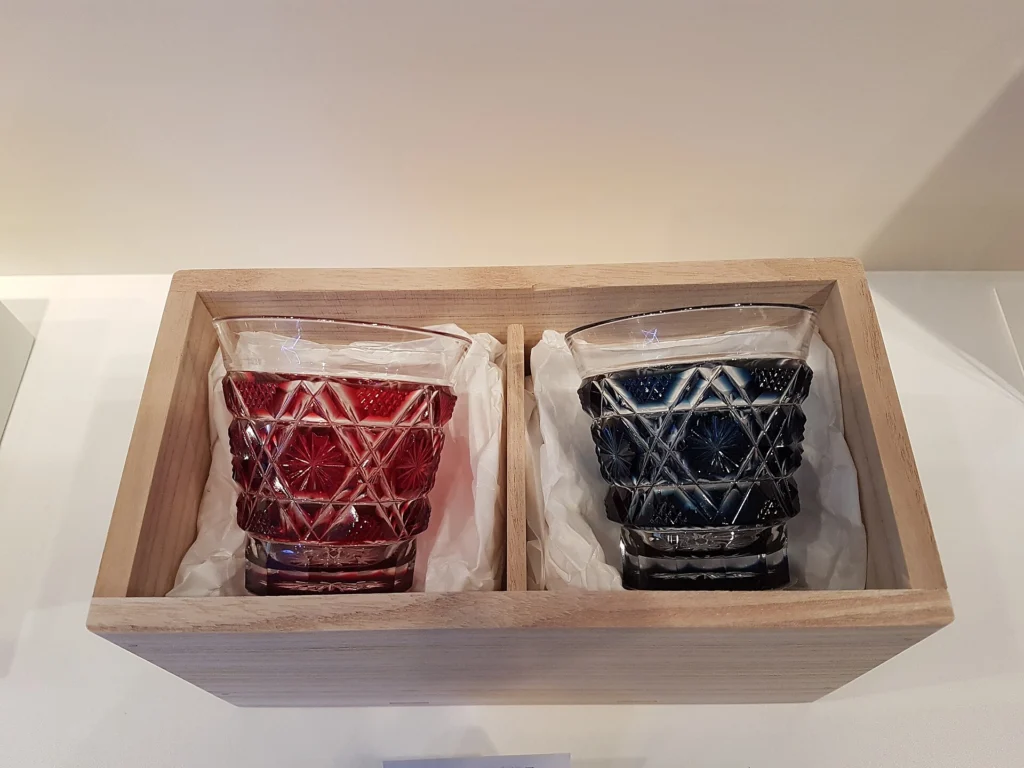
- Edo kiriko is Tokyo’s traditional cut glass. At Sumida Edo Kiriko Kan you cut a pattern into a glass and take it home the same day.
- Adults 90 minutes, ¥5,000 plus tax; elementary students 60 minutes, ¥2,500 plus tax.
- About 6 minutes on foot from Kinshicho Station. The official page does not mention English; GO TOKYO lists English for the facility.
- Full guide: prices, times and booking.
Dolls, candy and food models
Kimekomi doll making near Tokyo Skytree
- Kimekomi is a doll-making method: fabric is tucked into grooves cut in the doll’s body. Edo kimekomi dolls are a traditional craft of Tokyo.
- At Tsukada Workshop: a small ball strap (40 minutes to 1 hour, ¥2,970 per person for 1 to 4 people), or a sumo wrestler doll (1 hour 30 minutes, ¥22,000 on GO TOKYO’s ticket site).
- About 8 minutes on foot from Oshiage Station. The studio replies in English with Google Translate.
- Full guide: prices, times and booking.
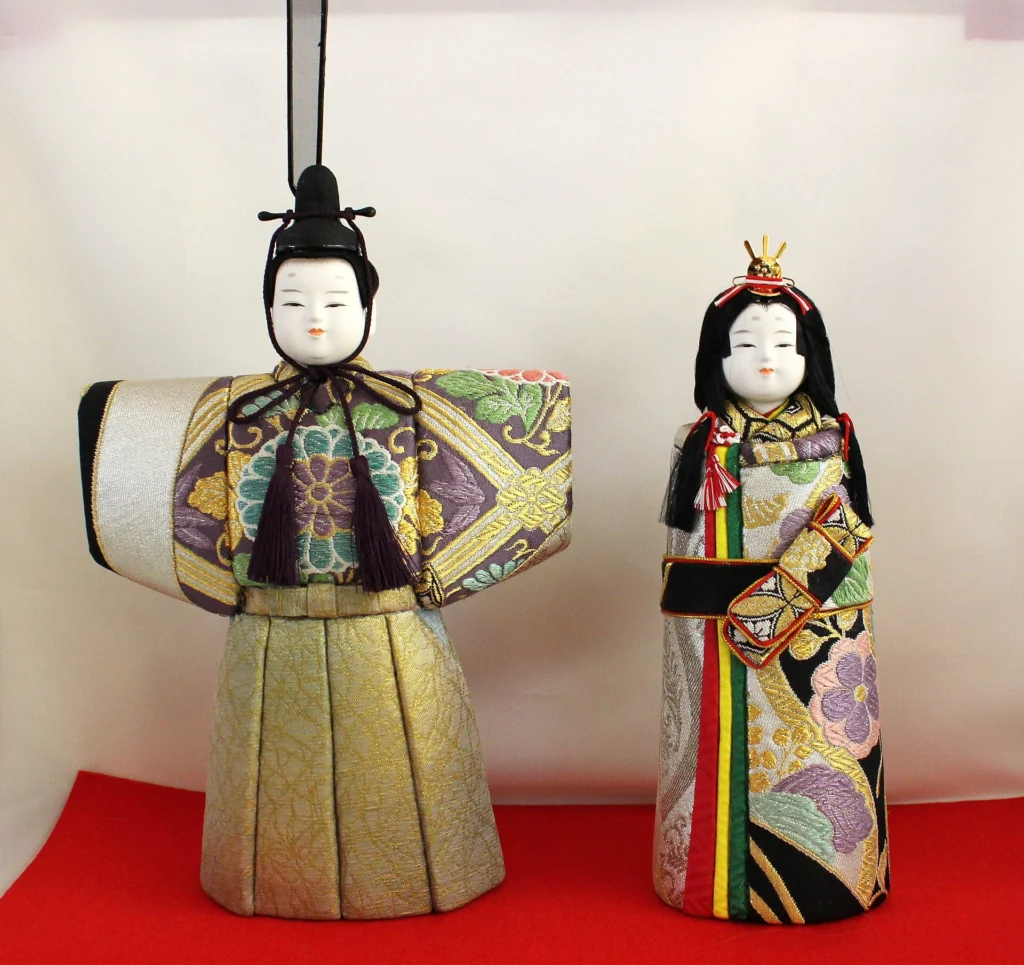
Cloth daruma making near Jindaiji Temple
- Daruma are round good-luck dolls. You write a wish on one, cover it with old kimono and yukata fabric, and draw its face.
- About 1.5 to 2 hours. Adults ¥6,600, children ¥5,500 (official booking plan). Book at least 24 hours ahead.
- Daruchan no Ouchi is by the Jindaiji-iriguchi bus stop, reached by bus from Chofu, Kichijoji or Mitaka Station.
- Full guide: prices, times and booking.
Amezaiku candy craft in Asakusa
- Amezaiku is shaping soft, hot candy into animals with your hands and scissors. At Ameshin you make a candy rabbit.
- About 1.5 to 2 hours. Adults ¥3,100, children ¥2,500. Mainly in Japanese, with an English-subtitled video and written English instructions.
- About 7 minutes on foot from Asakusa Station. You can eat your rabbit or take it home.
- Full guide: prices, times and booking.
Food sample making in Kappabashi and Asakusa
- Food samples are the model dishes in Japanese restaurant windows.
- Ganso Shokuhin Sample-ya, Kappabashi: about 40 minutes, ¥3,300, two pieces of tempura and a lettuce. Explanations are in Japanese with some English words.
- A food sample cafe in Asakusa: about 1 hour, from about US$39.59 on Klook, with English-speaking staff.
- Full guide: prices, times and booking.
Pottery and kintsugi
Pottery in Asakusabashi
- At Parts Studio Tokyo you try the potter’s wheel (¥7,500) or hand-building (¥6,500). About 1.5 hours, in English, Japanese or Chinese.
- The studio glazes and fires your piece. It is ready within 1 month, and shipping is available for a fee.
- 2 minutes from Asakusabashi Station.
- Full guide: prices, times and booking.
Kintsugi in Asakusa
- Kintsugi is repairing broken pottery with lacquer and gold. Check the method: traditional kintsugi uses urushi (natural Japanese lacquer); “kintsugi-style” uses resin and a brass-colored finish.
- At Tsugu Tsugu: traditional workshop ¥22,000 (90 minutes, ages 13 and older, taught in English); kintsugi-style ¥6,600 (60 minutes, ages 6 and older).
- Full guide: prices, times and booking.
Bonsai and incense
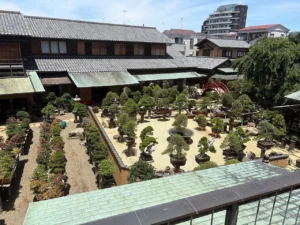
Bonsai at Shunkaen Bonsai Museum (Edogawa)
- Bonsai is growing a small tree in a pot. After a short talk on the basics, you make your own bonsai to take home.
- About 1 hour, ¥12,000 per person plus tax, cash only, museum admission included. Tuesday, Thursday and Saturday. Book at least 4 days ahead.
- Full guide: prices, times and booking.
Incense making in Asakusa
- Blend mostly plant-based ingredients into your own scent at Uzumakido, a small incense shop. Make sticks or cones to burn, or neriko (kneaded incense) to heat gently.
- 1 hour to 1 hour 40 minutes, about US$50 per person on Klook. Ages 7 and up, groups of 1 to 5. English and Japanese.
- Full guide: prices, times and booking.
Leather and metal
Leather craft in Kuramae
- THOROUGH BRACE runs the Kuramae Leather Class on Saturdays, Sundays and public holidays. Items start at ¥2,900 (card case), and most take about 1 to 1.5 hours.
- Cancelling after 6 PM two days before costs 100%. English teaching is not stated.
- Full guide: prices, times and booking.
Silver craft in Taito
- Nisshin Kikinzoku teaches Tokyo ginki silverware: a ring takes about 90 minutes and a bangle about 120 minutes. Reservation only. The workshop does not list prices, and its page is in Japanese.
- Full guide: courses, booking and cancellation.
How to choose
- Short on time: letterpress (about 30 minutes), kimekomi ball strap (40 minutes to 1 hour) or washi (about 45 minutes).
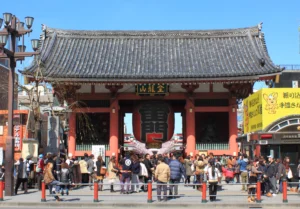
- Staying near Asakusa: amezaiku, incense, kintsugi and the Asakusa food sample cafe are in Asakusa. Indigo dyeing (Iriya), Kappabashi and pottery (Asakusabashi) are close. See our Asakusa guide.
- Near Tokyo Skytree: kimekomi (Mukojima) and Edo kiriko (Kinshicho) are both in Sumida. See the Skytree and Oshiage guide.
- Flying home soon: pottery is ready within 1 month, and Tomita’s small cloth and fukusa take about 4 weeks. Most other pieces go home with you on the day.
- Rainy day: all of these workshops are indoors. See more rainy day ideas in Tokyo.
- Group size: classes are small, and some have a minimum (tenugui needs at least 2 people). Book early.
More craft workshops
- Mizuhiki Accessory Making in Asakusa: Currently closed. Pink. ASAKUSA closed its Asakusa shop for a move, and the mizuhiki class is not available. A reopening is planned; the date is to be announced.
- Chopstick Making Workshop in Tokyo: You can make chopsticks in about one hour in Asakusa or Shinjuku, from 1,100 yen per person.
- Furoshiki Wrapping Workshop in Tokyo: Furoshiki is a square Japanese cloth for wrapping and carrying things.
- Maki-e Experience in Nihonbashi, Tokyo: Maki-e is the Japanese craft of decorating lacquerware with gold or silver powder.
- Gamaguchi Making Workshop in Asakusa, Tokyo: The Gamaguchi Pouch Workshop at Seikyodo costs 9,000 yen per person, tax included, and takes about 1 hour.
- Tsumami Zaiku Workshop in Tokyo: The trial lesson is 60 USD per person on the operator’s page (a party ticket is listed at 50 USD per person).
- Moss Terrarium Workshop in Tokyo: The beginner workshop at Terrariums Shibuya (Shibuya Hikarie ShinQs, 5th floor) costs 5,500 yen with tax and takes 90 minutes.
- Sandblast Glass Engraving in Tokyo: The classroom’s visitor course is 8,000 yen (tax included) for about 100 minutes, with English support, on weekdays at 10:00 and 13:00.
- Perfume Making in Tokyo: Ann Fragrance’s perfume experience takes about 50 minutes.
- Tombo-dama Glass Bead Making in Tokyo: Glass Studio Briller in Koenji offers a burner-work experience from 4,000 yen, tax included.
- Ukiyo-e Woodblock Printing Experience in Tokyo: The class at Ozu Washi in Nihonbashi is run by Takumi Woodblock Print Studio.
- Knife Sharpening Class in Kappabashi, Tokyo: Heads-up: the class is taught in Japanese only.
- Hanko in Tokyo: Hanko Land Tokyo makes “Dual Hanko” seals with your name in both kanji and English.
More hands-on experiences
Not a craft, but also hands-on: wagashi (Japanese sweets) making, soba noodle making and tea ceremony. For everything else, go to experiences in Tokyo. To buy finished crafts instead, see Tokyo souvenirs and shopping and the Kuramae guide.
Also see: Glassblowing in Tokyo: Nihonbashi Hari Kobo Prices, Times and Pickup · Origami Class in Tokyo: Drop-in English Lessons at Origami Kaikan · Fan Painting Workshop in Tokyo: Decorate a Japanese Fan at Ibasen
FAQ
Where can I try traditional Japanese crafts in Tokyo?
Workshops are spread across the city: Asakusa (amezaiku, incense, kintsugi), Nihonbashi (washi), Bunkyo (letterpress), Shinjuku (calligraphy, Edo komon), Kagurazaka (kumihimo), Sumida (Edo kiriko, kimekomi), Edogawa (wind chimes, bonsai), Katsushika (tenugui) and Chofu (daruma).
Which craft workshops are in English?
Our guides list English for pottery, calligraphy, indigo dyeing, kumihimo, incense and the traditional kintsugi workshop. Tenugui dyeing offers an interpreter for ¥2,200. Tomita’s Edo komon experience is in Japanese only.
How much does a craft workshop cost in Tokyo?
On our list, from free with a ¥500 museum ticket (letterpress) and ¥1,000 (washi) up to ¥22,000 (traditional kintsugi or the kimekomi sumo doll).
Can I take my craft home the same day?
Usually yes: for example washi, wind chimes, Edo kiriko and indigo dyeing. Pottery is fired by the studio and ready within 1 month, with shipping for a fee.
Do I need to book a craft workshop?
Yes, almost all need a booking. Some need it days ahead: tenugui at least 3 business days, bonsai at least 4 days.
Keep reading
 Experiences in Tokyo
 Pottery experience in Tokyo
 Edo kiriko glass cutting
 Washi papermaking in Nihonbashi
 Asakusa guide
 Tokyo souvenirs and shopping
 Ikebana: Japanese flower arranging
 Miso Making Workshop in Tokyo: MISO UMAMI LAB at &LAB TOKYO (Price, Booking)
 Edo sudare workshop
 Japan Folk Crafts Museum
 Jeans-making experience in Tokyo
Sources
Prices, times and rules come from the official sources below, as listed on our individual workshop guides. Prices shown in US dollars come from Klook listings named on those guides. We have not joined every workshop on this page. Last checked: November 2026 (on November 15, 2026). Prices and schedules change, so please check before you book.
- Ozu Washi: papermaking workshop (official, Japanese)
- Printing Museum, Tokyo: Printing House events (official)
- Printing Museum, Tokyo: access, hours and fees (official)
- Tenukuri Kobo: tenugui dyeing, basic course (official, English)
- Tomita Dye Crafts: experience plans (official, Japanese)
- Some no Sato Ochiai: dyeing experience (official, Japanese)
- Wanariya (official, English)
- GO TOKYO: Dyeing Workshop Wanariya
- Shinohara Furin Honpo: workshops (official, Japanese)
- Sumida Edo Kiriko Kan: Edo kiriko experience (official, Japanese)
- GO TOKYO: Edo kiriko experience (Japanese)
- Tsukada Workshop: experiences (official, Japanese)
- Daruchan no Ouchi: official website (Japanese)
- Ameshin: workshop (official, English)
- Ganso Shokuhin Sample-ya: Kappabashi class (official)
- Parts Studio Tokyo: pottery trial class (official)
- Tsugu Tsugu: kintsugi workshops in Tokyo (official)
- Shunkaen Bonsai Museum: Bonsai Experience (official)