Researched guide · Last checked: Nov 15, 2026
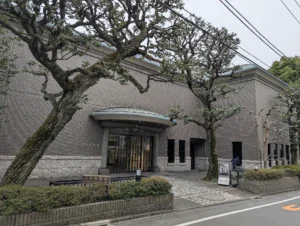
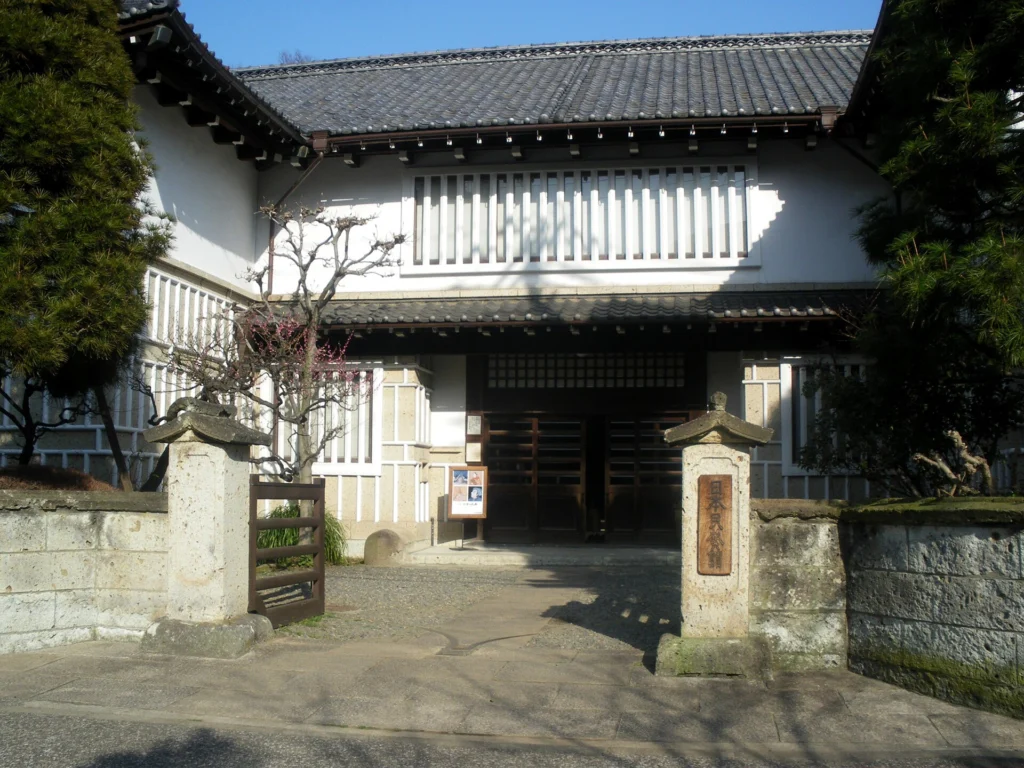
The Japan Folk Crafts Museum (Nihon Mingeikan) is in Komaba, Meguro City, 7 minutes on foot from Komaba-todaimae Station. The thinker Yanagi Soetsu founded it in 1936. In 1925, Yanagi and the potters Hamada Shoji and Kawai Kanjiro named the beauty of everyday things made by unknown craftspeople “mingei” (folk crafts). The museum keeps about 17,000 old and new crafts from Japan and other countries, chosen by Yanagi’s eye, and most of the 1936 building is still as it was built.
Quick answer
The museum of the mingei (folk craft) movement, opened in 1936.
Hours: 10:00-17:00 (last entry 16:30). Closed: Mondays (if Monday is a holiday, the next day), the New Year period and while exhibitions change. Admission: Adults JPY 1,500; university and high school students JPY 800; junior high school students and younger free.
Quick facts
| What it is | The museum of the mingei (folk craft) movement, opened in 1936 |
| Known for | Korean ceramics, Japanese textiles and pottery, and works by Hamada Shoji, Bernard Leach and other craft artists |
| Hours | 10:00-17:00 (last entry 16:30) |
| Closed | Mondays (if Monday is a holiday, the next day), the New Year period and while exhibitions change |
| Admission | Adults JPY 1,500; university and high school students JPY 800; junior high school students and younger free |
| Address | 4-3-33 Komaba, Meguro City |
| Nearest station | Komaba-todaimae Station (Keio Inokashira Line), West Exit, about 7 minutes on foot |
| Last checked | November 2026 |
What to see
- Korean crafts room: the museum owns about 1,600 Korean craft items and shows about 50 at a time. White porcelain is shown in summer and stoneware in winter.
- Craft artists room: works by Bernard Leach, Kawai Kanjiro, Hamada Shoji, Serizawa Keisuke and Munakata Shiko, who led the movement with Yanagi.
- Painting room: Otsu-e (folk paintings once sold to travelers), mud paintings and votive pictures by unnamed painters.
- Wood and lacquer room: Japanese furniture, lacquer bowls and wooden Buddhist figures, including smiling Buddhas by the monk Mokujiki.
- Large exhibition hall: rebuilt in 2021 after Yanagi’s original design, with an Oya stone floor and natural light from the ceiling.
- Museum shop: new handmade crafts from across Japan, such as pottery, glass, baskets and washi paper goods.
West House (Yanagi Soetsu’s home)
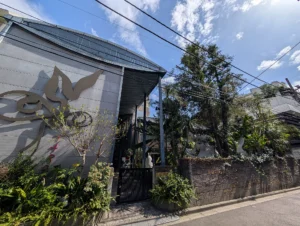
Across the road is the West House, Yanagi’s home from 1935 until his death at 72. It has a stone-roofed gate moved from Tochigi Prefecture, a dining room with English chairs, and the study where he wrote. It became a Tokyo Metropolitan Tangible Cultural Property in 2021. It opens only on the 2nd and 3rd Wednesday and Saturday of the month, 10:00-16:30 (last entry 16:00).
Exhibitions and dates
- Japan Folk Crafts Exhibition (November 22 to December 17, 2026): the museum’s yearly show of new handmade crafts from across Japan, such as pottery, textiles, woodwork, glass and bamboo. Works are shown and sold.
- On November 22 and 23 only, entry is by online timed reservation. Closed on November 24 and 30 and December 7 and 14. The West House opens on December 9, 12 and 16 during this show.
- Next exhibition: a 90th-anniversary show on how Yanagi Soetsu built the collection, January 6 to March 10, 2027.
- Check the museum’s calendar before you go, because it also closes while exhibitions change.
Tips
- You wear slippers inside to protect the old building.
- Photos are allowed only in marked places. Do not use ink pens in the galleries.
- Leave umbrellas and large bags in the stand or coin lockers.
- The building has many steps and is not fully barrier-free. The main building has a lift and a wheelchair toilet.
Getting there
- Komaba-todaimae Station (Keio Inokashira Line), West Exit: about 7 minutes on foot.
- Higashi-Kitazawa Station (Odakyu Line), East Exit: about 15 minutes on foot.
- Bus: Keio Bus Shibu 55 or Shibu 65 from Shibuya Station West Exit to Uehara Nichome Minami, then about 8 minutes on foot. Buses are not frequent.
- There are only 3 parking spaces.
The museum is near Komaba Park, where the former Maeda family mansion is free to visit. Shimokitazawa is nearby; see our Shimokitazawa guide and Shibuya guide. If you like Japanese pottery, read about Mashiko, a pottery town north of Tokyo, or browse our list of museums in Tokyo.
Also nearby: Komaba and Yoyogi-Uehara Guide: Folk Crafts, a 1929 Mansion and Tokyo Camii
FAQ
What does “mingei” mean?
It means folk crafts: everyday things like bowls, cloth and baskets made by unknown craftspeople. Yanagi Soetsu, Hamada Shoji and Kawai Kanjiro made the word in 1925.
How much is a ticket?
Adults pay JPY 1,500, and university and high school students pay JPY 800. Junior high school students and younger enter free.
Is the museum open on Mondays?
No, unless Monday is a national holiday. Then it opens and closes the next day.
Can I visit Yanagi Soetsu’s house?
Yes, the West House opens on the 2nd and 3rd Wednesday and Saturday of each month, and on set days during some exhibitions.
Can I buy crafts there?
Yes. The museum shop sells new handmade crafts, and the yearly Japan Folk Crafts Exhibition in late autumn shows and sells new works.
Keep reading

Sources
Facts come from the Japan Folk Crafts Museum’s official website (Last checked: November 15, 2026). This page is based on official sources, not our own visit. Last checked: November 2026 (on November 15, 2026).
- Japan Folk Crafts Museum: Hours, closed days and admission (official, Japanese)
- Japan Folk Crafts Museum: Access (official, Japanese)
- Japan Folk Crafts Museum: About the museum (official, Japanese)
- Japan Folk Crafts Museum: Collection (official, Japanese)
- Japan Folk Crafts Museum: Main building (official, Japanese)
- Japan Folk Crafts Museum: West House (official, Japanese)
- Japan Folk Crafts Museum: Special exhibition (official, Japanese)