Researched guide · Last checked: Nov 14, 2026
A tenugui is a thin Japanese cotton hand towel. Many are dyed with chusen, a Tokyo method where dye is poured through the cloth so the pattern shows on both sides. At Tenukuri Kobo, the workshop of a tenugui maker in Katsushika, you can dye your own tenugui in a 2-hour class and take it home. Here are the official details.
Quick facts
| Where | Tokyo Wazarashi (Tenukuri Kobo), 4-14-9 Tateishi, Katsushika-ku |
| Access | About 8 minutes on foot from Keisei Tateishi Station (Keisei Oshiage Line; local trains only) |
| Class | 2 hours: 10:00–12:00 or 14:00–16:00 |
| Price | Weekdays ¥6,600; weekends and holidays ¥8,800 per person, tax included. English interpretation +¥2,200 |
| Group size | 2 to 6 people per class (minimum 2) |
| Age | 10 and over |
| Booking | By email, at least 3 business days ahead |
| Take home | Yes, your finished tenugui |
| Last checked | November 2026 (on November 14, 2026) |
What chusen dyeing is
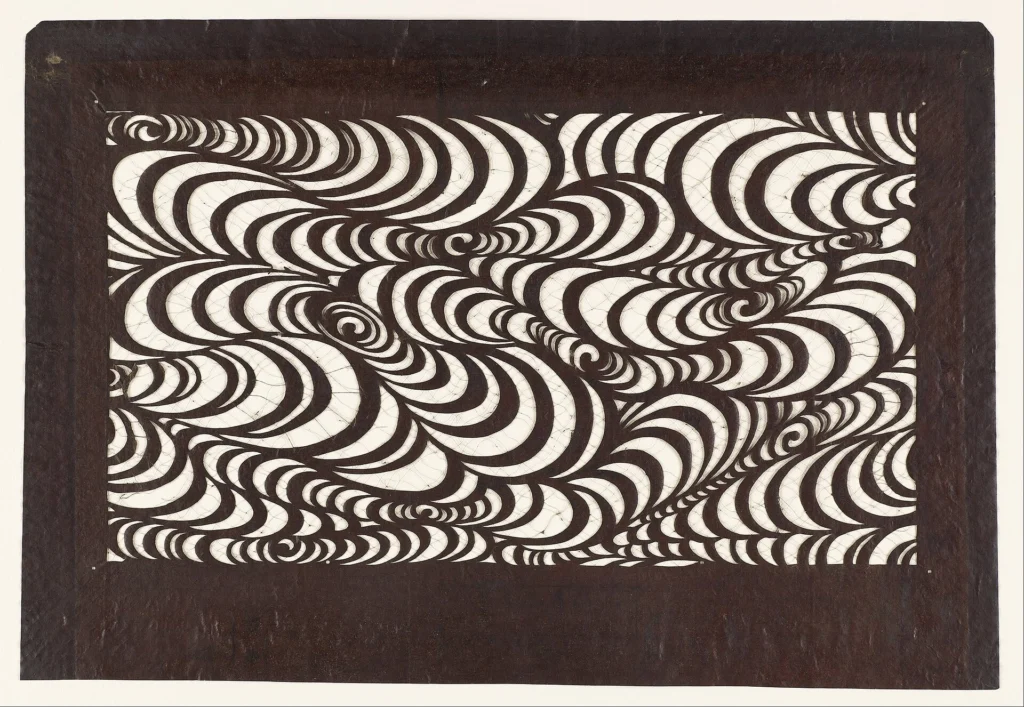
Chusen means “poured dyeing”. A paper stencil (katagami) is laid on the cloth and a paste is spread over it. The paste blocks the dye. Then dye is poured onto the cloth, and it soaks through the layers. The official site says chusen can color a tenugui in several colors with one stencil, and can make soft gradations of color. In the Kanto area, tenugui and yukata (light summer kimono) dyed this way are known as “Tokyo honzome”.
What happens in the class
- Your group (up to 6 people) dyes one tenugui for each person.
- The colors are mixed in advance by the workshop’s experts.
- The stencil patterns change every month.
- You take your finished tenugui home.
The workshop notes that your tenugui may not look the same as a professional piece. The class is about trying the process.
How to book
- Email [email protected] with your preferred dates (first and second choice), the time (10:00–12:00 or 14:00–16:00) and the number of people.
- Apply at least 3 business days before the class. Places close when the class is full.
- The workshop asks for payment within 3 working days of its email, or the booking may be cancelled. Its English home page says you pay the fee at the workshop (cash or card), so check the payment steps in the reply.
- Cancellation: free up to 11 days before; 20% from 4 to 10 days before; 50% from 2 to 3 days before; 100% the day before or on the day.
- Morning classes run on weekdays; afternoon classes run on some weekdays only. Ask the workshop about weekends.
Good to know
- If you do not speak Japanese, ask for English interpretation when you book (+¥2,200).
- Under-18s should come with a parent or guardian.
- Arrive at least 10 minutes early to check in. The workshop also has a tenugui gallery and shop.
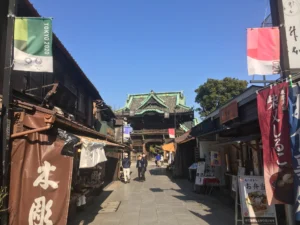
- Katsushika is in the northeast of Tokyo. Combine the class with Shibamata, also in Katsushika.
- More dyeing: try indigo dyeing near Asakusa or Edo komon stencil dyeing in Shinjuku.
FAQ
Where can I dye a tenugui in Tokyo?
At Tenukuri Kobo, the workshop of Tokyo Wazarashi, about 8 minutes on foot from Keisei Tateishi Station in Katsushika.
How much does the tenugui dyeing class cost?
¥6,600 per person on weekdays and ¥8,800 on weekends and holidays, tax included. English interpretation costs ¥2,200 extra.
How long is the class?
2 hours: 10:00 to 12:00 or 14:00 to 16:00.
Can I join alone?
The class needs at least 2 people. Classes take up to 6 people.
How do I book?
Send an email with your preferred dates, time and number of people at least 3 business days before.
Keep reading
Sources
This guide is based on the official information below, not on our own visit. Last checked: November 2026 (on November 14, 2026). Prices and schedules change, so please check before you book.