Researched guide · Last checked: Nov 14, 2026
Kuramae is a quiet neighborhood on the Sumida River, one stop south of Asakusa. It grew up around the shogun’s rice storehouses, then became a district of wholesalers and craft workshops. Today, old warehouses and workshops also hold cafés, stationery shops and small makers, so it is a good half-day walk away from the big crowds.
Quick answer
Top things to do: browse the cafés and craft shops, visit Kuramae Shrine and Torigoe Shrine, walk the Sumida River between Kuramae Bridge and Umayabashi Bridge, and continue on foot to Asakusa.
Allow half a day. Kuramae Station is on the Toei Asakusa Line and the Toei Oedo Line.
Overview
| Getting there | Kuramae Station (Toei Asakusa Line A-17, Toei Oedo Line E-11) |
| Time needed | Half a day, or a full day with Asakusa |
| Best time | Daytime. Shop hours vary (for example 10:00 to 19:00, or 11:00 to 18:00), and some shops close one day a week |
| Good for | Cafés, stationery and craft souvenirs, quiet shrines and river walks |
| Last checked | November 2026 (on November 14, 2026) |
Best Things to Do
Walk the old wholesale and craft streets
Kuramae and nearby Asakusabashi have long been a wholesale district. Taito City’s official tourism site says the area has many wholesalers of Japanese dolls, toys, accessories and decorative materials, and many craftspeople. In recent years, artists and designers have moved into old warehouses and factory buildings and opened shops and cafés, and the area is sometimes called “Tokyo’s Brooklyn”. The fun is in walking the side streets and looking into small shops.
Learn where the name comes from
“Kuramae” means “in front of the storehouses”. In the Edo period (1603–1868), the shogunate kept the rice it collected from its lands in the Asakusa Okura storehouses here, beside the Sumida River. Together with storehouses in Osaka and at Nijo Castle in Kyoto, they were one of the “three great storehouses”. A stone monument near Kuramae Station (about 2 minutes on foot from the Toei Asakusa Line station) marks the site. The name Kuramae became an official town name in 1934.
Kuramae Shrine
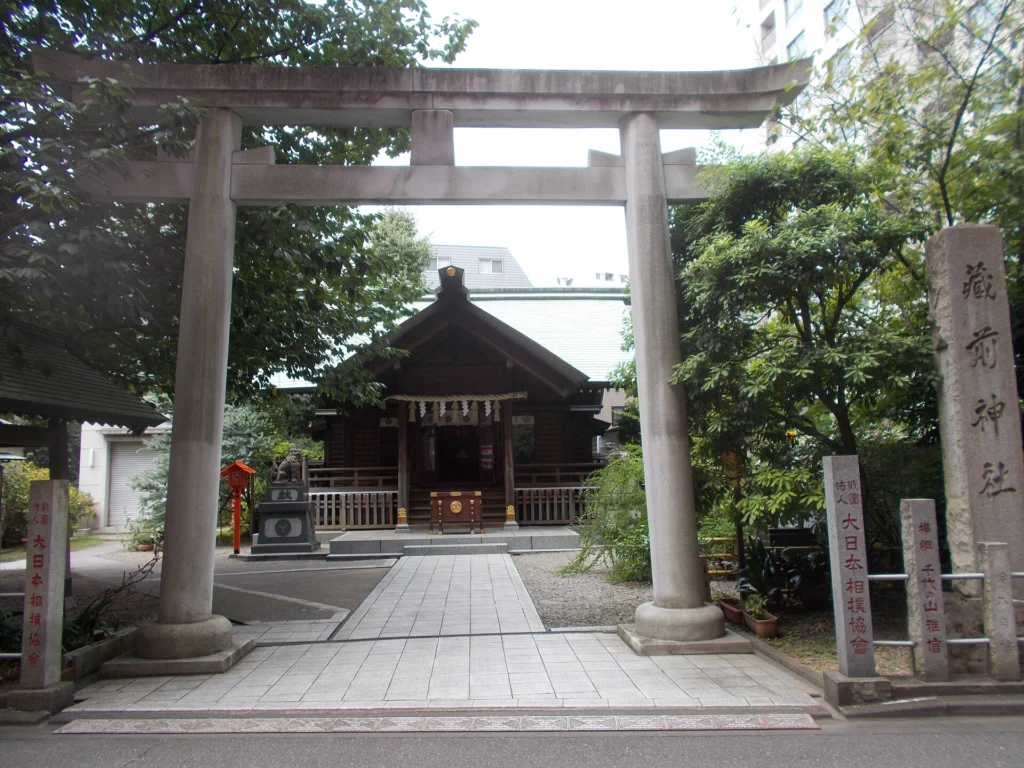
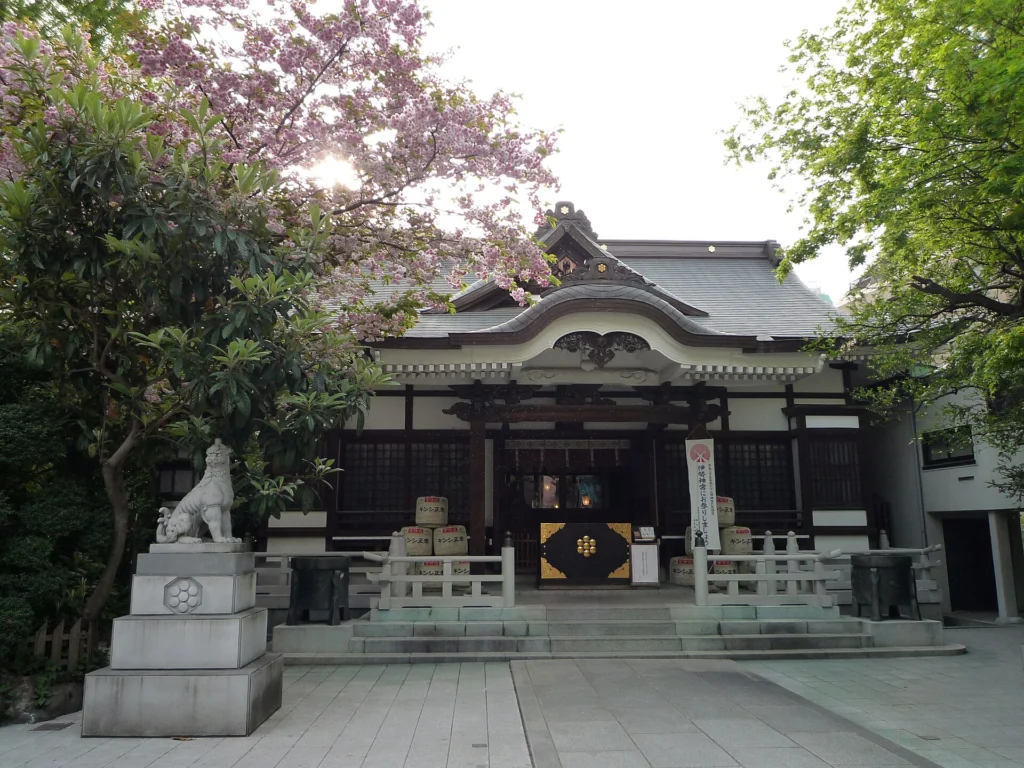
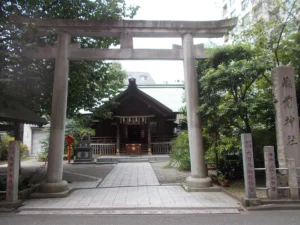
Kuramae Shrine was founded in 1693 under the shogun Tokugawa Tsunayoshi. In the Edo period it hosted fund-raising sumo tournaments. In spring you may see early-blooming cherry trees and mimosa flowering at the same time. New to shrines? See our shrine and temple etiquette guide.
To see sumo up close, read about sumo experiences in Tokyo or a sumo morning practice visit.
Torigoe Shrine and Okazu Yokocho
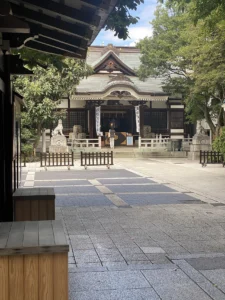
Torigoe Shrine, a short walk west of Kuramae Station, is said to date from the year 651. Its Torigoe Matsuri in early June carries one of the largest mikoshi (portable shrines) in Tokyo; see our Torigoe Matsuri guide. Nearby, Okazu Yokocho is an old-style shopping street about 230 meters long, mostly selling everyday food. Its name means “side-dish alley”.
Walk the Sumida River between two bridges
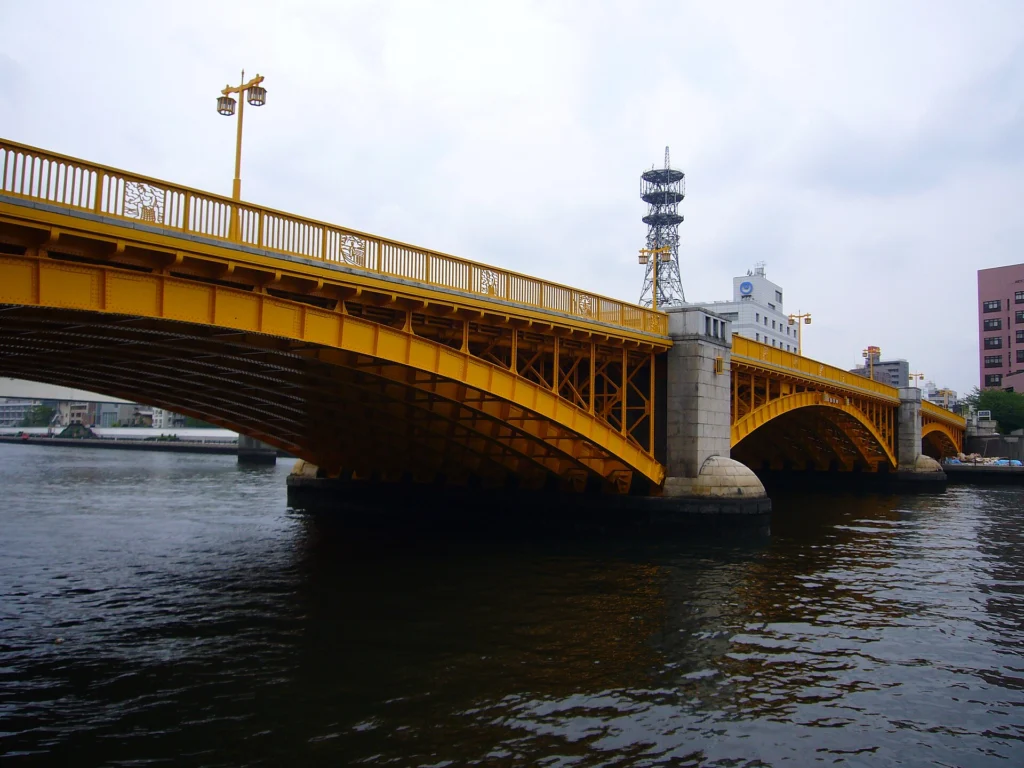
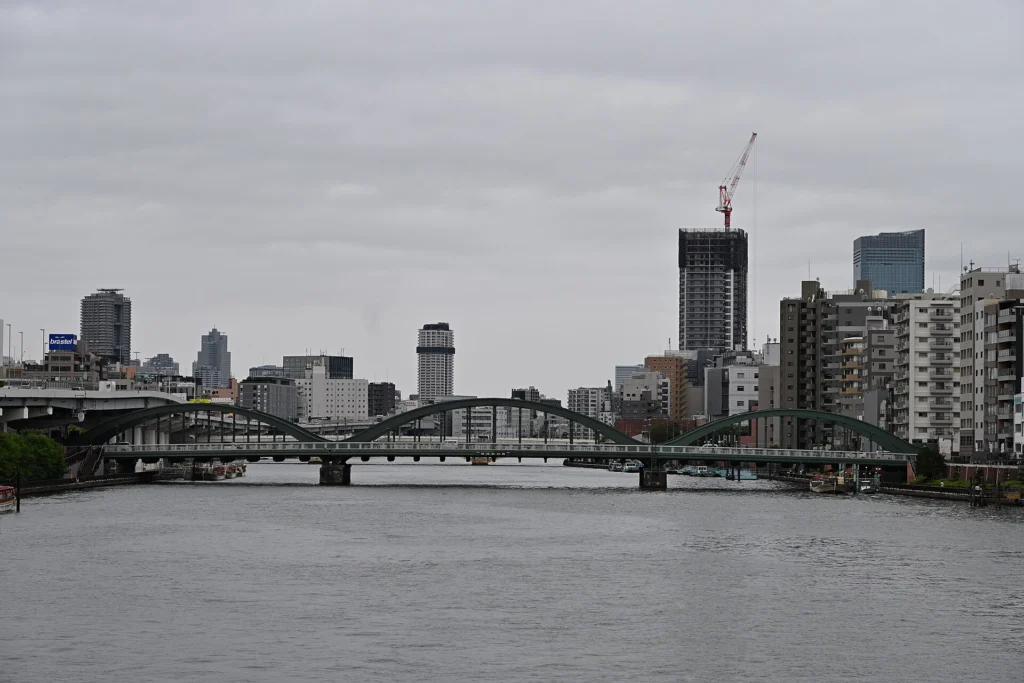
The Sumida River Terrace is a riverside path. Kuramae Bridge, built in 1927, is a yellow arch bridge with sumo wrestler motifs along its sides. To the north, Umayabashi Bridge was first built in 1874; its name comes from the stables (umaya) that kept the horses used to carry rice from the storehouses. The present bridge dates from 1929 and has glass art of horses on its pillars.
Small museums
- World Bag Museum (Komagata 1-chome, a 2-minute walk from Asakusa Station): a collection of bags from about 50 countries. Open 10:00 to 16:30, closed on Sundays and public holidays; the museum asks visitors to call before coming.
- Japan Stationery Museum (in the Asakusabashi area): a small museum about the history of writing tools. Entry is free.
Food & Drink
Kuramae is better for cafés and snacks than for big restaurants. Here are places whose details we could check on their official websites:
- Dandelion Chocolate Factory & Cafe Kuramae (Kuramae 4-14-6): the bean-to-bar chocolate maker’s first store in Japan. You can watch chocolate being made while you have a chocolate drink or a sweet. Open 10:00 to 19:00 (hours can change).
- Tokyo Riverside Distillery (Kuramae 3-9-3): a small gin distillery that opened in 2021. The shop on the 1st floor sells bottles and takeaway drinks (weekdays 13:00 to 19:00, weekends and holidays 12:00 to 18:00). The bar and dining room on the 2nd floor opens Tuesday to Saturday, 18:00 to 23:00. You must be 20 or older to drink alcohol in Japan.
- Okazu Yokocho: the old shopping street near Torigoe Shrine, with shops selling everyday Japanese food.
For a full meal, Asakusa is a short walk or one train stop away. See our Asakusa guide and How to eat out in Tokyo.
Shopping
- Stationery: Kakimori (Misuji 1-6-2) sells pens, ink, notebooks and letter sets. You can order a custom notebook or make-to-order ink. Open 11:00 to 18:00, closed on Mondays.
- Craft and design shops: small shops in renovated buildings sell tableware, leather goods and everyday design items. Each shop sets its own hours and closing days.
- Wholesale streets: some wholesalers may sell only to businesses. If you are not sure, ask before you shop.
- More kitchen tools: for Japanese knives and tableware, walk on to Kappabashi Kitchenware Town.
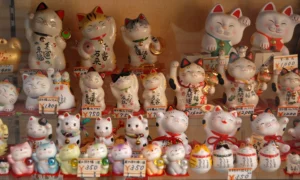
More ideas: Tokyo souvenirs and shopping. Want to make something yourself? Try a pottery class in Asakusabashi.
Where to Stay
Kuramae itself is small. Nearby Asakusa and Ueno have many hotels and are easy bases for this part of Tokyo. See Best hotels in Asakusa, Best hotels in Ueno, or compare areas in our Where to Stay guide.
Getting There
- Subway: Kuramae Station on the Toei Asakusa Line (A-17) and the Toei Oedo Line (E-11). Asakusa is one stop north on the Asakusa Line.
- Changing lines at Kuramae: the two lines have separate stations, so you change at street level. With an IC card such as Suica, you have up to 60 minutes to make the change without paying a new fare.
- Tokyo Metro Ginza Line: Tawaramachi Station is about a 6-minute walk from central Kuramae (the Tokyo Riverside Distillery).
- On foot: Asakusa is within walking distance along the Sumida River.
New to Tokyo trains? See Trains in Tokyo and How to use Suica.
Combine Kuramae with Nearby Areas
Kuramae sits between Asakusabashi and Asakusa, so it is easy to join to a day in old Tokyo:
- Asakusa: walk north along the river or take the Asakusa Line one stop. See our Asakusa guide.
- Kappabashi: from Kuramae, walk west toward Tawaramachi Station. See our Kappabashi guide.
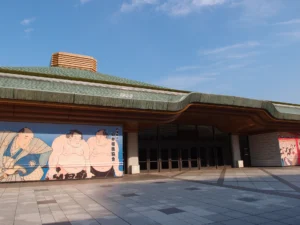
- Ryogoku: cross Kuramae Bridge to the other side of the Sumida River for sumo and museums. See our Ryogoku guide.
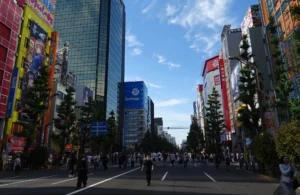
- Ueno: the Oedo Line runs from Kuramae toward Ueno-okachimachi. See our Ueno and Akihabara guide.
Suggested Itinerary
A half day on foot, based on Taito City’s official walking course. Walking times are from that course; add time for shops and cafés.
- StartKuramae Station
- About 8 minutes on foot
- 1Torigoe Shrine
- About 4 minutes
- 2Okazu Yokocho shopping street
- About 10 minutes
- 3Cafés and craft shops in Kuramae
- About 4 minutes
- 4Kuramae Shrine
- About 8 minutes
- 5Umayabashi Bridge and the Sumida River
- About 6 minutes
- 6World Bag Museum (closed Sundays and holidays)
- About 2 minutes
- FinishAsakusa Station, then on to Senso-ji or Kappabashi
See the Asakusa guide and Kappabashi guide for the rest of the day, or find all these places on our Tokyo map.
Travel Tips
- Hours and closing days vary by shop, and some close on Mondays. Check the shop’s own website before you go.
- Kuramae is a residential and business area. Keep your voice down on side streets and do not block shop doors when taking photos.
- Some small shops may not take cards. Carry some cash; see Money in Tokyo.
- Comparing areas? See Tokyo neighborhoods compared.
FAQ
What is Kuramae known for?
Kuramae is known for its wholesale and craft history, and now for cafés, stationery and small design shops in old buildings. Its name comes from the shogun’s rice storehouses that stood by the Sumida River.
How do I get to Kuramae?
Take the Toei Asakusa Line or the Toei Oedo Line to Kuramae Station. Tawaramachi Station on the Tokyo Metro Ginza Line is about a 6-minute walk away.
Is Kuramae near Asakusa?
Yes. It is one stop south of Asakusa on the Toei Asakusa Line, and you can walk between them along the Sumida River.
How much time do I need in Kuramae?
About half a day for the shops, cafés, shrines and a river walk. Add Asakusa or Kappabashi for a full day.
Are Kuramae shops open on Mondays?
Some are and some are not. For example, Kakimori is closed on Mondays. Check each shop’s official website before you go.
Keep reading
 Asakusa guide
 Kappabashi guide
 Ryogoku guide
 Ueno and Akihabara guide
 Torigoe Matsuri
 Tokyo souvenirs and shopping
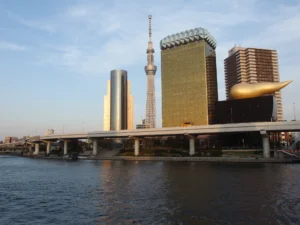 Best hotels in Asakusa
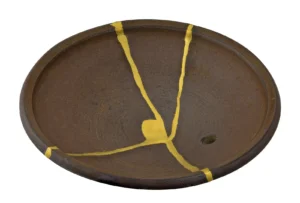 Kintsugi Experience in Tokyo
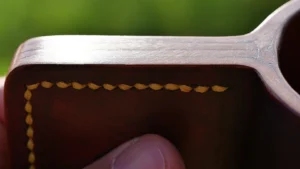 Leather Craft Class in Kuramae, Tokyo: THOROUGH BRACE Prices, Times and Booking
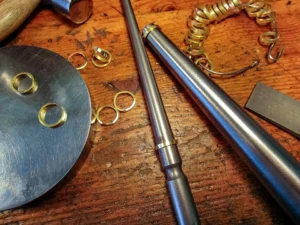 Silver Craft Class in Taito, Tokyo: Nisshin Kikinzoku Ring and Bangle Making
 Kuramae half-day itinerary: stationery, shrines and chocolate cafe
Related guides
Sources
This guide is based on the official information below, not on our own visit. Last checked: November 2026 (on November 14, 2026). Shops and hours change, so please check before you go.
- Taito City official tourism site: Shopping and cafés in Asakusabashi and Kuramae (Japanese)
- Taito City official tourism site: Kuramae walking course with cafés and history (Japanese)
- Taito City official tourism site: Asakusa Okura storehouse site monument (Japanese)
- Taito City official tourism site: Tokyo Riverside Distillery (Japanese)
- GO TOKYO: Kuramae Bridge
- Toei Subway: Kuramae Station (Japanese)
- Toei Subway: longer time for transfers outside the gates (Japanese)
- Kakimori (official site, Japanese)
- Dandelion Chocolate Japan: Factory & Cafe Kuramae (official, Japanese)
- Ethical Spirits: Tokyo Riverside Distillery (official)