This article contains affiliate links. If you book through them, we may earn a commission at no extra cost to you. See our Affiliate Disclosure.
Quick answer
Get an IC card (Suica or PASMO) and tap in and out. It works across JR, the subway and private lines.
Welcome Suica: a visitor card with no deposit, valid for 28 days, sold at the airports and major JR stations.
Riding the subway a lot? The Tokyo Subway Ticket covers all Tokyo Metro and Toei lines for 24, 48 or 72 hours (¥1,000, ¥1,500 or ¥2,000 for adults).
Use a map app for the platform, direction and exit.
Tokyo’s trains are fast, clean and on time, and they are the best way to get around the city. The network looks complicated at first, but with an IC card and a map app you will be riding like a local on your first day.
Get an IC card
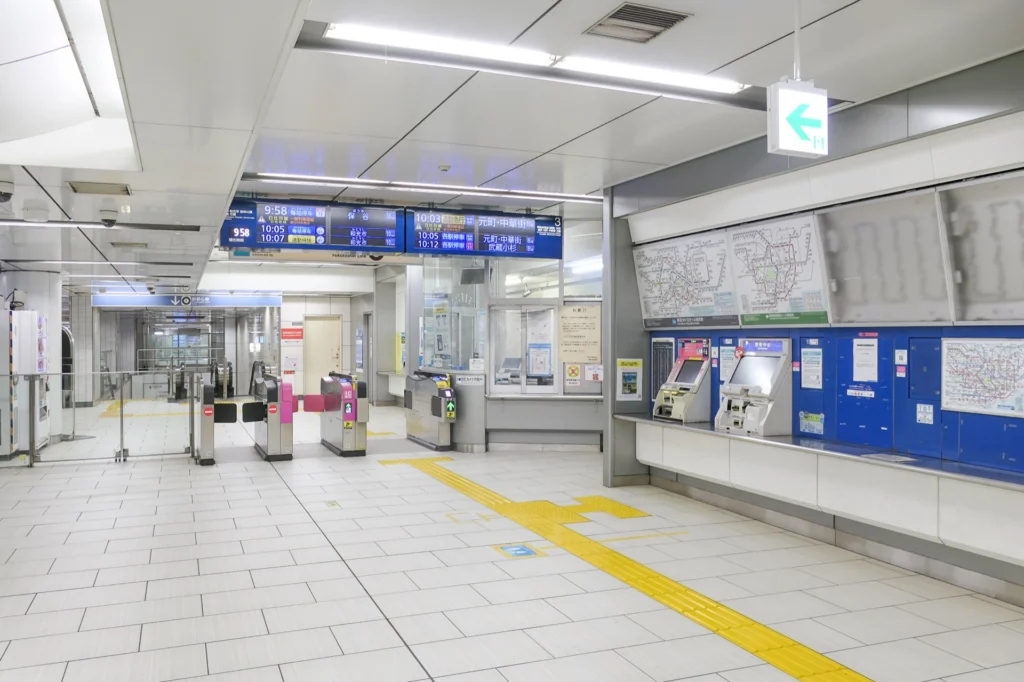
An IC card is a rechargeable card that you touch on the gate when you enter and leave. The fare is taken automatically, even when you change between train companies. The two main cards in Tokyo are Suica and PASMO, and both work almost everywhere.
- Welcome Suica: a Suica card for visitors, sold at the airports and at major JR stations. It is valid for 28 days, including the day you buy it, and does not need a deposit.
- Welcome Suica Mobile: an iPhone app from JR East that lets you get a digital Suica before you arrive.
- Apple Wallet: iPhone users can also add Suica or PASMO to Apple Wallet.
- Top up with cash at ticket machines in any station. Many machines have an English option.
You can also use your IC card on buses, in convenience stores and at vending machines. For which card to get and how to top up, see how to use Suica.
Who runs the trains
| Company | What it is for |
|---|---|
| JR East | The Yamanote Line loop around central Tokyo, and lines out to the suburbs |
| Tokyo Metro | 9 subway lines across central Tokyo |
| Toei Subway | 4 more subway lines run by the city |
| Private railways | Lines from Tokyo to the suburbs and beyond, such as Keikyu, Tokyu, Odakyu, Keio, Tobu and Seibu |
Changing between companies means passing through another gate, and the fares are added together. With an IC card you do not need to think about it.
Finding your way
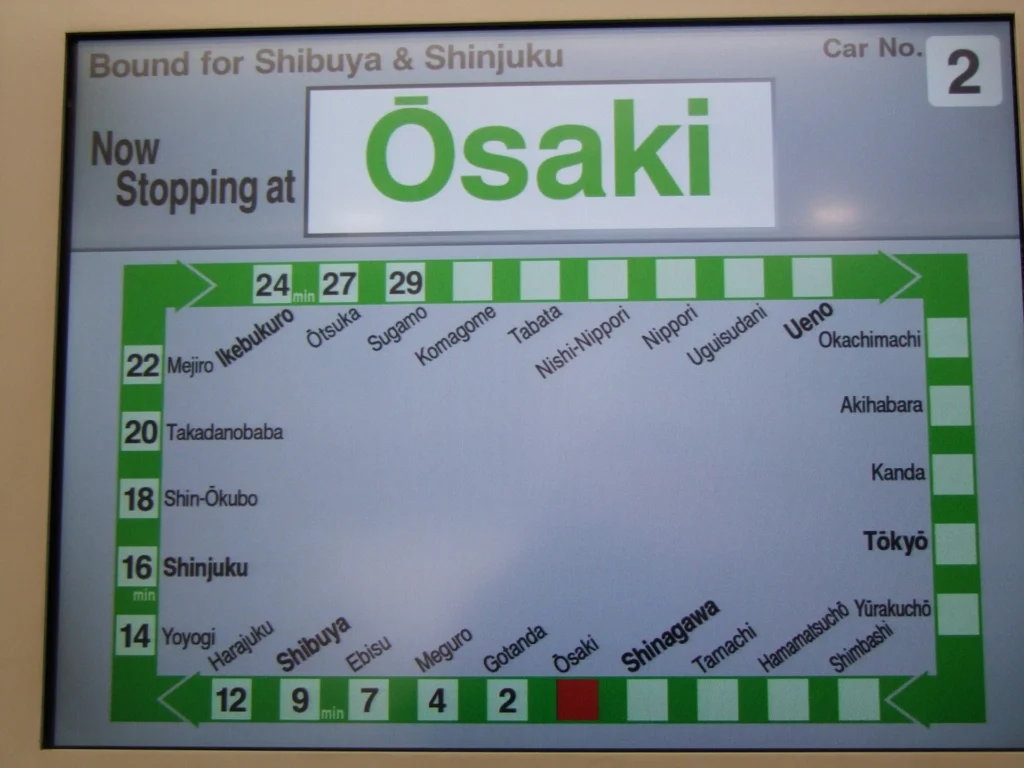
- Use a map app. Google Maps shows the line, the platform direction and often the best car for your exit.
- Station numbers: subway stations have a letter and number. On the Ginza Line, for example, Shibuya is G 01 and Asakusa is G 19.
- Check the direction on the platform sign, not just the line. Trains on the same line go both ways.
- Train types: local trains stop at every station. Rapid, express and limited express trains skip stations, and limited express trains often need an extra ticket.
- Exits: big stations have dozens of exits. Look for yellow signs with the exit number or name.
Unlimited ride passes
The Tokyo Subway Ticket gives you unlimited rides on all Tokyo Metro and Toei subway lines for 24, 48 or 72 hours. It is sold to overseas visitors and to Japanese visitors who live outside the Tokyo area. It does not cover JR lines. It is good value if you plan to ride the subway several times a day. Compare it with other passes in our Tokyo transport passes guide.
Official price (adults): ¥1,000 for 24 hours, ¥1,500 for 48 hours, ¥2,000 for 72 hours. Checked on the Tokyo Metro website on Nov 9, 2026. Klook may show a different price.
Affiliate link
Train manners
- Line up at the marks on the platform, and let people off before you get on.
- Keep your voice down, and do not talk on the phone on the train.
- Leave priority seats for older people, pregnant women, people with disabilities and people with small children.
- Wear your backpack on your front, or put it on the rack, when the train is crowded.
- Some lines have women-only cars during the morning rush. Look for the pink signs on the platform.
Rush hour and last trains
- Weekday rush hours are roughly 7:30 to 9:30 am and in the early evening. Avoid them with big suitcases if you can. See our luggage guide.
- Most trains stop running around midnight and start again around 5:00 am. Check the time of your last train in your map app.
From the airport
For trains and buses from Haneda Airport into the city, see our Haneda Airport guide.
FAQ
What is the easiest way to pay for trains in Tokyo?
Use an IC card such as Suica or PASMO. You tap it at the gate and the fare is taken automatically, even when you change companies.
What is Welcome Suica?
A Suica card for visitors, sold at the airports and major JR stations. It is valid for a limited time and needs no deposit.
Can I use an IC card outside trains?
Yes, on buses, in convenience stores and at vending machines.
What app should I use for trains?
Google Maps shows the line, the platform direction and often the best car for your exit.
Keep reading

Sources
Train information in this guide is based on the official sources below (checked November 2, 2026). Services and prices can change, so please check before you travel.