Researched guide · Last checked: Nov 13, 2026
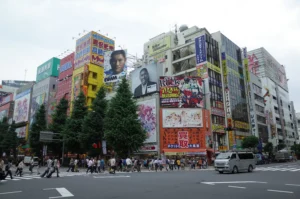
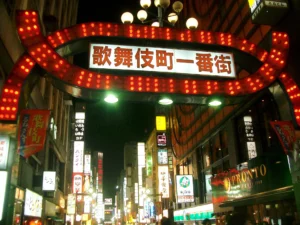
Pachinko parlors are everywhere in Tokyo, from Akihabara to Shinjuku, with bright signs and loud halls. This guide explains how pachinko works and the rules for visitors, using Japanese law and official government answers. It does not recommend any shop and gives no tips for winning.
Quick answer
How it works: rent balls, play a machine, then exchange the balls you win for prizes at the counter.
Budget: balls cost up to ¥4 each by law, and you can lose money quickly. Decide your limit before you start.
Age: no one under 18 may enter.
Bring your passport: foreign visitors must carry it at all times anyway.
| Steps | Rent balls → play → exchange balls for prizes at the shop counter |
| Ball price | Up to ¥4 per ball (plus tax) by law. Slot-type machines use medals of up to ¥20 each |
| Budget | Decide a fixed amount before you start and stop when you reach it. Money can go quickly |
| Prizes | Goods equal in value to your balls; one prize may be worth up to ¥9,600 (plus tax) |
| Age | Under 18 not allowed in (Fueiho law) |
| Cash prizes | Not allowed. Shops may not give cash or buy back prizes |
| Last checked | November 2026 (on November 13, 2026) |
What pachinko is
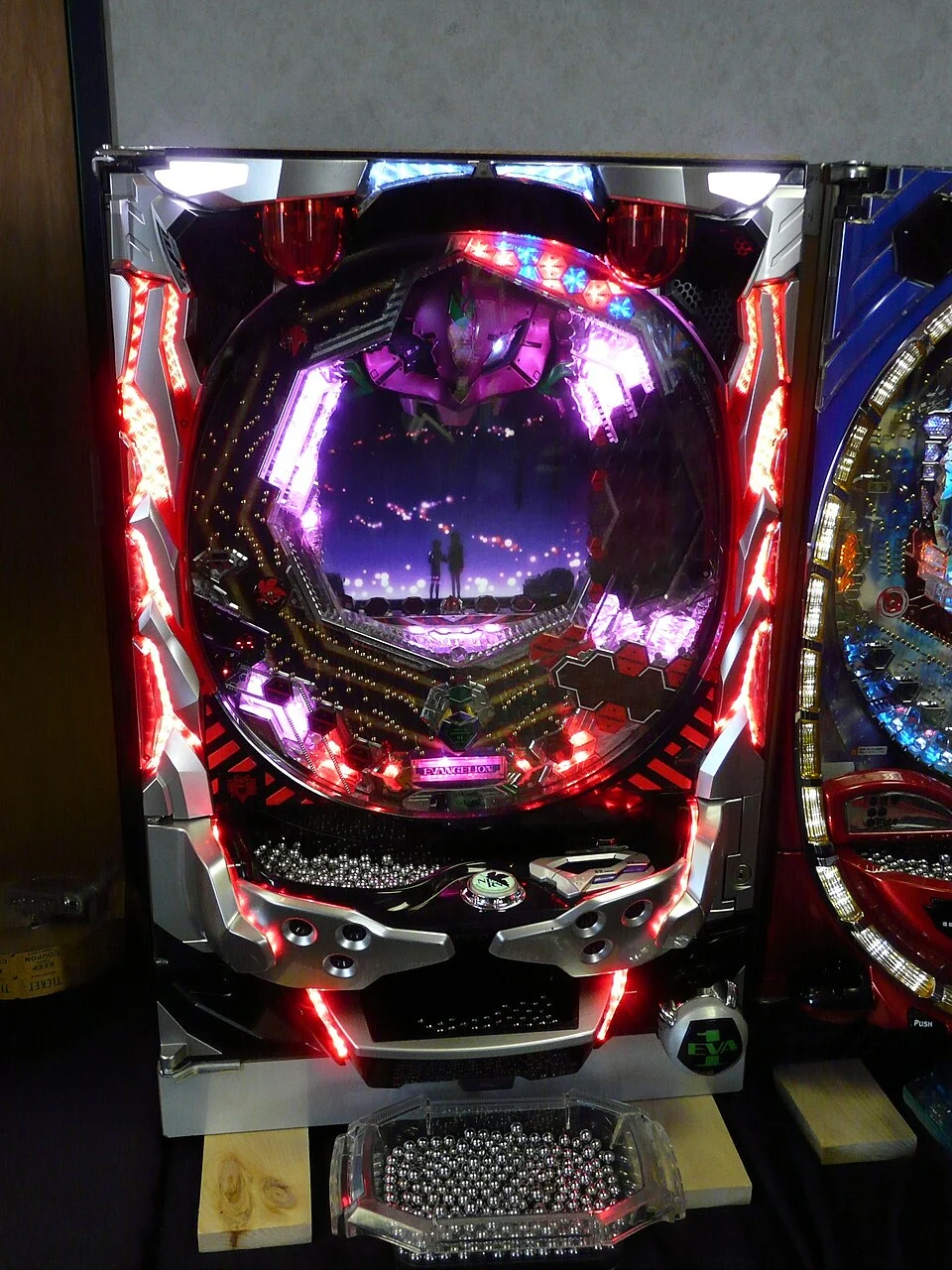
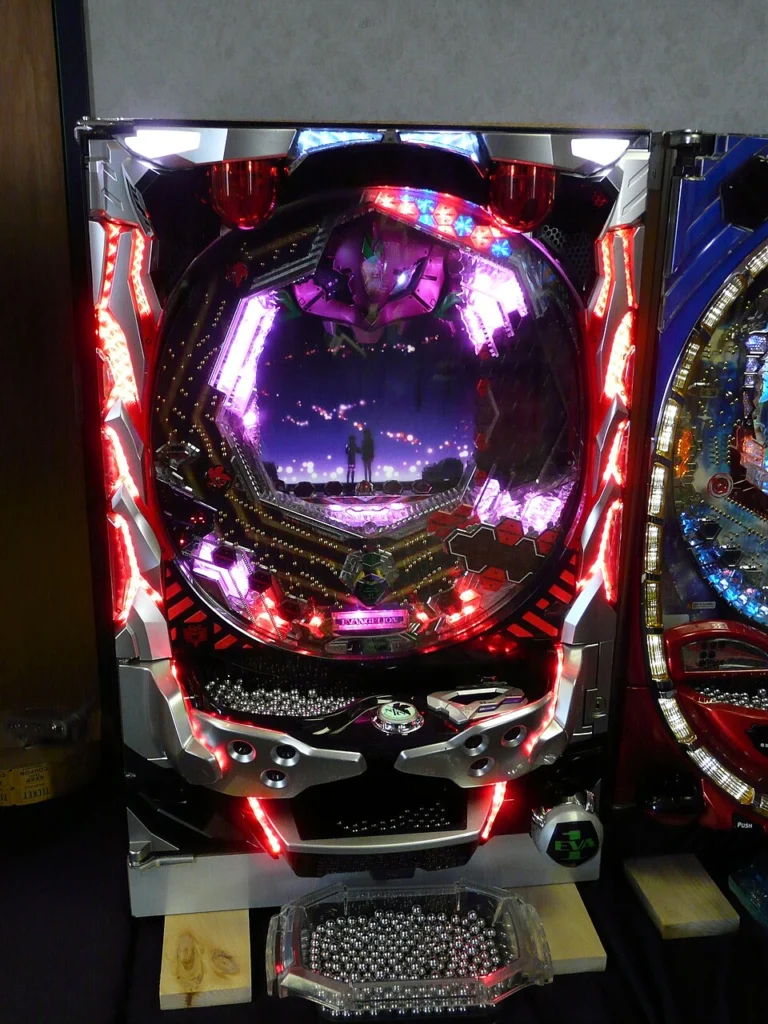
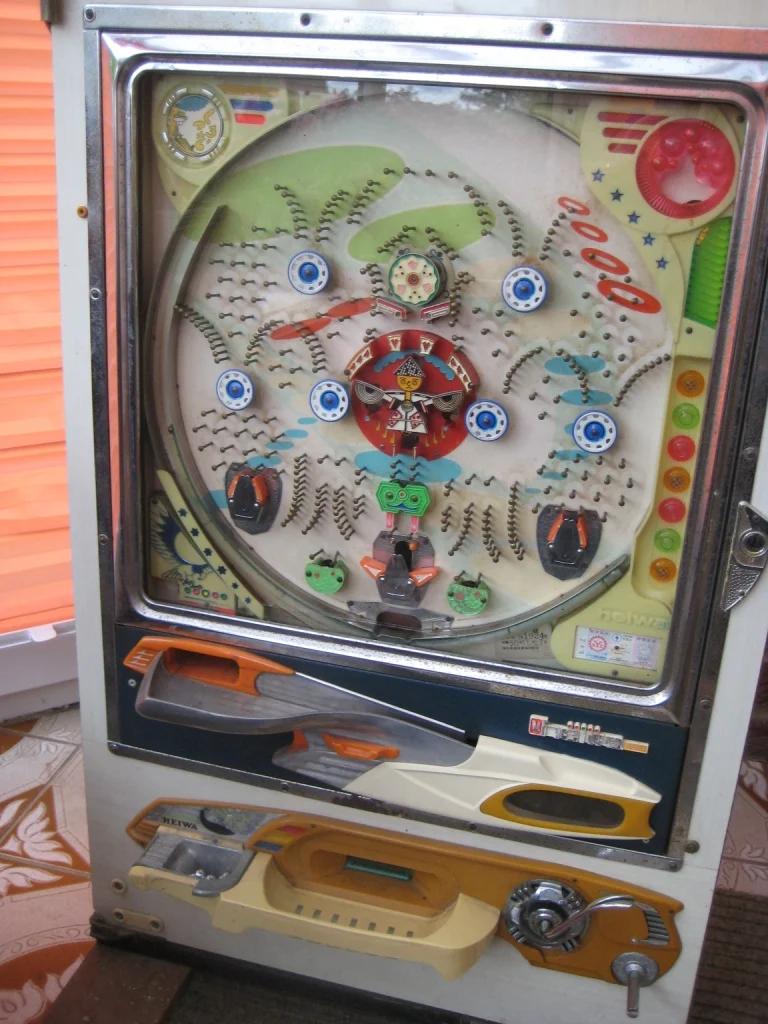
Pachinko is a game where you launch small steel balls into a machine full of pins. If a ball goes into certain pockets, the machine pays out more balls. Under Japan’s Act on Control and Improvement of Amusement Business (the Fueiho), pachinko parlors are licensed amusement businesses, the same group as mahjong parlors, and they must follow strict rules.
How a visit works
1. Renting balls
You pay to rent balls for the machine. By law, the price is at most ¥4 per ball plus tax. Pachislot (slot-type) machines use medals, at most ¥20 each plus tax.
2. Playing
You turn a handle to launch the balls. When balls land in the right pockets, you win more balls. Results depend on chance, and you can lose your money quickly.
3. Exchanging balls for prizes
When you finish, staff count your balls and you exchange them for prizes at the counter. The rules say prizes must be goods equal in value to the balls you won, parlors must stock many kinds of everyday goods, and one prize can be worth up to ¥9,600 plus tax.
Prizes and the “three-shop system”
The law forbids parlors from giving cash or securities as prizes, from buying back prizes and from letting customers take balls out of the shop. In practice, customers sometimes sell their prizes to a separate exchange business outside the parlor; this setup is often called the “three-shop system”.
In a 2016 written answer to the House of Representatives, the Japanese government said it is aware that customers sometimes sell prizes to a third party, and that pachinko run within the Fueiho rules is not the crime of gambling. In a 2017 answer, it said that if the third party buying prizes is in practice the same as the parlor, that may break the law. We explain this only as public information; we do not encourage it.
Tips for foreign visitors
- Age 18+ only. The law forbids parlors from letting anyone under 18 in as a customer.
- Carry your passport. Japan’s immigration law requires foreign visitors to carry their passport at all times, so you can show your age if asked.
- Respect the space: do not take photos of other players, and follow the shop’s rules on smoking and photos.
- Set a budget and stop when you reach it. Results depend on chance, and you can lose money quickly.
For other games, see our arcades in Tokyo guide. For the areas, see our Ueno and Akihabara guide and Shinjuku guide.
FAQ
Is pachinko gambling in Japan?
Legally it is treated as a licensed amusement. The government has said that pachinko run within the Fueiho rules is not the crime of gambling.
How old do you have to be to play pachinko?
At least 18. Parlors may not let anyone under 18 in as a customer.
Can I win cash at pachinko?
Parlors may not give cash as prizes or buy prizes back. You exchange balls for goods at the counter.
How much does pachinko cost?
Balls cost up to ¥4 each plus tax by law. Set a budget, because money can go quickly.
Can tourists play pachinko?
Yes, if you are 18 or older. Carry your passport, which foreign visitors must have with them at all times.
Keep reading



Sources
This guide is based on Japanese law (e-Gov) and written answers of the Japanese government to the House of Representatives. It is general information, not legal advice. Last checked: November 2026 (on November 13, 2026).
- e-Gov: Act on Control and Improvement of Amusement Business (Fueiho), Japanese
- e-Gov: Enforcement Regulations of the Fueiho (ball prices and prizes), Japanese
- House of Representatives: Government written answer No. 123, 192nd Diet (Nov 18, 2016), Japanese
- House of Representatives: Government written answer No. 398, 193rd Diet (Jun 20, 2017), Japanese
- e-Gov: Immigration Control and Refugee Recognition Act (Article 23, carrying a passport), Japanese