Researched guide · Checked on Nov 9, 2026
Quick answer
Tokyo has hundreds of game centers (arcades) spread across the city. Akihabara has the highest concentration, but Shinjuku, Shibuya, Ikebukuro and Odaiba all have major venues.
Most games cost a few hundred yen or less per play, and the price is shown on each machine. No reservation is needed — just walk in with some coins.
Major chains like GiGO, Taito Station and Round1 typically open from around 10:00 to 23:00.
Players under 16 must be with an adult after 18:00, and no one under 18 is allowed in after 22:00.
What Is a Game Center?
In Japan, arcades are called game centers (ゲームセンター, gēmu sentā). They are multi-floor buildings packed with machines — from crane games on the ground floor to rhythm games, fighting cabinets and photo booths on the upper levels. Unlike Western arcades that mainly target children, Japanese game centers attract all ages, from office workers on their lunch break to families on weekends.
Most game centers are free to enter, and you pay per play. The Japan National Tourism Organization (JNTO) says you can have fun for just a couple of hundred yen. No reservation is needed.
Types of Games You’ll Find
| Game type | What it is |
|---|---|
| Crane games (UFO catchers) | Move a claw to grab plush toys, figures or snacks |
| Rhythm and music games | Tap buttons or drum pads in time with the music (Taiko no Tatsujin, maimai, CHUNITHM) |
| Fighting and racing games | Head-to-head cabinets — Street Fighter, Tekken, racing sims |
| Purikura (photo booths) | Take decorated group photos with filters and stickers |
| Medal games | Insert tokens to play slot-style, horse racing or pusher games. Tokens are bought separately and cannot be cashed out |
| Arcade card games | Collectible card-based strategy games — popular with locals |
Crane Games (UFO Catchers)
Crane games are the most popular attraction for visitors. Rows of machines filled with character plushies, limited-edition figures and even packaged snacks line the ground floors of most game centers. The claw is weaker than it looks — winning usually takes several tries, so set a budget before you start. If a prize is stuck or poorly positioned, ask a staff member. They will often reset or reposition it for you.
Rhythm and Music Games
Rhythm games have dedicated floors in most large arcades. Taiko no Tatsujin (drum game) is the most recognizable — you hit a drum with wooden sticks to match on-screen notes. Other popular titles include maimai (a circular touch screen) and CHUNITHM (a slider panel). Most machines have English menus or are easy to follow visually.
Fighting and Racing Games
Classic fighting games like Street Fighter and Tekken still run in Tokyo arcades. Seats face each other so you play against the person on the other side. Racing simulators with full cockpit seats are also common.
Purikura (Photo Booths)
Purikura (プリクラ) are photo booths where you take pictures, then decorate them with digital stamps, text and backgrounds on a touchscreen. Many purikura floors are women-only or require at least one woman in the group. The booths print sticker sheets and can send images to your phone.
Medal Games and Others
Medal games use tokens that you buy from a machine. You play slot-style games, horse racing simulators and coin pushers. Tokens cannot be exchanged for cash or prizes. Other machines include basketball shooting games, air hockey tables and VR pods.
Best Areas for Arcades in Tokyo
| Area | Best for | Major venues | Getting there |
|---|---|---|---|
| Akihabara | Widest selection, crane games, retro titles | GiGO, Taito Station, Hey | JR Akihabara Station |
| Shinjuku | Large multi-floor venues, open late | Taito Station Shinjuku, GiGO | JR Shinjuku Station |
| Shibuya | Easy access, crane games, purikura | GiGO Shibuya | JR/Metro Shibuya Station |
| Ikebukuro | Arcade plus 24-hour bowling and karaoke | Round1 Ikebukuro | JR Ikebukuro Station, 4 min walk |
| Odaiba | Indoor theme park with rides + arcade | Tokyo Joypolis | Yurikamome Odaiba-kaihinkoen Station, 2 min walk |
Akihabara — The Arcade Capital
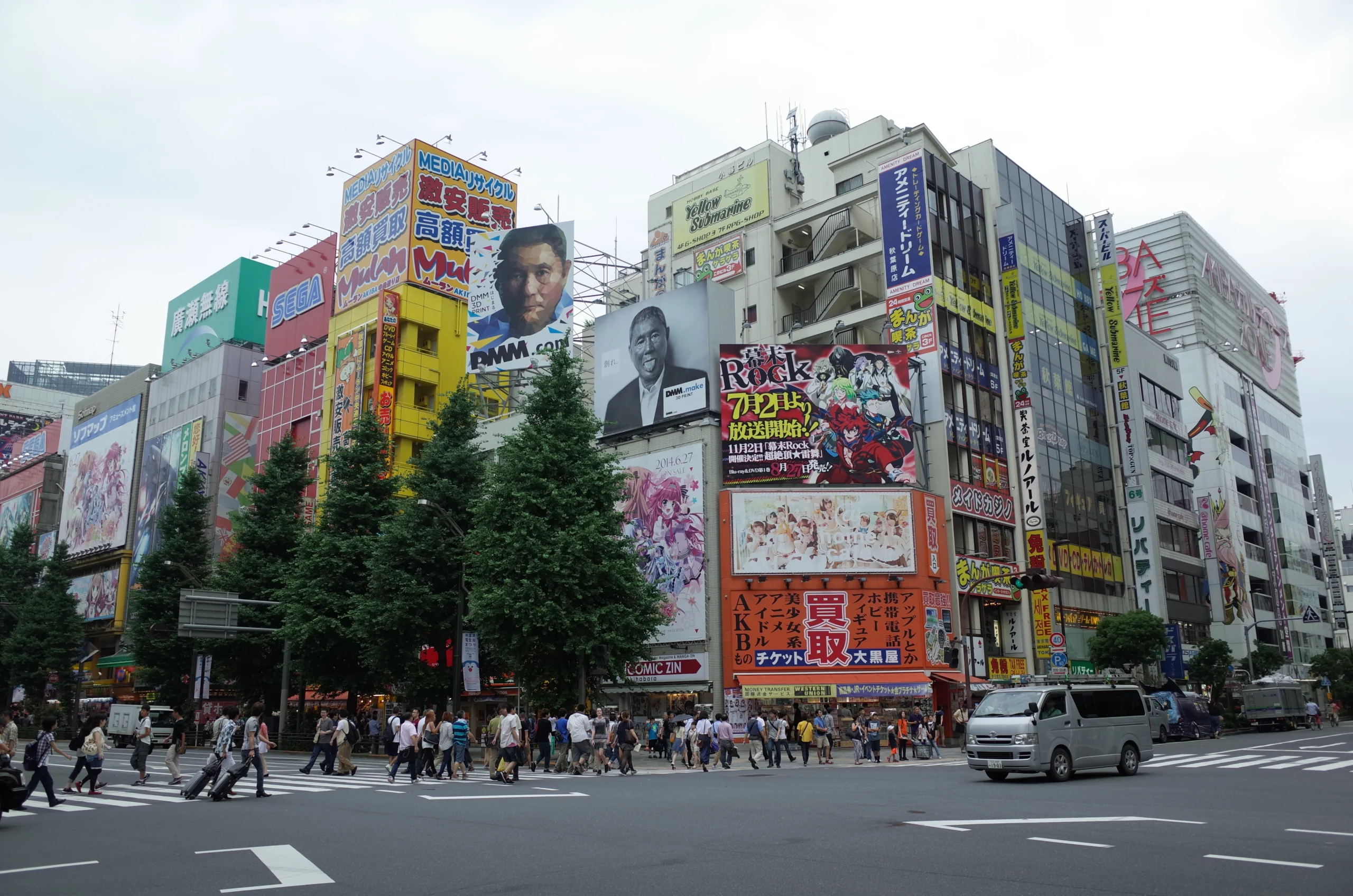
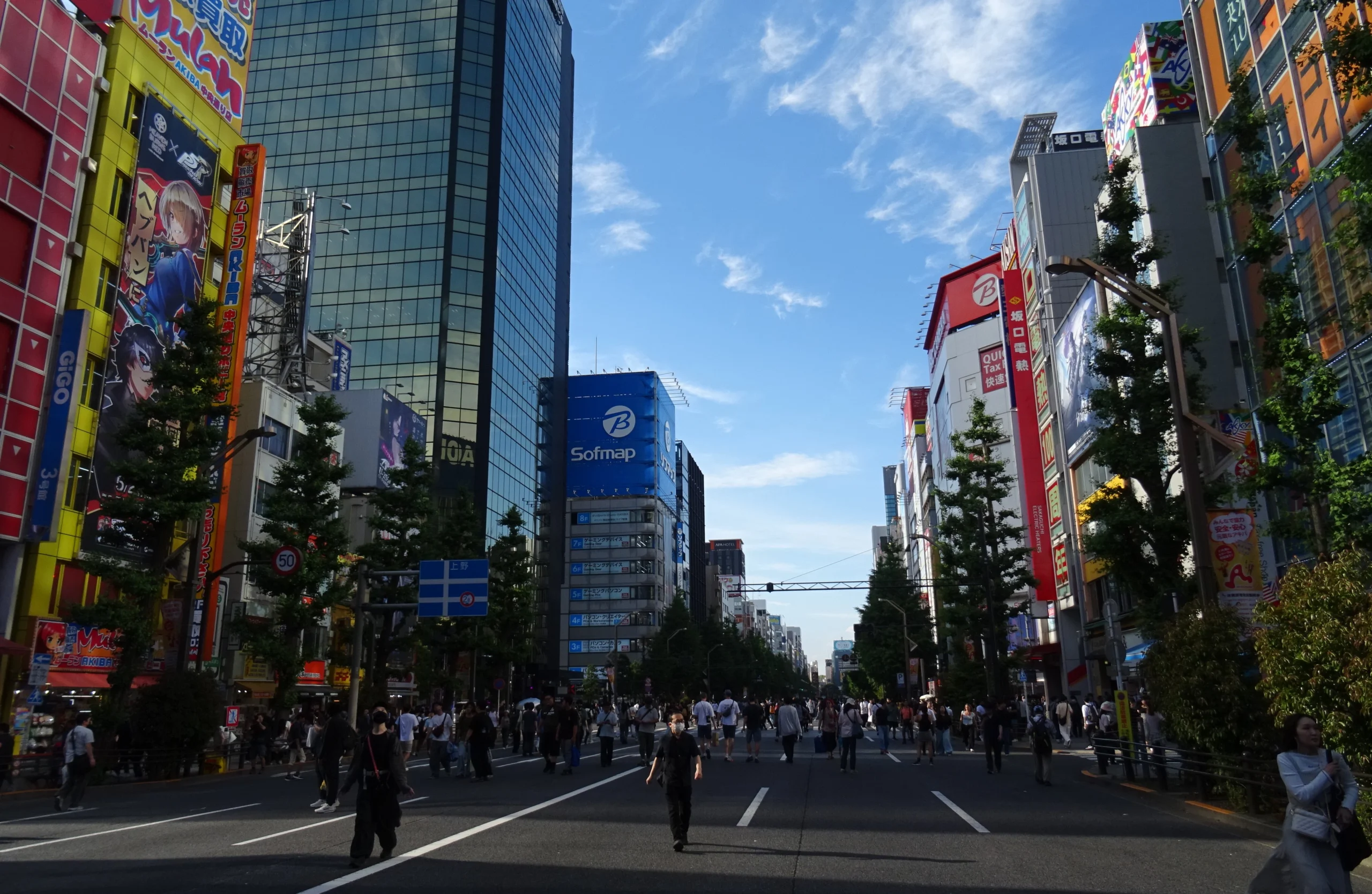
Akihabara has the highest concentration of game centers in Tokyo. Several large venues stand within a few minutes’ walk of JR Akihabara Station’s Electric Town Exit. GiGO (formerly SEGA) operates multiple buildings here, each with a different focus — crane games, rhythm games or fighting cabinets. Taito Station and the long-running arcade Hey are also in the area. If you only have time for one district, start here. For the full area, read our Ueno and Akihabara Guide.
Shinjuku
Shinjuku’s game centers are clustered around the east side of the station, especially near Kabukichō. Taito Station runs several branches around Shinjuku, including a large store in Kabukichō. The area stays busy late into the evening — more details in our Shinjuku Guide.
Shibuya
GiGO Shibuya is a short walk from Shibuya Station and is popular with tourists for crane games and purikura. The area is easy to combine with shopping in Center-gai — covered in our Shibuya Guide.
Ikebukuro
Round1 Ikebukuro is inside Ikebukuro Square, about a 4-minute walk from Ikebukuro Station. It combines an arcade floor with bowling, karaoke, billiards and darts. Bowling and karaoke areas are open around the clock. The Sunshine City area nearby also has game centers — our Ikebukuro Guide covers the whole district.
Odaiba (Tokyo Joypolis)
Tokyo Joypolis at 1-6-1 Daiba, Minato-ku is an indoor amusement park with arcade games and VR rides. Entry costs ¥1,700 for adults and ¥1,400 for children aged 7–17 (children under 7 and adults 60+ enter free). A full-ride passport is ¥6,000 / ¥5,000. It is 2 minutes on foot from Odaiba-kaihinkoen Station on the Yurikamome line. See our full guide: Tokyo Joypolis. For the rest of the area, read our Odaiba Guide.
How Much Does It Cost?
Arcade games in Tokyo are affordable: JNTO says a couple of hundred yen is enough to have fun. Each machine shows its price, and you pay as you go, so you decide how much to spend. Crane games add up the fastest because winning usually takes several tries, so set a limit before you start.
Hours and When to Go
Typical opening hours are around 10:00 to 23:00 or 23:30. A few locations, including some Round1 branches, stay open 24 hours for bowling and karaoke, though the arcade floor may close earlier.
Weekday afternoons are the quietest time. Weekends and holidays bring families and local players, especially to popular Akihabara venues. Evenings after 18:00 get busier with office workers.
Check the opening hours on each chain’s website before visiting, as times vary by location and may change on holidays.
How to Pay
Most arcade machines take coins. Bring some, or use the change machines inside the venue.
Newer machines at major chains also accept IC transport cards (Suica, PASMO and others). If you have one, tap it on the reader next to the coin slot. Not every machine is IC-compatible, so keep some coins as a backup.
Some chains sell their own Amusement IC cards that save your progress and high scores on rhythm and card games.
Do not count on paying a machine by credit card or QR code. Cashless options differ by venue and machine, so ask the staff if you are not carrying cash.
Tips and Etiquette
- Bring coins. Most venues have change machines, but having coins ready saves time.
- Do not shake or hit the machines. If a crane game prize is stuck, ask a staff member — they will reposition it.
- Check filming rules. Many game centers restrict photography and video. Look for signs or ask staff before recording.
- Follow the one-play rotation. On popular machines (especially fighting games), play one round then let the next person in. If no one is waiting, you can continue.
- Rare prizes may have a one-per-person rule. Staff sometimes limit popular items.
- Keep the noise down on the purikura floor and in medal game areas.
Arcades with Kids
Children are welcome at Tokyo game centers, but there are legal time limits:
- Under 16: Must be with an adult after 18:00.
- Under 18: Not allowed inside after 22:00, even with a parent. Staff may ask for ID.
Crane games, Taiko no Tatsujin and medal games are the most family-friendly options. Purikura booths are great for groups. Tokyo Joypolis in Odaiba is also a good choice for families — see our Tokyo Joypolis guide.
For more indoor ideas with kids on a rainy day, read What to Do in Tokyo When It Rains.
FAQ
How much does it cost to play at a Tokyo arcade?
Most game centers are free to enter, and you pay per play. JNTO says a couple of hundred yen is enough to have fun, and each machine shows its price. Joypolis in Odaiba is different: it charges an entry fee (see above).
Are Tokyo arcades open late at night?
Most game centers close between 23:00 and 23:30. Some Round1 locations offer 24-hour bowling and karaoke, though the arcade floor may close earlier. Check each venue’s website for current hours.
Can kids visit arcades in Tokyo?
Yes. Children under 16 must be with an adult after 18:00, and no one under 18 can stay after 22:00. Crane games, rhythm games and medal games are popular with families.
Do Tokyo arcades accept credit cards or IC cards?
Newer machines accept IC cards (Suica, PASMO) as well as coins. Other cashless options differ by venue, so bring coins as a backup.
Are there English instructions at Tokyo arcades?
Most arcade games use visual prompts that are easy to follow without Japanese. Rhythm games often have English menus. If you get stuck, staff can help.
Related Articles
 Ueno and Akihabara Guide: Museums, Market Streets and Anime
 Tokyo Joypolis: Odaiba’s Indoor Amusement Park
 What to Do in Tokyo When It Rains: 13 Indoor Ideas
 Anime and Manga in Tokyo: Where Fans Should Go
 Ikebukuro Guide: Sunshine City, Anime Shops and Department Stores
 Shibuya Guide: The Scramble Crossing, SHIBUYA SKY and Shopping
 Shinjuku Guide
 Odaiba Guide: Rainbow Bridge Views, Seaside Park and Miraikan
 100 Yen Shops in Tokyo
 Pokémon Center and Nintendo TOKYO: Where to Find Them in Tokyo
Sources
All facts were checked on November 9, 2026. Prices and hours can change — check the official sites before you visit.