Researched guide · Checked on Nov 2, 2026
Tokyo has a reputation as a safe city, but a few things can still catch visitors out: street touts in nightlife areas, earthquakes, and getting sick without knowing where to go. Here is what to watch for, and the official numbers to save before you arrive.
Quick answer
Emergencies: call 110 for the police and 119 for an ambulance or fire.
Help in English: the Japan Visitor Hotline (050-3816-2787) is open 24 hours, every day, in English, Chinese and Korean.
At night: do not follow street touts. Police in Shinjuku warn that people who follow touts in Kabukicho can be overcharged at bars.
Earthquakes: install the Safety Tips app for alerts, stay calm, and follow staff instructions.
Is Tokyo safe to visit? The short answer
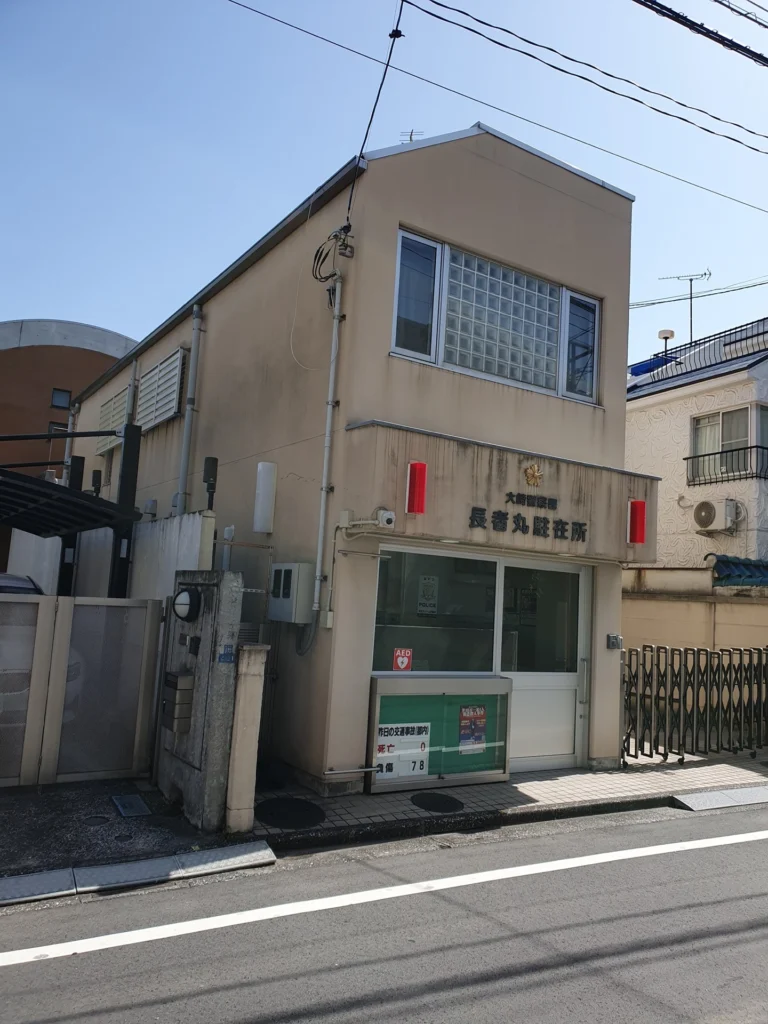
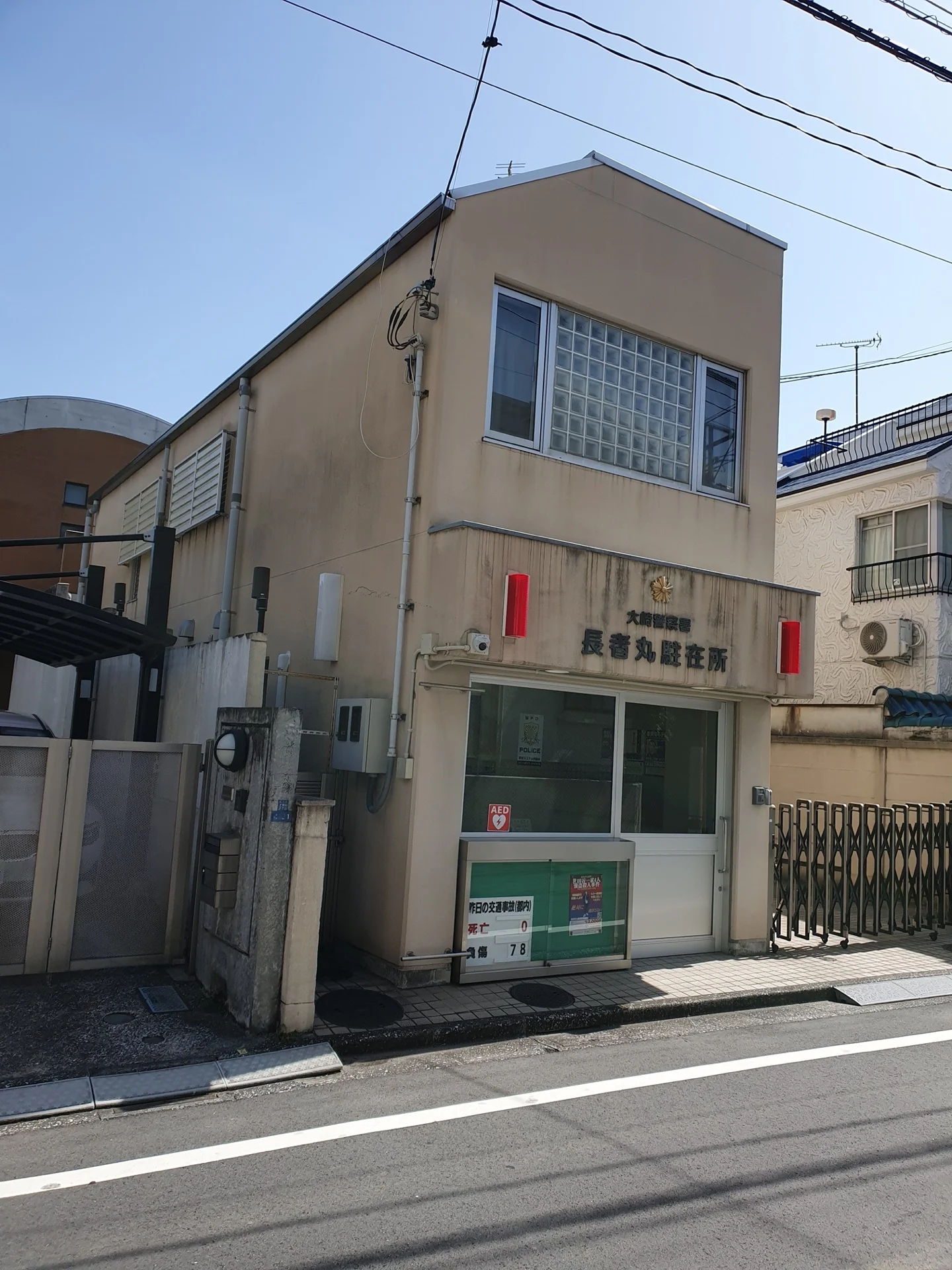
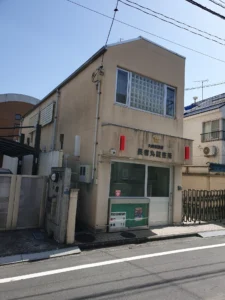
Tokyo’s reputation for safety is a good start, but take the same care you would in any big city. You will see small police boxes, called koban, on many street corners; if you get into trouble and cannot call, go to one. The risks to plan for are practical ones: nightlife scams, natural disasters, and medical costs. The sections below cover each one, with links to our detailed guides.
Emergency numbers to save
| Number | What it is for | Language and hours |
|---|---|---|
| 110 | Police: crimes, accidents | 24 hours; available in English, according to Shinjuku Police |
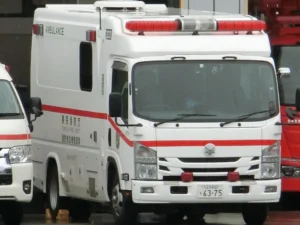
| 119 | Ambulance and fire | 24 hours |
| #9110 | Police advice when it is not an emergency | Check the police website |
| 050-3816-2787 | Japan Visitor Hotline (JNTO): illness, disasters and travel information | 24 hours, every day; English, Chinese, Korean |
| 03-5285-8181 | Tokyo medical information: hospitals with foreign-language staff | 9:00–20:00 daily; English, Chinese, Korean, Thai, Spanish |
| 0570-550-142 | Tokyo police Lost and Found Center | Check the police website |
If you need an ambulance and cannot call, show this to someone nearby: 救急車を呼んでください (kyūkyūsha o yonde kudasai, “Please call an ambulance”).
Nightlife: touts and overcharging
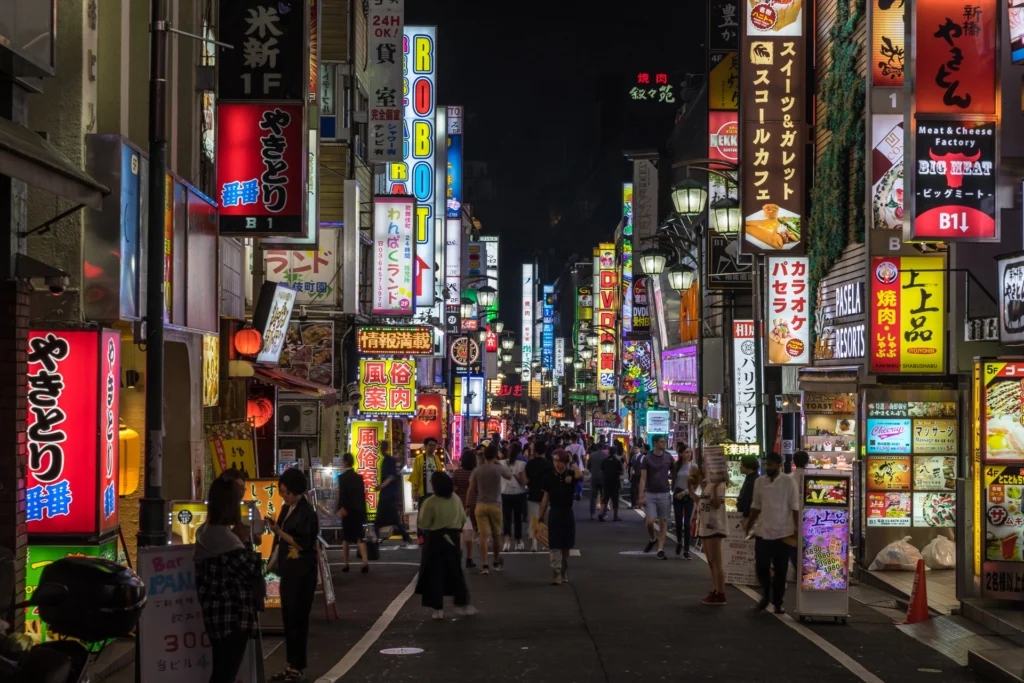
The main thing to avoid at night is the street tout. Shinjuku Police say that cases of people following touts and being overcharged at bars have been rising in Kabukicho, even though touting on the street is banned in Shinjuku. Their advice:
- Do not follow touts.
- On an all-you-can-drink plan, check that the drink you want is on the menu before you order. Drinks you buy for hosts or hostesses are charged separately.
- Check reviews of a bar online before you go.
- If you get into trouble, call 110 (available in English) or Shinjuku Police Station (03-3346-0110). If you cannot call, go to the nearest police box.
For a relaxed night out, see Tokyo at night and our Shinjuku guide.
Earthquakes and typhoons
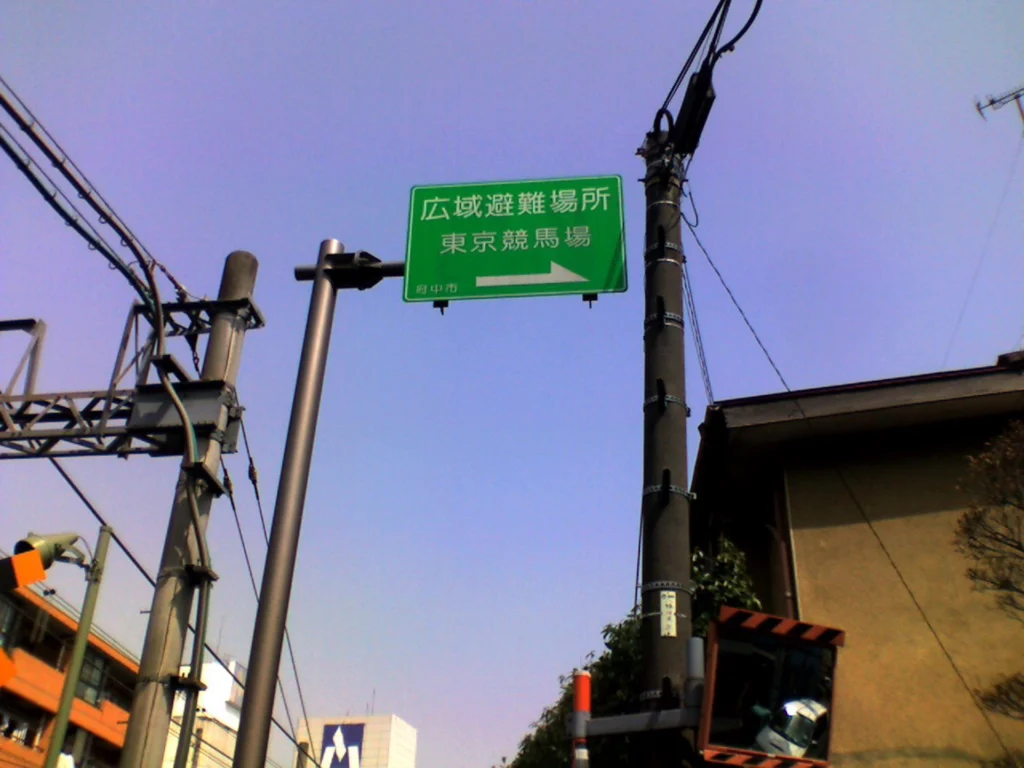
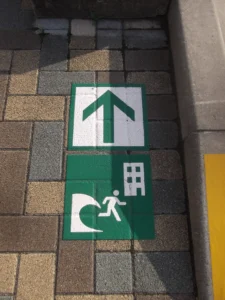
Japan has earthquakes, and Tokyo’s official travel guide gives simple advice: stay calm, do not rush outside, and follow the instructions of hotel, restaurant and shop staff, who are trained for this. Before you go, install the Safety Tips app, which sends earthquake early warnings and tsunami warnings to foreign visitors. See earthquake safety in Tokyo and typhoons in Tokyo.
If you get sick or hurt
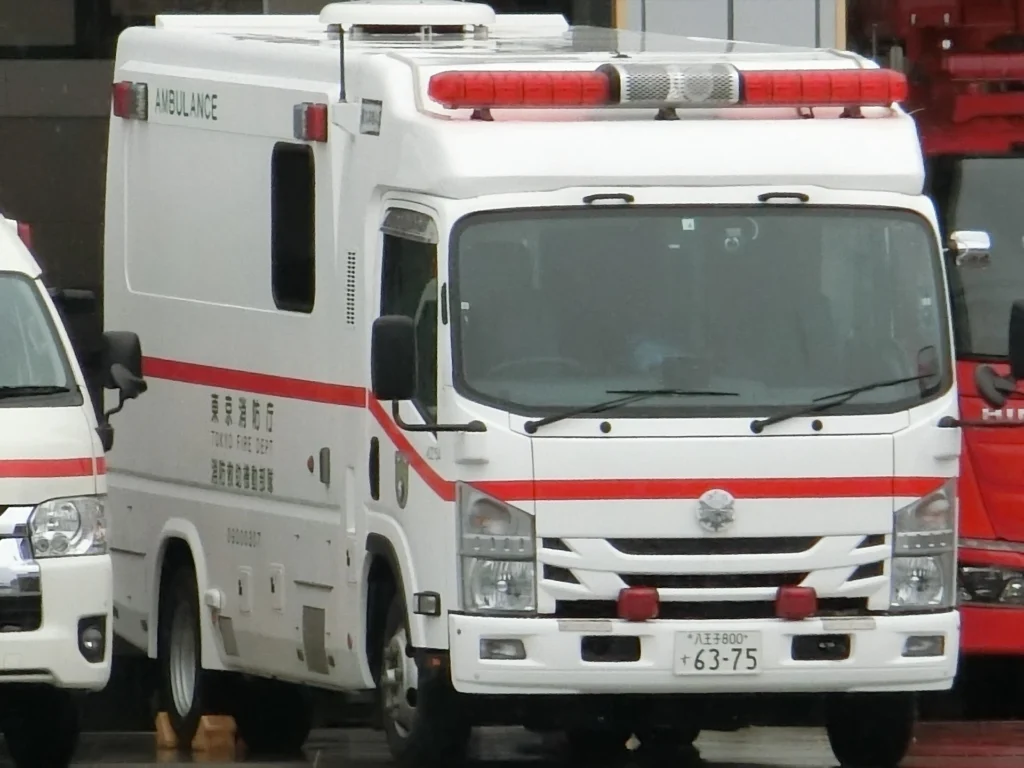
Call 119 for an ambulance in a serious emergency. For anything less urgent, the Tokyo medical information line (03-5285-8181) can tell you which hospitals and clinics have foreign-language staff. The Japan National Tourism Organization (JNTO) adds a few things to know:
- You cannot choose which hospital an ambulance takes you to.
- Major hospitals accept credit cards, but clinics often take cash only.
- Without travel insurance, you may have to pay the full cost. Visitors who do not pay their medical bills may be refused entry to Japan in the future.
Lost something?
Ask at the nearest koban, or call the Tokyo police Lost and Found Center (0570-550-142). Train lines and airports have their own lost-and-found offices. See lost and found in Tokyo.
FAQ
Is Tokyo safe at night?
Take the same care as in any big city. In nightlife areas such as Kabukicho, do not follow street touts, because police warn that people who follow them can be overcharged at bars.
What is the emergency number in Japan?
Call 110 for the police and 119 for an ambulance or fire. For help in English, the Japan Visitor Hotline (050-3816-2787) is open 24 hours.
What should I do in an earthquake?
Stay calm, do not rush outside, and follow staff instructions. The Safety Tips app sends earthquake and tsunami warnings to visitors.
Can I drink the tap water in Tokyo?
Yes. Tokyo tap water meets Japan’s national standards. See [tap water in Tokyo](/tap-water-in-tokyo/).
Related Articles
Sources
Numbers and advice come from the official sources below (checked November 2, 2026). Please check them again before you go.
- JNTO: Emergency and medical guide (official)
- Tokyo Metropolitan Police Department (English)
- Shinjuku Police Station: Tips for Safe Drinking in Shinjuku (PDF)
- GO TOKYO: Emergency information (official)
- GO TOKYO: Useful apps (official)
- Tokyo Metropolitan Government: Medical information in foreign languages