Researched guide · Last checked: Nov 16, 2026
Fussa, Hamura and Mizuho are three small towns on the Tama River in western Tokyo. Few guidebooks cover them. The Tokyo Metropolitan Government says this area has the largest fully developed American neighborhood in Tokyo, next to a quiet mix of shrines, parks and local shops. This guide shows how to get there, what to see and how to plan one day.
Quick answer
Fussa Station and Hamura Station are each about 45 minutes from Shinjuku Station by the Chuo and Ome lines, according to the Tama tourism site. Hakonegasaki Station, for Mizuho, is about 1 hour 30 minutes by the Chuo and Hachiko lines. The towns are close to each other, but the sights are spread out.
The official site says a car is the easiest way to move between the three towns. By train, plan fewer stops and check your route in a transit app.
Overview
| Where | Fussa City, Hamura City and Mizuho Town, along the Tama River in western Tokyo |
| Stations | Fussa and Hamura (JR Ome Line), Hakonegasaki (for Mizuho, JR Hachiko Line), and Haijima |
| From Shinjuku | About 45 minutes to Fussa or Hamura (Chuo and Ome lines). About 1 hour 30 minutes to Hakonegasaki (Chuo and Hachiko lines). Tama tourism site |
| Time needed | A full day for three or four stops. Our suggestion, not an official figure |
| Good for | Retro American shops, small shrines, parks, spring flowers, sake |
| Source | Tokyo Metropolitan Government Tama tourism site (official, English) |
| Last checked | November 2026 (on November 16, 2026) |
Getting There
Take the JR Chuo Line from Shinjuku and change to the JR Ome Line for Fussa and Hamura. The Tama tourism site gives about 45 minutes for each. For Mizuho, the site lists Hakonegasaki Station at about 1 hour 30 minutes via the Chuo and Hachiko lines. By car, it lists about 1 hour 20 minutes from Shinjuku. Times change with the train you catch, so check them in a route app. For train basics and IC cards, see trains in Tokyo and how to use Suica.
The official article lists four stations for the area: Fussa, Hakonegasaki, Haijima and Hamura. The stops in this guide are spread across several neighborhoods. We did not find bus routes or fares on the official pages, so check them on the day.
Fussa: Base Side Street and American House
Fussa Base Side Street runs along the edge of U.S. Yokota Air Base. The Tama article says the street has been shaped by American forces based here since the end of World War II.
- Food. The article names burger and bagel shops and small bakeries with New York-style sweets. One example is The MINT MOTEL, a retro mint-green diner next to the thrift shop BIG MAMA.
- Thrift shops. The article counts around 30 thrift stores selling American vintage signs, dining sets, cutlery and clothes. It also names Narnia and TABASA.
- Fussa American House. Built in 1958 as a home for U.S. military staff, it is now a free community museum with period furniture and exhibits.
- Money. The article says many places on the street also accept U.S. dollars. Check before you pay.
The American House is open most Fridays, Saturdays, Sundays and public holidays, from 11:00 to 17:00, according to the Tama article. It asks you to confirm opening hours online first.
Hamura: Maimaizu Well and Tama River
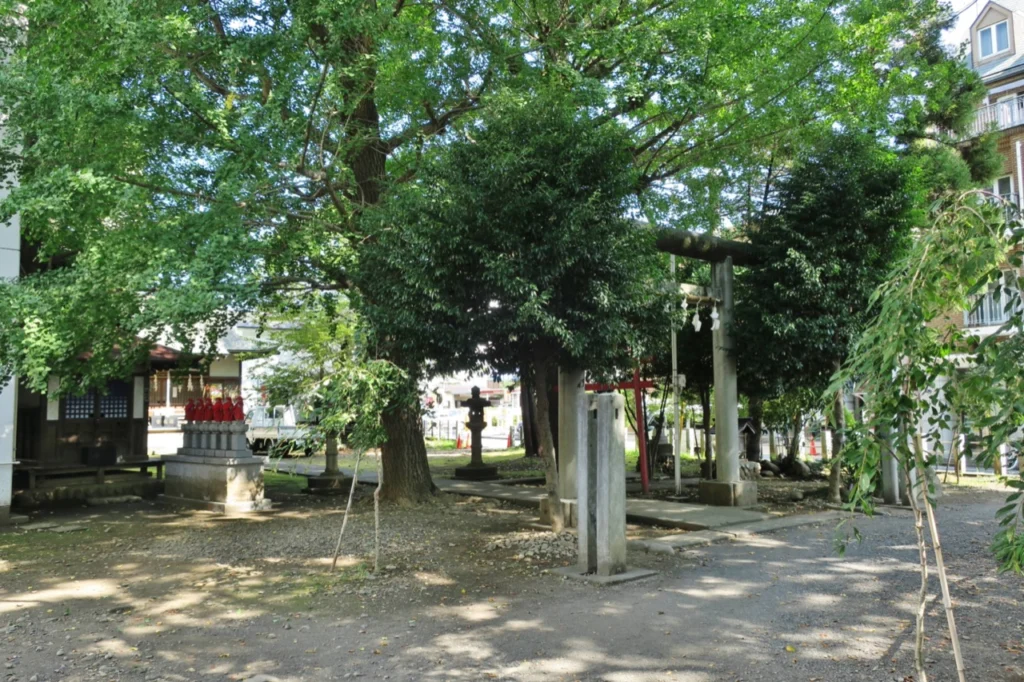
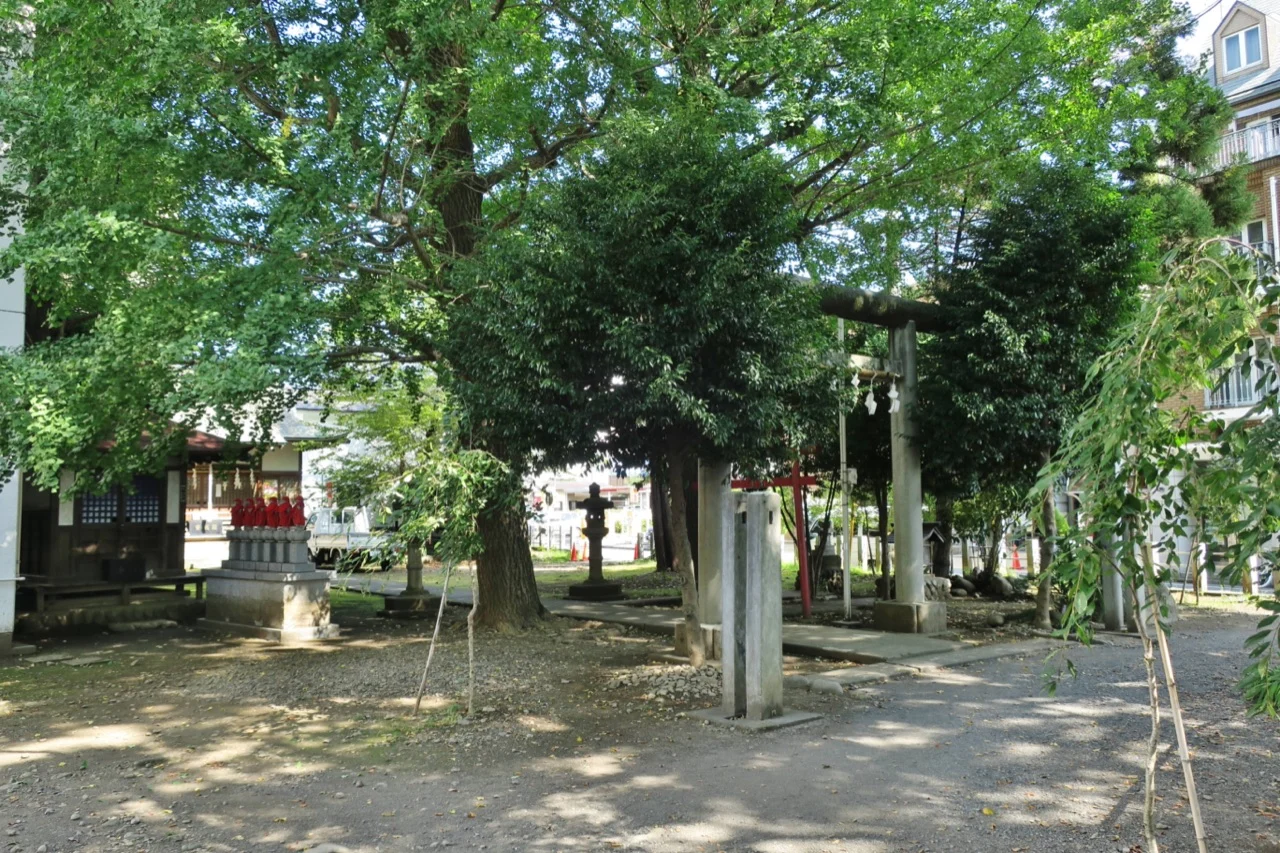
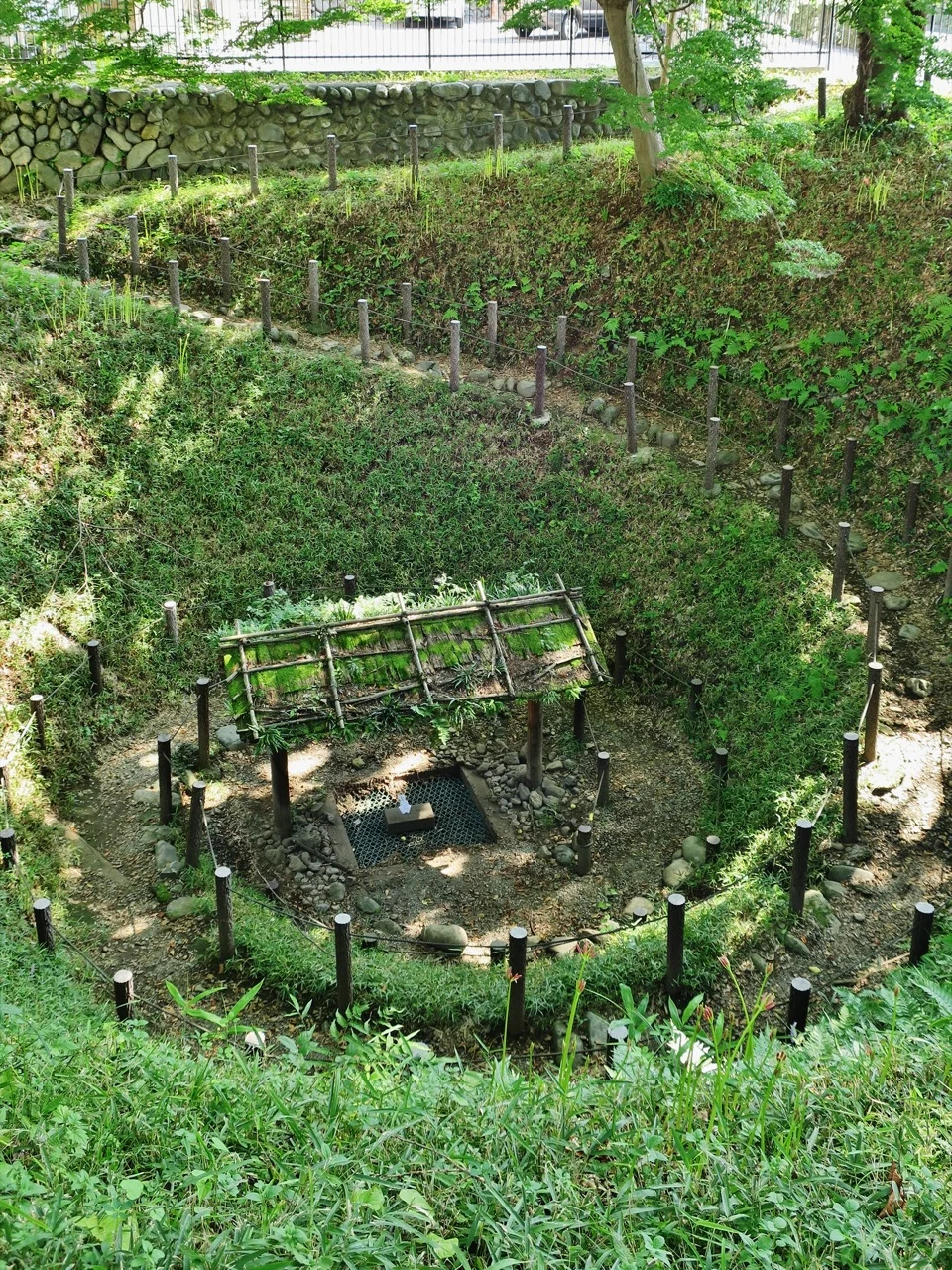
Gonokami Shrine is a two-minute walk from Hamura Station. Next to it is Maimaizu Well, which the Tama article says has more than 900 years of history. “Maimai” means snail. The name refers to the spiral steps that lead down to the water. The well is now sealed and kept as a historic site.
For lunch, the Tama day itinerary suggests ZONAVOCE, a wood-fired pizza restaurant about 10 minutes on foot from Hamura Station. Opening days and prices are not listed on the official pages, so check them first.
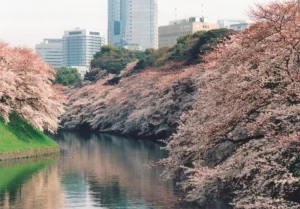
In spring, the Tama bicycle itinerary follows the Tama River by bike. It lists the Hamura Intake Weir, Sakurazutsumi Park and a path lined with some 500 cherry trees. It also names Negaramimae Paddy, a tulip field with 350,000 tulips of 20 kinds. Bloom dates change each year, so check before you go. See cherry blossoms in Tokyo and Tokyo in April.
Mizuho and Fussa: Parks, Shrine and Sake
- Sayamaike Park, Mizuho. A 15-minute walk from Hakonegasaki Station. It has three connected ponds, a short loop path, and is known locally for kingfishers (Tama article).
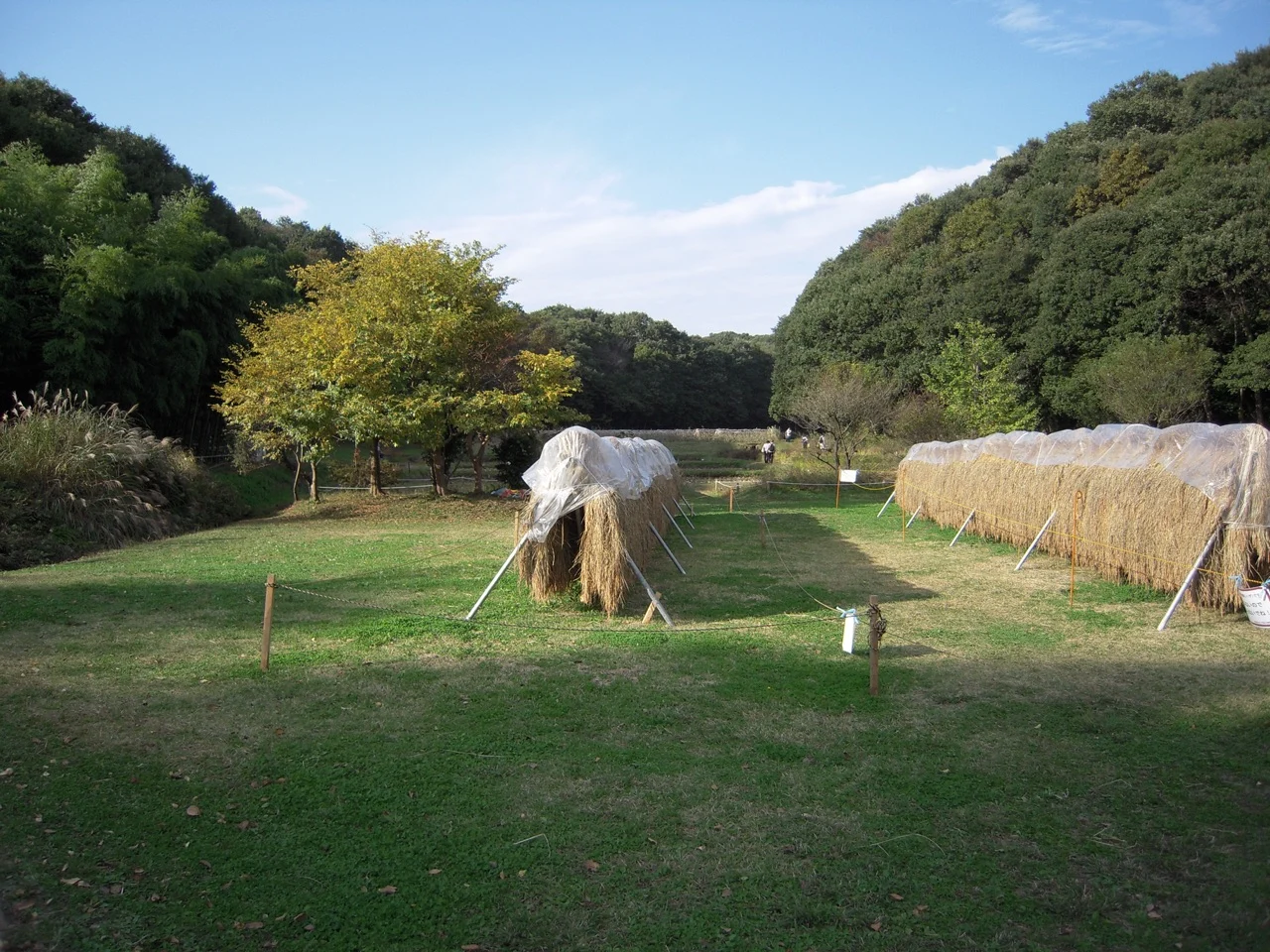
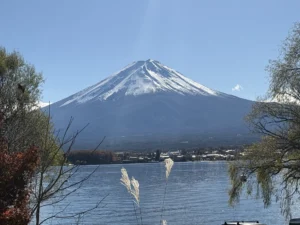
- Rokudoyama Park, Mizuho. A red-brick observation tower, 13 m tall, gives a 360-degree view. The article says you can see Mt. Fuji, the Chichibu Mountains and the Shinjuku skyline. The park also has recreated rice paddies and a reconstructed old farmhouse.
- Kumagawa Shrine, Fussa. A quiet shrine tied to local folk beliefs, with stone statues of the Seven Deities of Fortune along the approach (Tama article).
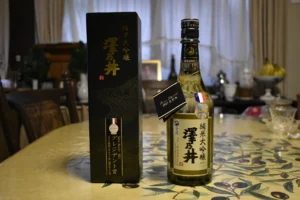
- Ishikawa Brewery, Fussa. The spring itinerary lists a sake museum, a brewery tour and seasonal dishes. For details and booking, see our sake brewery guide.
A One-Day Plan
The Tama tourism site publishes a one-day itinerary. The times below come from it. It is written for a car, so on public transport you will need to drop a stop or two.
| Time | Stop |
|---|---|
| 09:00 | Fussa Station |
| 09:15 | Sayamaike Park |
| 10:30 | Rokudoyama Park observation tower |
| 11:45 | Lunch at ZONAVOCE, Hamura |
| 13:00 | Gonokami Shrine and Maimaizu Well |
| 14:00 | Fussa Base Side Street |
| 16:00 | Fussa American House |
| 18:00 | Fussa Station |
Our suggestion by train: skip Mizuho and choose Hamura and Fussa. Start at Hamura Station, visit the shrine and well, then ride to Fussa for the street and American House. Check the American House days first, because it is not open every day.
Seasons and Events
- Spring. Cherry blossoms along the Tama River and the tulip field (Tama bicycle itinerary). The same itinerary mentions Sayama Katakuri-no-Sato, where you can look for rare white dogtooth violets.
- Autumn. The Tama article says Gonokami Shrine’s path can turn golden with fallen leaves, and Sayamaike Park has red and gold leaves. See autumn leaves in Tokyo.
- Summer. Fussa holds a Tanabata festival. See our Fussa Tanabata Festival page for dates.
For nearby western Tokyo trips, see the Ome guide, the Akiruno and Akigawa Valley guide, the Okutama guide, the Tachikawa and Kunitachi guide and day trips from Tokyo.
Tips Before You Go
- Check hours. The official article says hours may change at peak times and on public holidays.
- Allow extra time. The sights are far apart. Leave time to move between stops.
- Respect the neighborhood. The shrines and the American House sit in residential areas. Keep voices low.
- Book ahead in busy seasons. The Tama site advises booking a stay early in cherry blossom and autumn leaf season.
FAQ
Where are Fussa, Hamura and Mizuho?
They are neighboring towns along the Tama River in western Tokyo. The Tokyo Metropolitan Government Tama tourism site covers them as one area.
How long does it take from Shinjuku?
The Tama tourism site lists about 45 minutes to Fussa or Hamura Station by the Chuo and Ome lines, and about 1 hour 30 minutes to Hakonegasaki Station for Mizuho. Check your train in a route app.
What is Fussa Base Side Street?
It is a street along U.S. Yokota Air Base with American-style diners, bakeries and about 30 thrift shops, according to the Tama tourism site.
Is Fussa American House free?
The Tama article calls it a free community museum. It is open most Fridays, Saturdays, Sundays and public holidays from 11:00 to 17:00. Check the days before you visit.
Can I do all three towns by train in one day?
The official site says a car is the most convenient way to move between them. By train, choose two towns and check your route first.
A sake brewery in Fussa is one of the four tours in our factory tours guide.
Keep reading
Related guides
Sources
The facts come from the official pages below, and the Tokyo notes from our own pages. Last checked: November 2026 (on November 16, 2026). Hours, fares and bloom dates change, so please check before you go.
- Tokyo Metropolitan Government Tama tourism site: Mizuho / Fussa / Hamura (official, English)
- Tama tourism site: 6 Things to Do in West Tokyo, a day trip to Fussa, Mizuho and Hamura (official, English)
- Tama tourism site: Exploring Mizuho, Fussa and Hamura in a Day (official, English)
- Tama tourism site: See Spring in Full Bloom on a Bicycle Ride through Fussa, Hamura and Mizuho (official, English)