Researched guide · Last checked: Nov 15, 2026
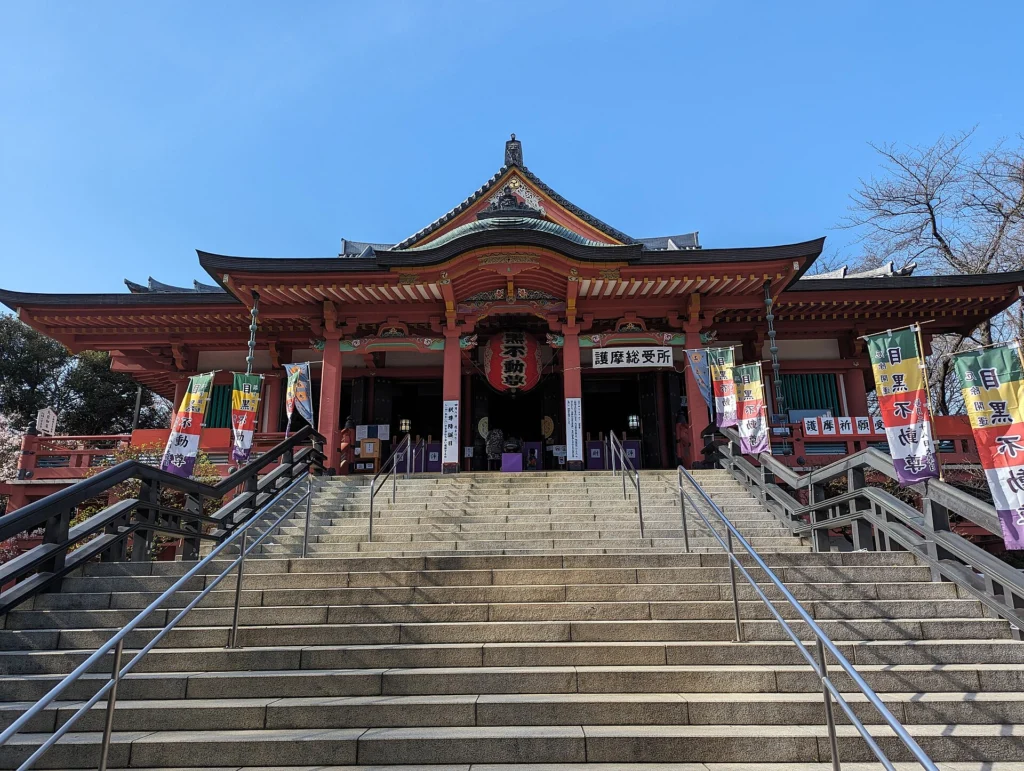
Meguro Fudo is the popular name of Ryusenji, a Tendai Buddhist temple in Shimo-Meguro, Meguro City. It is dedicated to Fudo Myoo, a fierce-looking Buddhist guardian deity. The temple’s own story says the monk Jikaku Daishi (Ennin) started it in 808. In the 1600s the shogun Tokugawa Iemitsu rebuilt its halls, and Meguro Fudo became a popular place for worship and day trips from Edo (old Tokyo).
Quick answer
A Buddhist temple (Tendai sect) dedicated to Fudo Myoo.
Hours: Temple hours are not listed in the official sources we checked; check before you go. Admission: No entry fee is listed in the official sources we checked.
Quick facts
| What it is | A Buddhist temple (Tendai sect) dedicated to Fudo Myoo |
| Known for | The Tokko waterfall, Edo-period halls and the grave of Aoki Konyo |
| Hours | Temple hours are not listed in the official sources we checked; check before you go |
| Admission | No entry fee is listed in the official sources we checked |
| Address | 3-20-26 Shimo-Meguro, Meguro City |
| Nearest station | Fudomae Station (Tokyu Meguro Line), about 15 minutes on foot |
| Last checked | November 2026 |
What to see
- Tokko-no-taki waterfall: the legend says Jikaku Daishi threw a tokko (a Buddhist ritual tool) here and a spring burst out. Two streams of water pour from bronze dragon heads. It has been used for water purification by believers and does not dry up all year.
- Mae-Fudo-do: the hall to the left of the waterfall, with a standing statue of Fudo Myoo. It is a Tokyo-designated cultural property.
- Seishi-do: a small hall from around the middle of the Edo period, one of the few Edo-era buildings here that survived the temple’s many fires. It is a Meguro City cultural property.
- Grave of Aoki Konyo: behind the main hall is the grave of Aoki Konyo, known as “Kansho Sensei” (Mr. Sweet Potato). The stone reads “Grave of Kansho Sensei”.
- Hiyoku-zuka: in front of the Nio-mon gate is a memorial to the lovers Shirai Gonpachi and Komurasaki, well known from old stage plays.
History
A fire in 1615 burned almost all the temple’s buildings, but the main Fudo statue and its sword were saved. Meguro City’s history notes tell a story about Iemitsu: his favorite hawk went missing while he was hunting near Meguro, and it came back after the temple’s monks prayed. Iemitsu then rebuilt the halls. With the shogun’s support, the temple and the shops at its gate grew busy. Its tomikuji (an Edo-period lottery) also drew crowds.
Kansho Festival
Every year on October 28, the temple holds the Kansho Festival (Sweet Potato Festival) in memory of Aoki Konyo. Stalls sell sweet potatoes and daigaku imo (candied sweet potato), and many people visit. The 28th of each month is the temple’s fair day.
Getting there
- Fudomae Station (Tokyu Meguro Line): about 15 minutes on foot.
- Meguro Station (JR, Tokyu Meguro Line): about 20 minutes on foot.
- Tokyu Bus Shibu 72 (Shibuya Station East Exit to Gotanda Station): get off at “Meguro Fudoson”, right by the temple.
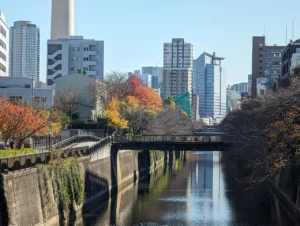
Meguro Fudo is part of a walk through old temples in our Meguro and Shirokanedai guide. Nearby you can visit the Meguro Parasitological Museum or walk along the Meguro River. Before you visit, read our shrine and temple etiquette guide.
Also nearby: Meguro and Shirokanedai day itinerary
FAQ
What is Meguro Fudo?
It is the popular name of Ryusenji, a Tendai Buddhist temple in Meguro City dedicated to Fudo Myoo.
Who is Fudo Myoo?
A Buddhist guardian deity, usually shown with a fierce face. The temple’s main image is a statue of Fudo Myoo.
What is the Tokko waterfall?
A small waterfall from two bronze dragon spouts. Legend says it began when Jikaku Daishi threw a Buddhist tool called a tokko.
When is the Sweet Potato Festival?
Every October 28, in memory of Aoki Konyo, whose grave is at the temple.
What is the nearest station?
Fudomae Station on the Tokyu Meguro Line, about 15 minutes on foot. Buses from Shibuya stop right by the temple.
Keep reading
Sources
Facts come from Meguro City’s official website (Last checked: November 15, 2026). This page is based on official sources, not our own visit. Last checked: November 2026 (on November 15, 2026).