Researched guide · Last checked: Nov 15, 2026
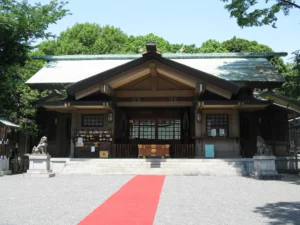
Shinagawa Shrine (Shinagawa Jinja) is a Shinto shrine in Kita-Shinagawa, Shinagawa City, 1 minute on foot from Shimbamba Station on the Keikyu Line. It was founded in 1187, when Minamoto no Yoritomo brought a goddess here from a shrine in Awa (now Tateyama, Chiba) and prayed for safe sea travel. Tokugawa Ieyasu prayed here before the Battle of Sekigahara in 1600. In 1868 Emperor Meiji named it one of the ten shrines that pray for the safety of Tokyo, now called the Tokyo Jissha.
Quick answer
A Shinto shrine founded in 1187.
Hours: Shrine office 9:00–17:00. Gate hours are not listed on the official website; check before you go. Admission: No entry fee is listed on the official website.
Quick facts
| What it is | A Shinto shrine founded in 1187 |
| Known for | Its Fuji mound, gifts from Tokugawa Ieyasu, and the June festival on the 53 stone steps |
| Hours | Shrine office 9:00–17:00. Gate hours are not listed on the official website; check before you go |
| Admission | No entry fee is listed on the official website |
| Address | 3-7-15 Kita-Shinagawa, Shinagawa City |
| Nearest station | Shimbamba Station (Keikyu Line), North Exit, about 1 minute on foot |
| Last checked | November 2026 |
What to see
- Fuji mound (Shinagawa Fuji): a small hill built from 1869 to 1872 as a copy of Mount Fuji. People believed climbing it brought the same blessings as climbing the real mountain. A ceremony opens it for the climbing season in early July. It is a Shinagawa City cultural property.
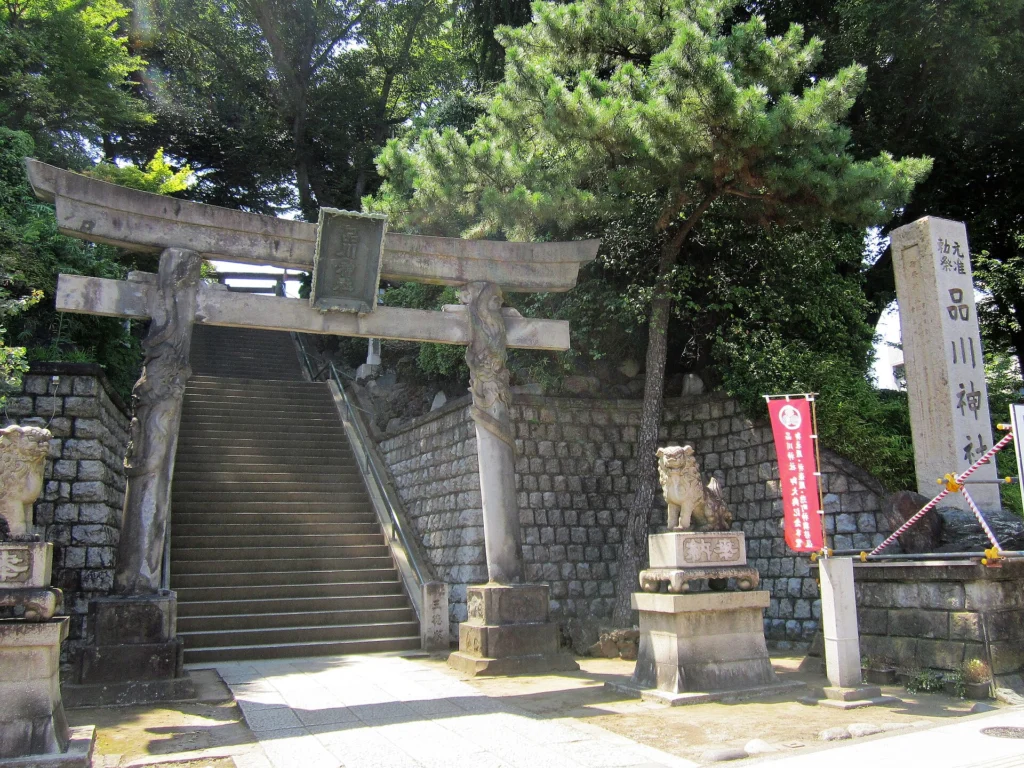
- Stone torii and water basin: given in 1648 by Hotta Masamori, an aide of the third shogun. The shrine says this torii (shrine gate) is the second-oldest stone torii in Tokyo after the one at Ueno Toshogu.
- Main hall: rebuilt in 1964 and repaired in 2020.
- Treasures: after his victory in 1600, Tokugawa Ieyasu gave the shrine a mask called “Tenka Ichinome no Men” and the Aoi mikoshi (portable shrine). The mikoshi is a Shinagawa City cultural property.
Treasure hall
The treasure hall is open 9:30–16:30 during the New Year period, during the June festival and on Saturdays, Sundays and holidays in November. On other days you must book in advance, and bookings are not always possible because of shrine events.
Festivals and events
- Grand festival (Kita no Tenno-sai): on the Friday to Sunday closest to June 7. On Sunday, people carry the shrine’s mikoshi up and down the 53 stone steps at the front. The mask from Ieyasu is fixed on the mikoshi’s roof.
- Daidai kagura: sacred dance and music, a Tokyo intangible folk cultural property. It is performed four times a year: January 1, the spring festival in April, the June festival and the Niiname-sai harvest festival on November 23.
- Tokai Shichifukujin: a New Year walk to seven shrines and temples of the Seven Lucky Gods, held from January 1 to Coming of Age Day, 9:00–17:00. Shinagawa Shrine is one of the stops.
- Nanatsu Torii Meguri: on the spring and autumn equinox days, people walk through the seven stone torii in the grounds to pray for good health.
Getting there
- Shimbamba Station (Keikyu Line): North Exit, about 1 minute on foot. Only local trains stop here. From Shinagawa, ride in the last car; from the Yokohama side, ride in the first car.
- Shinagawa Station (JR): about 15 minutes (800 m) on foot, or about 5 minutes by taxi.
- Bus: Tokyu Bus Shina 94 or Shibu 41 from Oimachi Station to “Shimbamba-eki”, then 3 minutes on foot.
Plan the area with our Shinagawa guide. Sengakuji Temple, the temple of the 47 ronin, is a short ride away, and Tokyo’s oldest stone torii stands at Ueno Toshogu. Before you visit, read our shrine and temple etiquette guide.
Also nearby: Shinagawa Day Itinerary: Sengakuji, Shinagawa Shrine and Aquarium
FAQ
When was Shinagawa Shrine founded?
In 1187. Minamoto no Yoritomo brought a goddess here from a shrine in Awa (now Chiba) to pray for safe sea travel.
What is the Fuji mound?
A small copy of Mount Fuji built from 1869 to 1872. People believed climbing it gave the same blessings as climbing the real mountain.
When is the treasure hall open?
9:30–16:30 during the New Year period, the June festival and on weekends and holidays in November. Other days need a booking.
When is the big festival?
On the Friday to Sunday closest to June 7. On Sunday the mikoshi is carried up and down the 53 stone steps.
What is the nearest station?
Shimbamba Station on the Keikyu Line, about 1 minute on foot from the North Exit.
Keep reading

Sources
Facts come from Shinagawa Shrine’s official website (checked November 15, 2026). This page is based on official sources, not our own visit. Last checked: November 2026 (on November 15, 2026).
- Shinagawa Shrine: Deities and history (official, Japanese)
- Shinagawa Shrine: Treasures and cultural properties (official, Japanese)
- Shinagawa Shrine: Annual events (official, Japanese)
- Shinagawa Shrine: Tokyo Jissha and Tokai Shichifukujin (official, Japanese)
- Shinagawa Shrine: Access (official, Japanese)