Researched guide · Last checked: Nov 14, 2026
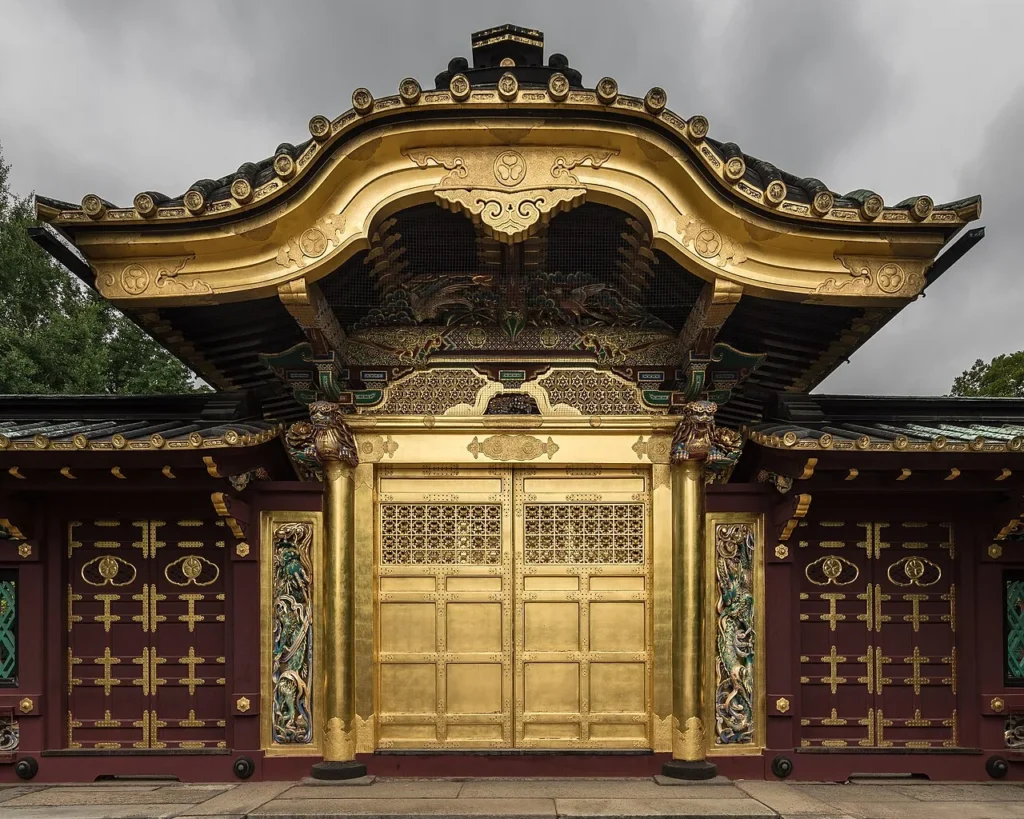
Ueno Toshogu is a Shinto shrine in Ueno Park, founded in 1627 to honor Tokugawa Ieyasu, the first Tokugawa shogun. Its golden main hall (Konjikiden), Karamon gate and Sukibei wall were built in 1651 by the third shogun, Iemitsu. They survived wars and earthquakes and are national Important Cultural Properties. The grounds are free; a paid area lets you see the golden hall up close.
Quick answer
Ueno Toshogu is a Shinto shrine in Ueno Park, founded in 1627 to honor Tokugawa Ieyasu, the first Tokugawa shogun.
Admission: Grounds free. Inner area (inside the Sukibei wall): adults 700 yen, elementary school children 300 yen. Hours: Grounds 9:00-16:30 (October-February), 9:00-17:30 (March-September). Closed: Open every day (may close in bad weather).
Quick facts
| What it is | A Shinto shrine to Tokugawa Ieyasu, founded in 1627 |
| Hours | Grounds 9:00-16:30 (October-February), 9:00-17:30 (March-September) |
| Admission | Grounds free. Inner area (inside the Sukibei wall): adults 700 yen, elementary school children 300 yen |
| Closed | Open every day (may close in bad weather) |
| Address | 9-88 Ueno Koen, Taito City |
| Nearest station | JR Ueno Station, Park Exit, about 10 minutes |
| Last checked | November 2026 (on November 14, 2026) |
What to see
- Konjikiden (golden hall): built in 1651, with gold leaf and colorful carvings. The inside is closed to protect it, but the paid area lets you see it up close.
- Karamon gate: a gold gate from 1651. Its pillars have carvings of a rising and a descending dragon.
- Sukibei wall: a see-through wall around the hall with more than 250 carvings of animals, birds and sea life.
- Copper lanterns: 48 lanterns given by feudal lords, also Important Cultural Properties.
Peony garden
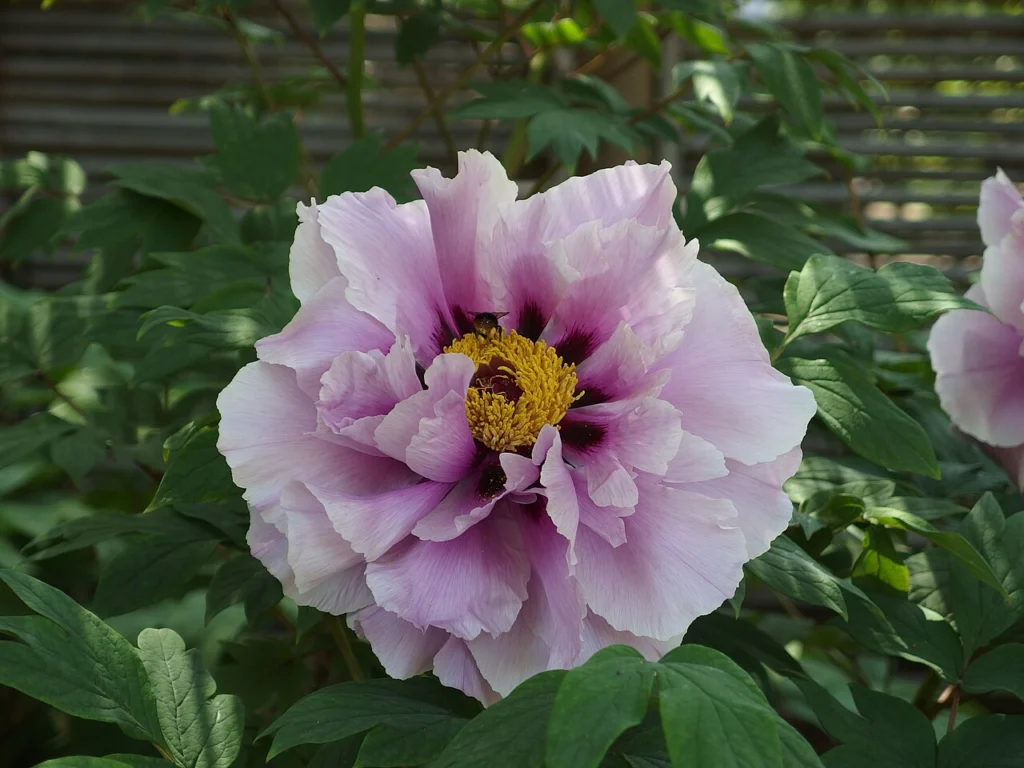
The shrine’s peony garden opens only in certain seasons: winter peonies from January 1 to mid-February, a spring peony festival from mid-April to mid-May, and a dahlia garden from late September to early October. Entry is 700 yen for adults and free for elementary school children and younger. Check the shrine’s site for this year’s dates.
Tips
- The paid inner area opens 9:30-16:00 (October-February) and 9:30-17:00 (March-September).
- The shrine’s English page lists an older fee. The Japanese page lists 700 yen for adults; check before you go.
- There is no parking at the shrine. Take the train.
Getting there
- JR Ueno Station: Park Exit, about 10 minutes on foot.
- Ueno Station (Tokyo Metro Ginza and Hibiya Lines): about 10 minutes.
- Keisei Ueno Station: about 12 minutes.
Plan the rest of your day with our Ueno guide and Tokyo National Museum page. Also see shrine and temple etiquette.
FAQ
Is Ueno Toshogu free?
The grounds are free. The inner area inside the Sukibei wall costs 700 yen for adults and 300 yen for elementary school children.
Can I go inside the golden hall?
No. The inside is closed to protect it, but from the paid area you can see it up close.
Which station is closest?
JR Ueno Station, Park Exit, about 10 minutes on foot.
Sources
Facts come from Ueno Toshogu’s official website (Last checked: November 14, 2026). Hours can change with weather and season, so check before you go.
Also nearby: Ueno and Yanaka: museum and old Tokyo day (itinerary)
Comments
[…] Access · National Museum of Nature and Science: Dinosaurs and a Life-Size Blue Whale in Ueno · Ueno Toshogu · Ueno Zoo and Science […]