Researched guide · Last checked: Nov 17, 2026
Nihon buyo is Japanese classical dance. It grew out of Kabuki theater, and dancers use slow, careful steps, kimono and a folding fan. In Tokyo, a few small studios let beginners try it. This guide compares two options, using each operator’s own page for prices, time and booking.
Quick answer
You can try nihon buyo in Tokyo through two operators we checked. A private lesson near Shibuya (oh-mama.tokyo) costs ¥21,000 for one guest for 1 hour, or ¥15,000 per person for 2 to 4 guests for 1.5 hours. Kimono and tea are included.
Beautiful Day Tours lists a 2-hour session from ¥8,140, tax included. Its page does not say that kimono is included, so ask before you book.
| Option A | Private lesson in a Japanese home near Shibuya (oh-mama.tokyo) |
| Option A time and price | 1 hour: ¥21,000 for 1 guest. 1.5 hours: ¥15,000 per person for 2 to 4 guests. Kimono and tea included |
| Option A booking | Inquiry form, at least 3 days before your date. Private bookings only. The page says it accepts reservations only through February 2027 |
| Option B | Traditional Japanese Dance Experience (Beautiful Day Tours) |
| Option B time and price | About 2 hours, from ¥8,140, tax included |
| Option B booking | Choose a date and time on the operator’s page and send the request. The place and instructor are told after booking |
| Last checked | November 2026 (on November 17, 2026) |
What Is Nihon Buyo?
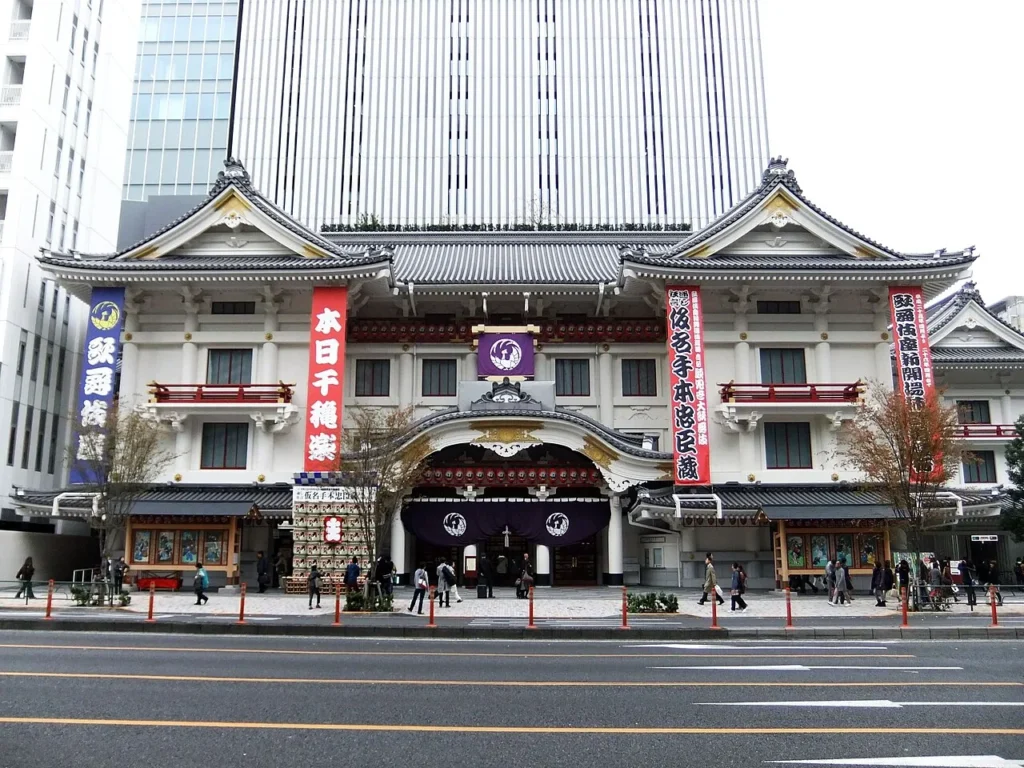
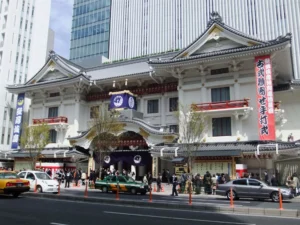
Nihon buyo (Japanese dance) is a classical dance form. Oh-mama.tokyo says it comes from 17th-century Kabuki theater, and that dancers use props such as folding fans, umbrellas and tenugui towels. There are female and male styles. The main ideas are sliding steps, good posture and quiet stillness. For the theater side, see our Kabuki in Tokyo guide and our Kabuki-za page.
Option A: A Private Lesson Near Shibuya
Oh-mama.tokyo runs the lesson in a traditional Japanese home, which it describes as minutes from Shibuya. The page is in English and the opening talk is given in English. The teacher is Nancy Ota, who the page lists as an accredited master (natori) and certified instructor (shihan) of the Nishikawa school. The page does not give a street address, so ask when you book.
The 90-minute plan on the page
- 0 to 15 minutes: an introduction to nihon buyo, its link to Kabuki, and kimono and props
- 15 to 30 minutes: casual kimono dressing
- 30 to 70 minutes: a seated greeting, posture, sliding steps, head movements and fan use, then a short dance to “Sakura Sakura”
- 70 to 80 minutes: changing and a closing greeting
- 80 to 90 minutes: tea, snacks and conversation
No dance experience is required. Booking is private only. Contact the studio at least 3 days before your date, using the inquiry form on the official page. The page says that reservations are open only through February 2027.
Option B: A 2-Hour Session With Beautiful Day Tours
This session is about 2 hours and starts from ¥8,140, tax included. The operator says you learn from one of three students of a Hanayagi-school dancer and choreographer, depending on the day, and that you wear a kimono. The price list shows only the experience fee and tax, so check on the booking page whether the kimono is included. The place and instructor details are sent after you book.
- Children under 13 must come with a guardian.
- Guests who are unwell or have been drinking cannot take part.
- If you are late, you may miss part or all of the session.
- Ask the instructor before you take photos.
- Communicate with the operator only through the booking site, as the page says. Do not send money outside it.
Book on the operator’s page. The page does not state the language, group size or cancellation rule, so ask first.
Which Option Fits You?
| Option A (oh-mama.tokyo) | Option B (Beautiful Day Tours) | |
|---|---|---|
| Time | 1 hour or 1.5 hours | About 2 hours |
| Price | ¥21,000 (1 guest) or ¥15,000 per person (2 to 4) | From ¥8,140, tax included |
| Kimono | Included | Described on the page, but not listed as included |
| Language | English | Not stated on the page |
| Group | Private only | Not stated on the page |
Plan the Rest of Your Day
- Kabuki in Tokyo: how to see a Kabuki show
- Ginza and Kabuki-za day itinerary: a day around the theater
- Shibuya guide: the area near Option A
- Kimono rental in Tokyo: if you want to wear a kimono on a walk
- Tea ceremony in Tokyo: another quiet tradition
- Best experiences in Tokyo: more ideas
FAQ
How much is a nihon buyo experience in Tokyo?
Oh-mama.tokyo lists ¥21,000 for one guest for 1 hour, or ¥15,000 per person for 2 to 4 guests for 1.5 hours, with kimono and tea. Beautiful Day Tours lists a 2-hour session from ¥8,140, tax included.
Do I need dance experience?
Oh-mama.tokyo says no prior experience is needed. Beautiful Day Tours describes a session for people who want to learn the movements, and lists no experience requirement.
Is a kimono included?
Oh-mama.tokyo includes kimono and tea. The Beautiful Day Tours page mentions wearing a kimono, but its price list does not name it, so check when you book.
Is it in English?
Oh-mama.tokyo’s page is in English and its opening talk is in English. The Beautiful Day Tours page does not state the language, so ask the operator.
Can children join?
Beautiful Day Tours says children under 13 must come with a guardian. Oh-mama.tokyo does not state an age rule, so ask the studio.
How far ahead should I book?
Oh-mama.tokyo asks you to contact it at least 3 days before your date and takes reservations only through February 2027. Check the Beautiful Day Tours calendar for open dates.
Keep reading
Sources
Facts come from each operator’s official English page, read on November 17, 2026. Prices, dates and rules can change, so please check before you go.