Researched guide · Last checked: Nov 15, 2026
Obon is one of Japan’s major holidays. It is a Buddhist time to honor ancestors, when many people travel to their hometowns. For visitors it means busy trains, some closed businesses, and a chance to see Bon Odori dancing and lanterns. This guide explains the meaning and what to expect.
Quick answer
Obon is an annual Buddhist event to commemorate ancestors, according to JNTO. Families believe the spirits of their ancestors return home to reunite with them. It usually runs around August 13 to 16, but the timing varies between regions. Bon Odori is a folk dance that anyone can join.
Obon is not a national holiday, but many companies close for a few days and trains are busy. Book trains and hotels early, and check local event dates.
Overview
| What it is | A Buddhist event to honor ancestors. Families clean their homes, visit graves and make offerings |
| When | Usually around August 13 to 16. The timing varies between regions (JNTO) |
| What you may see | Lanterns, Bon Odori dances with taiko drums, and floating lanterns on rivers |
| Effect on travel | Many people go to their hometowns. Many companies close for a few days and trains are busy |
| Source | JNTO and GO TOKYO (official tourism organizations, English pages) |
| Last checked | November 2026 (on November 15, 2026) |
What Is Obon?
JNTO calls Obon an annual Buddhist event held to commemorate ancestors, and says it is as influential to people’s lives as the New Year. Families believe the spirits of their ancestors return home to reunite with them, which is why many people travel to their hometowns. JNTO says the dates are usually around August 13 to 16 and vary between regions.
What Families Do
- Prepare. JNTO says the three-day observance includes cleaning homes, visiting family graves and placing food offerings before the butsudan (the Buddhist altar at home).
- Make a horse and a cow. Families make animal figures from cucumbers, eggplants and disposable chopsticks. JNTO says the horse is meant to bring ancestors back quickly, and the cow to send them back slowly.
- Lanterns. JNTO describes toro nagashi, the lantern floating, in which lit paper lanterns with family crests are floated down a river on the last evening of Obon. It says the event was first held in 1946.
Bon Odori: The Obon Dance
JNTO says Bon Odori is a folk dance with a history of about 500 years. It was performed to welcome and send off ancestral spirits, and some dancers wear masks. It is usually accompanied by taiko drums, and participants often wear yukata. JNTO says it is open for everyone to join. If you want to try, watch the dancers closely first, then join the circle. GO TOKYO’s August guide lists traditional Obon dances among the summer events in Tokyo, so check local calendars for dates and places. See also Tokyo events by month.
Obon in Tokyo
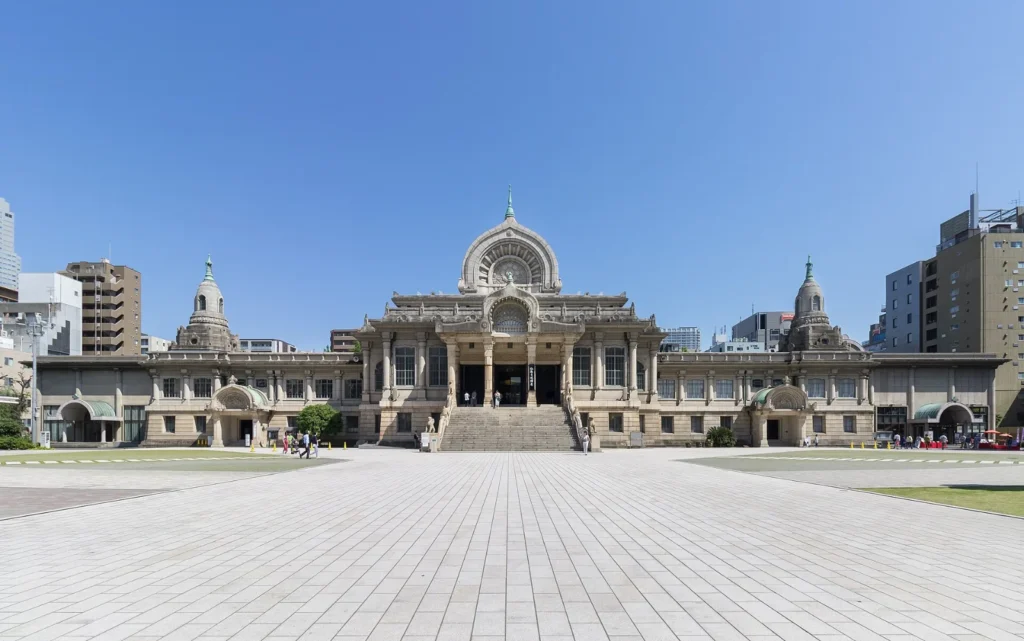
- GO TOKYO’s July guide says hozuki (Japanese lantern plants) are said to guide the spirits of ancestors to the family home for the summer Obon festival. At Senso-ji, a fair that sells hozuki is held in early July. Our Senso-ji page lists it as the Hozuki Market on July 9 and 10.
- According to the temple, Senso-ji holds a memorial service with lanterns on August 15. See Tokyo in August.
- GO TOKYO’s August guide mentions traditional Obon dances among the August events. The pages we read do not list a specific Tokyo Bon Odori date, so check each temple or local calendar.
- Obon dates are not the same everywhere in Japan. JNTO says timing varies between regions, so check the local date if you travel outside Tokyo.
How Obon Affects Your Trip
- Trains and day trips. Our public holidays guide says Obon is not a national holiday, but many companies close for a few days around August 13 to 16 and many people travel. Trains out of Tokyo are busy at the start and end of the period.
- Book early. Reserve Shinkansen seats and hotels early. See the Shinkansen guide and where to stay in Tokyo.
- Heat. Mid-August is very hot. See summer in Tokyo.
- Be respectful. Obon is a time of remembrance. At temples, follow shrine and temple etiquette.
Words to Know
| Word | Meaning |
|---|---|
| Obon | A Buddhist event to commemorate ancestors |
| Bon Odori | The folk dance held at Obon |
| Toro nagashi | Floating lit paper lanterns down a river |
| Butsudan | The Buddhist altar in a home |
| Yukata | A light summer kimono often worn at Bon Odori |
FAQ
What is Obon?
An annual Buddhist event to commemorate ancestors, according to JNTO. Families believe the spirits of their ancestors return home, so many people travel to their hometowns.
When is Obon?
Usually around August 13 to 16, but the timing varies between regions, JNTO says. Check the local date for the place you visit.
Is Obon a national holiday?
No, but many companies close for a few days around August 13 to 16, and many people travel. See our public holidays guide.
Can visitors join Bon Odori?
Yes. JNTO says Bon Odori is open for everyone to join. Watch the dancers closely first, then step into the circle.
What are the cucumber and eggplant figures?
JNTO says families make a horse and a cow from cucumbers, eggplants and disposable chopsticks. The horse is meant to bring ancestors back quickly, and the cow to send them back slowly.
Keep reading

Sources
The custom is based on the JNTO and GO TOKYO pages below, and the Tokyo notes on our own pages. Last checked: November 2026 (on November 15, 2026). Dates and events change each year, so please check before you go.