Researched guide · Last checked: Nov 15, 2026
Tanabata is a summer festival with colorful paper streamers, wishes tied to bamboo and a love story among the stars. If you travel in Japan in July or August, you may see it in shopping streets and train stations. This guide explains the story, the customs and where to see it near Tokyo.
Quick answer
Tanabata marks the night two star lovers, Orihime and Hikoboshi, can meet once a year across the Milky Way, according to the Japan National Tourism Organization (JNTO). People write wishes on paper strips called tanzaku and hang them on bamboo.
The traditional date is July 7 on the old lunisolar calendar, which runs about a month behind, so most large festivals are held in August. In Tokyo, our pages list the Asagaya and Fussa festivals in early August. Dates change each year, so check the official sites.
Overview
| What it is | A star festival based on a love story. People write wishes and decorate with paper streamers |
| When | Traditional date is July 7 on the lunisolar calendar. Major festivals are mostly held in August, including Sendai (usually August 6 to 8) |
| Customs | Tanzaku wish strips on bamboo, paper decorations, somen noodles |
| Tokyo festivals | Asagaya Tanabata Festival and Fussa Tanabata Festival. The 2027 dates are not announced yet |
| Source | JNTO (English pages) and the official pages behind our event guides |
| Last checked | November 2026 (on November 15, 2026) |
The Story
JNTO says the festival remembers two lovers who are a married couple, shown as stars. Vega is Orihime, the weaver star, and Altair is Hikoboshi, the cow-herder star. The legend says they can cross the Milky Way to meet only once a year, after they finish their duties in the sky.
When Is Tanabata?
The traditional date is July 7 on the lunisolar calendar. JNTO explains that this calendar runs about a month behind the Gregorian one, so most of the major festivals in Japan today are held in August. Check each festival’s own site, because dates and programs change each year.
Customs You Will See
- Tanzaku. Long, narrow strips of colored paper on which people write wishes. They are hung on bamboo, says JNTO.
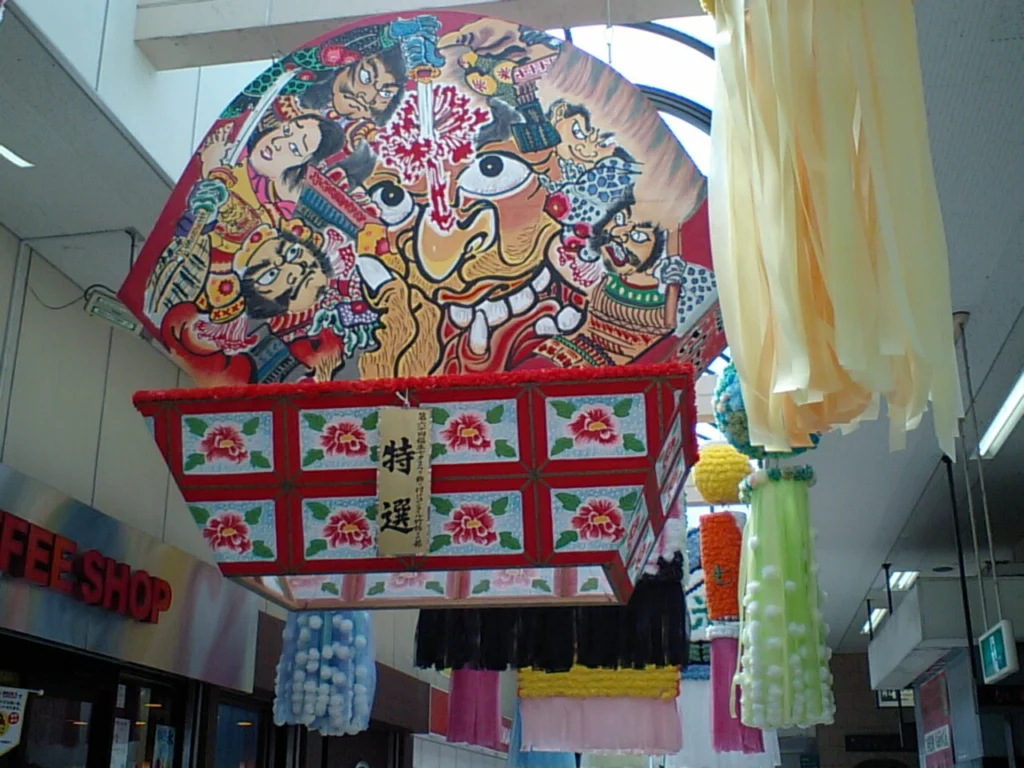
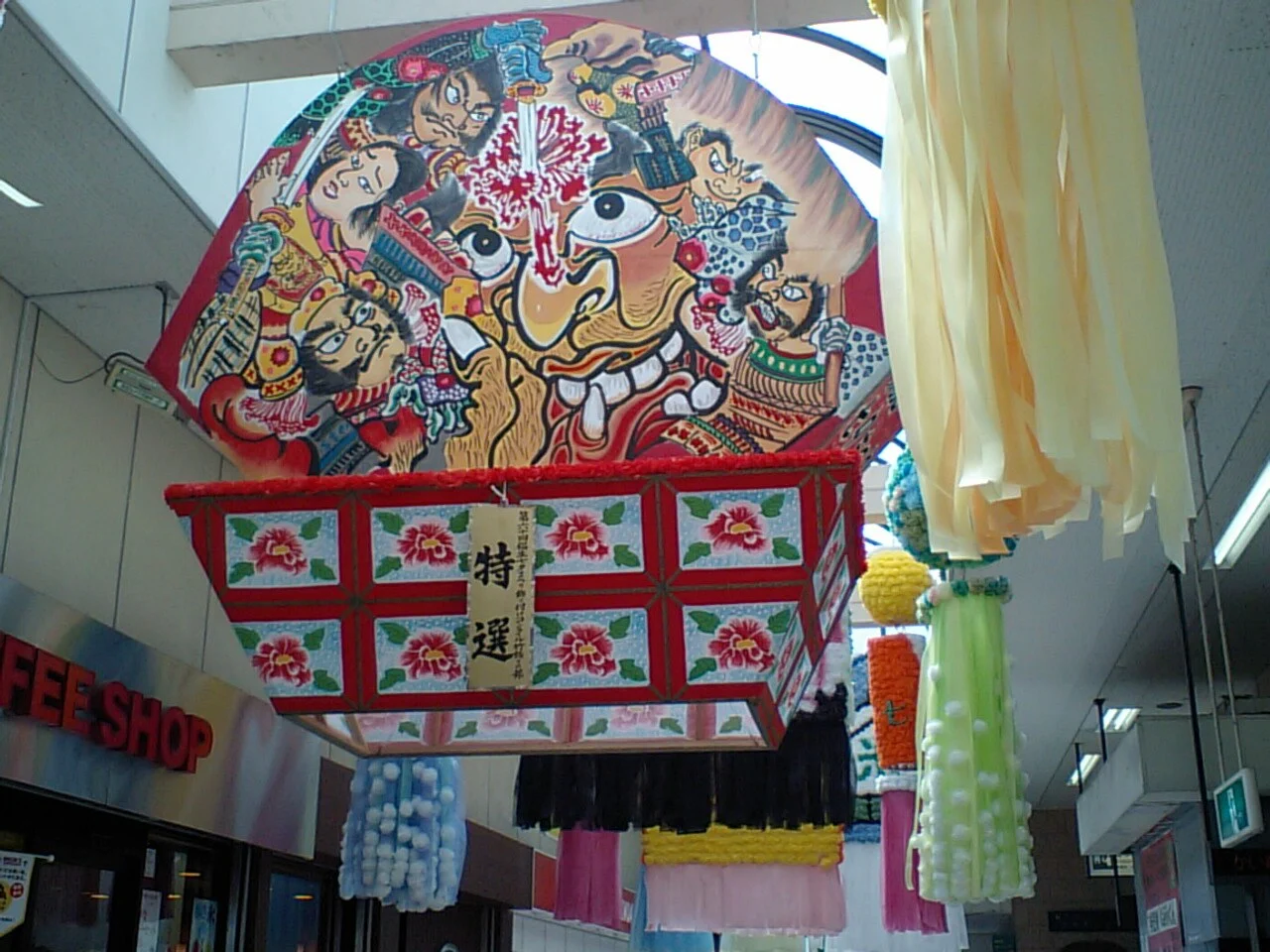
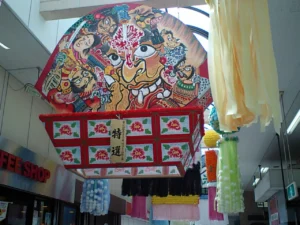
- Decorations. Bamboo displays and ornaments brighten homes, shopping arcades, train stations and public spaces. In Sendai, JNTO says the shopping arcades hang large paper balls and streamers low enough to walk through.
- After the festival. JNTO says the tanzaku are floated down a river or into the sea, or burned as an offering.
- Nanatsu-kazari. Handmade paper charms, according to JNTO.
- Somen noodles. The traditional food. JNTO says their long, thin shape is said to represent the threads Orihime wove.
Tanabata Festivals You Can Visit
Tokyo
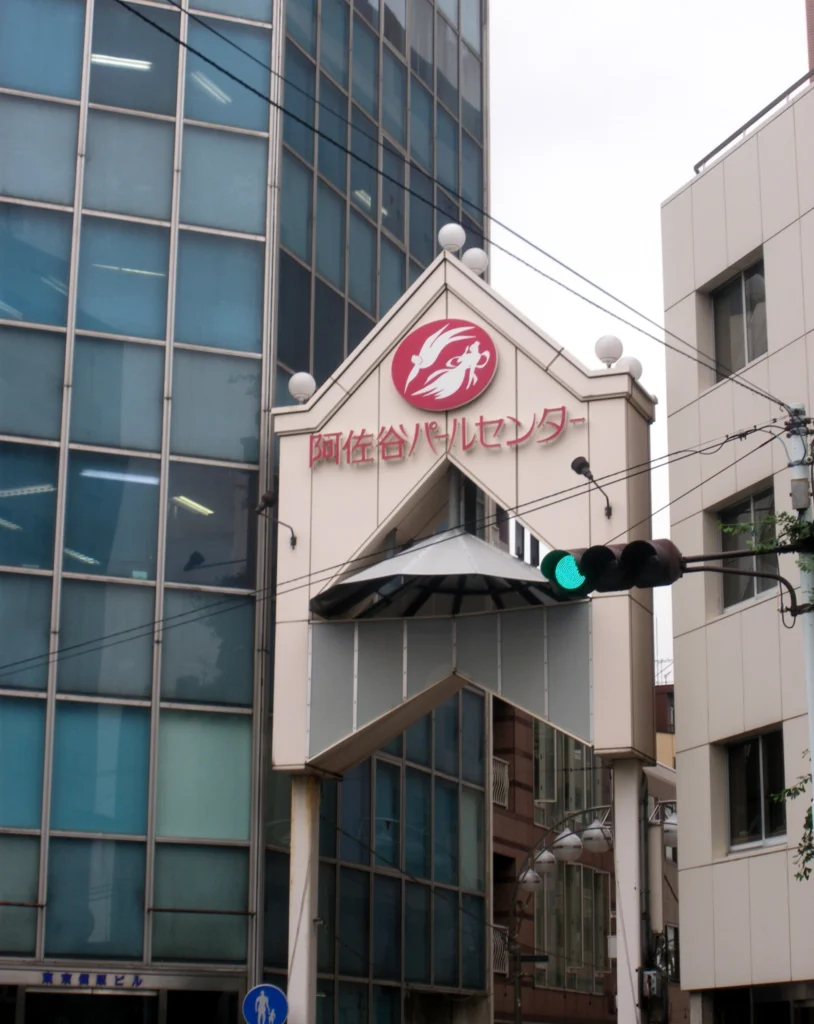
- Asagaya Tanabata Festival turns the covered Asagaya Pearl Center shopping street into a tunnel of streamers. It began in 1954, and its highlight is about 100 handmade papier-mache figures. In 2026 it ran from August 7 to 11 (free, 1 minute on foot from Asagaya Station). The 2027 date is not announced yet.
- Fussa Tanabata Festival began in 1951, inspired by Sendai, and GO TOKYO says it draws about 400,000 people a year. In 2026 it ran from August 7 to 9 around Fussa Station, about 43 minutes from Shinjuku by JR. The next date is not announced yet.
Sendai (Miyagi)
JNTO describes the Sendai Tanabata Festival as Japan’s largest, held August 6 to 8, with fireworks on August 5. From Tokyo it takes about 1 hour 30 minutes on the Tohoku Shinkansen to Sendai Station. See our Shinkansen guide.
Tips for Visiting
- Come by train. Fussa’s organizers recommend it because parking is limited.
- The Asagaya arcade has a roof, so you can visit on a rainy day.
- Keep moving with the crowd and do not stop in the middle of the street for photos.
- Early August is hot. Bring water.
- See Tokyo in August, Tokyo in July and the Tokyo events calendar for more summer ideas.
Also nearby: Children’s Day: koinobori and kashiwa mochi explained
Also nearby: Hinamatsuri Explained: Japan’s Girls’ Day on March 3, Hina Dolls and Festive Foods
Also nearby: Tsukimi Explained: Japan’s Autumn Moon-Viewing, Rice Dumplings and Pampas Grass
FAQ
What is Tanabata?
Japan’s star festival. It remembers two lovers, Orihime and Hikoboshi, who can meet across the Milky Way once a year. People write wishes on paper strips and hang them on bamboo.
When is Tanabata?
The traditional date is July 7 on the lunisolar calendar. Because that calendar runs about a month behind, most major festivals are held in August. Check each festival’s site.
What is a tanzaku?
A long, narrow strip of colored paper on which you write a wish. It is hung on bamboo.
Where can I see Tanabata in Tokyo?
Two festivals on our site are the Asagaya Tanabata Festival and the Fussa Tanabata Festival, both held in early August in 2026. The 2027 dates are not announced yet.
Is there a special Tanabata food?
Somen noodles are the traditional food, says JNTO. Their long, thin shape is said to represent the threads Orihime wove.
Keep reading
Sources
The story and customs are based on the JNTO pages below. The Tokyo festival facts come from the official pages behind our own event guides, not from a visit. Last checked: November 2026 (on November 15, 2026). Dates and programs change, so please check the official sites.
Also nearby: Obon explained
Comments
[…] Also nearby: Tanabata: the star festival explained […]