The 24 sekki (nijushi sekki, 二十四節気) are 24 seasonal markers used in the traditional Japanese calendar. You see their names on calendars and in news about seasons, for example Risshun (the start of spring) and Toji (the winter solstice). This guide explains how they work, lists all 24 with 2027 dates from the National Astronomical Observatory of Japan (NAOJ), and links to our guides for the customs tied to them.
Quick answer
The 24 sekki split the year into 24 markers. Each one is defined by the sun’s position, called its ecliptic longitude, in steps of 15 degrees. Each of the four seasons has six markers. NAOJ publishes the exact date and time every year, so use its table instead of guessing.
Many well-known customs sit close to a marker. Setsubun is the day before Risshun, Higan is centered on the equinoxes, and the yuzu bath belongs to Toji. This page is the map. The linked guides explain each custom.
| What it is | 24 seasonal markers (nijushi sekki, 二十四節気) used in Japan and China |
| How each is set | By the sun’s apparent ecliptic longitude, in 15-degree steps (NAOJ) |
| Structure | Four seasons. Each has 3 “setsu” and 3 “chu” markers, arranged alternately |
| 2027 dates | Listed below from NAOJ’s 2027 calendar table (times in Japan Standard Time) |
| Cost to see them | Nothing. They are dates on a calendar. Customs and events have their own prices |
| Source | NAOJ (official), English pages |
| Last checked | November 2026 (on November 18, 2026) |
What Are the 24 Sekki?
NAOJ describes the 24 sekki as traditional ways of expressing the seasons in Japan and China. Each year has four seasons, and each season has six markers. They run from Risshun (the beginning of spring) to Daikan (the greater cold). The names are short phrases from the farming year, such as Grain Rain, White Dew and First Frost.
One word needs care. “Sekki” is the name for the whole set of 24. NAOJ also calls every other marker a “setsu” and the ones between them a “chu”. They alternate: setsu, chu, setsu, chu, and so on.
How the Sun Sets Each Marker
Each sekki is a moment, not a whole day. NAOJ says every marker is defined by the apparent ecliptic longitude of the sun (you can think of it as the sun’s place along its yearly path). A full circle is 360 degrees, and the markers are 15 degrees apart.
- Shunbun (spring equinox): the sun is at 0 degrees.
- Geshi (summer solstice): 90 degrees.
- Shubun (autumn equinox): 180 degrees.
- Toji (winter solstice): 270 degrees.
- The other 20 markers fall in between, every 15 degrees.
NAOJ adds that, in the old lunisolar calendar (a calendar based on the moon and the sun), the 24 sekki were needed to assign ordinary months and leap months. If you want to know how Japan counts years today, see our guide to Japanese era names.
All 24 Sekki With 2027 Dates
The dates below come from NAOJ’s 2027 calendar table, announced on February 2, 2026. Times are Japan Standard Time. Because the table is for calendar year 2027, Shokan and Daikan show January 2027, near the start of the year.
Spring
| Name | Meaning (NAOJ) | Sun’s longitude | Type | 2027 date and time (JST) |
|---|---|---|---|---|
| Risshun (立春) | Beginning of Spring. The coldest days are almost over. | 315° | Setsu | February 4, 10:46 |
| Usui (雨水) | Rain Water. It gets warmer, snow and ice melt, and snow becomes rain. | 330° | Chu | February 19, 6:33 |
| Keichitsu (啓蟄) | Insects Awakening. Insects come out of hibernation. | 345° | Setsu | March 6, 4:40 |
| Shunbun (春分) | Spring Equinox. Day and night are nearly equal in length. | 0° | Chu | March 21, 5:25 |
| Seimei (清明) | Fresh Green. Everything looks fresh and pure. | 15° | Setsu | April 5, 9:17 |
| Kokuu (穀雨) | Grain Rain. Spring rain showers for grains. | 30° | Chu | April 20, 16:18 |
Summer
| Name | Meaning (NAOJ) | Sun’s longitude | Type | 2027 date and time (JST) |
|---|---|---|---|---|
| Rikka (立夏) | Beginning of Summer. We can feel the sign of summer. | 45° | Setsu | May 6, 2:25 |
| Shoman (小満) | Lesser Fullness. Everything grows. | 60° | Chu | May 21, 15:18 |
| Boshu (芒種) | Grain in Ear. Time to plant grains. | 75° | Setsu | June 6, 6:26 |
| Geshi (夏至) | Summer Solstice. The day is at its longest. | 90° | Chu | June 21, 23:11 |
| Shosho (小暑) | Lesser Heat. The rainy season ends and it becomes hot. | 105° | Setsu | July 7, 16:37 |
| Taisho (大暑) | Greater Heat. The hottest days. | 120° | Chu | July 23, 10:05 |
Autumn
| Name | Meaning (NAOJ) | Sun’s longitude | Type | 2027 date and time (JST) |
|---|---|---|---|---|
| Risshu (立秋) | Beginning of Autumn. We can feel the sign of autumn. | 135° | Setsu | August 8, 2:27 |
| Shosho (処暑) | End of Heat. We feel less heat. | 150° | Chu | August 23, 17:14 |
| Hakuro (白露) | White Dew. White dew stays on the grass. | 165° | Setsu | September 8, 5:28 |
| Shubun (秋分) | Autumnal Equinox. Day and night are nearly equal in length. | 180° | Chu | September 23, 15:02 |
| Kanro (寒露) | Cold Dew. Cold dew drops on wild grasses. | 195° | Setsu | October 8, 21:17 |
| Soko (霜降) | First Frost. Frost begins to fall. | 210° | Chu | October 24, 0:33 |
Winter
| Name | Meaning (NAOJ) | Sun’s longitude | Type | 2027 date and time (JST) |
|---|---|---|---|---|
| Ritto (立冬) | Beginning of Winter. We can feel the sign of winter. | 225° | Setsu | November 8, 0:39 |
| Shosetsu (小雪) | Light Snow. A chilly season, and rain becomes snow. | 240° | Chu | November 22, 22:16 |
| Daisetsu (大雪) | Heavy Snow. Snow starts falling. | 255° | Setsu | December 7, 17:38 |
| Toji (冬至) | Winter Solstice. The day is at its shortest. | 270° | Chu | December 22, 11:42 |
| Shokan (小寒) | Lesser Cold. The cold season starts. | 285° | Setsu | January 5, 23:10 |
| Daikan (大寒) | Greater Cold. The coldest days. | 300° | Chu | January 20, 16:30 |
Two names sound the same in English letters: Shosho (小暑, Lesser Heat) and Shosho (処暑, End of Heat). The Japanese characters tell them apart. The meanings above are NAOJ’s short descriptions of each marker, not weather forecasts for Tokyo. For a real forecast, check a weather service close to your travel date.
Zassetsu: Extra Markers Beyond the 24
NAOJ lists “zassetsu” (雑節), extra seasonal markers that add to the 24 sekki. Several of them are better known than the 24 themselves. The table shows their 2027 dates from NAOJ.
| Marker | What it is (NAOJ) | 2027 date (JST) |
|---|---|---|
| Setsubun (節分) | The day before Risshun. Once there was one for each season, but only the spring one remains. | February 3 |
| Higan (彼岸) | A 7-day period centered on Shunbun or Shubun. The calendar shows the start day. | March 18 and September 20 (start days) |
| Hachijuhachiya (八十八夜) | The 88th day from Risshun. A warning about late frost. | May 2 |
| Nyubai (入梅) | About 10 days before Geshi. The rainy season. | June 11, 11:50 |
| Hangesho (半夏生) | About 10 days after Geshi. Time to finish planting rice. | July 2, 10:49 |
| Nihyaku-toka (二百十日) | The 210th day from Risshun. Storms come often. | September 1 |
| Doyo (土用) | An almost 18-day period before Risshun, Rikka, Risshu and Ritto. The calendar shows the start day. | January 17, April 17, July 20 and October 21 (start days) |
Seasonal Customs Linked to the Sekki
This page explains the calendar only. For what people do, and where to join in Tokyo, read these guides.
- Setsubun: the bean-throwing day before Risshun, with Tokyo temples where you can join in.
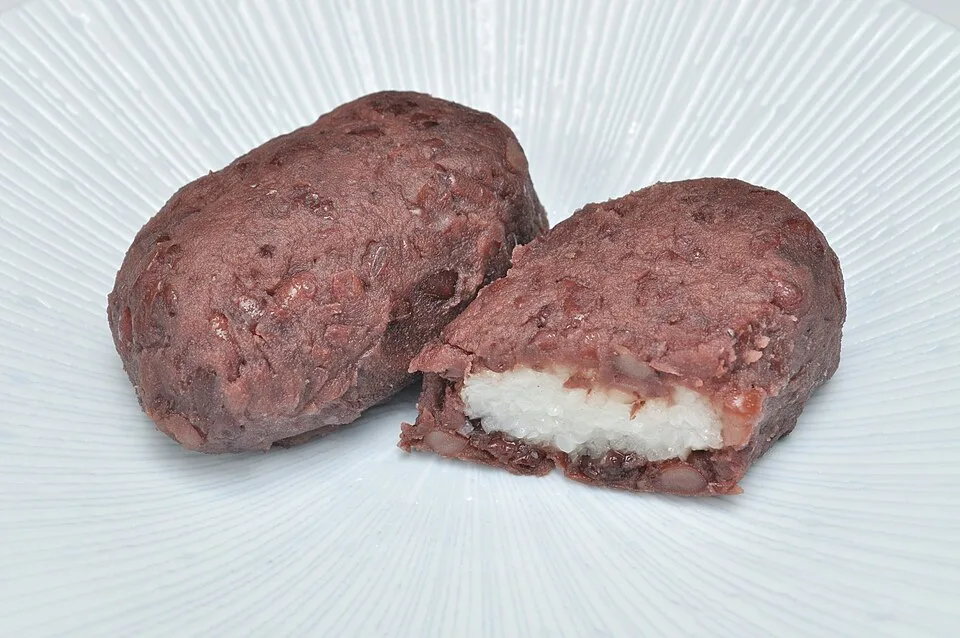
- Higan: the equinox week of grave visits and sweet rice cakes, centered on Shunbun and Shubun.
- Doyo no Ushi no Hi: the midsummer eel day, which belongs to the summer doyo period.
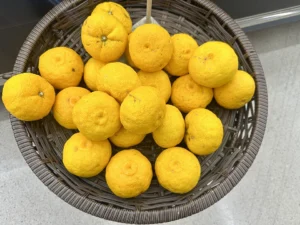
- Toji and the yuzu bath: the winter solstice custom at Tokyo bathhouses.
- Japan public holidays: Spring Equinox Day and Autumn Equinox Day are national holidays.
Some seasonal events are not part of the 24 sekki but follow the same love of the seasons: Obon, Tanabata, Tsukimi, Hinamatsuri and Children’s Day. For the big picture of Japanese festivals, read Matsuri and the Japanese culture guide.
Using the Sekki When You Plan a Trip
- Pick your month first. Our Tokyo in February and Tokyo in March guides cover weather and events month by month. The Tokyo events calendar lists festivals by month.
- Match the marker to the custom. Risshun falls on February 4 in 2027, so Setsubun is February 3. Shunbun is March 21, so the spring Higan week starts on March 18.
- Check the date each year. NAOJ announced its 2027 table on February 2, 2026, so recheck the table for your year before you book around a marker.
- Check local event dates separately. Temples and bathhouses set their own times. See each linked guide.
FAQ
What are the 24 sekki?
They are 24 seasonal markers used in Japan and China. NAOJ says each one is defined by the sun’s apparent ecliptic longitude, in steps of 15 degrees.
How many sekki are in each season?
Six. NAOJ says each season has 3 “setsu” and 3 “chu” markers, arranged alternately.
What is the first of the 24 sekki?
Risshun, the Beginning of Spring. In 2027 NAOJ lists it on February 4 at 10:46 (JST).
Are the dates the same every year?
NAOJ publishes an exact date and time for each year, so check its table for your year and do not assume last year’s date.
Is Setsubun one of the 24 sekki?
No. NAOJ lists Setsubun as a zassetsu, an extra marker. It is the day before Risshun.
Are the sekki a weather forecast?
No. They are calendar markers with short seasonal descriptions. Check a weather service for Tokyo’s actual weather.
Keep reading



Sources
Facts come from the official NAOJ pages below, read on November 18, 2026. Dates can change, so please check before you go.