Researched guide · Last checked: Nov 16, 2026
Children’s Day (Kodomo no Hi) is a public holiday in Japan on May 5. Families fly colorful carp-shaped streamers called koinobori, display miniature helmets and eat special sweets. It started as Boys’ Day and is now for all children.
Quick answer
May 5 is Children’s Day, a national holiday and the last day of Golden Week (Japan’s run of spring holidays). Its older name is Tango no Sekku (the Boys’ Festival). You will see koinobori outdoors, helmets in shop windows and kashiwa mochi (oak-leaf rice cakes) in sweet shops from April.
In Tokyo, GO TOKYO lists koinobori displays at Tokyo Tower and TOKYO SKYTREE TOWN. Dates change each year, so check the official pages before you go.
Overview
| Date | May 5 every year (a national holiday) |
| Official purpose | To respect children’s personalities, promote their happiness and thank mothers (Act on National Holidays) |
| Older name | Tango no Sekku (the Boys’ Festival). The government renamed it Children’s Day in 1948 |
| Symbols | Koinobori (carp streamers), kabuto (helmets), shobu-yu (iris bath), kashiwa mochi and chimaki |
| Where to see it in Tokyo | Tokyo Tower and TOKYO SKYTREE TOWN (per GO TOKYO). Check dates before you go |
| Last checked | November 2026 (on November 16, 2026) |
What Is Children’s Day?
Children’s Day falls on May 5. Japan’s law on national holidays says the day exists to respect children’s personalities, to promote their happiness and to thank mothers. It is the last day of Golden Week. See our Japan public holidays guide for the other dates.
The holiday has an older name. Before 1948 it was Tango no Sekku. Sekku means a seasonal festival, and the day was known as the “double fifth” because it fell on May 5. Tango no Sekku is one of five ancient seasonal festivals influenced by Chinese customs. Japan’s tourism organization (JNTO) says the Japanese observance is said to have begun around the Nara period (710 to 794). In 1948 the government renamed it Children’s Day and made it a public holiday for both boys and girls.
March 3, called Hinamatsuri, is the matching day for girls, says JNTO. For other seasonal days, see our guides to Setsubun, Tanabata and Obon.
Koinobori: The Carp Streamers
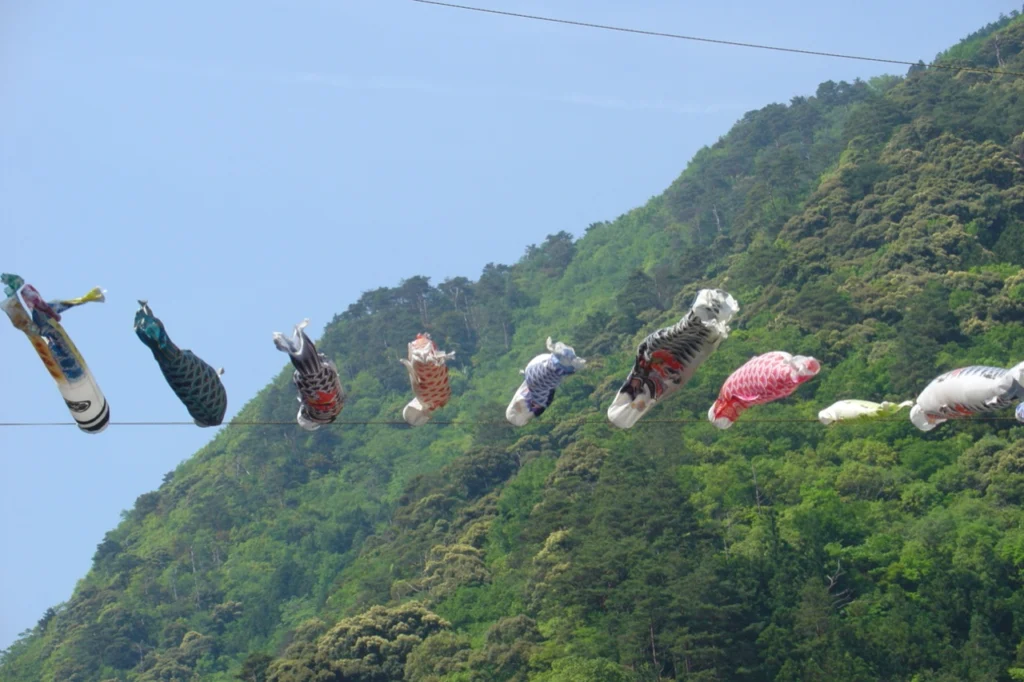
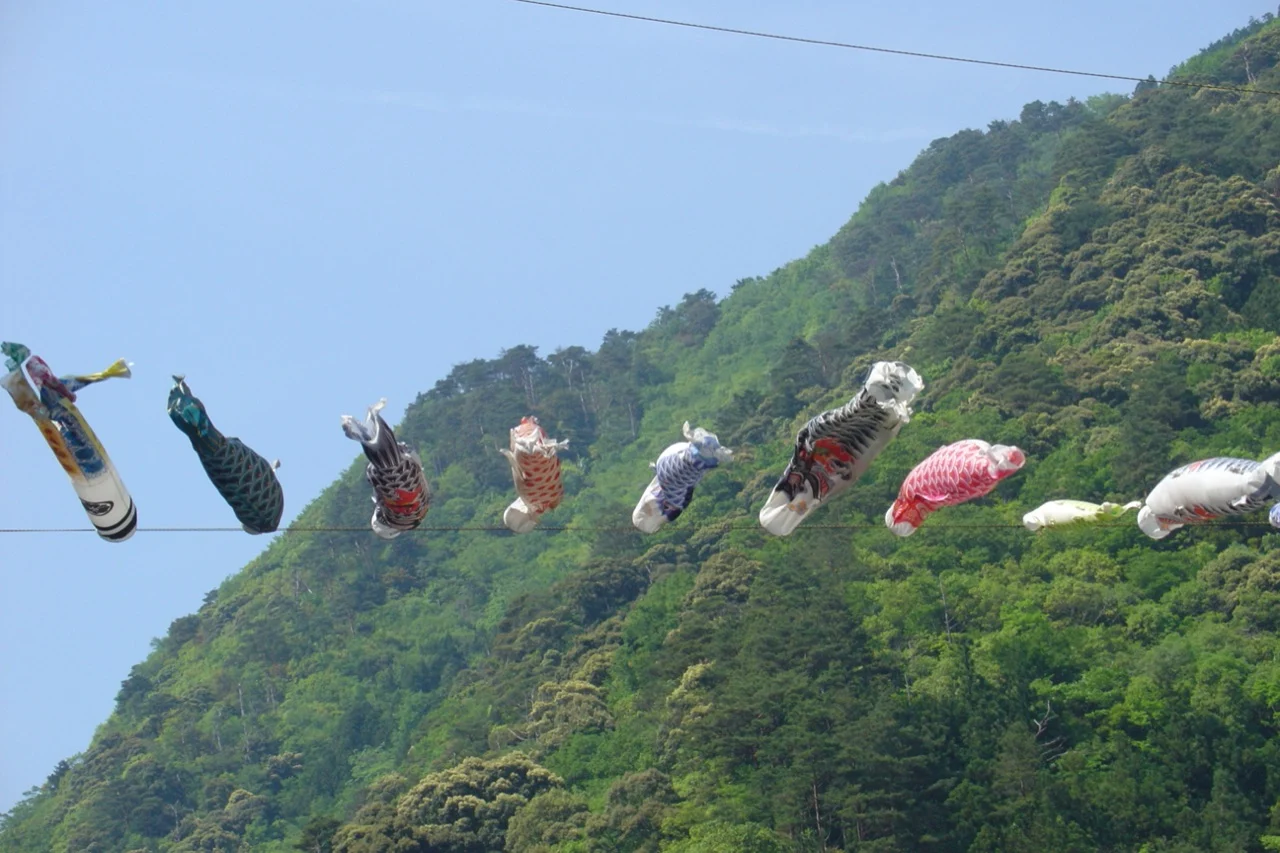
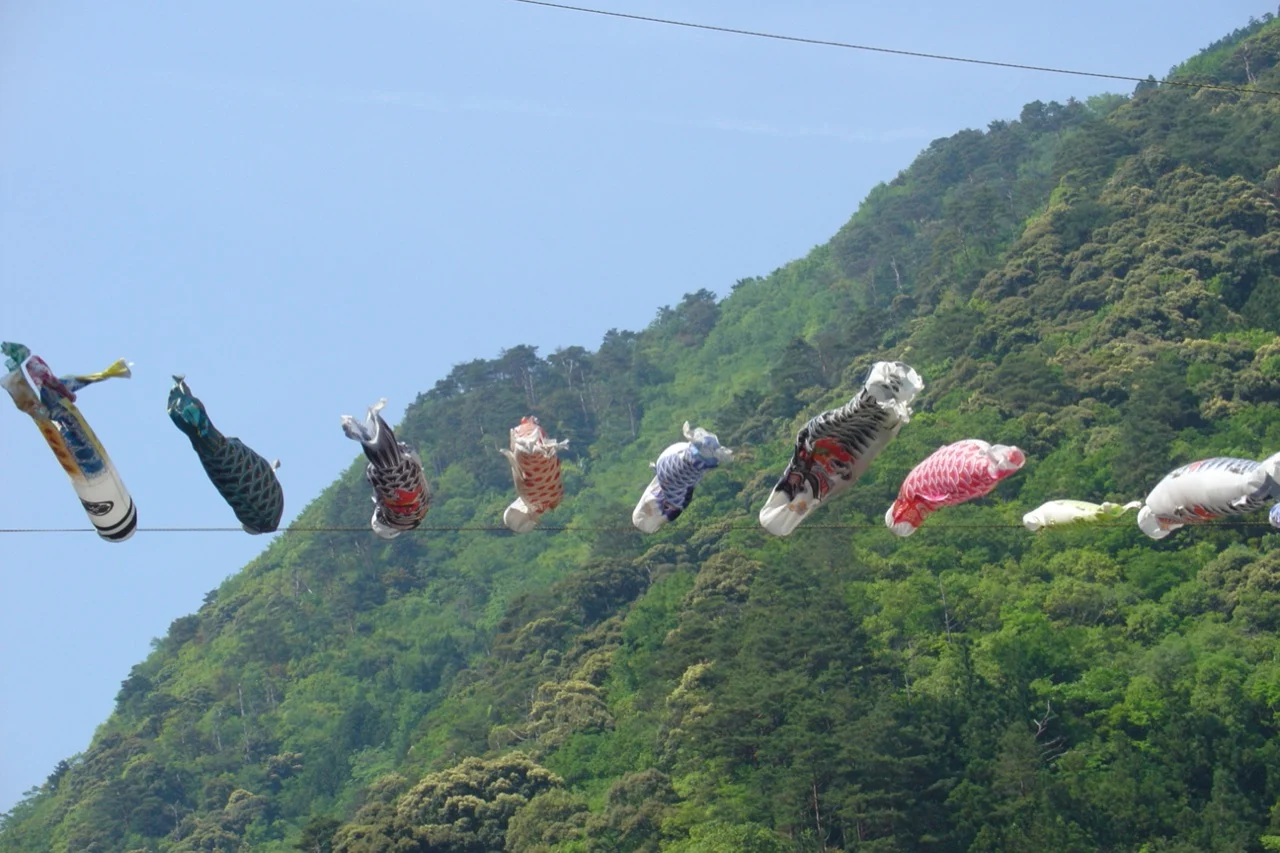
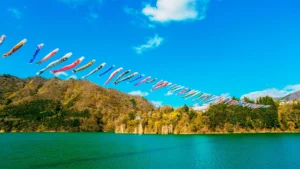
Households raise koinobori, colorful carp-shaped streamers, outside their homes. The carp is a symbol of success in life, so the streamers express a wish for children to grow up healthy and prosperous, says JNTO.
The streamers are flown in a set order. The black carp (magoi) is the largest and stands for the father. The red carp (higoi) stands for the mother. Today the eldest child, boy or girl, is usually shown by the blue carp, and another carp is added for each younger sibling. Before the holiday was renamed, the red carp stood for the eldest son.
| Carp | Who it stands for today (JNTO) |
|---|---|
| Black (magoi), the largest | Father |
| Red (higoi) | Mother |
| Blue | The eldest child, boy or girl |
| Other colors | Younger siblings, one carp for each |
Other Traditions
Kabuto and samurai dolls
Since the Edo period, families with boys have displayed miniature samurai armor (yoroi) and helmets (kabuto), or a samurai warrior doll called musha ningyo. JNTO says they are modeled on brave heroes of folk tales, such as Momotaro and Benkei, to inspire boys to grow strong.
Shobu-yu: the iris bath
Shobu-yu is a hot bath with Japanese iris leaves floating in it. JNTO says the scent is believed to ward off bad spirits and misfortune. Some public bathhouses offer shobu-yu during this season. If you want to try one, read our sento guide and bathing etiquette first, and ask the bathhouse if it offers an iris bath.
Kashiwa mochi and chimaki
Festive foods are said to build vigor and ward off illness. Kashiwa mochi is a rice cake filled with sweet bean paste and wrapped in an oak leaf. It is common in the Kanto region, which includes Tokyo. Chimaki is steamed sticky rice wrapped in bamboo leaves and tied with string. It is usually eaten in the Kansai region. JNTO says both are sold at confectionery stores, department stores and convenience stores across Japan from April onward. The oak leaf on kashiwa mochi is not eaten. It only symbolizes the prosperity of one’s descendants.
| Food | What it is | Region where it is common |
|---|---|---|
| Kashiwa mochi | Rice cake with sweet bean paste, wrapped in an oak leaf | Kanto (includes Tokyo) |
| Chimaki | Steamed sticky rice wrapped in bamboo leaves, tied with string | Kansai |
Where to See Koinobori in Tokyo
JNTO names Tokyo Tower as a well-known place to see koinobori. GO TOKYO’s May guide says 333 koinobori are displayed at Tokyo Tower, which is 333 meters tall, and that more than 1,000 flutter at TOKYO SKYTREE TOWN. Events across Japan begin around mid-April, so the streamers may be up before May 5.
We did not find the exact 2027 dates on the official pages we read, so check the Tokyo Tower and TOKYO SKYTREE TOWN sites before you go. For visiting details, see our guides to Tokyo Tower and Tokyo Skytree.
Tips for Visitors
- Expect a holiday crowd. May 5 is the last day of Golden Week. Plan transport and meals early, and check opening hours before you go.
- Look in sweet shops. Kashiwa mochi and chimaki appear from April, so you do not need to wait for May 5.
- Be polite with photos. Streamers hung outside homes belong to the family. Take photos from the street and keep out of private gardens.
- Learn the festival calendar. Our matsuri guide and Japanese culture guide explain other seasonal days.
Also nearby: Hinamatsuri Explained: Japan’s Girls’ Day on March 3, Hina Dolls and Festive Foods
FAQ
When is Children’s Day in Japan?
May 5 every year. It is a national holiday and the last day of Golden Week.
Is Children’s Day only for boys?
No. The older Tango no Sekku was for boys, but in 1948 the government renamed it Children’s Day to celebrate both boys and girls. March 3 (Hinamatsuri) is the matching day for girls.
What do the koinobori colors mean?
The black carp, the largest, stands for the father. The red carp stands for the mother. Today the blue carp usually stands for the eldest child, with one more carp for each younger sibling.
What do people eat on Children’s Day?
Kashiwa mochi is common in the Kanto region, which includes Tokyo. Chimaki is more typical in Kansai. Both are sold at sweet shops, department stores and convenience stores from April.
Where can I see koinobori in Tokyo?
GO TOKYO lists Tokyo Tower and TOKYO SKYTREE TOWN. Display dates change each year, so check the official sites before you go.
Keep reading
Sources
Last checked: November 2026 (on November 16, 2026). Customs and history come from JNTO’s story on Tango no Sekku. Tokyo displays come from GO TOKYO’s May guide. We did not find official 2027 display dates.
- JNTO: Celebrating the Boys of Japan, the traditions of Tango no Sekku (official, English, 2021)
- GO TOKYO: Best Things to Do and See in Tokyo in May (official, English)
- e-Gov: Act on National Holidays, Article 2 (official, Japanese)
- Cabinet Office: National holidays (official, Japanese)
- Tokyo Tower: Official site (English)