Researched guide · Checked on Oct 20, 2026
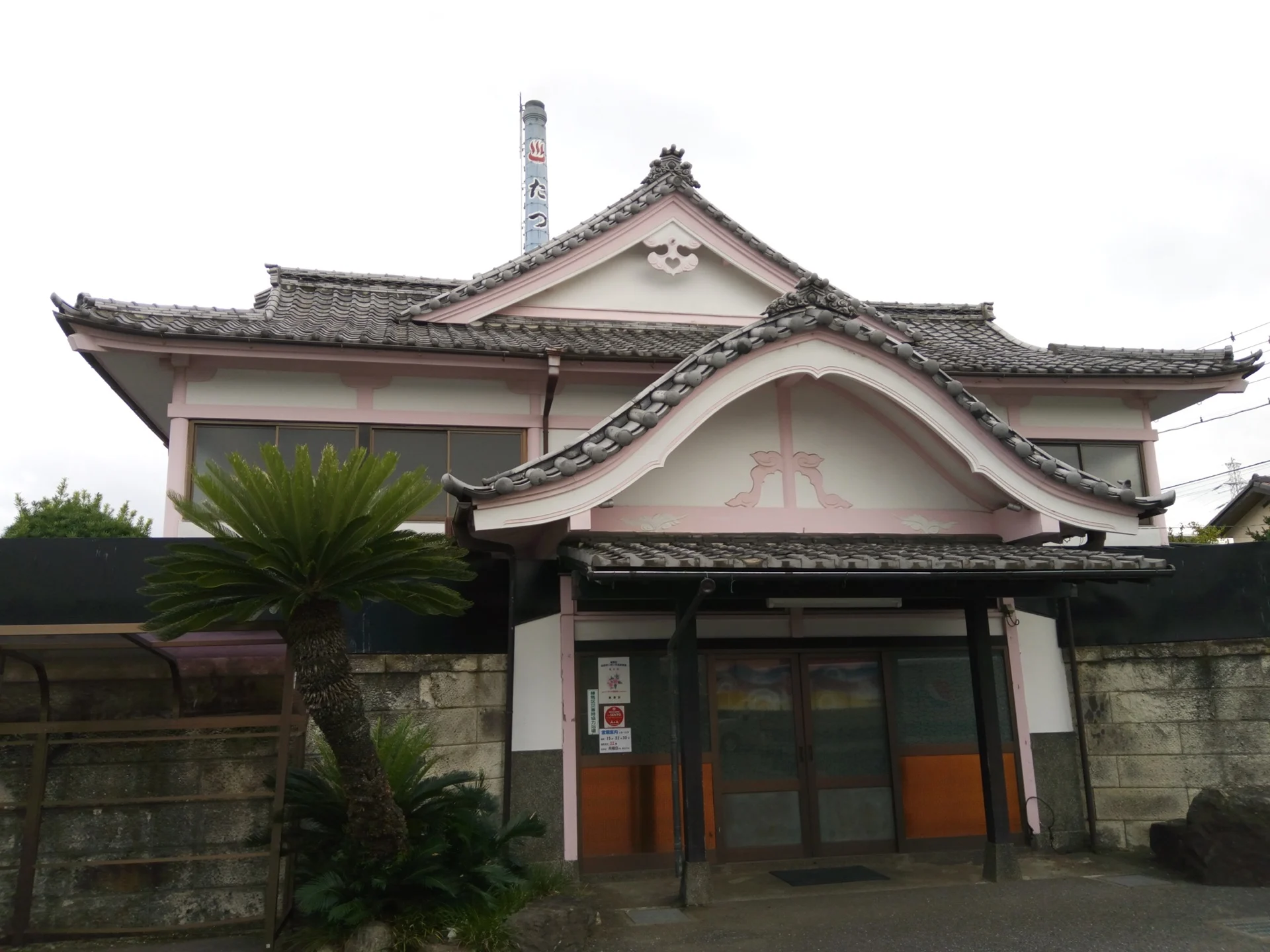
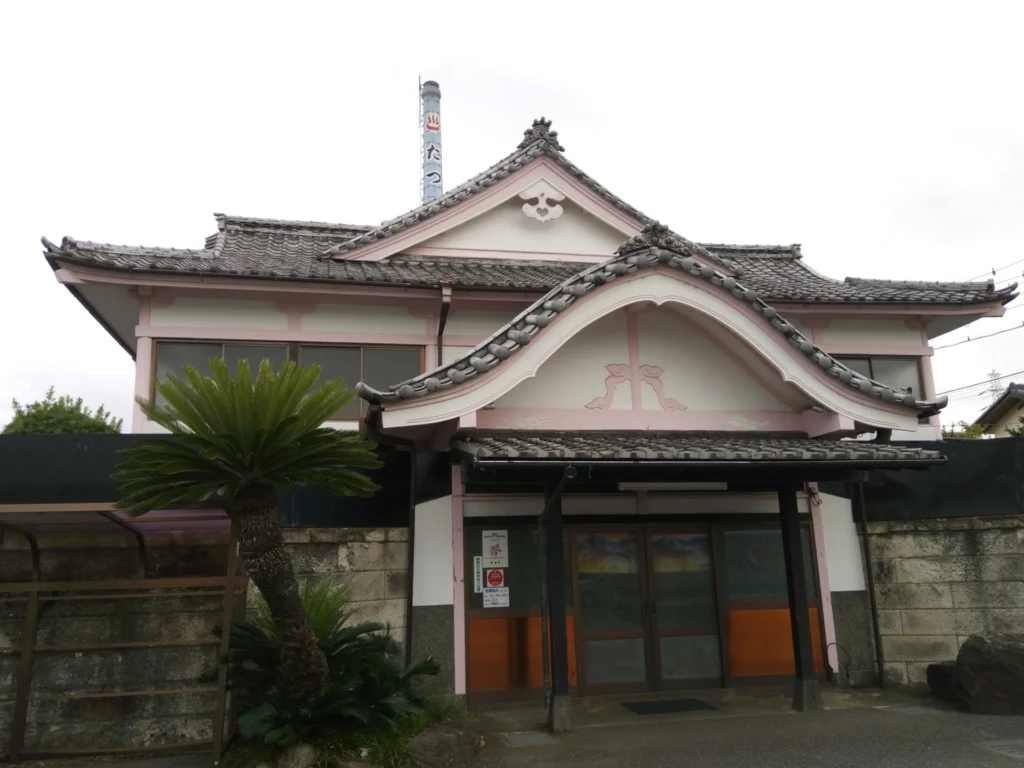
A sento is a Japanese public bathhouse. For centuries they were where neighbors washed, soaked and talked, and Tokyo still has around 400 of them. Today they are a cheap, very local way to enjoy big, hot baths: a visit costs ¥550 for adults, and some even use natural hot spring water. This guide covers prices, how a visit works, seasonal baths and a short history.
Quick answer
Price: adults (over 12) ¥550, children 6–12 ¥200, under 6 ¥100. (Tokyo Sento Association prices from July 2024.)
Water: usually around 42°C and more than 50 cm deep, hotter than most home baths.
Phones: using phones, including taking photos, is not allowed in the changing room or the bath.
How a visit works
- 1. Shoes: take off your shoes at the entrance and put them in a shoe locker.
- 2. Pay: pay the bathing fee. Most bathhouses sell towels, shampoo and soap, and some provide shampoo and body soap for free.
- 3. Changing room: find a free locker and take off all your clothes. Swimsuits and underwear are not allowed in the bath. Take the locker key with you.
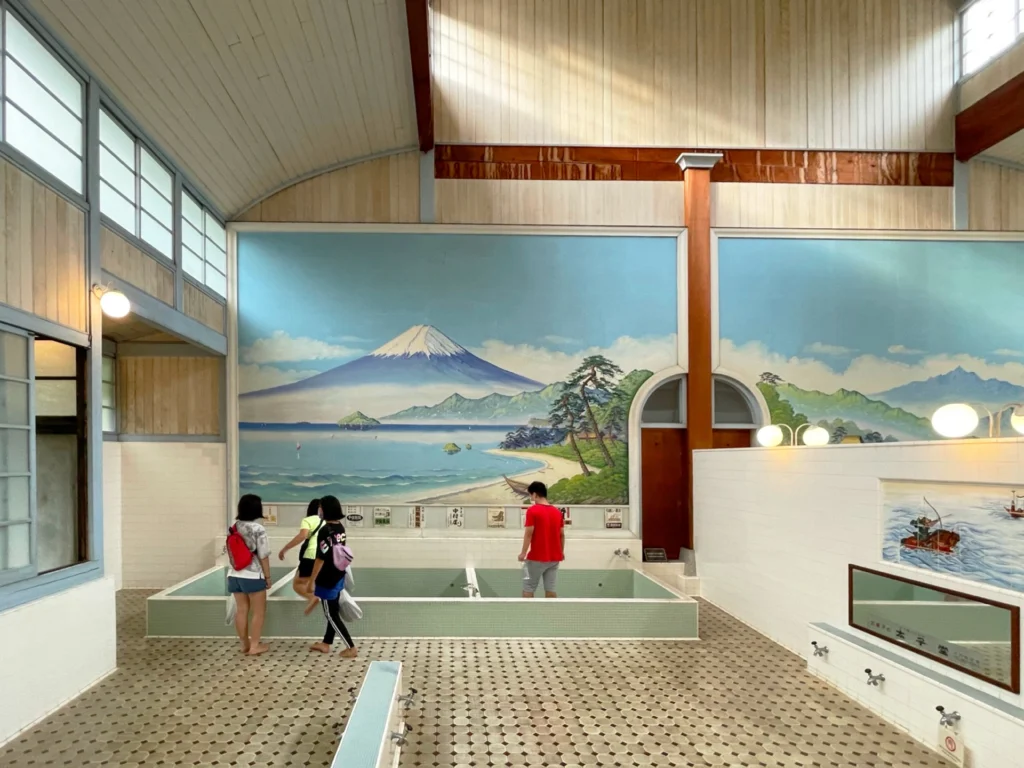
- 4. Wash first: take a small towel into the bathing area, sit on a stool and wash before you get into the bath.
- 5. Soak: relax in the large bath.
- 6. Dry off: use your small towel to dry off before going back to the changing room.
Do not bring valuables or large amounts of cash, and leave anything important at the front desk. Many bathhouses put up an etiquette poster in the changing room. For more detail, see our onsen and sento etiquette guide.
Prices
| Visitor | Price |
|---|---|
| Adults (over 12) | ¥550 |
| Children (6 to 12) | ¥200 |
| Young children (under 6) | ¥100 |
- In Tokyo, boys and girls aged 7 and over must use the bath for their own gender.
- Rules on tattoos are set by each bathhouse. Check with the bathhouse before you go.
- For larger spas and natural hot springs, see our onsen in Tokyo guide.
Seasonal baths
| Bath | When |
|---|---|
| Shobu-yu (iris bath) | May 5, Children’s Day |
| Lavender-yu | October 10, “Sento Day” (10-10 can be read “sen-to”) |
| Yuzu-yu (citron bath) | The winter solstice, around December 22 |
The lavender used in Tokyo’s bathhouses is organic lavender from Nakafurano in Hokkaido. Some bathhouses also hold their own events, such as apple or lemon baths, and dates can vary by bathhouse.
A short history
Bathing in Japan goes back to the 6th century, when some temples had baths for monks. Over the following centuries, temples opened their baths to the public, and at the end of the 12th century the first bathhouses opened as businesses. Sento became very popular in the Edo period, because private baths were banned in Edo (now Tokyo) to prevent fires. Many families kept using sento until the late 1960s and early 1970s, when home baths became common. Today they are popular again as a “hot spring in town”.
FAQ
How much is a sento in Tokyo?
¥550 for adults, ¥200 for children aged 6 to 12, and ¥100 for children under 6.
Can I wear a swimsuit in a sento?
No. Swimsuits and underwear cannot be worn in the bath.
Can I take photos in a sento?
No. Phones, including taking photos, are not allowed in the changing room or the bathing area.
Can I go to a sento with tattoos?
Rules are set by each bathhouse, so check before you go.
Related Articles
Sources
Prices, how to use a sento, seasonal baths, history and rules come from the Tokyo Sento Association’s official website (checked October 20, 2026).