Shinrin-yoku means “forest bathing.” It is not swimming. It is slow time among trees: you walk, sit, look and listen, and you leave your phone in your pocket. This guide explains the idea in plain English, using official Japanese and Tokyo tourism pages, and shows three places in Tokyo where you can try it.
Quick answer
Shinrin-yoku is the simple act of spending time in a forest, says the Japan National Tourism Organization (JNTO). JNTO also says the idea was developed in 1982 by Japan’s Forest Agency. In Tokyo you can try it at Mt Takao, in Todoroki Valley and in Okutama. Okutama is the most set up for it: Tokyo’s tourism site calls it Tokyo’s first certified forest therapy base.
Official Tokyo pages say research links forest time to lower stress, but they do not show the studies. This guide is about walking in the woods, not medical advice. Go slowly, take water, and check each place’s official page before you travel.
| Topic | Shinrin-yoku (forest bathing): the idea and three places in Tokyo |
| What it is | Spending quiet time in a forest. No exercise goal |
| Where it comes from | Developed in 1982 by Japan’s Forest Agency, according to JNTO |
| Easiest to reach | Todoroki Valley (about 40 minutes from Shinjuku) and Mt Takao (about 55 minutes from Shinjuku) |
| Most set up for it | Okutama: about 2 hours by train from Shinjuku. Five forest therapy roads |
| Cost | No entrance fee is listed for the places below on the official pages we read. Cable cars, buses and guided tours cost extra. Check before you go |
| Last checked | November 2026 (on November 18, 2026) |
What Is Shinrin-Yoku?
Shinrin-yoku is a Japanese word for “forest bathing.” The idea is to “bathe” in the forest with your senses: the smell of trees, the sound of water, the light through leaves. JNTO describes it as the simple act of spending time in a forest.
The word is not an old tradition. JNTO says the concept was developed in 1982 by the Forest Agency, a Japanese government agency. It names two aims. One was to respond to Japan’s technology boom. The other was to help people reconnect with nature and protect natural landscapes. The Tokyo Metropolitan Government says forest therapy, a related idea, was developed in Japan in the 1980s as cities grew fast.
What the Research Says (and What We Cannot Say)
JNTO says Japanese studies found forest bathing improves sleep quality, mood, focus and stress levels. A Tokyo Metropolitan Government page says research has shown it can help reduce stress and improve mood. These pages do not name the studies, and we have not reviewed them. We are not doctors, so we make no health promise here. A walk in the woods is a pleasant break, and that is how we suggest you treat it.
How to Do It
- Walk slowly. There is no top speed and no summit to reach.
- Stop often. Sit on a bench or a rock and listen to birds, wind and water.
- Use all five senses: smell the trees, touch the bark gently, look at the light. Tokyo’s tourism page describes the Toke Trail in Okutama as a path designed to engage all five senses.
- Put your phone away for a while. Keep your voice low so others can enjoy the quiet.
- Stay on the paths, take your trash home, and do not pick plants.
Where to Try It in Tokyo
Mt Takao: an easy forest day, 55 minutes from Shinjuku
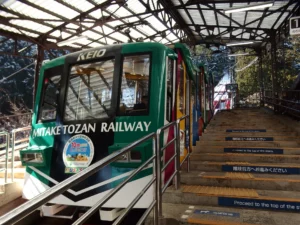
GO TOKYO says to take the Keio Line semi-limited express from Shinjuku to Takaosanguchi Station, about 55 minutes. The cable car station (Kiyotaki) is about a 5-minute walk from there, says the cable car company. Mt Takao has numbered trails. Trail 1 is 3.8 km and the Biwa Falls trail (Trail 6) is 3.3 km, according to the company’s course list. It lists toilets at the cable car station and the summit for Trail 6, and five along Trail 1. Mt Takao is busy on weekends and in autumn, so a weekday morning is more peaceful. Read our Mt Takao guide and Takao day itinerary for fares and times.
Todoroki Valley: a green ravine in the city
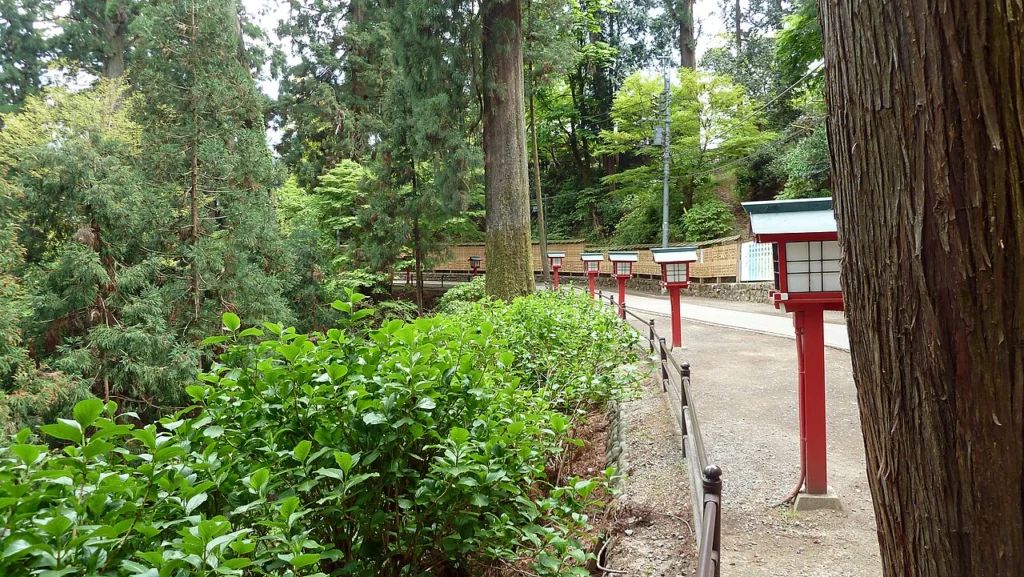
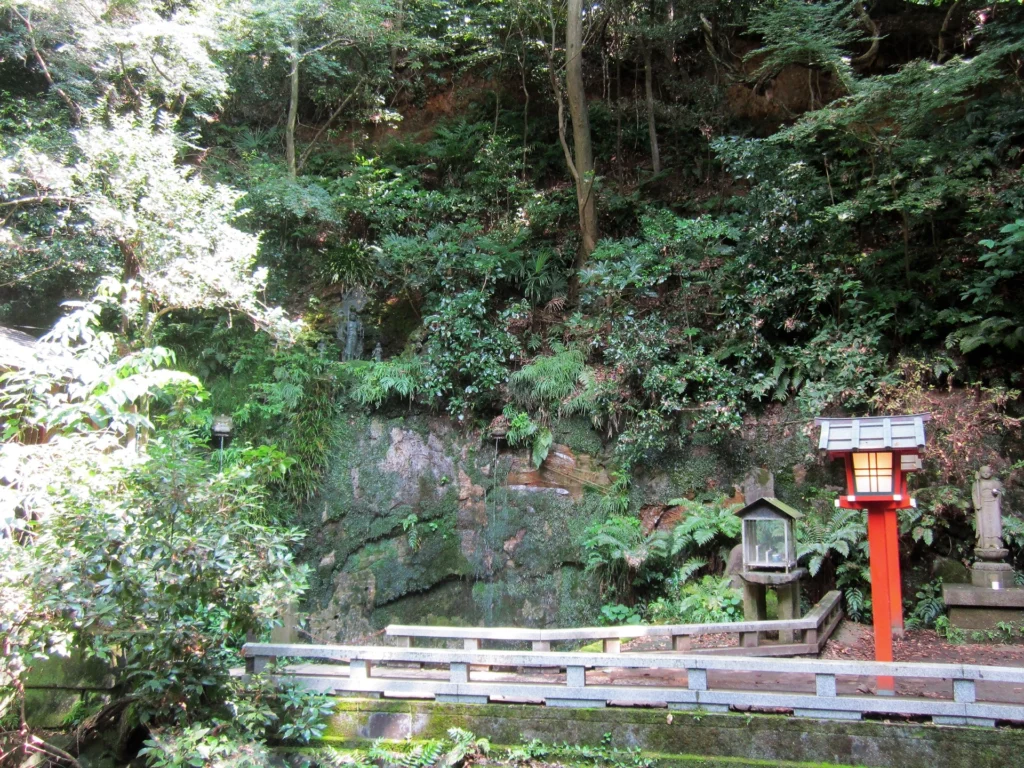
Setagaya City says the roughly 1 km valley is the only gorge in Tokyo’s 23 wards. GO TOKYO says the closest station is Todoroki Station on the Tokyu Oimachi Line, about 40 minutes from Shinjuku. The park was closed for most uses after a tree fell in July 2023 and reopened on March 24, 2026. The city lists hours of 9:00 to 17:00 from March to October and 9:00 to 16:30 from November to February. It is closed December 29 to January 3. We did not find an entrance fee on the city page.
- The paths are narrow, and some riverside parts have no railing. Share the path and watch your step.
- Some paths have no lights, and the city asks people not to enter after dark. Stay away from the river in heavy rain.
- There is no parking or bicycle parking.
- The city page says it is not accepting photography requests at the park for now, because of expected crowds. It does not say how this affects ordinary visitors, so read the page before you go.
For more, see our Todoroki Valley guide and the Todoroki Valley and Gotoh Museum half-day plan.
Okutama: Tokyo’s forest therapy base
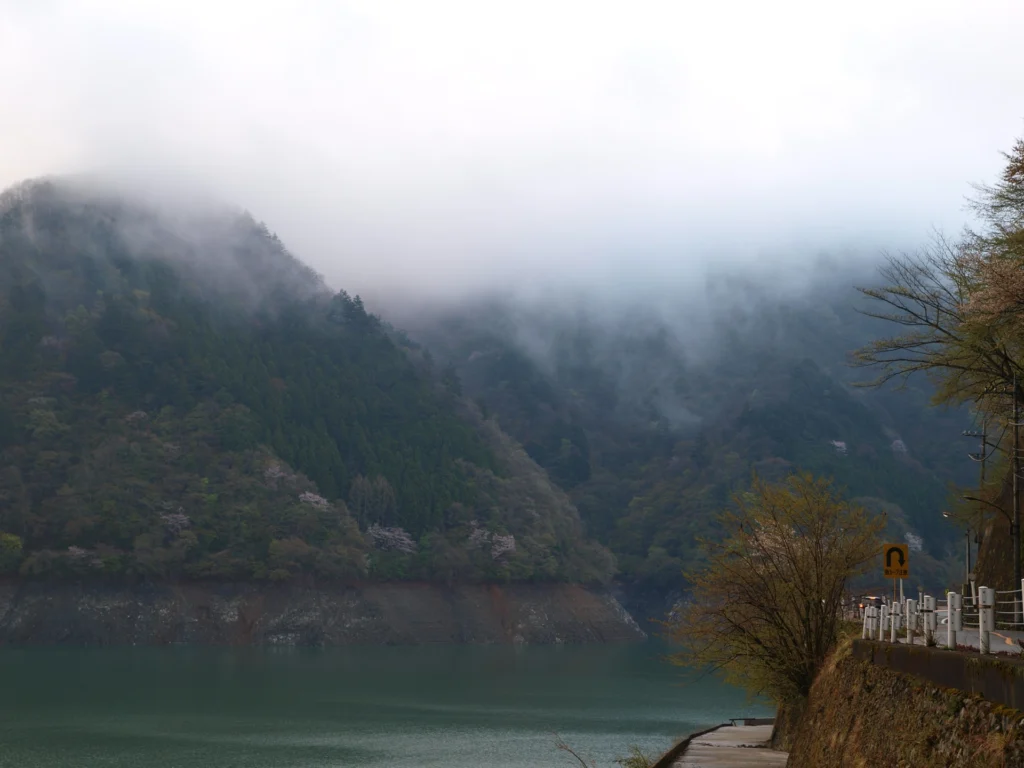
GO TOKYO calls Okutama Tokyo’s first certified forest therapy base and says it has five therapy roads. You can join a walk led by a guide certified by Okutama Town, and the nearest station is Okutama Station on the JR Ome Line. The Tokyo Metropolitan Government calls the Toke Trail Japan’s first trail designed specifically for forest therapy. It says a little over 400 m of it is wheelchair accessible. It also says the trip is about two hours by train from Shinjuku, and that local buses may be infrequent, especially outside peak seasons. Bring plenty of water, since it can get hot even under the trees.
We did not read fees or guide prices for the tours, so check the tour page. See our Okutama guide, Mt Mitake and easy hikes near Tokyo for more mountain days.
| Place | From Shinjuku | Good for | Check first |
|---|---|---|---|
| Todoroki Valley | About 40 min (GO TOKYO) | A short green walk in the city | Hours, narrow paths, no lights after dark |
| Mt Takao | About 55 min to Takaosanguchi (GO TOKYO) | Trails of different lengths, a half or full day | Crowds on weekends and in autumn |
| Okutama | About 2 hours by train (Tokyo Metropolitan Government) | A forest therapy trail and guided walks | Bus times, water, tour booking |
Related Ideas
Japan also links forests with spirit. Many Tokyo shrines sit in old trees, which we explain in Sacred Forests and Kami Trees. For a planned park, see Japanese Gardens Explained. New to Japanese manners? Read our Japanese culture guide.
FAQ
What does shinrin-yoku mean?
It means “forest bathing.” It is slow, quiet time among trees. JNTO describes it as the simple act of spending time in a forest.
Who started shinrin-yoku?
JNTO says the concept was developed in 1982 by Japan’s Forest Agency. The Tokyo Metropolitan Government says forest therapy was developed in Japan in the 1980s.
Is forest bathing good for health?
JNTO and a Tokyo Metropolitan Government page say research links it to better mood and lower stress, but they do not show the studies. We cannot judge that research and this is not medical advice.
Where can I try shinrin-yoku in Tokyo?
Mt Takao, Todoroki Valley and Okutama are three options. Okutama is called Tokyo’s first certified forest therapy base by GO TOKYO.
Do I need a guide?
No. You can walk alone. GO TOKYO says guided walks led by an Okutama Town-certified guide are also offered. We did not read prices.
Is Todoroki Valley open now?
Setagaya City says the park reopened on March 24, 2026. Hours are 9:00 to 17:00 from March to October and 9:00 to 16:30 from November to February, closed December 29 to January 3. Check the city page for notices.
Keep reading
Sources
Facts come from the official pages below, read on November 18, 2026. We have not visited these places for this guide. Hours, trail status and notices can change, so please check before you go.
- JNTO: Shinrin-yoku, the Japanese art of forest bathing
- JNTO: Forest bathing guide
- Tokyo Metropolitan Government: Breathe Deep in Okutama
- GO TOKYO: Okutama Forest Therapy
- GO TOKYO: Mt Takao and around
- GO TOKYO: Todoroki Valley
- Takao Tozan Railway: access to Mt Takao (Japanese)
- Takao Tozan Railway: hiking courses (Japanese)
- Setagaya City: Todoroki Valley Park (Japanese)