Researched guide · Last checked: Nov 16, 2026
In Japan, you take off your shoes at the entrance of a home and at some other places, such as ryokan and some temples. The Japan National Tourism Organization (JNTO) says to put on the indoor slippers you are given and to take them off again on tatami mats. Check the signs before you go in.
Quick answer
Take off your shoes at the entrance of a home or a ryokan, then put on the indoor slippers. Take the slippers off before you step on tatami (straw-mat flooring). Use separate toilet slippers in the restroom.
Many Japanese-style restaurants, temples and hot springs also ask you to take off your shoes. We could not confirm the rule for each place, so check before you go.
Overview
| Where shoes come off | The entrance of a home, a ryokan, and some Japanese-style restaurants, temples and hot springs |
| Indoors | Use the slippers you are given |
| Tatami | Take the slippers off |
| Restroom | Change into the separate restroom slippers |
| Tip from JNTO | Shoes that are easy to take on and off are convenient |
| Each place | Rules differ. Check before you go |
| Last checked | November 2026 (on November 16, 2026) |
Why Shoes Come Off in Japan
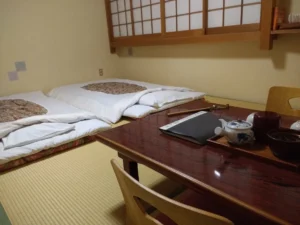
JNTO says it is expected that you take off your shoes at the entrance of a Japanese home. This is the same idea at a ryokan, a traditional Japanese inn, where staff explain the shoe rules to guests. Travelers do not need to master every custom. Learning the basics makes the trip easier. For more, see our Japanese culture guide.
Step by Step: What to Do at the Entrance
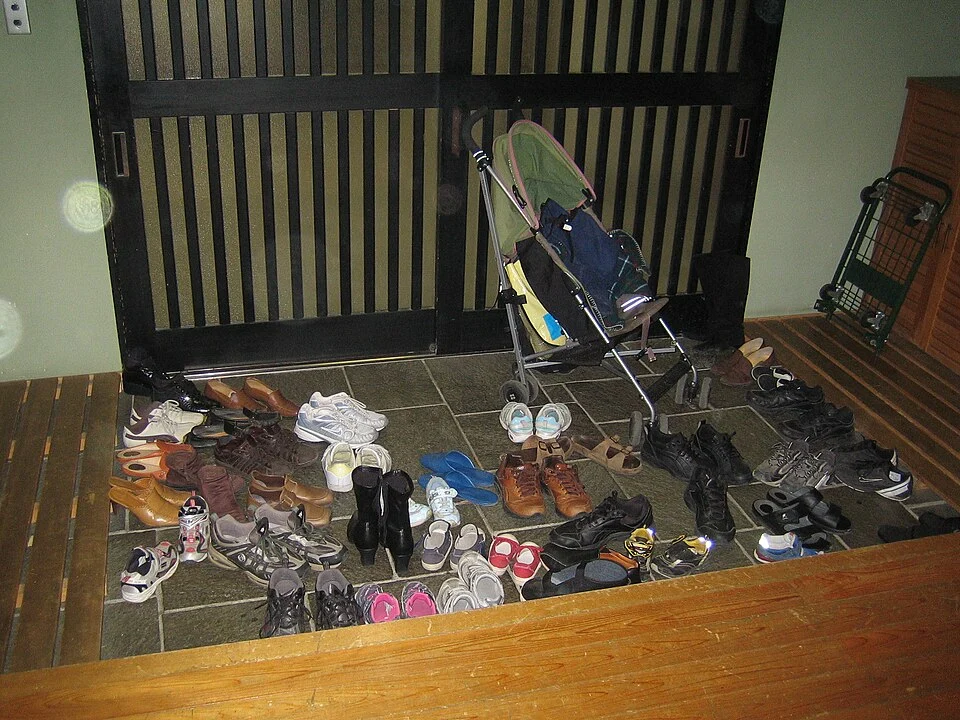
1. Take off your shoes at the entrance
JNTO says to remove your shoes at the entrance. When you enter a home, you can say ojamashimasu (“sorry to disturb you”), according to JNTO.
2. Put your shoes in the shoebox or to the side
JNTO asks you to place your shoes in the shoebox or to the side. Shoes that are easy to slip on and off make this simple.
3. Put on the indoor slippers
Use the indoor slippers that are provided. At a ryokan, JNTO notes that guests may also be asked to wear geta or zori (Japanese sandals) with a yukata (light cotton robe) on the grounds. Ask the staff if you are not sure. Our ryokan etiquette guide has more.
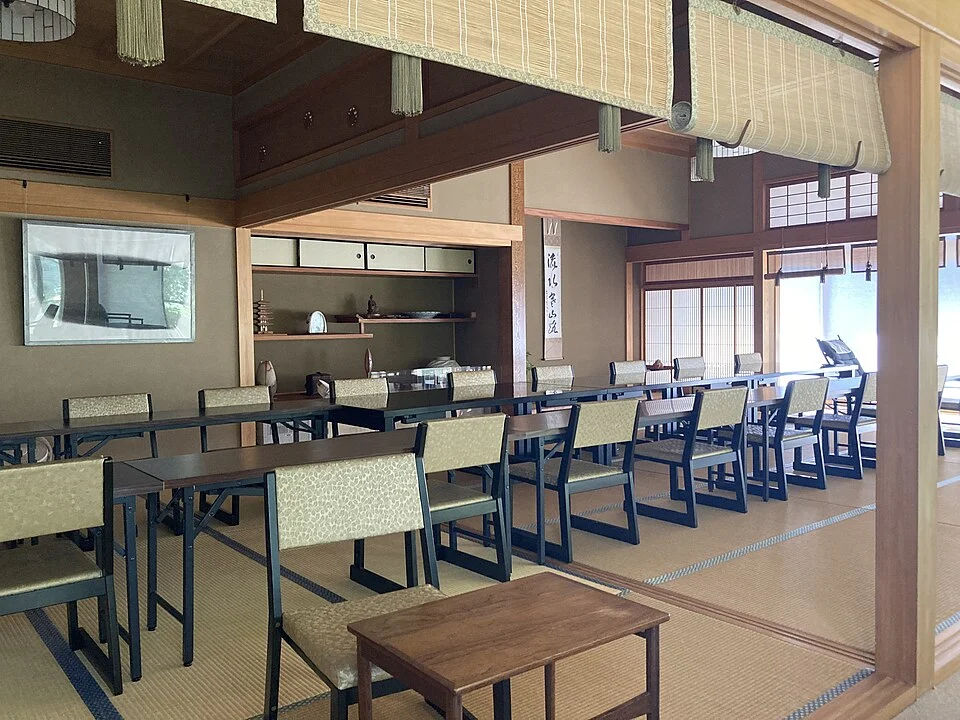
4. Take the slippers off on tatami
Tatami is the woven straw-mat floor in Japanese-style rooms. JNTO says to take your slippers off on tatami mats.
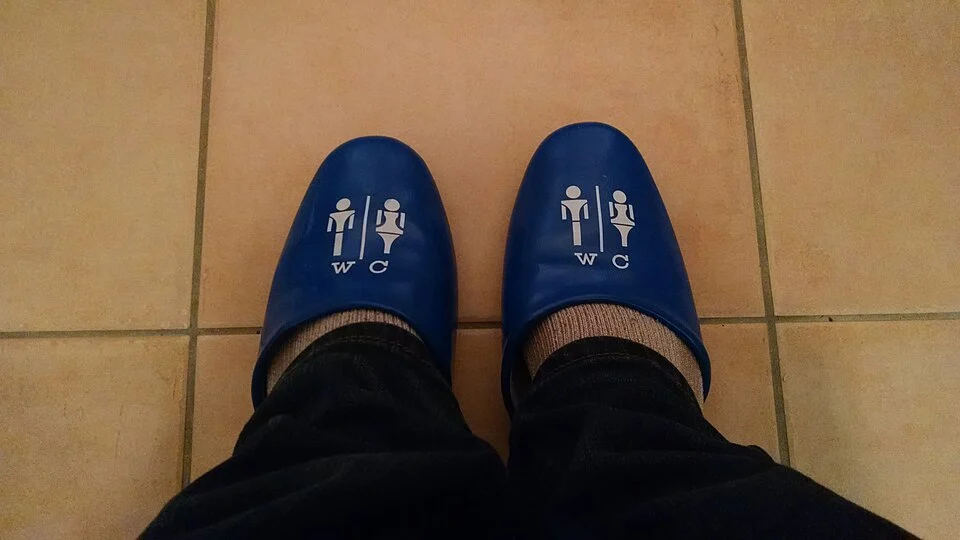
5. Use the restroom slippers
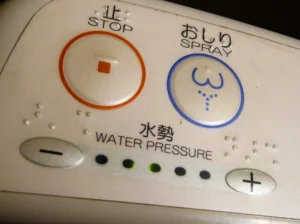
JNTO says to change into the separate restroom slippers when you use the toilet. Change back to your indoor slippers when you leave. For toilets, see Japanese toilets.
Where Else Do Shoes Come Off?
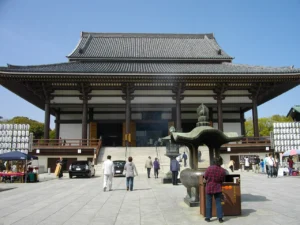
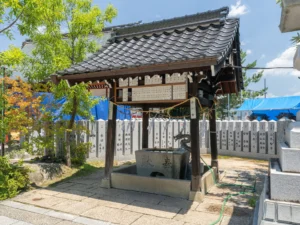
JNTO says many Japanese-style restaurants, temples and hot springs have no-shoe policies, so check before you go in. We could not find one official list for Tokyo, so look for a shoe rack, a raised floor or a sign at the door. See shrine and temple etiquette, onsen and public bath etiquette and tea ceremony in Tokyo.
Example: Edo-Tokyo Open-Air Architectural Museum
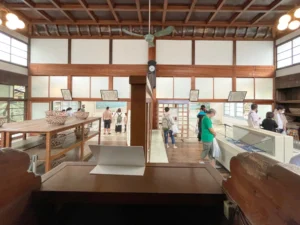
At the museum, you can go inside some of the buildings to see the interiors. The museum recommends shoes that are easy to take on and off. It also says there are no slippers in the buildings. Read more in our museum guide.
What We Could Not Confirm
- Each venue’s rule. JNTO gives general guidance only. Each temple, restaurant or museum sets its own rule, so check the sign or the official website.
- Socks or bare feet. We did not find an official rule, so we do not give one.
- Shoe bags. We did not find whether places give you a bag for your shoes. Check before you go.
Also useful: Japanese phrases for travelers and Japanese table manners.
FAQ
Do I have to take off my shoes in Japan?
At a home, JNTO says it is expected. Many Japanese-style restaurants, temples and hot springs also ask you to take them off. Most places show a sign or a shoe rack. Check before you go in.
Do I take off my slippers on tatami?
Yes. JNTO says to take off your slippers on tatami mats.
What are toilet slippers?
They are separate slippers kept in or near the restroom. JNTO says to change into them when you use the toilet.
Do ryokan give you slippers?
JNTO says shoes come off at the ryokan entrance and that indoor slippers are used. Staff explain the rules. Ask them if you are not sure.
What shoes are best for sightseeing in Japan?
JNTO says shoes that are easy to slip on and off are convenient. The Edo-Tokyo Open-Air Architectural Museum gives the same advice for entering its buildings.
Does the Edo-Tokyo Open-Air Architectural Museum give out slippers?
No. The museum says it does not have slippers in the buildings. It recommends shoes that are easy to take on and off.
Keep reading

Sources
The facts about shoes come from the official pages below. Last checked: November 2026 (on November 16, 2026). Rules can differ by place and can change, so please check before you go.