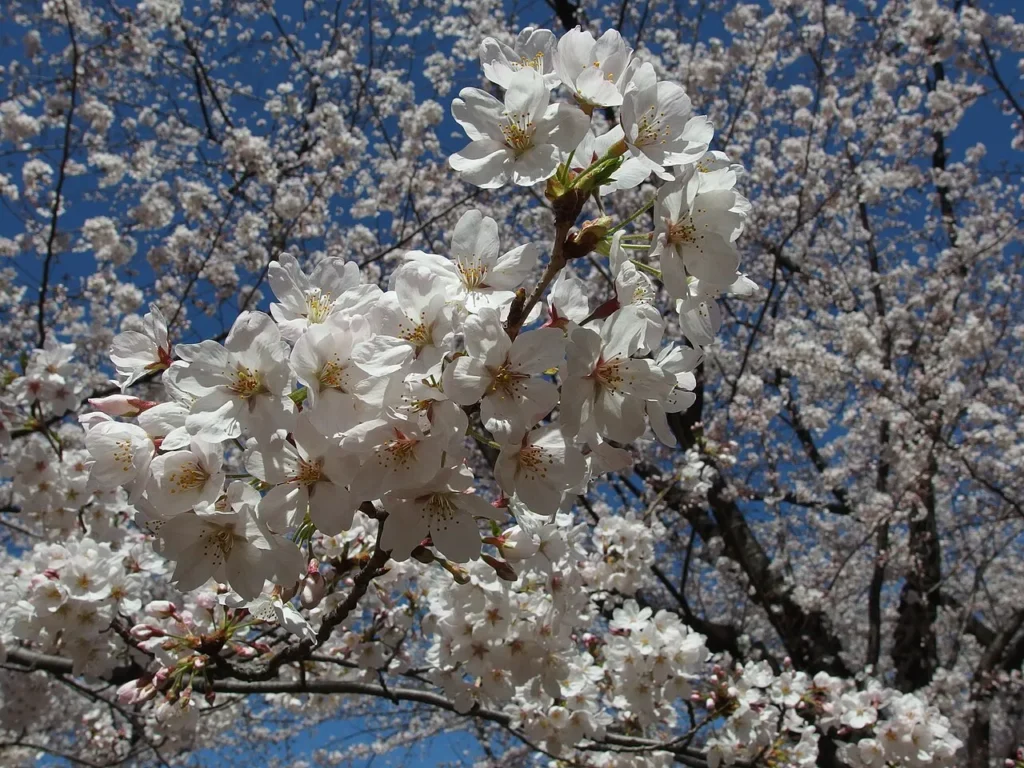
Hanami means “flower viewing.” In Japan it usually means sitting under cherry trees in spring with food, drinks and friends. The custom is old, and it comes with a few simple manners.
Quick answer
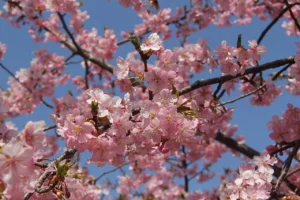
Hanami is the Japanese custom of enjoying cherry blossoms, often with a picnic. In Tokyo the blossoms of the common Somei-Yoshino tree open from late March to early April, says JNTO for Shinjuku Gyoen.
The basic manners are easy: do not touch the trees, take your trash home, keep noise down, and follow each park’s own rules. Rules on alcohol and picnic sheets differ by park. For example, Shinjuku Gyoen bans alcohol, and the Chidorigafuchi Green Way bans picnics.
Dates and rules can change each year, so check the official park or city page before you go.
| What it is | Cherry blossom viewing, often a picnic under the trees |
| Tokyo season | Late March to early April for Somei-Yoshino (JNTO, Shinjuku Gyoen) |
| Cost | Free in many places. Some gardens charge a small entrance fee |
| Key rule | Rules differ by park. Check the signs and the official page |
| Last checked | November 2026 (on November 17, 2026) |
What Is Hanami?
Hanami (花見) is made of two words: hana (flower) and mi (viewing). The flower in question is almost always sakura (cherry blossom). People gather under the trees, eat, drink tea or sake, and take photos. At night the same custom is called yozakura, or “night cherry blossoms,” when lights make the trees glow.
A Short History of Hanami
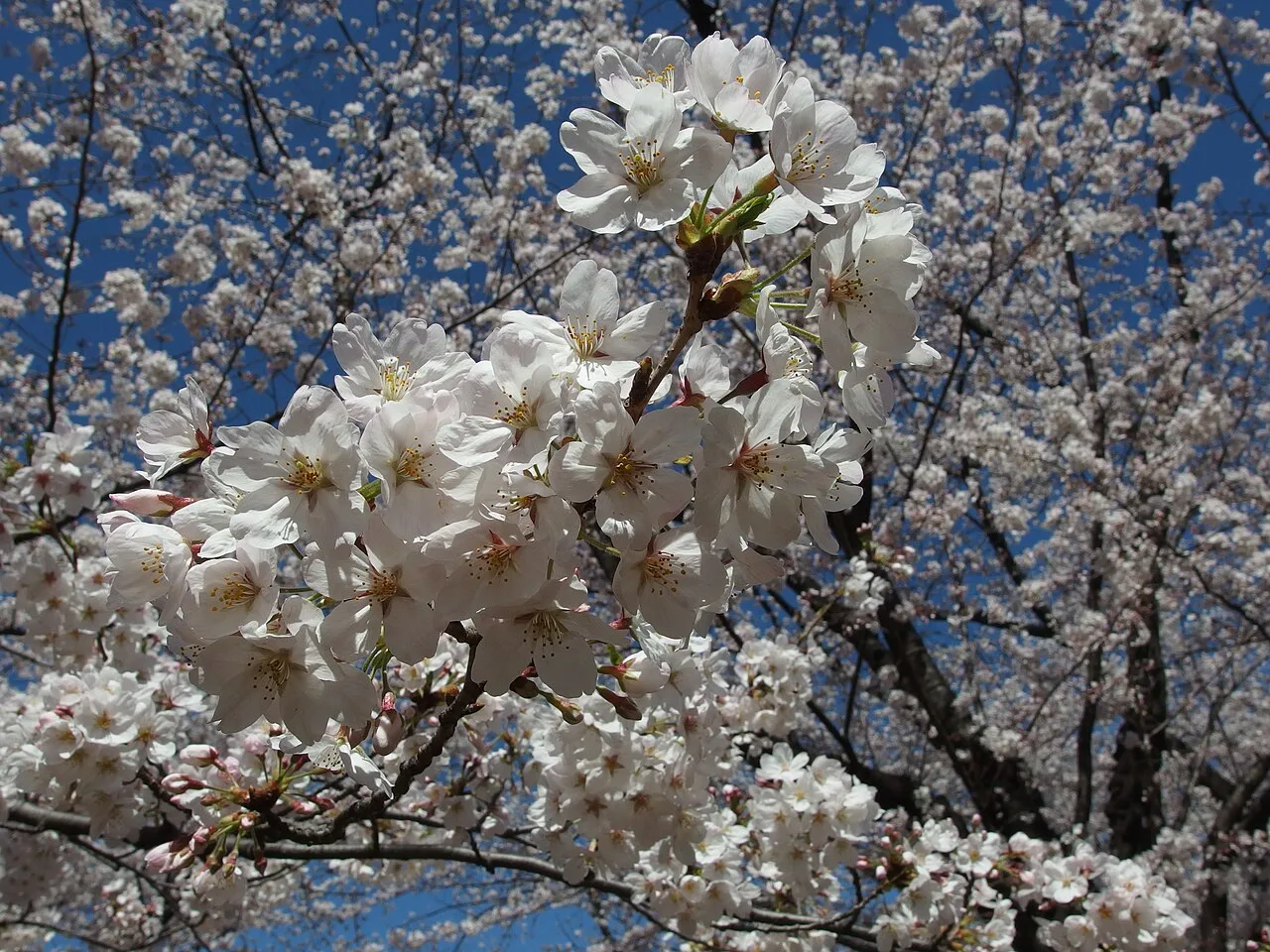
The Library of Congress says hanami began with plum blossoms, the first important flower of spring. Over time the focus moved to cherry. By the Heian period (794 to 1185), the custom was almost only about cherry blossoms. Exact dates for the first parties vary by source, so we do not give one here.
Hanami was clearly popular in the Edo period (1600 to 1868). The Library of Congress notes that Edo-era woodblock prints show blossom viewing at places such as Asukayama and the Sumida River. The same page says the shogun Tokugawa Yoshimune had the famous cherry trees at Asukayama planted in 1720. The prints show townspeople, samurai, actors and musicians, and one print shows sake and shamisen music. In other words, a party under the trees is not a new idea.
Ueno Park has a long link to the custom too. GO TOKYO says the park grew out of the grounds of Kaneiji Temple, and that its blossoms were celebrated in a haiku by the poet Matsuo Basho. See our Ueno Park guide and Asukayama Park guide for the places today.
Hanami Etiquette: The Simple Rules
Most hanami manners are about sharing a busy space. Parks and city offices post their own rules, so follow those first. These points are the common ones, and each park may add more.
- Do not touch the trees. The Chiyoda City sakura page asks visitors not to touch the cherry trees along the Chidorigafuchi Green Way. Do not shake, climb or pick branches anywhere.
- Take your trash home. Many parks have few bins. Bring a bag and carry your rubbish out, unless the park signs say to use its sorting bins.
- Keep noise down. Speakers and loud parties are not welcome in many places, and some parks list music as banned. Shinjuku Gyoen bans musical instruments, says JNTO.
- Do not hold a big spot for hours. People often lay a sheet early to save space. This is called basho-tori (holding a spot). Park rules differ, so read the signs, and never leave a large area empty for a long time.
- Stay on the paths. Chiyoda City says the Chidorigafuchi roadway is not a pedestrian zone, so do not walk on it.
- Skip tripods and drones. At Chidorigafuchi, Chiyoda City asks visitors not to use tripods, and unauthorized drone photography is banned.
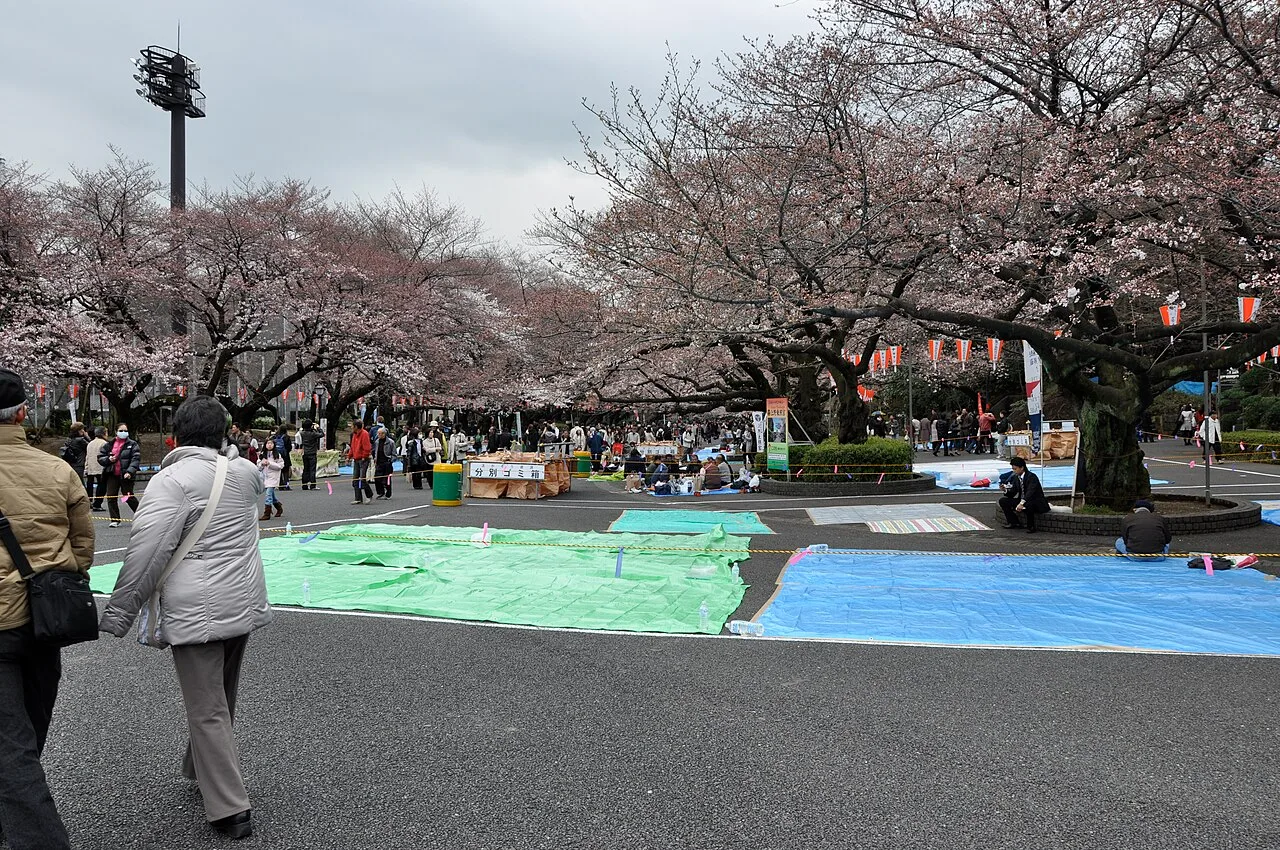
Park Rules Are Not the Same Everywhere
This is the part that surprises many visitors. The same hanami can be fine in one park and not allowed in the next. Here is what the official pages say.
| Place | What the official page says |
|---|---|
| Shinjuku Gyoen | JNTO says smoking and alcohol are banned, and sports equipment and musical instruments are not allowed. It suggests a picnic, and notes there is a small entrance fee. |
| Chidorigafuchi Green Way | Chiyoda City asks visitors not to smoke or picnic along the Green Way. It also says there are no food stalls on the Green Way, and no parking. |
| Ueno Park | GO TOKYO says the main path is lit by 800 lanterns during the Ueno Sakura Matsuri. Rules on sheets and drinks are not on that page, so follow the signs in the park. |
| Other parks | Check the park or ward website. Many Tokyo parks have their own hanami rules. |
For a spot-by-spot guide, see our Shinjuku Gyoen guide, Chidorigafuchi guide and Sumida Park guide.
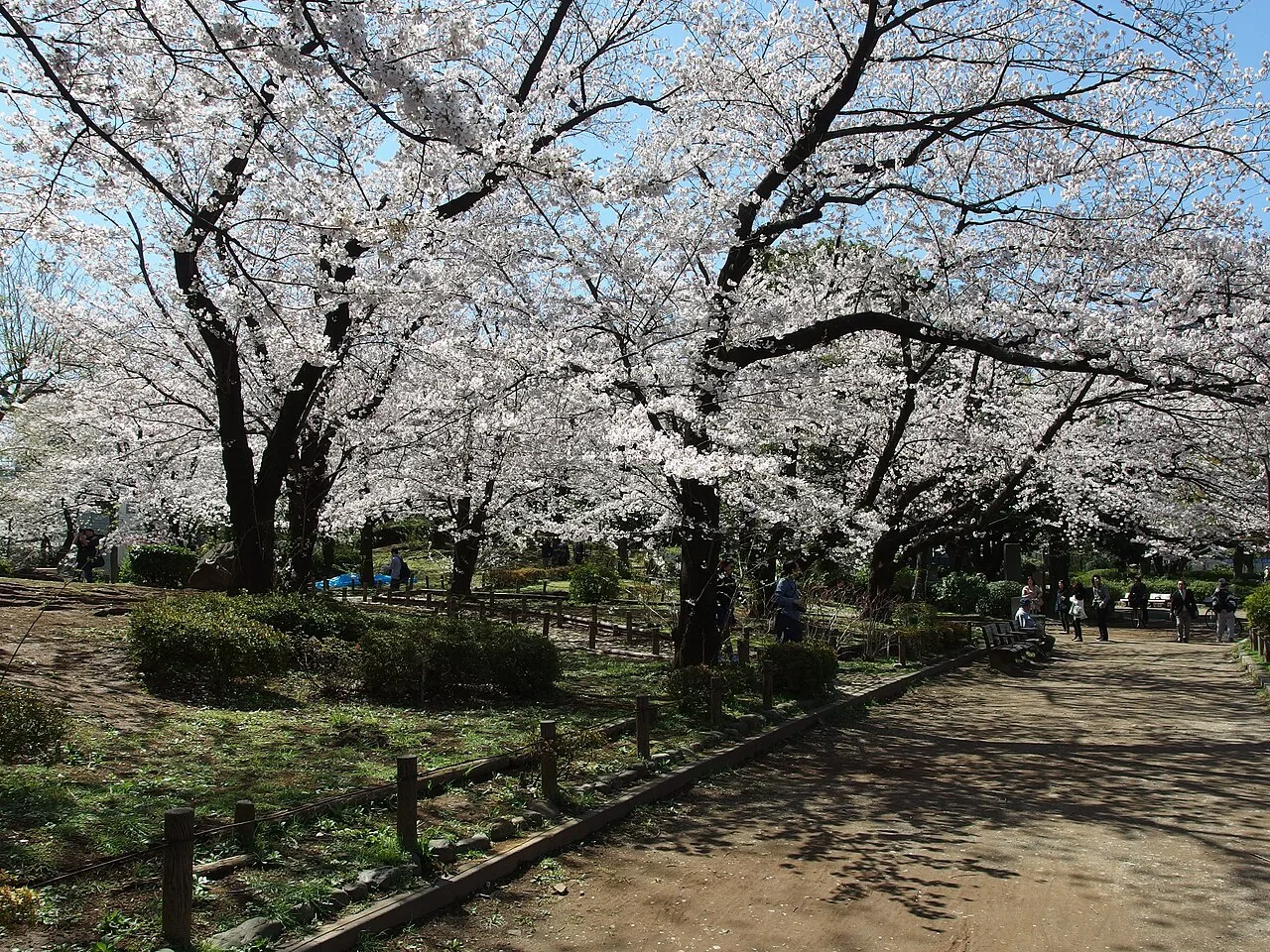
Night Viewing and Light-Ups
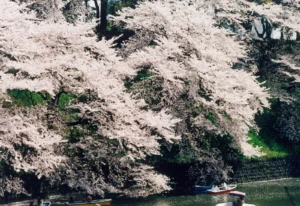
Yozakura is popular in Tokyo. At Chidorigafuchi, Visit Chiyoda says the Green Way is lit for about 12 days from late March to early April, and that the dates depend on the bloom. The Green Way is a path of about 700 meters with about 230 Yoshino and Oshima cherry trees. During the light-up, traffic changes on weekends and access may be limited when it is very crowded, so plan extra time.
At Ueno, GO TOKYO says 800 lanterns light the main path during the festival. Light-up dates are set each year, so check the official page.
How to Plan Your First Hanami
- Pick a park first. If you want a picnic, choose a place that allows it. A garden with a small fee, like Shinjuku Gyoen, can feel calmer. Bring no alcohol there.
- Go early or on a weekday. Big spots are crowded at peak bloom. The Chidorigafuchi Green Way has more than one million visitors in the season, says Visit Chiyoda.
- Pack light. A sheet, a bag for trash, wet wipes and snacks are enough. Food stalls are not guaranteed, and there are none on the Chidorigafuchi Green Way.
- Check the bloom. The peak changes each year. See our cherry blossom guide, Tokyo in March and Tokyo in April.
- Be polite near shrines and temples too. See our shrine and temple etiquette guide.
More Seasonal Customs
Hanami is one of many seasonal customs in Japan. For summer, see our Tanabata guide. For festivals in general, read Japanese festivals explained. For more on manners and traditions, start with our Japanese culture guide. New to Tokyo? Try Start here.
FAQ
What does hanami mean?
Hanami means “flower viewing.” It usually means enjoying cherry blossoms, often with a picnic under the trees.
When is hanami season in Tokyo?
JNTO says the Somei-Yoshino cherry trees at Shinjuku Gyoen bloom from late March to early April. The exact peak changes every year, so check the bloom news before you go.
Can I drink alcohol at hanami in Tokyo?
It depends on the park. Shinjuku Gyoen bans alcohol, says JNTO. Other parks have their own rules, so follow the signs and the official page.
Can I have a picnic along the Chidorigafuchi Green Way?
No. Chiyoda City asks visitors not to smoke or picnic along the Green Way. It also says there are no food stalls there.
Where does hanami come from?
The Library of Congress says hanami began with plum blossoms and later became mostly about cherry blossoms in the Heian period. It spread widely in the Edo period. Exact dates for the first parties differ by source.
What is yozakura?
Yozakura means “night cherry blossoms.” At Chidorigafuchi, Visit Chiyoda says the trees are lit for about 12 days in late March and early April.
Is it rude to save a spot with a sheet?
Holding a spot is common, but rules differ by park. Do not leave a large area empty for hours, and follow the park signs.
Keep reading

Sources
Facts come from the pages below (Last checked: November 17, 2026). Rules, dates and fees can change, so please check before you go.
- Visit Chiyoda (official Chiyoda City tourism site): Chiyoda City Sakura Festival
- Visit Chiyoda: Sakura highlights and sights (Chidorigafuchi Green Way)
- Japan National Tourism Organization: Shinjuku Gyoen Cherry Blossoms
- GO TOKYO (Tokyo Convention and Visitors Bureau): Ueno Sakura Matsuri
- Library of Congress: Cherry Blossoms in Japanese Cultural History