Japan is safe, clean and easy to travel in, but a few things work differently from home. Here is what to know before your first trip, from money and plugs to manners, with links to our detailed guides.
Quick answer
Carry: your passport, some cash, and an IC card (such as Suica) for trains.
Remember: no tipping, keep quiet on trains, take your trash with you, and take off your shoes where you see a step up or a row of slippers.
Before you fly
- Register on Visit Japan Web for immigration and customs, so you can show QR codes on arrival.
- Plugs: Japan uses Type A plugs and 100 volts. Bring an adapter, and check that your chargers accept 100 V (most phone and laptop chargers do).
- Get data: buy an eSIM or rent pocket Wi-Fi. See Staying connected and Essential apps for Japan.
- Check the season: Golden Week, Obon and New Year are very busy. See Tokyo weather by month.
Money
- Credit cards are widely accepted, but small restaurants, shrines and markets may be cash only. Convenience store ATMs accept many overseas cards.
- Tipping is not expected anywhere.
- Tax-free shopping is available for visitors at many shops with your passport.
- Read Money in Tokyo and Tokyo travel budget.
Getting around
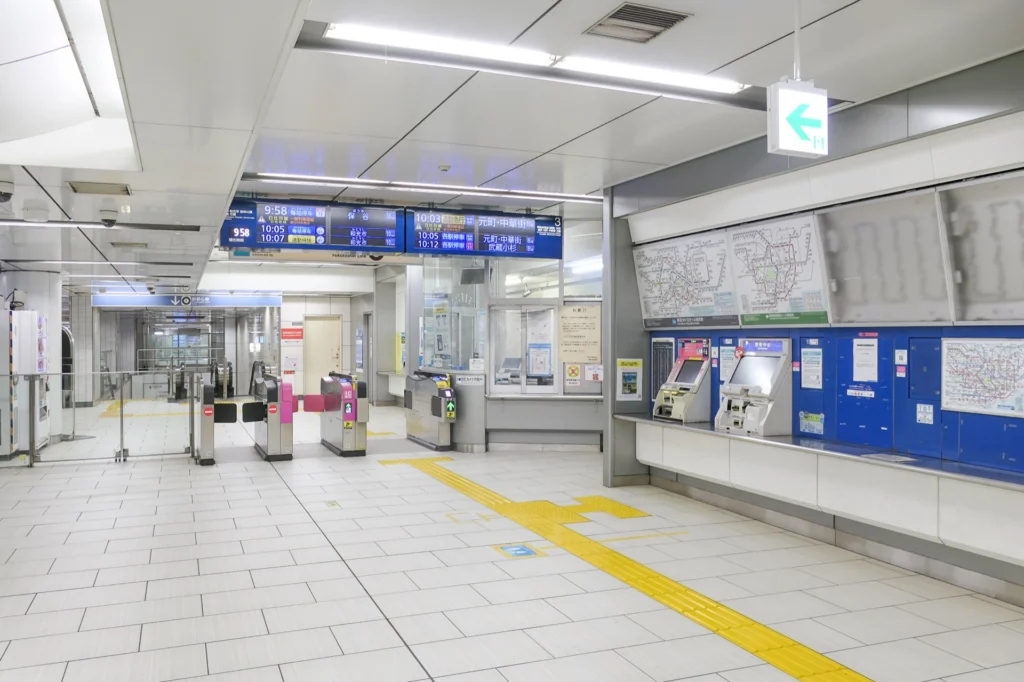
- Get an IC card such as Suica for trains, buses and small purchases. See How to use Suica.
- Trains are punctual and very busy at rush hour (about 7:30 to 9:30 am and 5:30 to 7:30 pm on weekdays).
- Most trains stop running around midnight. Check your last train.
- See Trains in Tokyo and Tokyo transport passes.
Manners
- Keep your voice down and do not take phone calls on trains.
- There are few public trash cans. Carry a small bag for your trash, or use the bins at convenience stores and stations.
- Take off your shoes at homes, ryokan, some restaurants and temples. Look for a raised floor or slippers at the entrance.
- Try not to eat while walking in busy streets. On escalators in Tokyo, people usually stand on the left, but stations ask you not to walk on them.
- See our guides to shrine and temple etiquette and onsen etiquette.
Safety and health
- Japan is one of the safest countries to visit, but keep an eye on your belongings in crowds.
- Carry your passport: visitors are required to carry it.
- Earthquakes happen. Install the Safety tips app and read our earthquake safety guide.
- Some common medicines are restricted in Japan. Check the rules before you pack prescription or cold medicine.
Where to stay and what to book ahead
Choose your area in Where to stay in Tokyo, then book popular tickets such as the Ghibli Museum, teamLab and Tokyo Disney early. See our booking page.
Find hotels in Tokyo
Opens the search results in a new tab. Prices and availability are set by each site. Some of these are affiliate links: we may earn a commission at no extra cost to you.
Worried about safety? See is Tokyo safe for tourists for emergency numbers and what to watch for.
FAQ
Do I need cash in Japan?
Yes, carry some. Cards work in most places, but small shops, shrines and some restaurants only take cash.
What plug does Japan use?
Type A, at 100 volts. Many visitors need an adapter.
Do I need to carry my passport in Japan?
Yes. Visitors are required to carry their passport. You also need it for tax-free shopping and hotel check-in.
Keep reading
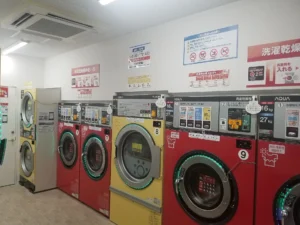 Coin laundry in Tokyo
 Do I Need a Visa for Japan? Visa-Free Countries and Rules
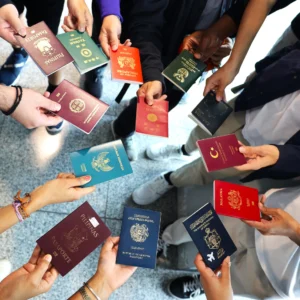 Why Hotels in Japan Ask for Your Passport at Check-In
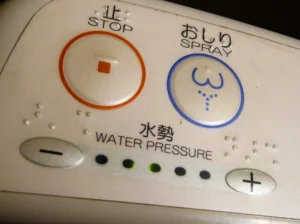 How to Use a Japanese Toilet: Bidet Buttons, Flushing and the Sound Button
 Can You Drink Tap Water in Tokyo? Safety, Taste and Tips
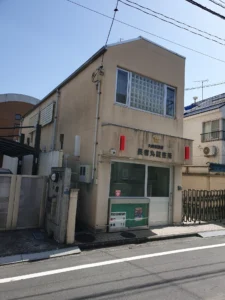 Lost and Found in Tokyo: What to Do If You Lose Something
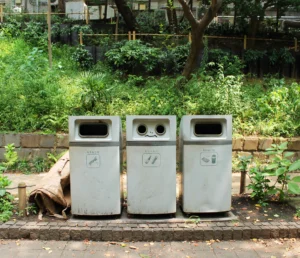 Trash in Tokyo: Why There Are So Few Bins and How to Throw Things Away
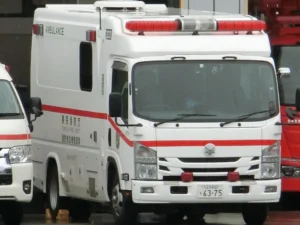 Seeing a Doctor in Tokyo: Hospitals, Helplines and Emergency Numbers
 Tattoos and onsen
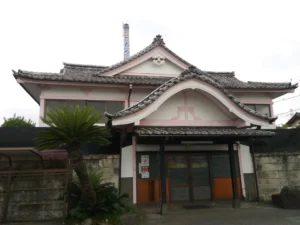 Sento in Tokyo
 Start here: first time in Tokyo
 Essential apps for Japan
 Tokyo trip checklist
Sources
Information comes from the official sources below and our own guides (checked October 18, 2026). Rules can change, so please check before you travel.