Researched guide · Checked on Nov 5, 2026
Yes, you can drink the tap water in Tokyo. The Tokyo Metropolitan Government’s Bureau of Waterworks says its water meets the national drinking water standards and is safe to drink straight from the tap, no filter needed. That means you can skip the bottled water, refill your own bottle at your hotel, and save money and plastic on your trip.
Quick answer
Safe to drink: Tokyo tap water meets Japan’s national standards, and the city tests for 301 items, far more than the 52 the national standards require.
Taste: soft water with a hardness of about 50–100 mg/L. Chlorine is kept low for taste.
Tip: if you notice a chlorine smell, chill the water. Water tastes best at about 15–20°C.
How safe is it?
- Japan’s drinking water standards cover 52 items, set by the national government with reference to WHO guidelines. The same standards apply across the country.
- The Tokyo Bureau of Waterworks tests 301 items at many points from the source to the tap, and delivers safe water 24 hours a day, 365 days a year.
- Water quality is checked at 131 taps across Tokyo, and the results are published online.
- The bureau was the first water utility in Japan to gain ISO/IEC 17025 certification for its testing labs.
- Water from the Tone River system goes through advanced treatment with ozone and biological activated carbon at all of its plants.
Where does Tokyo’s tap water come from?
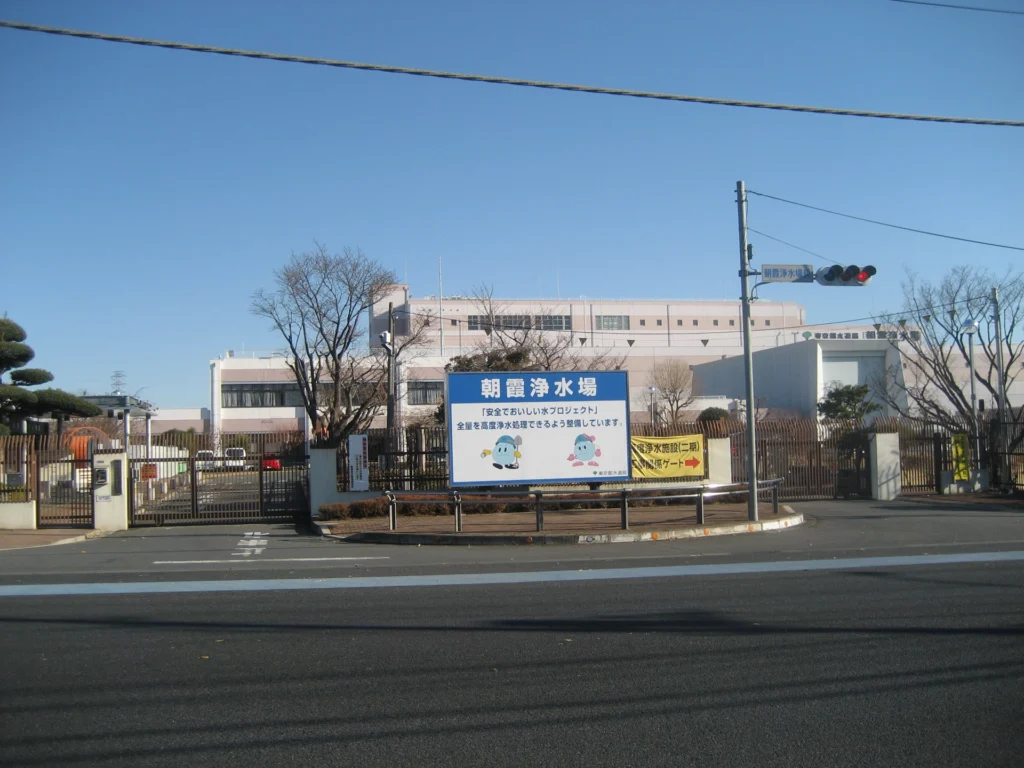
Almost all of it is river water. The Tokyo Bureau of Waterworks says 80% comes from the Tone and Ara river systems and 17% from the Tama River system. Purification plants then treat it before it reaches the tap. The Kanamachi and Misato plants, for example, take water from the Edo River and use ozone and biological activated carbon for all of it.
What does it taste like?
Tokyo’s tap water is soft, with a hardness of about 50 to 100 mg/L depending on the season and the source. Chlorine is added to disinfect it, as the law requires, but Tokyo sets its own taste target that keeps chlorine at the tap between 0.1 and 0.4 mg/L, lower than the national guideline. The water is close to neutral, at about pH 7.5.
- Chill it in the fridge. The bureau notes that water tastes best at about 15–20°C.
- Filters are not necessary. If you use one, drink the water soon, because filtered water loses its chlorine and bacteria can grow.
Things to know
- Apartments and older buildings: in some apartment buildings, water passes through a storage tank before it reaches the tap, and testing of that water may be handled by the local public health center rather than the bureau. If the water looks or tastes unusual, use bottled water and tell the front desk or host.
- PFAS: since April 1, 2026, PFOS and PFOA have a national standard of 50 ng/L combined. The bureau tests for them four times a year and publishes the results by area.
- Outside Tokyo: tap water across Japan follows the same national standards, but this article covers Tokyo’s water.
Refilling on the go
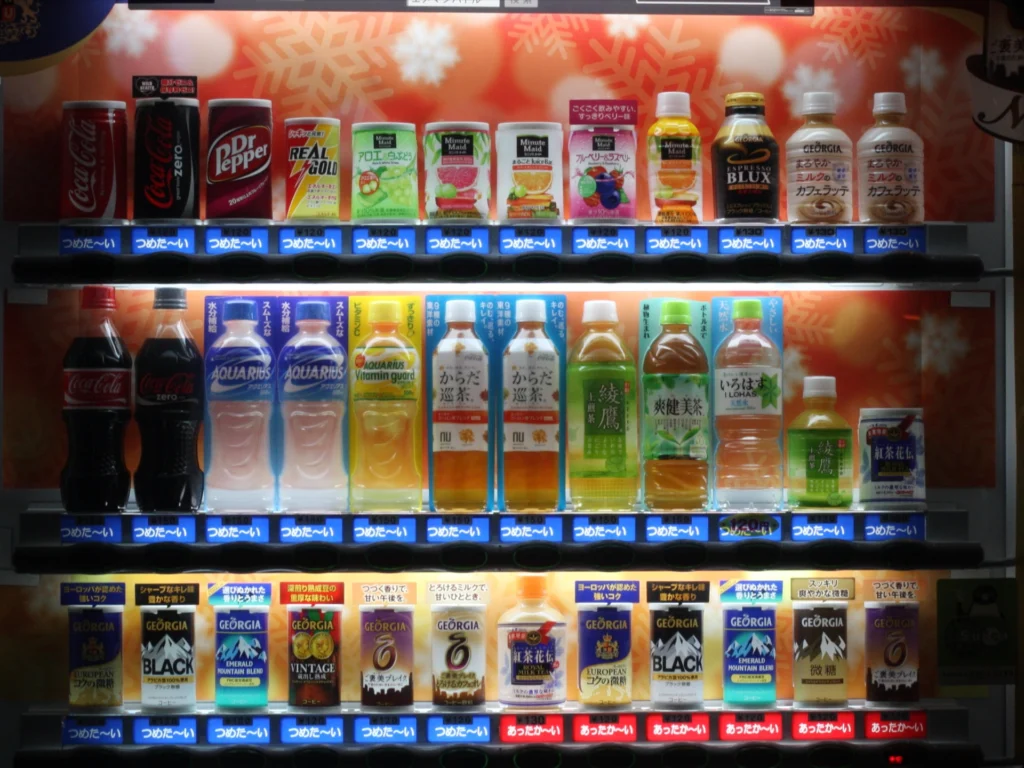
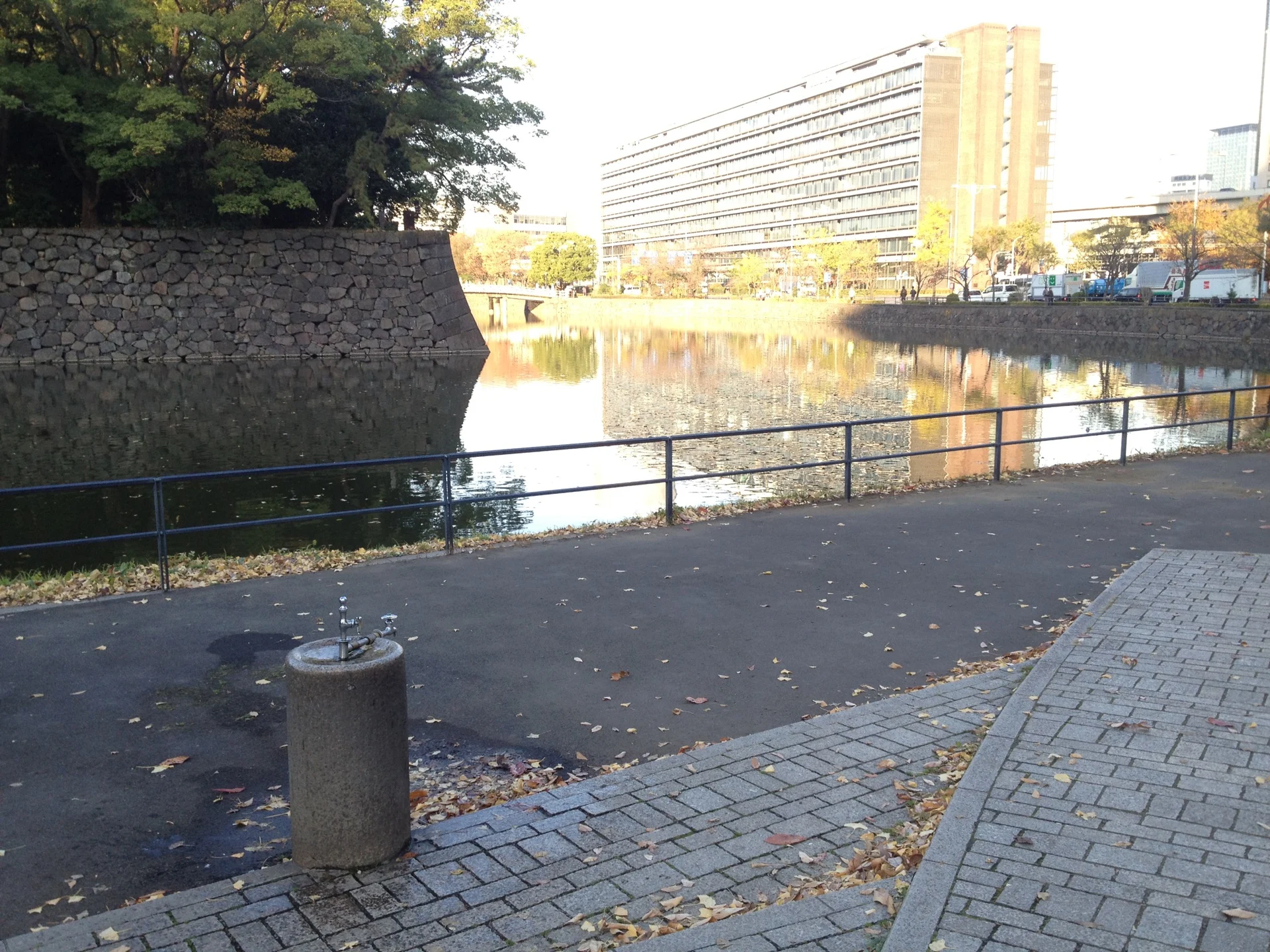
Carry a reusable bottle and fill it at your hotel before you head out. The Tokyo Bureau of Waterworks also runs Tokyowater Drinking Stations: more than 900 drinking fountains and bottle dispensers in public places, with lists by ward on its website. Convenience stores and vending machines are easy to find if you need more. On hot summer days, drink often.
FAQ
Can you drink tap water in Tokyo?
Yes. The Tokyo Bureau of Waterworks says its water meets the national standards and is safe to drink as it is.
Does Tokyo tap water taste of chlorine?
Tokyo keeps chlorine low (0.1–0.4 mg/L at the tap) for taste. If you notice it, chilling the water helps.
Is Tokyo tap water hard or soft?
Soft. Its hardness is about 50–100 mg/L.
Where can I refill a water bottle in Tokyo?
Fill it at your hotel, or use a Tokyowater Drinking Station. The Tokyo Bureau of Waterworks lists more than 900 fountains and bottle dispensers by ward on its website.
Where does Tokyo’s tap water come from?
Mostly rivers: 80% from the Tone and Ara river systems and 17% from the Tama River system, according to the Tokyo Bureau of Waterworks.
Do I need a water filter in Tokyo?
No. The bureau says the water is safe to drink without one.
Related Articles
Sources
Facts and figures come from the Tokyo Metropolitan Government Bureau of Waterworks’ official pages and FAQ on water quality (checked November 5–6, 2026).
- High-quality water management (Tokyo Bureau of Waterworks, Japanese)
- FAQ: water quality standards and taste (Tokyo Bureau of Waterworks, Japanese)
- FAQ: safety of tap water (Tokyo Bureau of Waterworks, Japanese)
- Tokyowater Drinking Station (Tokyo Bureau of Waterworks)
- Tokyo’s water sources (Tokyo Bureau of Waterworks, Japanese)
- Purification plants (Tokyo Bureau of Waterworks, Japanese)