Hinamatsuri (ひな祭り), also called Girls’ Day or the Doll Festival, is held on March 3 in Japan. If you visit Tokyo in late winter or early spring, you may see rows of dolls in displays and pink, white and green sweets. This guide explains what they mean, using the Japan National Tourism Organization (JNTO) and Nippon.com, and marks what we could not confirm.
Quick answer
Hinamatsuri is on March 3. Families pray for the health and happiness of daughters, and display dolls dressed as Heian-period court nobles.
Most of it happens at home, so for visitors it mostly means doll displays, seasonal sweets and special dishes. Check each venue before you go, because we found no official Tokyo list.
Overview
| What it is | A March 3 festival for the health and happiness of girls |
| Also called | Girls’ Day, Doll Festival, Hina Matsuri, Momo no Sekku |
| What you will see | Hina dolls, pink, white and green rice cakes, special dishes |
| Where | Mostly in homes; also public displays, per JNTO |
| Cost | Free to see the festival atmosphere. Venue prices vary |
| Last checked | November 2026 (on November 17, 2026) |
What Is Hinamatsuri?
JNTO says the third day of the third month is the annual celebration of Girls’ Day, known as Hina Matsuri or the Doll’s Festival. It says the day is used to pray for the health and happiness of daughters, and that it is celebrated in homes as well as in public displays.
Nippon.com adds that the dolls are said to represent imperial family members and courtiers at a Heian-period (794-1185) wedding. It also says the dolls have been linked with hopes for a happy marriage.
Hina Dolls: What the Display Means
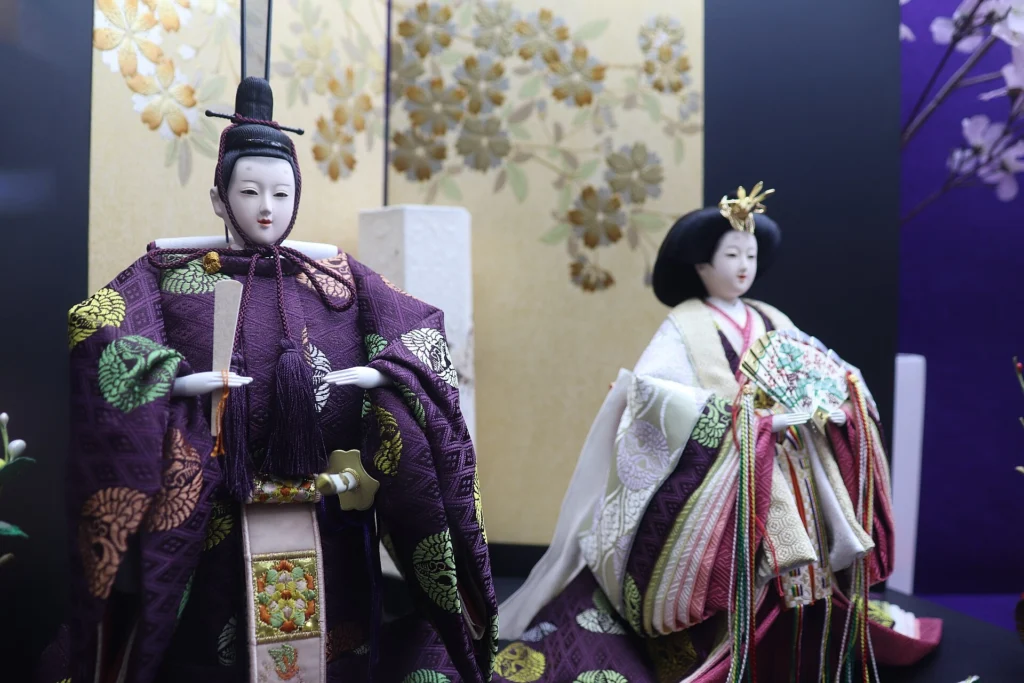
JNTO says the dolls are often placed on special stepped stands with peach blossoms and other seasonal items. The dolls are dressed as Heian court nobles, and the top two stand for the emperor and empress.
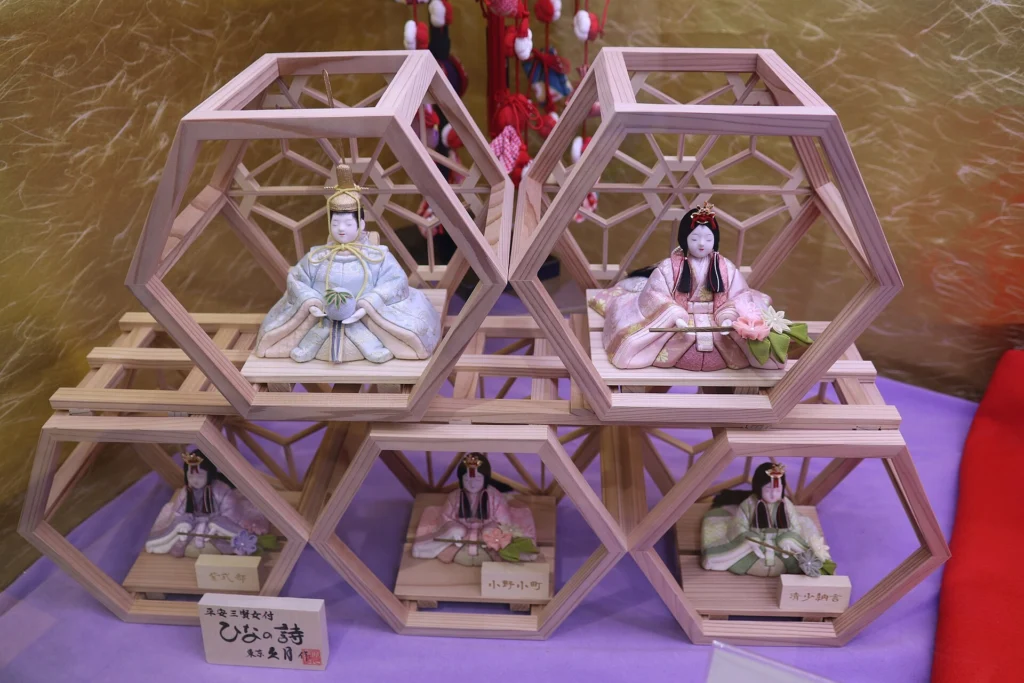
Nippon.com says a home display can be as simple as one bride-and-groom pair (odairisama), or as large as a seven-tier set with 15 figures. A full set includes three court ladies (sannin kanjo) and five musicians (gonin bayashi), plus wedding goods and vehicles. It says compact sets in glass cases are the norm in today’s smaller homes.
- Hina ningyo (ひな人形): the dolls on display.
- Hina no tsurushi kazari: small hanging figures in shapes such as peaches, monkeys and fish. JNTO says they are passed from mother to daughter to protect and nurture the healthy growth of a daughter.
- Peach blossoms: JNTO says they mark the season as part of the decorations.
Festive Foods
Nippon.com lists these foods and drinks for the day. JNTO names several of the same items and says the colors pink, green and white stand for snow, peach blossoms and the first shoots of spring.
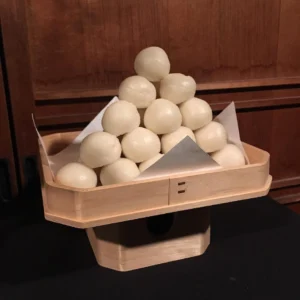
- Hishimochi: diamond-shaped pink, white and green rice cakes (mochi). Nippon.com says one theory links the colors to life, snow and buds on trees.
- Shirozake and amazake: a cloudy white sweet liquor made from rice, and a similar drink for children called amazake. Please see the note below on alcohol.
- Hinaarare: multicolored rice crackers. Nippon.com says in the Kanto region (eastern Japan, which includes Tokyo) they are typically sweetened puffed rice, and in Kansai (western Japan) round glutinous-rice crackers are most common.
- Chirashizushi: sushi rice topped with lucky ingredients such as shrimp and lotus root (renkon).
- Clam soup (hamaguri): linked with wishes for marriage, because the two halves of the shell fit together.
For the wider food culture, see Washoku explained.
Where the Custom Comes From
Nippon.com says March 3 is one of five seasonal festive days (sekku) in the traditional calendar. It is sometimes called Momo no Sekku (the peach festival). The festival has roots in ancient China, where peaches were believed to purify and keep away evil spirits.
In Japan, this gave rise to the custom of using dolls to take on spiritual impurities, then dropping them into moving water. Nippon.com says this joined a second custom, in which girls of the Heian aristocracy played with wooden or paper dolls. Together they formed Hinamatsuri.
JNTO says straw-basket dolls called nagashibina are still floated down rivers in some local events to carry away bad spirits (hinanagashi). It calls this rarer and names Mochigase in Tottori Prefecture, which is far from Tokyo.
For Visitors in Tokyo
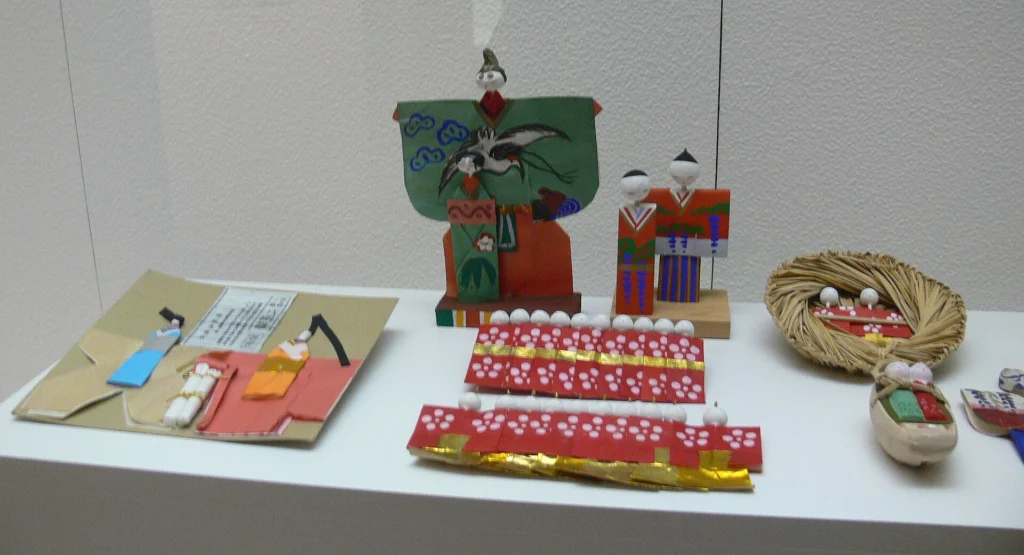
We did not find an official list of Hinamatsuri displays in Tokyo, so we do not name specific places. JNTO says public displays exist, and the photo above shows one at a Tokyo station. Hotels, museums and shopping areas often put out seasonal displays, but please check each venue’s official page before you go.
- Look for it from late winter. We found no official date for when displays go up or come down. Check before you go.
- Try the seasonal sweets. If you see pink, white and green diamond rice cakes, that is hishimochi.
- Combine it with a doll craft. See kimekomi doll making in Tokyo.
- Plan the month. See Tokyo in March for weather and seasonal ideas.
Boys have their own day on May 5. See Children’s Day and koinobori. For other seasonal events, see Setsubun, Tanabata and Japanese festivals explained. For the bigger picture, see our Japanese culture guide.
What We Could Not Confirm
- Where to see displays in Tokyo, and when. We found no official list for this year.
- When families put dolls out and away. The sources we read do not give a rule.
- The alcohol content of amazake. JNTO says it contains less than 1% alcohol, while Nippon.com calls it a nonalcoholic version. Check the label.
- Whether visitors can join any event. The sources describe home and public displays only.
- The age of the JNTO page. It is dated January 23, 2019, so its examples may be out of date.
FAQ
When is Hinamatsuri?
March 3 every year, according to JNTO and Nippon.com.
What is Hinamatsuri?
A festival to pray for the health and happiness of girls. Families display dolls and eat special foods.
What do the hina dolls represent?
JNTO says they are dressed as Heian-period court nobles, with the top two as the emperor and empress. Nippon.com says they represent figures at a Heian-period wedding.
What are the pink, white and green rice cakes?
They are hishimochi, diamond-shaped mochi. Nippon.com says one theory links the colors to life, snow and buds on trees.
Is March 3 a public holiday in Japan?
We did not find it listed as one in the sources we read, so please check the official holiday list. See our public holidays page for the holidays we cover.
Can I see Hinamatsuri displays in Tokyo?
JNTO says there are public displays, and we have seen one photographed at a Tokyo station. We found no official list, so check each venue before you go.
Keep reading

Sources
The facts about Hinamatsuri come from JNTO and Nippon.com, a news site run by the non-profit Nippon Communications Foundation (not a government site). Last checked: November 2026 (on November 16, 2026). Customs vary by family and place.