Researched guide · Last checked: Nov 15, 2026
Japanese meals have a few simple manners. Most are easy to follow, and you can relax about some of them, such as slurping noodles. This guide is based on the Japan National Tourism Organization (JNTO) food etiquette guide. It covers how a basic meal is set out, how to use chopsticks and how to pour drinks.
Quick answer
Slurping noodles is fine. The two biggest chopstick rules: never stick them upright in rice, and never pass food from chopsticks to chopsticks.
JNTO says table manners come from showing appreciation for the effort of the host. If you are unsure, watch what others do and ask the staff.
Overview
| What this covers | Table manners, chopstick use and pouring drinks |
| Easy rule | It is fine to slurp noodles. Try to finish your meal |
| Biggest chopstick no-nos | Sticking chopsticks upright in rice, and passing food from chopsticks to chopsticks |
| Source | JNTO (Japan National Tourism Organization) Japanese Food Etiquette Guide |
| Last checked | November 2026 (on November 15, 2026) |
Why Table Manners Matter
According to JNTO, Japanese table etiquette is based on guests showing appreciation for the efforts of the hosts. It reflects the idea of “omotenashi” (wholehearted hospitality). JNTO also notes that washoku, traditional Japanese cuisine, was added to the UNESCO Intangible Cultural Heritage List in December 2013.
How a Basic Meal Is Set Out
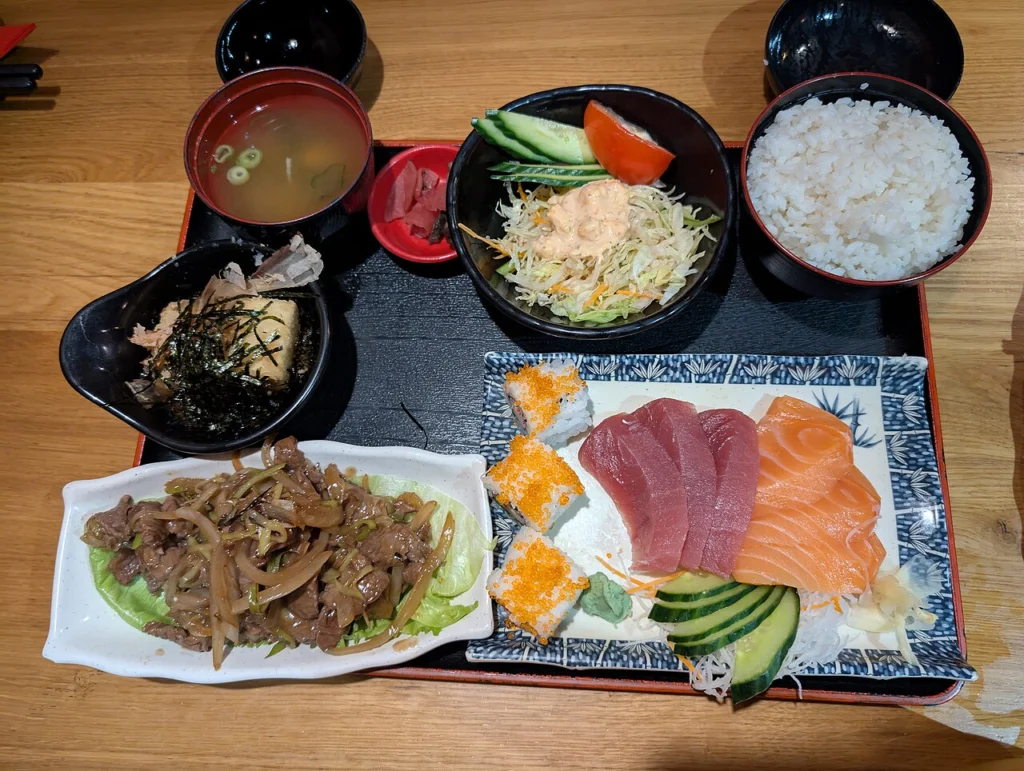
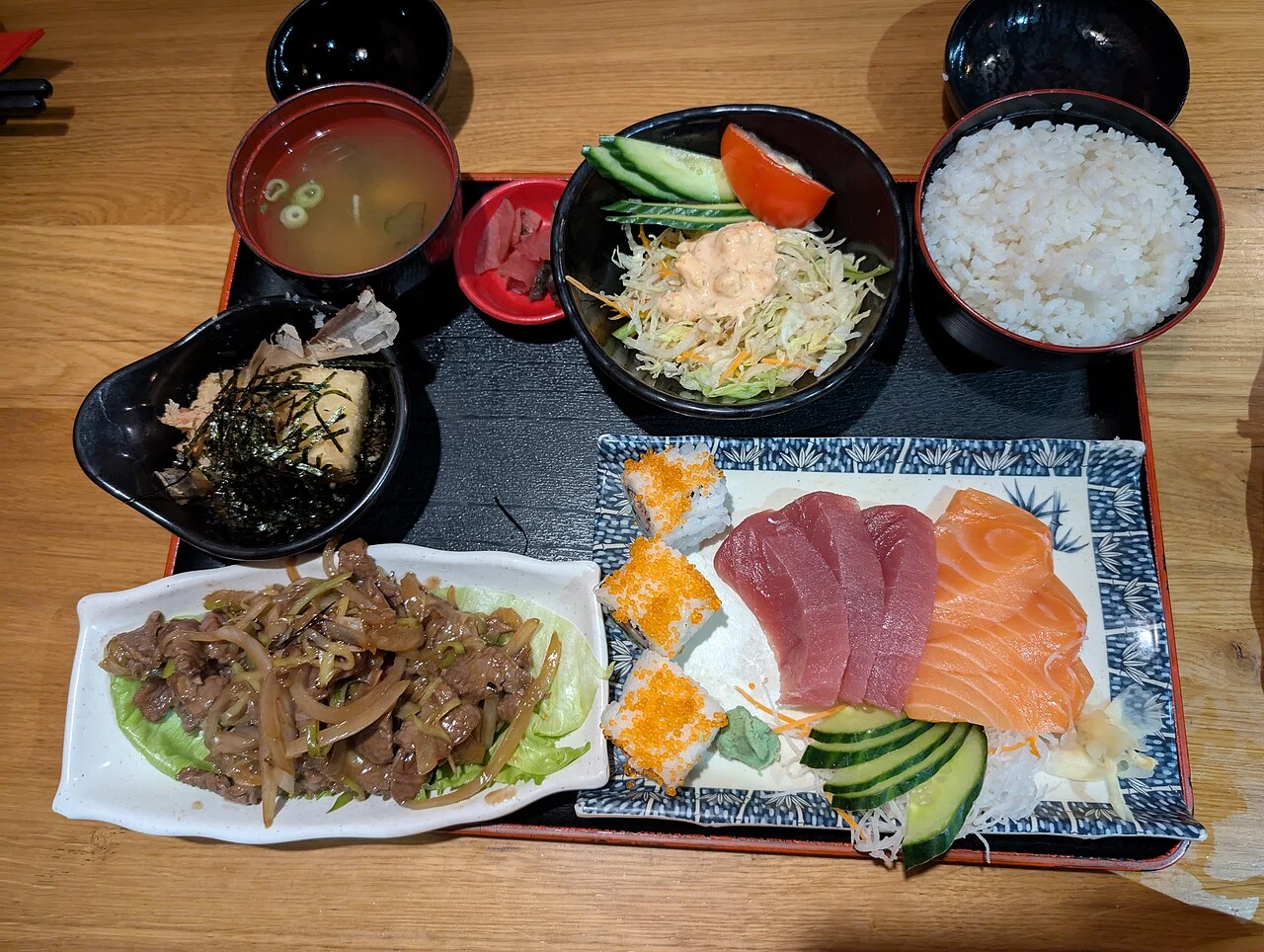
JNTO says a basic meal has soup, several side dishes and a bowl of steamed rice. The rice goes at the front left, the sides go behind, and the soup goes at the front right.
Do and Don’t at the Table
Do
- Feel free to slurp your noodles.
- Try to finish your meal.
- Bring the serving dish or bowl toward your mouth, not your mouth toward the dish.
- Break food into small pieces before you eat it.
Don’t
- Do not take a dish apart or eat it from the bottom to the top. Respect how the food is served.
- Do not put your elbows on the table.
- Do not eat straight from a shared plate. Take some onto your own small plate first.
How to Use Chopsticks
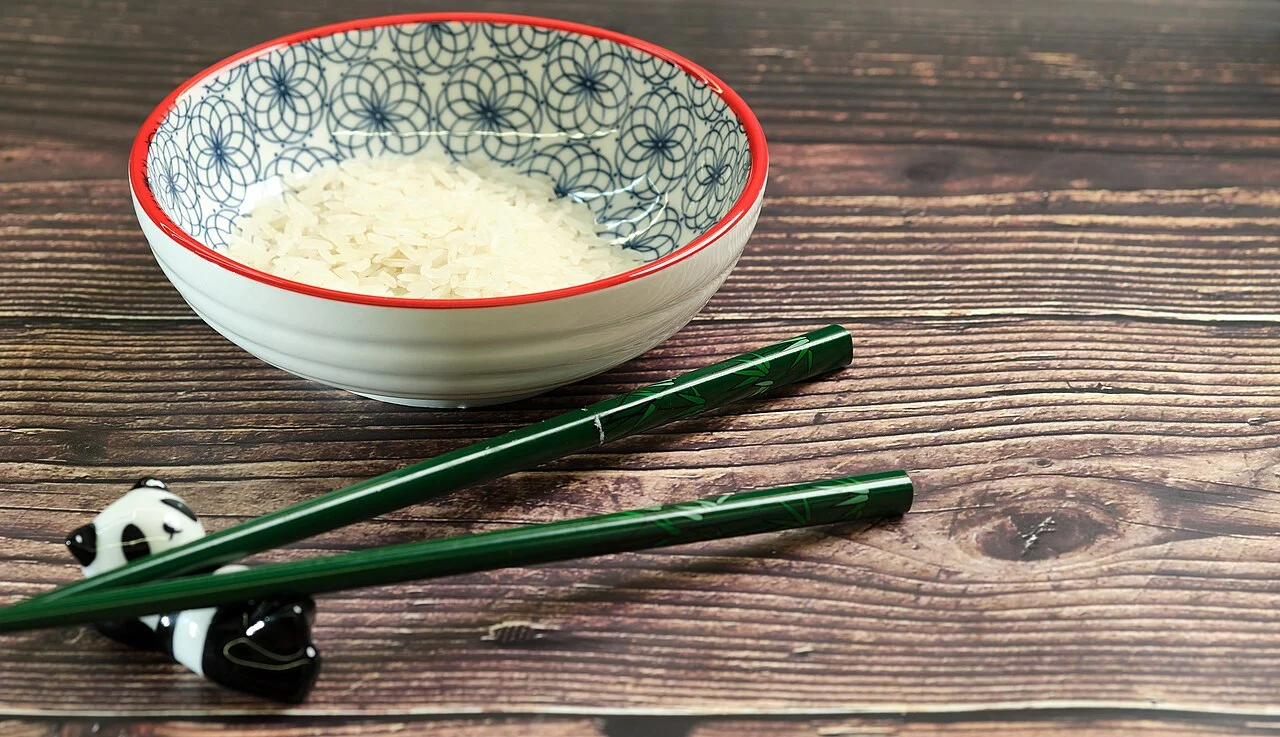
JNTO describes it this way. Rest one chopstick between the base of your thumb and the tip of your ring finger. Hold the second one like a pencil, between your thumb, index finger and middle finger. Only the top chopstick should move when you pick up food. A little practice helps.
Chopstick don’ts
- Do not use them like a spoon, a knife or a fork.
- Do not stab food. They are not for skewering.
- Do not hold both chopsticks together in one hand, and do not point with them.
- Do not use them to pull plates and bowls toward you.
- Do not stick them upright in a bowl of rice. JNTO calls this one of the two biggest no-nos.
- Do not pass food from chopsticks to chopsticks. This is the other of the two biggest no-nos. If you want to share, put food on the other person’s plate or on your own plate first.
Pouring Drinks
JNTO gives these steps for pouring. Hold the bottle with the label facing up in your right hand and support the base with your left hand. Pour for others, but do not pour for yourself. If someone pours for you, hold your glass and tilt it a little. It is fine not to finish a drink. An empty glass is a sign that it needs refilling, so leave it full if you do not want more.
Practical Tips in Tokyo
- At a restaurant with a shared plate, ask for a small plate or take some onto your own dish first. For izakaya, see our izakaya guide.
- For ramen and other noodle shops, see our ramen guide and how to eat sushi.
- Tipping is not usual in Japan. See tipping in Japan.
- At onsen and ryokan, there are separate rules. See ryokan etiquette and onsen and sento etiquette.
- For other customs, see the Japanese culture guide.
Also nearby: Itadakimasu and Gochisosama: Japanese Meal Phrases
Also nearby: Bowing in Japan: Do Tourists Need to Bow? A Simple Guide to Greetings
FAQ
Is it rude to slurp noodles in Japan?
No. JNTO says to feel free to slurp your noodles.
What are the biggest chopstick mistakes?
Sticking chopsticks upright in a bowl of rice and passing food from chopsticks to chopsticks, according to JNTO.
Can I eat directly from a shared plate?
JNTO advises against it. Take some food onto your own small plate first, then eat.
Should I finish all my food?
JNTO says to try your best to finish your meal. It is fine to leave a drink unfinished.
How do I pour a drink for someone?
Hold the bottle with the label up in your right hand and support the base with your left hand. Pour for others, not for yourself, according to JNTO.
Keep reading

Sources
This guide is based on the official information below, not on our own experience. Last checked: November 2026 (on November 15, 2026). Customs differ between restaurants, so please follow the staff and the signs.
Also nearby: Washoku: Japanese food culture explained
Comments
[…] Also nearby: Japanese table manners and chopstick rules […]
[…] Also nearby: Japanese table manners and chopstick rules […]