A sento is a public bathhouse in a Tokyo neighborhood. You pay a small fee, wash first, then soak in a shared bath. This guide explains what a sento is, the steps to follow and the main rules, using the Tokyo Sento Association and GO TOKYO. For hot spring baths, see our day-use onsen guide.
Quick answer
A sento is a public bath where you wash your body first and then soak in a shared tub. In Tokyo, the Tokyo Sento Association lists the fee as 550 yen for adults (prices from July 2024). You bathe without a swimsuit unless the bath says otherwise. Wash before you enter the tub, and keep your towel out of the water.
In short: take off your shoes, pay at the front, undress in the changing room, wash well, soak, then dry off.
| Topic | Sento (Japanese public bathhouse) etiquette and steps |
| Adult fee | 550 yen (Tokyo Sento Association, prices from July 2024; check at the bath) |
| Child fees | 200 yen for ages 6 to 12; 100 yen under 6 (same source) |
| Swimsuits | Not allowed unless the facility says otherwise (GO TOKYO) |
| Tattoos | Some facilities refuse entry (GO TOKYO). Ask the bath first. |
| Source | Tokyo Sento Association (English pages) and GO TOKYO |
| Last checked | November 2026 (on November 18, 2026) |
What Is a Sento?
The Tokyo Sento Association says a sento was first a public bathhouse for people who did not have a bath at home. The number of sento fell from about 1965 as more homes got baths. Today the association describes a sento as a kind of hot spring in town and an inexpensive place to relax. It says the water temperature depends on the bathhouse and is usually around 42°C.
A Short History
The association traces sento back to the 6th century, when some temples had baths for washing Buddhist statues or for monks. Later, temples opened their baths to the public. At the end of the 12th century, bathing places began to run as businesses, which it calls the start of the sento. In the Edo era (1603 to 1868), private baths were banned in Edo, now Tokyo, to prevent fires, so many sento were built.
How to Use a Sento, Step by Step
- Take off your shoes and put them in the shoe locker.
- Pay the fee at the front desk. Towels, shampoo, soap and disposable razors are usually sold. Some baths give shampoo and body soap for free, so ask.
- In the changing room, find an empty locker and undress completely. Swimsuits and underwear are not allowed. Keep the locker key with you.
- Go to the bathing room with a small towel. Sit on a stool at a wash basin and wash well before you enter the bath.
- Ease into the tub slowly. Tie up long hair and keep your towel out of the water.
- Use the small towel to dry off before you return to the changing room.
The association says the steps in the changing room are explained by posters and a video, so you can watch what other guests do.
Fees and What to Bring
| Item | What the Tokyo Sento Association says |
|---|---|
| Adults (over 12) | 550 yen |
| Children (6 to 12) | 200 yen |
| Under 6 | 100 yen |
| Towel, soap, shampoo | Usually sold at the bath; some baths give shampoo and body soap free |
| Valuables | Do not bring valuables or large sums; the bath is not responsible for losses. You can leave them at the front desk. |
These prices are from July 2024. Fees can change, so check at the bath. We do not know the current price of each bath.
Main Rules in Short
- Wash before you enter the tub. GO TOKYO explains that everyone uses the same water.
- No swimsuits, unless the facility says otherwise.
- Do not put your towel in the bath water.
- Avoid drinking alcohol before you bathe. GO TOKYO says it may make you sick.
- Tattoos: some facilities refuse entry for cultural reasons. Ask the bath before you go.
- In Tokyo, boys and girls older than 7 cannot bathe together, according to the association.
Where This Helps in Tokyo
- For other places where you take off your shoes, see our shoes guide.
- For an inn with hot spring baths, read about ryokan etiquette and our onsen towns near Tokyo.
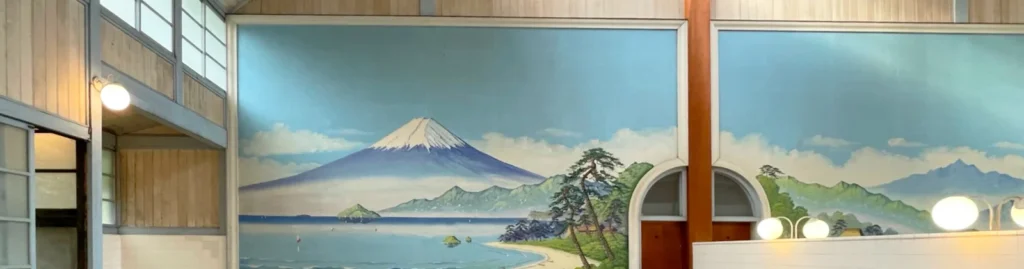
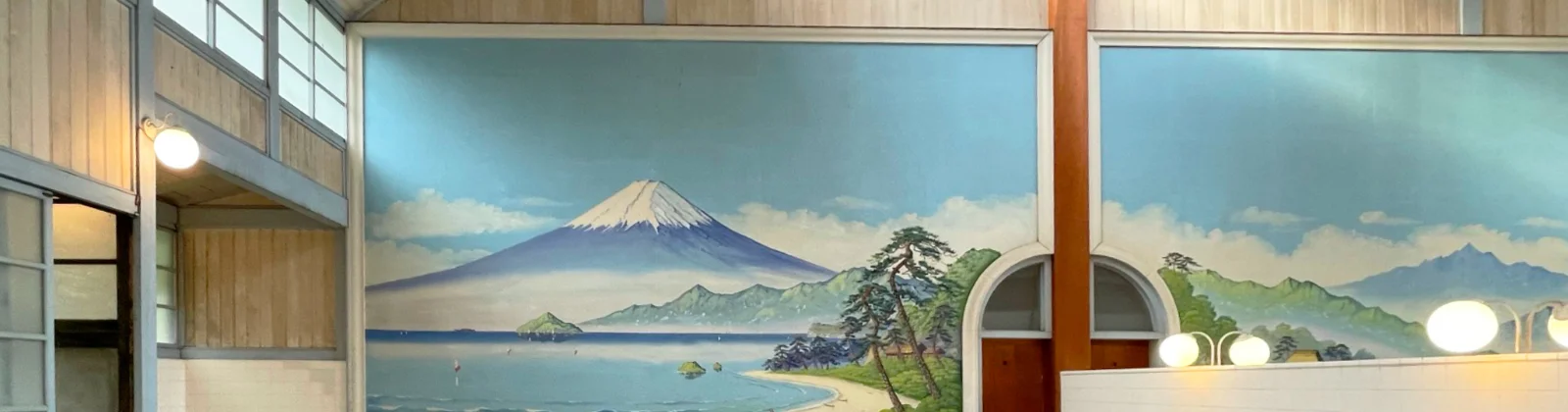
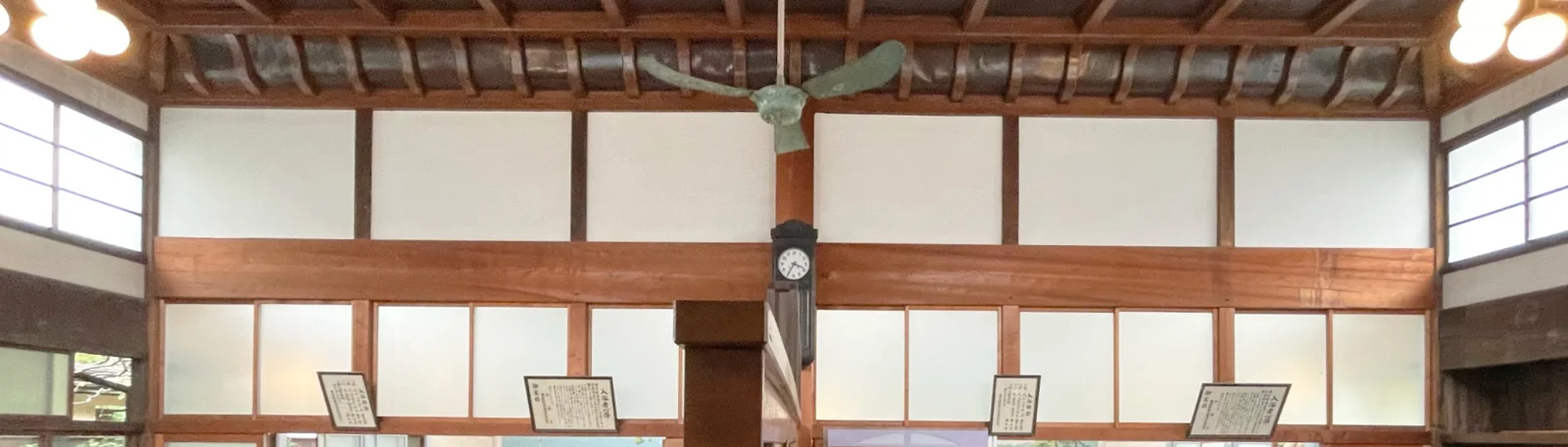
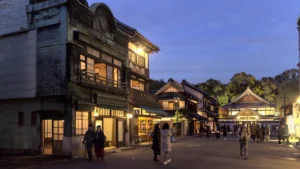
- To see the old bathhouse in the photos, visit the Edo-Tokyo Open Air Architectural Museum half-day plan.
- The Tokyo Sento Association has a sento map on its site. We have not visited any sento for this guide.
More Ideas in Tokyo
- Day-use onsen in Tokyo: hot spring baths you can visit in a day
- Onsen towns near Tokyo: overnight hot spring trips
- Taking off shoes in Japan: where and why
- Japanese table manners: another set of customs
- Japanese culture guide: manners and customs
FAQ
What is a sento?
A sento is a public bathhouse in a neighborhood. The Tokyo Sento Association says it began as a bath for people without a bath at home, and now many see it as a cheap place to relax.
How much does a sento cost in Tokyo?
The Tokyo Sento Association lists 550 yen for adults, 200 yen for ages 6 to 12 and 100 yen under 6, with prices from July 2024. Check at the bath, as fees can change.
Can I wear a swimsuit in a sento?
GO TOKYO says swimsuits are not allowed in public baths unless the facility says otherwise. The association also says swimsuits and underwear are not allowed in the bathing area.
Do I wash before I get in the bath?
Yes. Wash thoroughly at a wash basin first. GO TOKYO explains that everyone uses the same water.
Can I bring my towel into the bath?
You can bring a small towel into the bathing room to wash. Keep it out of the water, as GO TOKYO asks.
Can I go to a sento with tattoos?
It depends on the bath. GO TOKYO says some facilities refuse entry for cultural reasons, so ask before you go.
Do I need to bring soap and towels?
Towels, shampoo, soap and disposable razors are usually sold at the bath. Some baths give shampoo and body soap for free.
Is a sento the same as an onsen?
We did not find an official comparison for this guide. The association calls a sento a kind of hot spring in town. For hot spring baths, see our onsen guides.
Keep reading

Sources
Facts come from the English pages of the Tokyo Sento Association and GO TOKYO, read on November 18, 2026. We have not visited a sento for this guide.