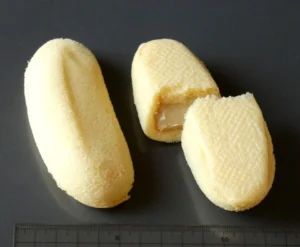
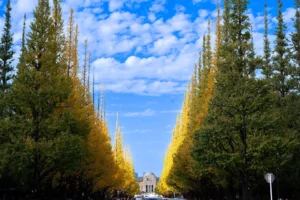
Asakusa and Kappabashi sit side by side in east Tokyo, so one day can cover a temple, a kitchenware street and a hands-on class. This plan gives times for each stop and shows what each part costs. Most of the day is free. The one paid stop is a class where you make food samples, the plastic dishes seen in restaurant windows.
Quick answer
Arrive at Asakusa Station by about 9:00. Walk through Kaminarimon Gate and Nakamise to Senso-ji, visit Asakusa Shrine, then go to Kappabashi for the 11:20 food sample class at Ganso Shokuhin Sample-ya. After lunch, walk by the Sumida River and finish at the free 8th-floor terrace of the Asakusa Culture Tourist Information Center. The base total is ¥3,300 per adult (the class). Train fare and food are extra.
Book the class ahead on the official site. Walk-in guests who are late cannot join. The class is taught in Japanese, with only a few key words in English. The times and order are our own suggestion, not an official course.
Overview
| Best for | First-time visitors who want a temple and a hands-on craft in one easy day, with little walking between stops |
| Start | Asakusa Station. Senso-ji lists about 5 minutes on foot from the station (Ginza Line, Toei Asakusa Line, Tobu Skytree Line or Tsukuba Express) |
| Finish | Asakusa Culture Tourist Information Center, in front of Kaminarimon Gate (the terrace is open until 22:00) |
| Time | About 7 hours from 9:00 to about 16:15, including lunch |
| Cost (base) | ¥3,300 per adult. This is the class fee, tax included. Senso-ji, Kappabashi, the park and the terrace are free to enter |
| Booking | The class is the only stop that needs a reservation (official site) |
| Last checked | November 2026 (on November 16, 2026) |
The Route at a Glance
The official sites do not give a walking time from Senso-ji to Kappabashi, so the walking blocks below are our estimate. Check a map on the day.
| Time (suggested) | Stop | Adult cost | Notes |
|---|---|---|---|
| 9:00 to 10:15 | Kaminarimon, Nakamise and Senso-ji | Free | The Main Hall is open 6:00 to 17:00 (from 6:30 between October and March) |
| 10:15 to 10:35 | Asakusa Shrine | Free | Right beside Senso-ji |
| 10:35 to 11:10 | Walk to Ganso, Kappabashi | Free | Allow about 30 minutes. Arrive 10 minutes before class |
| 11:20 to about 12:00 | Food sample class (tempura and lettuce) | ¥3,300 | About 40 minutes. Reservation required |
| 12:00 to 13:30 | Kappabashi shops and lunch | Not included | Shops set their own hours. Check before you go |
| 13:30 to 14:30 | Walk back to Asakusa | Free | Allow about 30 minutes |
| 14:30 to 15:15 | Sumida Park riverside walk | Free | About 5 minutes on foot from Asakusa Station |
| 15:30 to 16:15 | Asakusa Culture Tourist Information Center, 8th floor | Free | Terrace open 9:00 to 22:00. Stay later if you like |
| From about 16:15 | Train back | Train fare: check before you go | Asakusa Station is next door |
Stop by Stop
1. Kaminarimon, Nakamise and Senso-ji
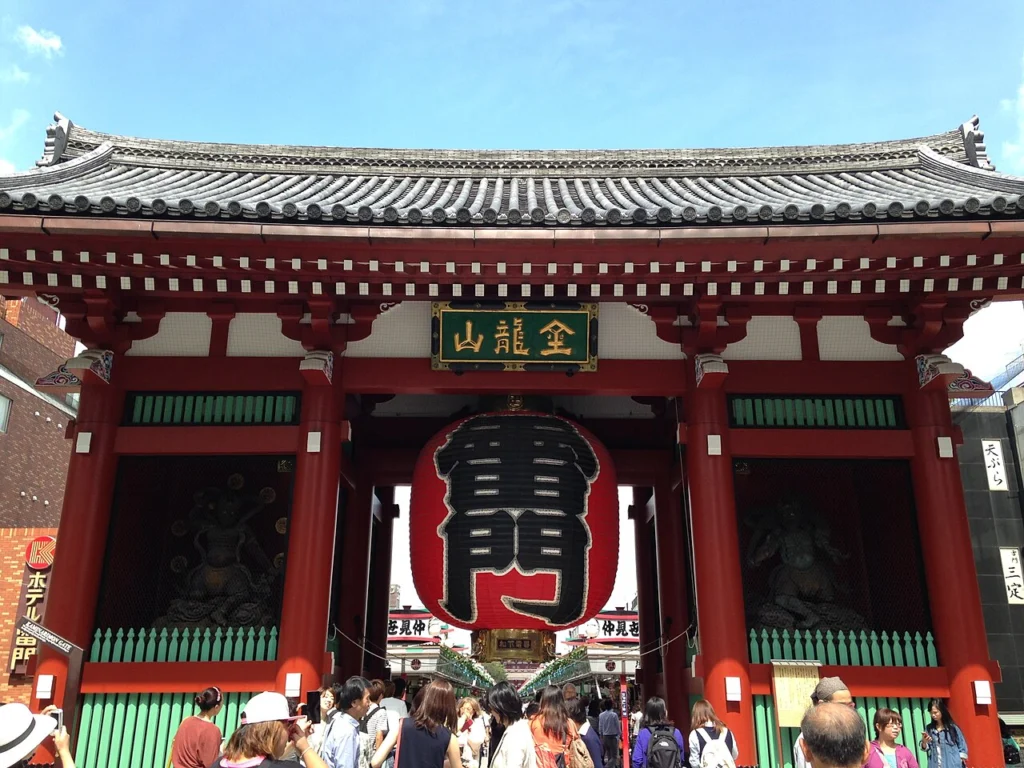
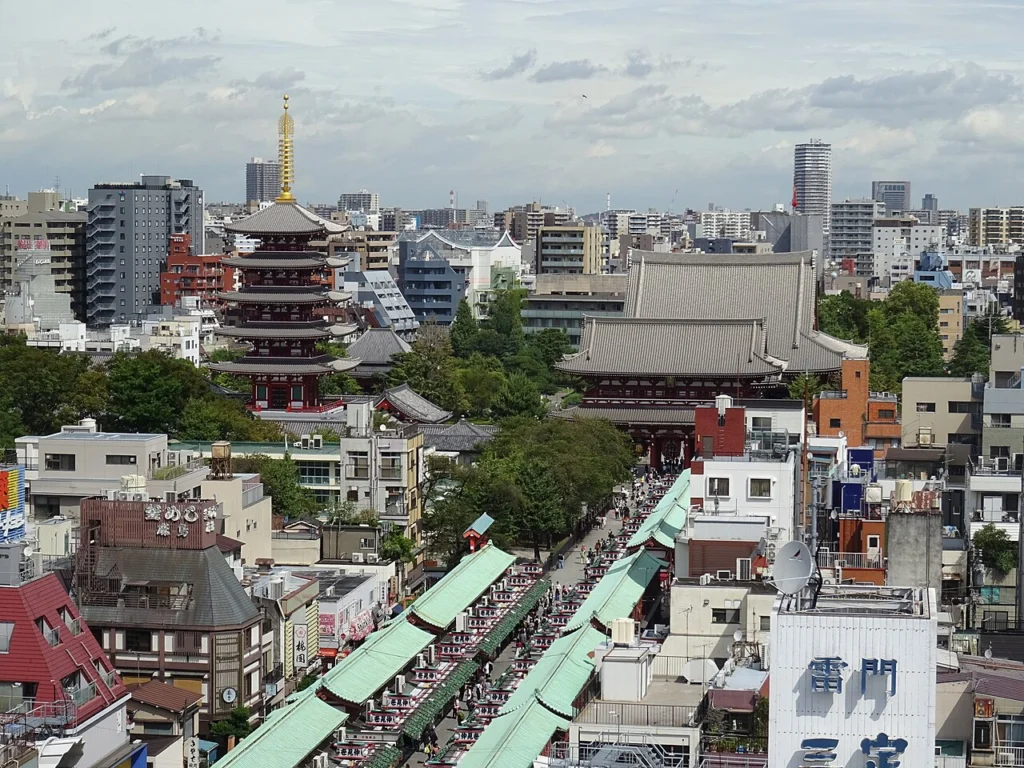
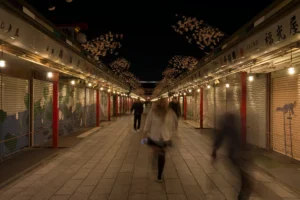
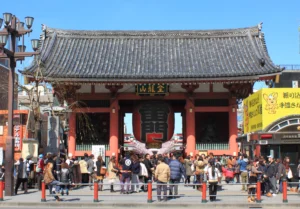
Senso-ji is the oldest temple in Tokyo. It is the temple of Kannon, the Bodhisattva of mercy, and it says about 30 million worshippers come each year. Enter through Kaminarimon Gate, walk about 250 m up Nakamise, and pass Hozomon Gate to reach the Main Hall. The grounds are free. Our Senso-ji guide and Nakamise guide have the history. Each Nakamise shop sets its own hours, and many open after the temple does, so save the snacks for the way back. The shrine and temple etiquette guide shows how to behave.
2. Asakusa Shrine
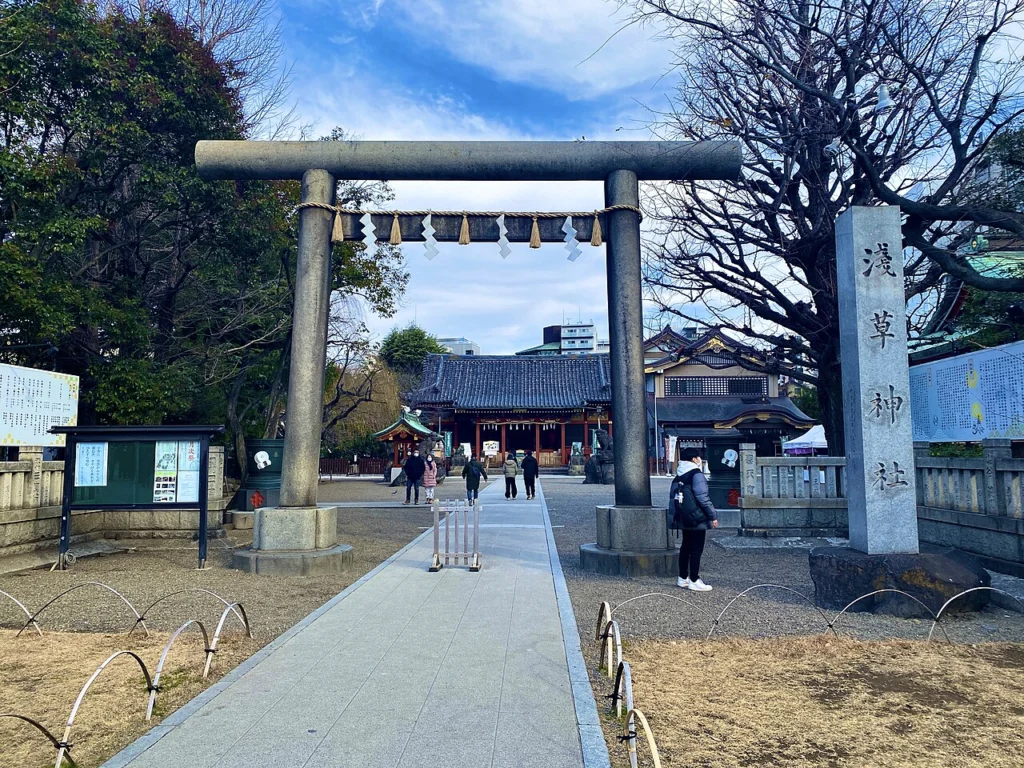
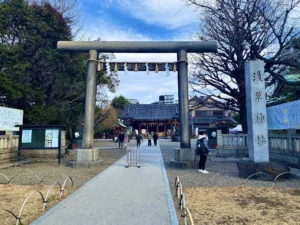
Asakusa Shrine stands beside Senso-ji. It honors the three men said to have founded the temple, and its festival, the Sanja Matsuri, is held on the third Saturday and Sunday of May, says the shrine. It is a quiet stop after the crowds on Nakamise. See our Asakusa Shrine guide for the buildings.
3. Food sample class at Kappabashi
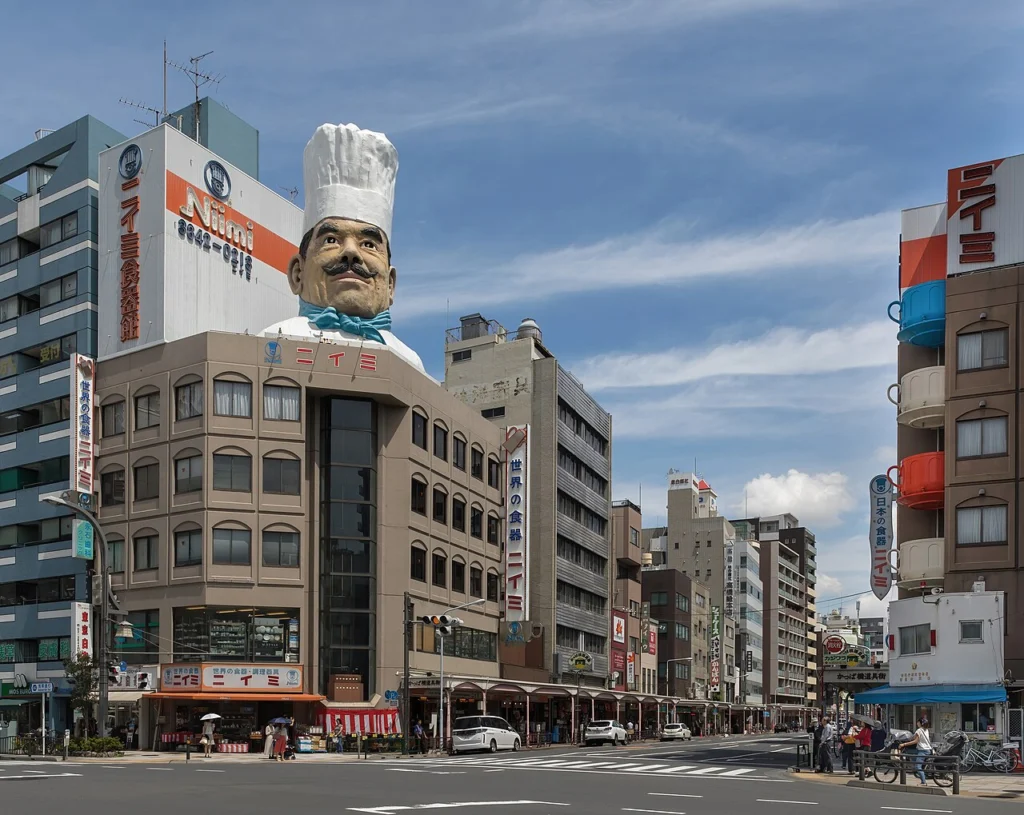
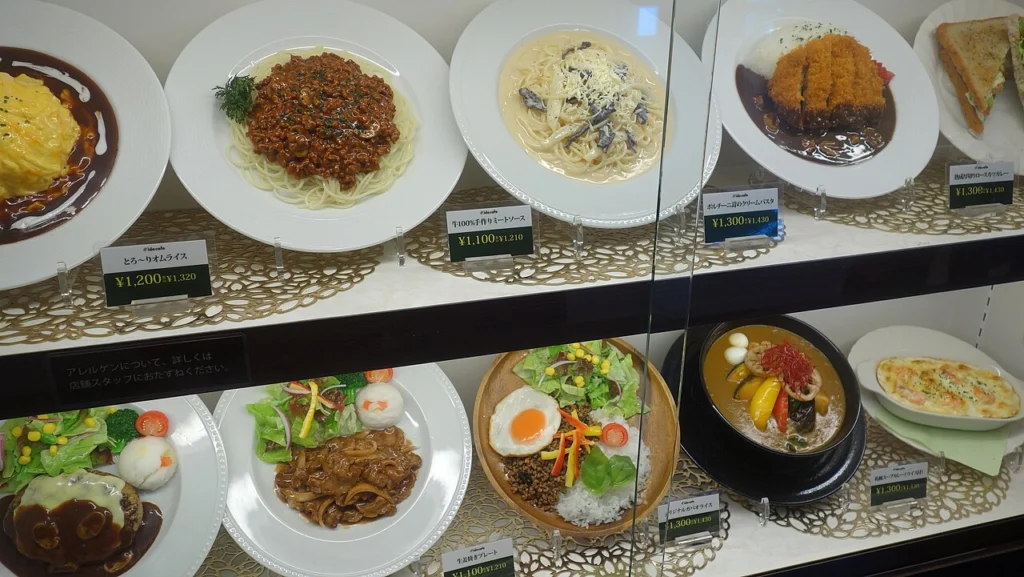
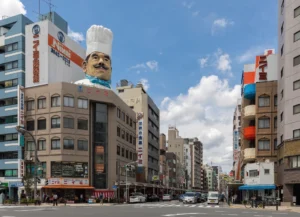
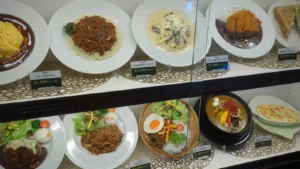
Kappabashi is the kitchenware street between Asakusa and Ueno, and its shops sell knives, dishes and plastic food models. At the Kappabashi store of Ganso Shokuhin Sample-ya, you make two pieces of tempura (such as shrimp, eggplant, pumpkin or shiitake) and a lettuce with the traditional wax method. It costs ¥3,300 per person, tax included, and takes about 40 minutes. A class holds up to 6 people, and children from the first grade of elementary school can join. You put your hands in hot water, so the shop asks you to skip the class if you do not feel well. Video is not allowed during the class.
The store lists class slots at 10:50, 11:20, 13:50, 14:20, 14:50, 15:20, 15:50 and 16:20. Each is a time to visit and pay by, and the store asks you to come 10 minutes before. Late guests cannot be waited for. The explanation is in Japanese, and the store suggests one interpreter for every four people. Two guests who only watch pay ¥500 each. Reserve on the official class page. We did not check which days the store is closed, so check before you go.
4. Kappabashi shops and lunch
After the class, walk along Kappabashi. The street is run by a shop association, and each shop sets its own hours and prices, so we did not list any. Ganso’s Kappabashi store is open 10:00 to 17:30. By the store’s own directions, it is a 5-minute walk from Asakusa Station (Tsukuba Express) Exit A2, 12 minutes from Tawaramachi Station Exit 3 and 15 minutes from Iriya Station Exit 1. Be careful that the Tsukuba Express station has the same name as the other Asakusa stations but is a different one. Lunch is not in the budget. Our Kappabashi guide lists what to look for, and shipping souvenirs home helps if you buy knives or dishes.
5. Sumida Park
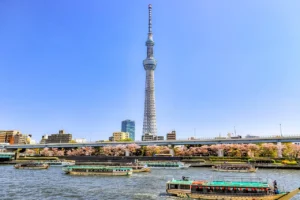
Go back toward Asakusa and walk by the Sumida River. Taito City says Sumida Park is about 5 minutes on foot from Asakusa Station and is a good place to see Tokyo Skytree. It also has a footbridge, the Sumida River Walk, about 160 m long, with a glass-floor section. The park is free. The cherry trees are for spring, so in November you come for the river and the view. See our Sumida Park guide.
6. The free terrace on the 8th floor
Finish at the Asakusa Culture Tourist Information Center, a city-run building in front of Kaminarimon Gate. Its 8th-floor terrace is free and gives a view over Asakusa and Tokyo Skytree. The city lists the terrace as open 9:00 to 22:00, and the 1st-floor information counter as open 9:00 to 20:00. The building has a cafe on the 8th floor, with its own hours. For more details, see our Asakusa Culture Tourist Information Center page.
Budget for the Day
| Item | Adult |
|---|---|
| Senso-ji, Nakamise and Asakusa Shrine | Free |
| Kappabashi street and Sumida Park | Free |
| Asakusa Culture Tourist Information Center terrace | Free |
| Food sample class at Ganso (tempura and lettuce) | ¥3,300 |
| Base total | ¥3,300 |
| If a friend only watches the class | ¥500 each, up to 2 people |
| Train fare, lunch, snacks, souvenirs | Not included, check before you go |
The class price is the official one, with tax included. We did not find a price list for the food, shops or train, so these are not in the total. See our money guide for cash and cards, and our Suica guide for the train.
Tips for This Route
- Book the class first, then build the day around it. If the 11:20 slot is full, the other slots are at 10:50, 13:50, 14:20, 14:50, 15:20, 15:50 and 16:20. Move the walk to the shrine and the lunch to match.
- Do not be late. The store guides guests by the timetable and cannot wait for late arrivals.
- Go on a weekday morning if you can. Nakamise is busier later in the day.
- Check the Kappabashi shops before you plan to buy. Each shop sets its own days and hours.
- Skip the nail art. The store says wax can stick to nail art, and you put your hands in hot water.
- Want a longer day? Add the Asakusa water bus plan on another day, or try more craft workshops in Tokyo.
Combine This Route with Nearby Places
- The whole area: Asakusa guide and Kuramae guide.
- The temple on its own: Senso-ji, Nakamise and Asakusa Shrine.
- Another craft class: amezaiku candy craft near Asakusa.
- More free views: free observation decks in Tokyo.
- Seasonal plans: Tokyo in November.
Also see: Asakusa Mugitoro (Asakusa) · Tokiwado Kaminari Okoshi (Asakusa) · Yoshikami (Asakusa) · Komagata Maekawa (Asakusa) · Doteno Iseya (Nihontsutsumi, Asakusa)
FAQ
How much does this route cost?
The base total is ¥3,300 per adult, which is the food sample class. Senso-ji, Kappabashi, Sumida Park and the terrace are free to enter. Train fare and food are extra.
How long does this route take?
About 7 hours, from 9:00 to about 16:15, including lunch. It is our own suggestion, so you can drop a stop.
Do I need to book the food sample class?
Yes. The store says a reservation is required. It lists slots at 10:50, 11:20, 13:50, 14:20, 14:50, 15:20, 15:50 and 16:20. Come 10 minutes before your slot.
Is the class in English?
The explanation is in Japanese. The store says the instructor knows only a few key words in English, so it suggests one interpreter for every four people. The staff demonstrate and guide you.
Can my child join?
Children from the first grade of elementary school can join. For safety, preschool children cannot enter the venue.
Is Senso-ji free?
Yes. The temple grounds are free to enter. The Main Hall is open 6:00 to 17:00, and from 6:30 between October and March.
Seikyodo, a craft shop near Kappabashi Kitchen Town, runs a one-hour workshop where you make gamaguchi (clasp purses) from vintage kimono fabric. See our gamaguchi workshop guide.
Keep reading
Related guides
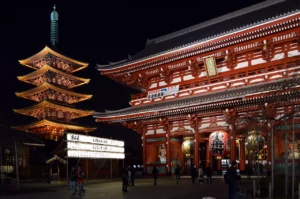 Asakusa in the Evening: Senso-ji Light-Up, Hoppy Street and the Sumida River (Itinerary)
 Nakano Broadway and Koenji in One Day: Anime Shopping and Vintage Streets (Times and Budget)
 Jiyugaoka and Todoroki Valley: A Half-Day Itinerary on the Tokyu Oimachi Line
 Todoroki Valley and Gotoh Museum: A Setagaya Half-Day Itinerary
Sources
Last checked: November 2026 (on November 16, 2026). Hours, prices and rules come from the official pages of each place. Train fare, lunch, shop hours, the store closing days, 11:20 slot availability and the walk from Senso-ji to Kappabashi are not confirmed, so check before you go.
- Senso-ji: Access and Main Hall hours (official, Japanese)
- Senso-ji: About the temple (official, English)
- Ganso Shokuhin Sample-ya: Class for making replica foods (official, English)
- Ganso Shokuhin Sample-ya: Kappabashi store (official, English)
- Kappabashi Dougu Street Promotion Association (official, English)
- Asakusa Shrine (official, English)
- Taito City: Asakusa Culture Tourist Information Center (official, Japanese)
- Taito City tourism site: Sumida Park (official, Japanese)