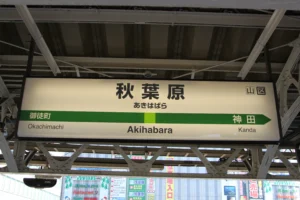
Shogatsu (正月, “New Year”) is the most important holiday in Japan, says the Japan National Tourism Organization (JNTO). If you are in Tokyo at the end of December, you will see pine and bamboo at building entrances, long lines at soba shops, and people visiting shrines and temples. This guide explains what these customs mean, using three JNTO pages, and marks what we could not confirm.
Quick answer
Japan marks New Year with food, decorations and a first visit to a shrine or temple. On December 31 people eat toshikoshi soba (year-crossing noodles). Osechi, a meal in stacked boxes, is eaten in the first three days. Kadomatsu (pine and bamboo) stand outside buildings, and temple bells ring 108 times at midnight.
These are mostly home and family customs. Opening days for shops, restaurants, shrines and temples change at this time of year, and we did not confirm them. Check each place before you go.
Overview
| What it is | The New Year holiday (Shogatsu): a time for family, food, house decorations and a first shrine or temple visit |
| Key dates (JNTO) | December 31: toshikoshi soba and osechi are eaten. Midnight: temple bells. January 1: ozoni soup. January 1 to 7: kadomatsu on display |
| Holiday length | JNTO (2013 article) says it runs from New Year’s Eve through January 4. Check current dates |
| What visitors can see | Kadomatsu at entrances, kagami mochi, soba shops, and the first visit to a shrine or temple (hatsumode) |
| Cost | Looking is free. Prices of food and tickets vary |
| Last checked | November 2026 (on November 16, 2026) |
Osechi: The Stacked-Box New Year Meal
Osechi (おせち) is a set of dishes packed in a stacked box called a jubako. JNTO says each dish stands for a wish. Prawns, for example, stand for long life. Families usually eat osechi at home within the first three days of the year. Most dishes are simmered, and special chopsticks that are thin at both ends are used, one end for people and the other for the gods.
- Kuromame (black soybeans): the word sounds like the word for good health.
- Kazunoko (herring roe): many eggs, a sign of a good harvest and fertility.
- Kohaku (red and white) fish cake and vinegared radish and carrot: the red and white colors are a good sign.
- Konbu maki (kelp roll): “konbu” sounds like a word for being happy.
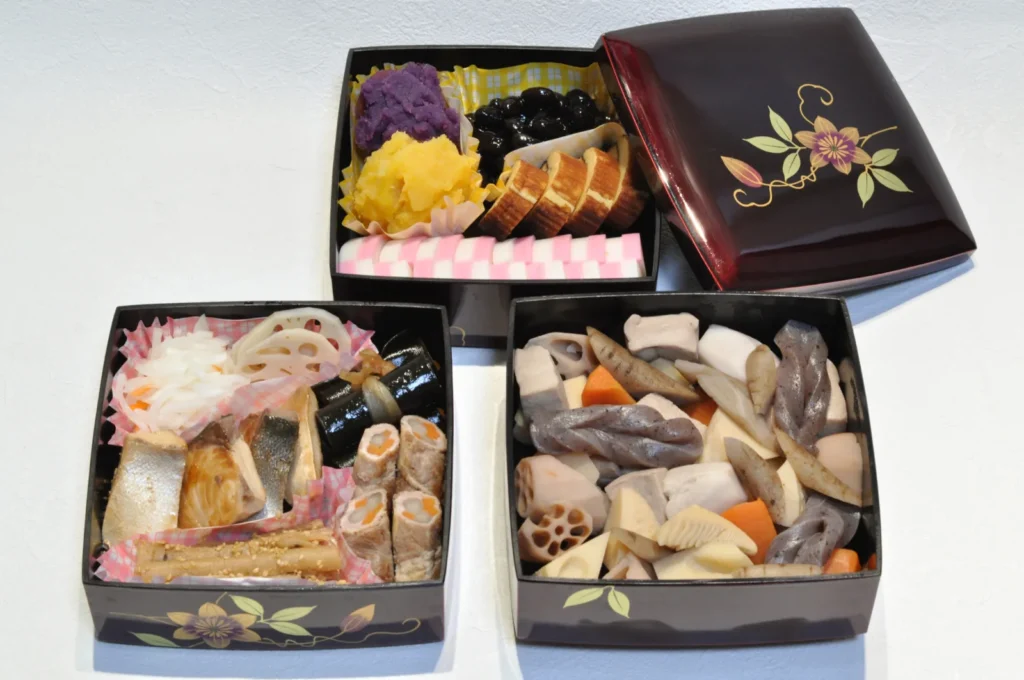
JNTO says ready-made osechi is common and can be ordered from department stores and convenience stores. Their order pages are in Japanese, and some hotels and ryokan serve osechi by reservation only. We did not check prices or order deadlines for 2027, so check before you go. For the wider food culture, see washoku explained.
Toshikoshi Soba and Ozoni
Toshikoshi soba (年越しそば, “year-crossing soba”) is buckwheat noodles eaten on December 31. JNTO says people have eaten it since the Edo period. The long noodles stand for a long life. They also break easily, so they stand for cutting off the old year. You can eat it hot or cold, with toppings such as tempura. Soba shops are usually busy at dinnertime on that day.
Ozoni (雑煮) is a New Year’s Day soup of broth, vegetables and mochi (rice cake). JNTO says mochi is the main ingredient and its stretch stands for long life. The style changes by region. JNTO describes the Kanto style (the Tokyo area) as a clear soup with chicken, carrot and leafy greens, with a piece of yuzu peel. Kansai uses miso.
JNTO says Jindaiji, described as Tokyo’s second-oldest temple, is known for its historic soba restaurants. See Jindaiji temple and our Jindaiji soba day plan. For more noodle shops, see the best soba and udon in Tokyo.
Kadomatsu and Kagami Mochi: House Decorations
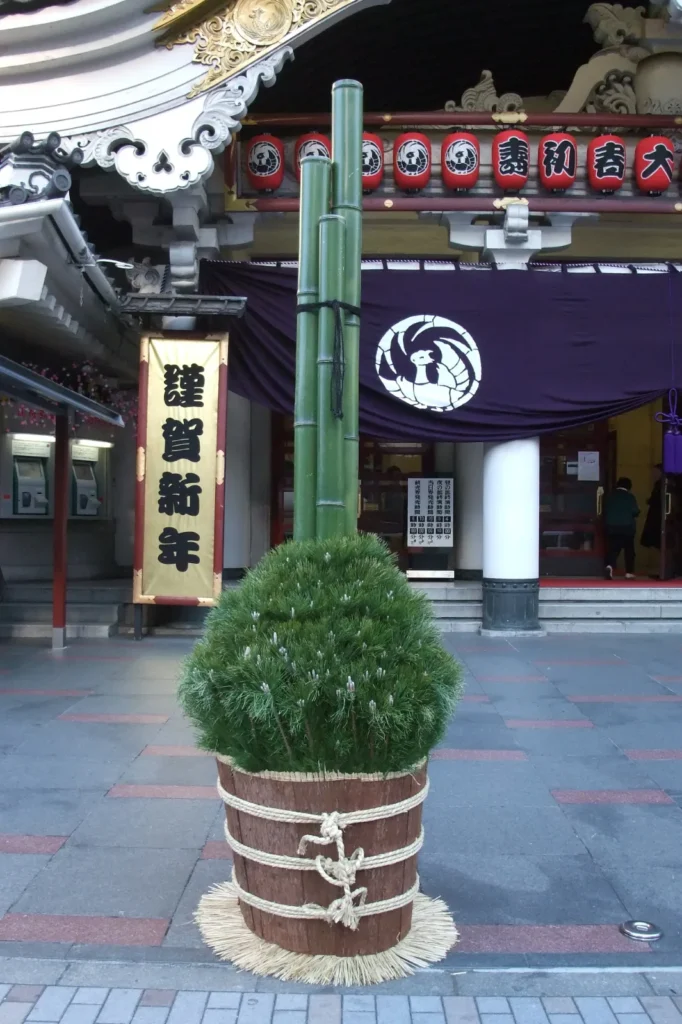
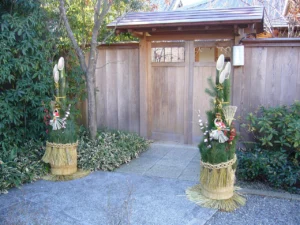
Kadomatsu (門松, “gate pine”) is a decoration of bamboo and pine set outside a building. JNTO says three pieces of bamboo are combined with pine branches. The same JNTO page says kadomatsu are displayed in front of buildings from January 1 to 7. The pages we read do not explain what the decoration means, so we do not guess.
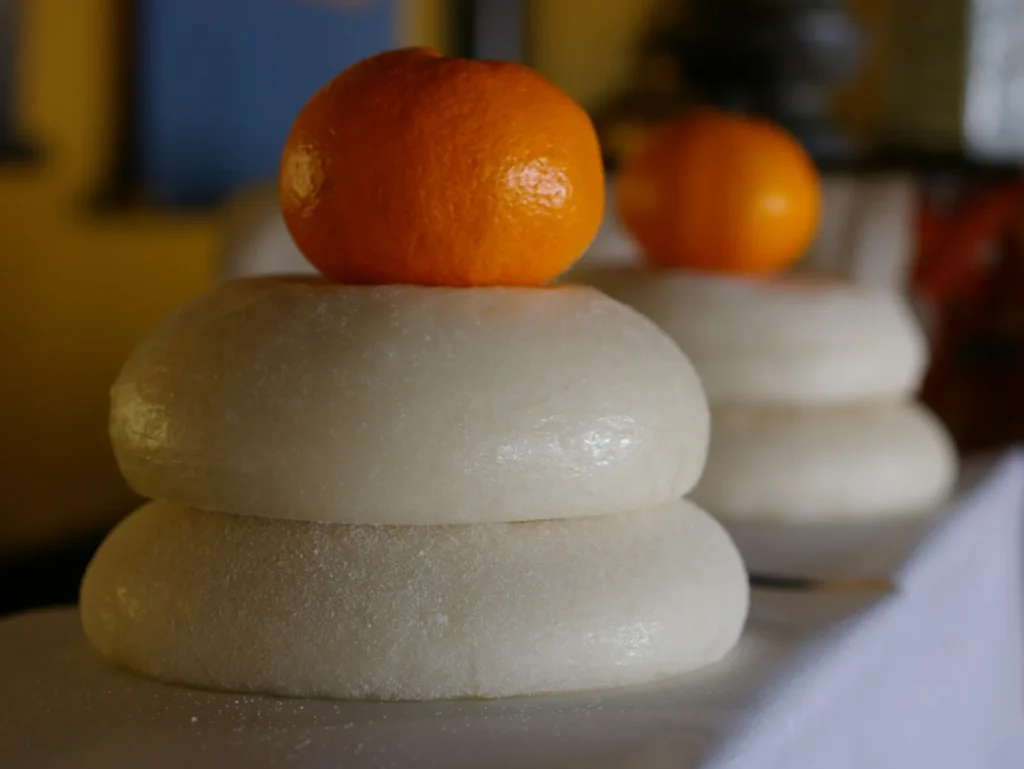
Kagami mochi (鏡餅, “mirror rice cake”) is two round rice cakes stacked, with a daidai (bitter orange) on top. JNTO says it is displayed in the tokonoma, the alcove of a Japanese room, and stands for the family continuing through the generations.
Temple Bells and the First Shrine Visit
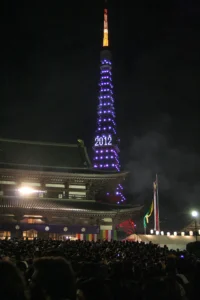
Joya no kane (除夜の鐘). JNTO says temple bells ring 108 times, starting an hour before the new year, with the last bell at midnight. The aim is to make people forget the 108 worldly desires. We did not find an official list of Tokyo temples that open the bell to visitors, so we do not name any.
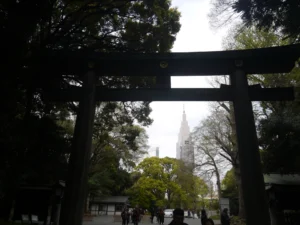
Hatsumode (初詣). This is the first visit of the year to a shrine or temple, to pray for good luck. JNTO names Meiji Jingu in Shibuya and Senso-ji in Asakusa as popular Tokyo choices. After praying, many people draw an omikuji, a paper fortune. JNTO says the result is random. See our guide to omamori, omikuji and ema and the shrine and temple etiquette guide before you go.
Dondoyaki. JNTO says old decorations and charms are burned at local shrines. It adds that throwing them out at home is said to bring bad luck.
Planning a Trip Around New Year
- Expect closures. The 2013 JNTO article says the holiday runs through January 4. We did not confirm which Tokyo shops, restaurants, attractions and shrine offices are open, so check each official page.
- Eat soba on December 31, if you like. Soba shops are busy at dinnertime, per JNTO. Plan early.
- Go to a shrine or temple early. Hatsumode is popular, so allow extra time. We did not confirm crowd levels.
- Read the season guides. See New Year in Tokyo, Tokyo in December and Tokyo in January. For other holidays, see Japan public holidays.
For the bigger picture, see our Japanese culture guide.
What We Could Not Confirm
- Which Tokyo temples ring the bell for visitors, and how to join.
- Opening days and hours of Tokyo shops, restaurants and shrines at New Year.
- Osechi prices and order deadlines for 2027.
- What kadomatsu mean, and customs such as New Year cards and gifts to children. They are not explained on the pages we read.
- Whether regional customs match Tokyo. The JNTO pages say ozoni differs by region, and other customs may too.
FAQ
What is osechi?
It is a set of New Year dishes packed in stacked boxes (jubako). JNTO says each dish stands for a wish, such as long life, and families eat it within the first three days of the year.
Why do people eat soba on New Year’s Eve?
JNTO says the long noodles stand for long life, and because they break easily, they stand for cutting off the old year.
What is a kadomatsu?
It is a decoration of bamboo and pine placed outside a building at New Year. JNTO says it is displayed from January 1 to 7.
Why are temple bells rung 108 times?
JNTO says the 108 rings are to make people forget the 108 worldly desires. They start an hour before the new year, and the last bell is at midnight.
What is hatsumode?
It is the first visit to a shrine or temple in the new year to pray for good luck. JNTO names Meiji Jingu and Senso-ji as popular places in Tokyo.
Is Tokyo closed at New Year?
The 2013 JNTO article says the holiday runs from New Year’s Eve through January 4. We did not confirm closures, so check each shop and attraction before you go.
Keep reading

Sources
The facts about New Year customs come from three pages by JNTO, Japan’s national tourism organization. Two are blog or story pages, and one (2013) is old. Last checked: November 2026 (on November 16, 2026). Customs vary by family and region.