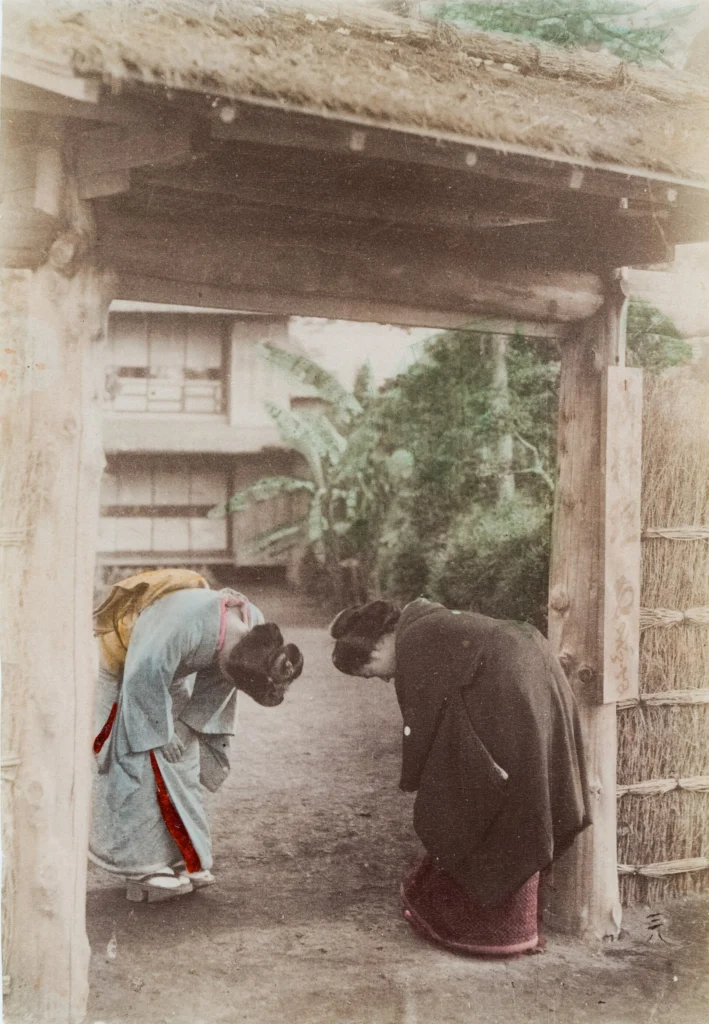
Bowing (ojigi, お辞儀) is the common way to greet, thank and say goodbye in Japan. Many visitors worry they will do it wrong. The short answer from the Japan National Tourism Organization (JNTO) is that you do not need to learn every rule. This guide sums up what JNTO says, and marks what we could not confirm.
Quick answer
No, tourists are not expected to bow perfectly. JNTO says a courteous nod or bow of the head when you greet someone, or enter or leave a place, goes a long way.
You will more likely be bowed to than expected to bow. Handshakes, hugs and kisses are less common as greetings, so watch what people around you do.
Overview
| What it is | A bow used for greetings, thanks and respect |
| Do visitors have to bow? | No. A nod or small bow is enough, per JNTO |
| Handshakes and hugs | Less common in everyday greetings, per JNTO |
| Where bowing has a set routine | Shinto shrines (gate and altar) |
| Cost | Free |
| Last checked | November 2026 (on November 16, 2026) |
Do You Have to Bow in Japan?
No. JNTO says Japanese people are used to bowing as a greeting, and that business people and train conductors sometimes make long, deep bows as a formal show of respect. It also says that non-Japanese visitors do not need to learn every rule about how and when to bow, unless they are in a very formal situation.
Another JNTO page says that as a guest you will more likely be bowed at than expected to bow. It adds that a bow together with arigato (thank you) is a nice extra gesture. A third JNTO page says that in most situations a polite bow works as an appropriate greeting.
What to Do in Everyday Situations
JNTO does not list rules for each place, so treat this as a plain summary of its advice:
- Greeting someone: a courteous nod or bow of the head is enough.
- Entering or leaving a shop or other place: JNTO names this as a good moment for a small nod or bow.
- Saying thanks: use arigato gozaimasu. A bow with it is a nice extra, per JNTO.
- Getting someone’s attention or saying sorry: JNTO says sumimasen can mean “excuse me”, and depending on the context even “thank you”.
- Meeting someone or asking for help: JNTO says you may hear yoroshiku onegaishimasu when you meet someone or are asked to do something.
For more phrases, see Japanese phrases for travelers.
Handshakes, Hugs and Personal Space
JNTO says that Japanese people are less prone to body contact in everyday interactions. This includes kisses, hugs and handshakes used as greetings. Its advice is to keep an eye on how others around you are interacting, to get an idea of the level of closeness that is expected.
We did not find official guidance on what to do if someone offers a handshake. In that case, follow the other person’s lead. Check before you go if you will attend a formal business meeting.
Bowing at Shrines and Temples
This is the one place where JNTO gives a set routine. At a Shinto shrine it describes these steps. For more detail, see shrine and temple etiquette in Tokyo.
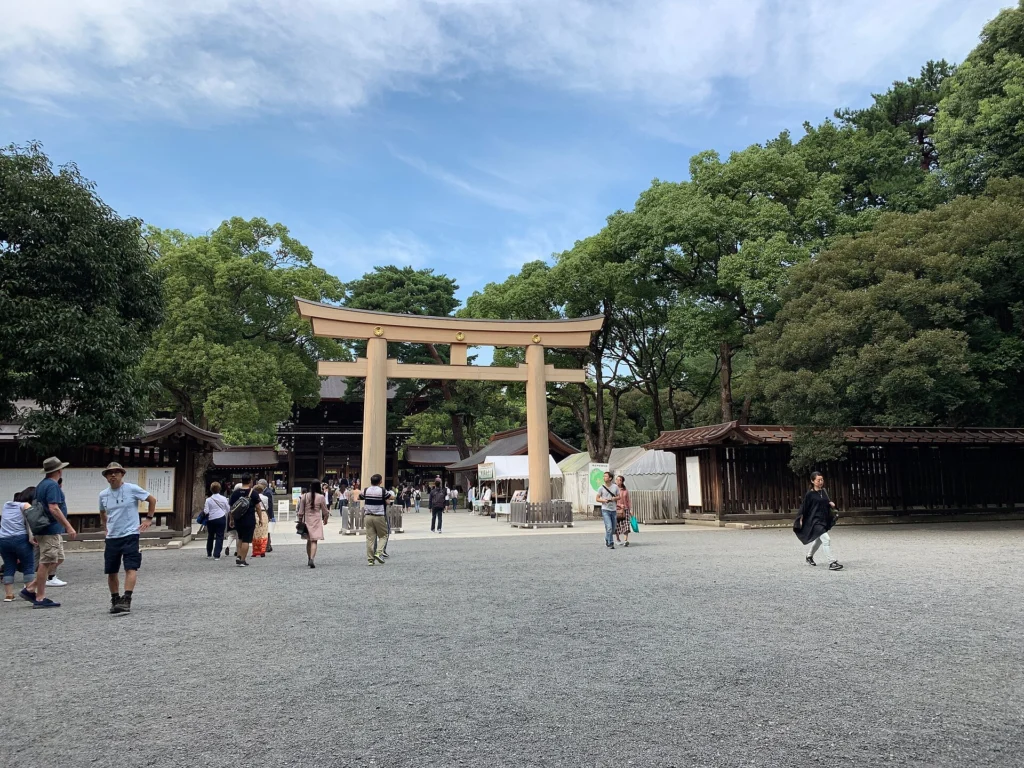
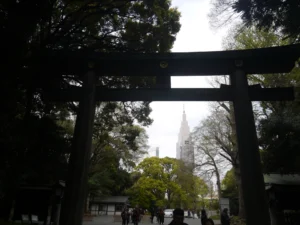
- At the torii gate: bow once before you enter. JNTO says this is the correct way, though not always practiced. It is customary not to walk through the exact center of the gate.
- At the altar: bow twice, clap twice, say a prayer with your hands together, then bow once more.
- At a temple: JNTO says there is no need to clap your hands.
A well-known place to try this is Meiji Jingu.
Tips for Visitors
- Keep it small and natural. A nod with a smile and a thank-you is fine.
- Copy what you see. JNTO advises watching how others around you interact.
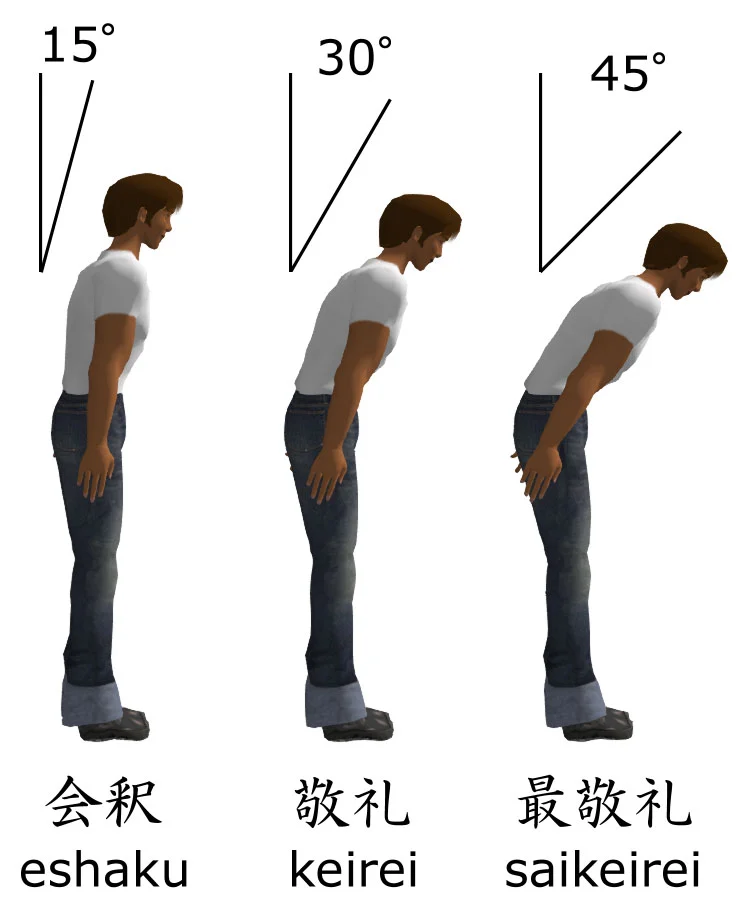
- Do not worry about depth. We found no official guidance that sets bow depth for tourists.
- Pair a bow with words. Arigato gozaimasu and sumimasen help in shops, on trains and in restaurants. See Itadakimasu and Gochisosama for meal phrases.
- Learn the other small manners. See train manners in Tokyo, table manners and tipping in Japan.
For the wider picture, see our Japanese culture guide.
What We Could Not Confirm
- Official bow angles or depth for visitors. The sources give none.
- What to do when someone offers a handshake. JNTO only says handshakes are less common.
- Business etiquette in detail. JNTO notes bowing can be tricky in business, but we did not cover the rules.
- Whether to bow back to shop staff every time. The sources do not say.
- Regional differences. Not covered by the sources. The JNTO pages show no date, so details may have changed.
FAQ
Do tourists have to bow in Japan?
No. JNTO says non-Japanese visitors do not need to learn every rule, and that a courteous nod or bow when greeting someone or entering and leaving a place goes a long way.
Is it okay to shake hands in Japan?
JNTO says handshakes, hugs and kisses are less common as everyday greetings. We found no official rule for when one is offered, so follow the other person.
How deep should I bow?
We found no official guidance on depth for visitors. A small, natural bow or nod is the advice from JNTO.
What does sumimasen mean?
JNTO says it can mean “excuse me”, and depending on the context even “thank you”.
How do you bow at a shrine?
JNTO describes one bow at the torii gate, then at the altar two bows, two claps, a prayer and one more bow. At temples there is no need to clap.
Do I bow at a temple?
JNTO gives the clapping advice for temples, but not a bow routine. Watch what others do and follow the signs.
Keep reading

Sources
The facts about bowing come from the official JNTO pages below. None of them shows a date. Last checked: November 2026 (on November 16, 2026). Customs can vary by place and person, so please follow the people around you.
- JNTO: Understanding and Mastering Japanese Manners and Etiquette (official, English; no date shown)
- JNTO: Japanese Manners Do’s and Don’ts (official, English; no date shown)
- JNTO: Custom & Manners (official, English; no date shown)
- JNTO: Shrine and Temple Traditions (official, English; no date shown)