Researched guide · Last checked: Nov 15, 2026
Setsubun is a winter festival in early February when people throw roasted soybeans to chase away bad luck. Many Tokyo temples and shrines hold public events. This guide explains the custom in plain words and shows where to see it.
Quick answer
Setsubun means “dividing the seasons”. It falls on or around February 3 and is considered the last day of winter, the day before the first day of spring. People scatter roasted soybeans and say “Oni wa soto, fuku wa uchi!”, which means “Demons out, good fortune in!”. Many Tokyo temples and shrines hold events that are open to everyone.
Dates and times differ by venue and year. In 2025 Setsubun fell on February 2, according to GO TOKYO. Check each venue’s official schedule before you go.
Overview
| What it is | A bean-throwing festival that welcomes spring and prays to cast out evil and wish for good health |
| When | On or around February 3 each year. Check the exact date and event times for each venue |
| What to say | “Oni wa soto, fuku wa uchi!” (Demons out, good fortune in!) |
| Where in Tokyo | Temples and shrines across the city, such as Zojoji, Senso-ji, Kanda Myojin and Okunitama Shrine |
| Costs | Not stated on the pages we read. Check each venue |
| Source | GO TOKYO and JNTO (official tourism organizations, English pages) |
| Last checked | November 2026 (on November 15, 2026) |
What Is Setsubun?
GO TOKYO says Setsubun means “dividing the seasons”. It falls on or around February 3 and is considered the last day of winter, one day before what is considered the first day of spring. A GO TOKYO newsletter describes it as an annual event to welcome springtime with prayers to cast out evil and wish for good health. JNTO says it marks the shift from winter to spring, and that Setsubun rites are carried out at both Buddhist temples and Shinto shrines.
How People Celebrate
- Throw the beans. GO TOKYO says people scatter roasted soybeans outside while saying “out with demons” to ward off bad luck, and scatter them inside while saying “in with good fortune” to bring good luck. The Japanese words are “Oni wa soto, fuku wa uchi”.
- Eat the beans. After throwing, people eat beans to stay healthy. The GO TOKYO newsletter says one more than your age, and JNTO says as many as your age plus one.
- Demon masks. JNTO says people don demon masks and scare little children, and that DIY Setsubun kits with a demon mask and dried soybeans are sold at supermarkets and convenience stores.
- Giant sushi rolls. JNTO says eating a long ehomaki sushi roll in one go, facing the year’s lucky direction, might be a Kansai custom popularized by convenience store chains in recent years.
Where to See Setsubun in Tokyo
GO TOKYO says bean-throwing festivals are less known to tourists but are open to everyone and can only be enjoyed in Japan in winter. Venues named by GO TOKYO:
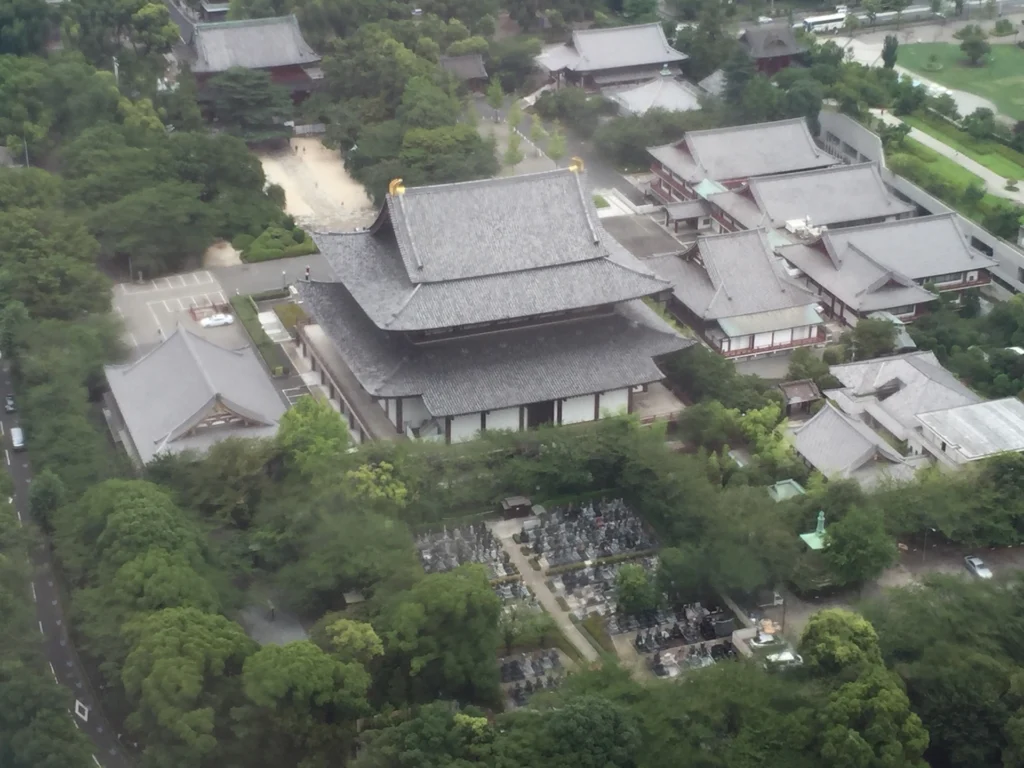
- Zojoji Temple: you can try scattering beans yourself and enjoy food from various stalls.
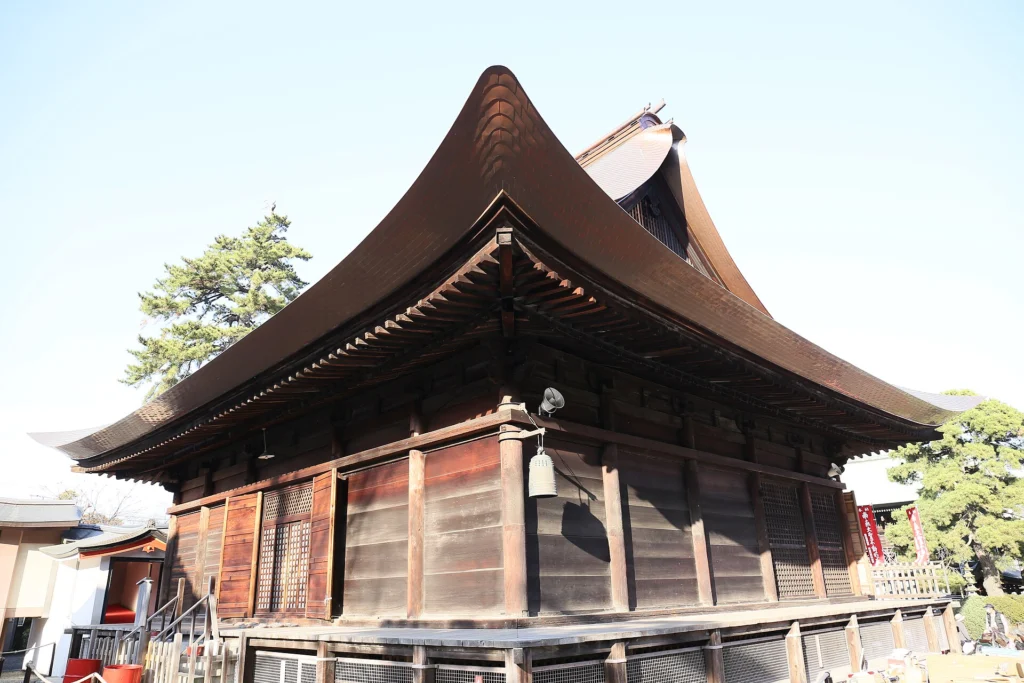
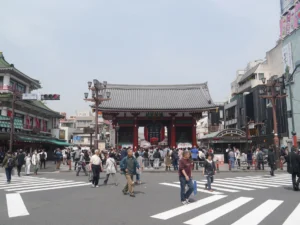
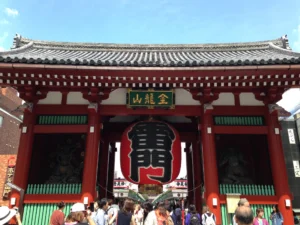
- Senso-ji: people believe no demons would dare appear before the enshrined Kannon, so people focus on chants for good luck instead.
- Kanda Myojin and Okunitama Shrine: Setsubun takes place at shrines and temples all over the city, including these two, and draws many visitors.
- Takahata Fudoson Kongoji in Hino City: the GO TOKYO newsletter says it holds a large bean-toss with celebrity guests, and a daruma market runs on the same day.
Tips for Visitors
- Check the venue’s official site for the date and event times. The pages we read give no times, and venues differ.
- Setsubun is in the cold season. See winter in Tokyo and Tokyo in February.
- Read shrine and temple etiquette before you join an event.
- For more festivals, see Japanese festivals explained and Tokyo events by month.
Words to Know
| Word | Meaning |
|---|---|
| Setsubun | “Dividing the seasons”. The day before the first day of spring (on or around February 3) |
| Oni | A demon. In the chant, “Oni wa soto” means “Demons out” |
| Fuku | Good fortune. “Fuku wa uchi” means “Good fortune in” |
| Ehomaki | A long sushi roll eaten at Setsubun, according to JNTO |
Also nearby: Hinamatsuri Explained: Japan’s Girls’ Day on March 3, Hina Dolls and Festive Foods
FAQ
When is Setsubun?
On or around February 3 each year, according to GO TOKYO. In 2025 it fell on February 2. Check the date and event times for the year you visit.
What do you say when you throw the beans?
“Oni wa soto, fuku wa uchi!” It means “Demons out, good fortune in!”.
Can visitors join a bean-throwing event in Tokyo?
GO TOKYO says bean-throwing festivals are open to everyone. At Zojoji Temple you can try scattering beans yourself. Check each venue’s schedule.
Why do people eat beans at Setsubun?
After throwing the beans, people eat them for good health. GO TOKYO’s newsletter says one more than your age, and JNTO says as many as your age plus one.
Is there a special food for Setsubun?
JNTO says eating a long ehomaki sushi roll is a part of the day, possibly a Kansai custom popularized by convenience store chains.
Keep reading

Sources
The custom is based on the GO TOKYO and JNTO pages below. Last checked: November 2026 (on November 15, 2026). Dates, times and venues change each year, so please check before you go.
Comments
[…] Also nearby: Setsubun: bean throwing explained […]
[…] Also nearby: Setsubun: bean throwing explained […]
[…] Also nearby: Setsubun: bean throwing explained […]