Researched guide · Last checked: Nov 15, 2026
Many Tokyo shrines sit inside a patch of old trees, and some trees wear a thick straw rope. This is not decoration. In Shinto, nature is part of what is sacred. This guide explains the idea in plain words and shows where you can see it in Tokyo.
Quick answer
In Shinto, sacred mountains, waterfalls, forests and single trees can be kami (sacred spirits) or places where kami live, says the Shinto shrine association Jinja Honcho. Almost all shrines have a “chinju no mori”, a sacred forest, though it can be as small as one tree.
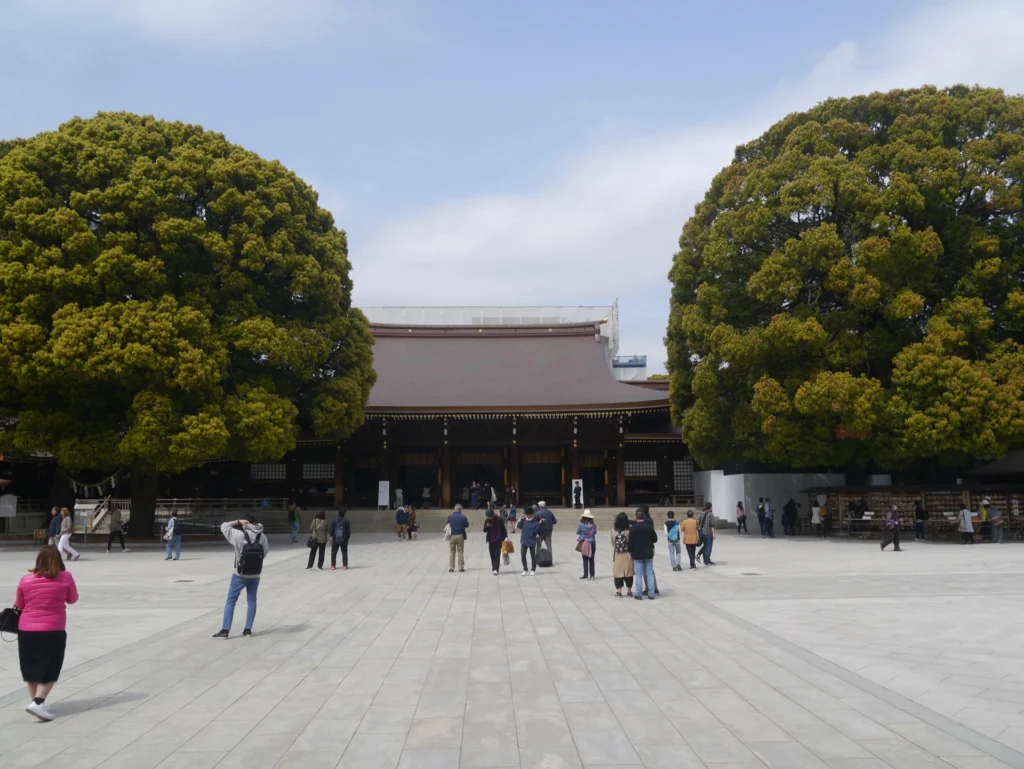
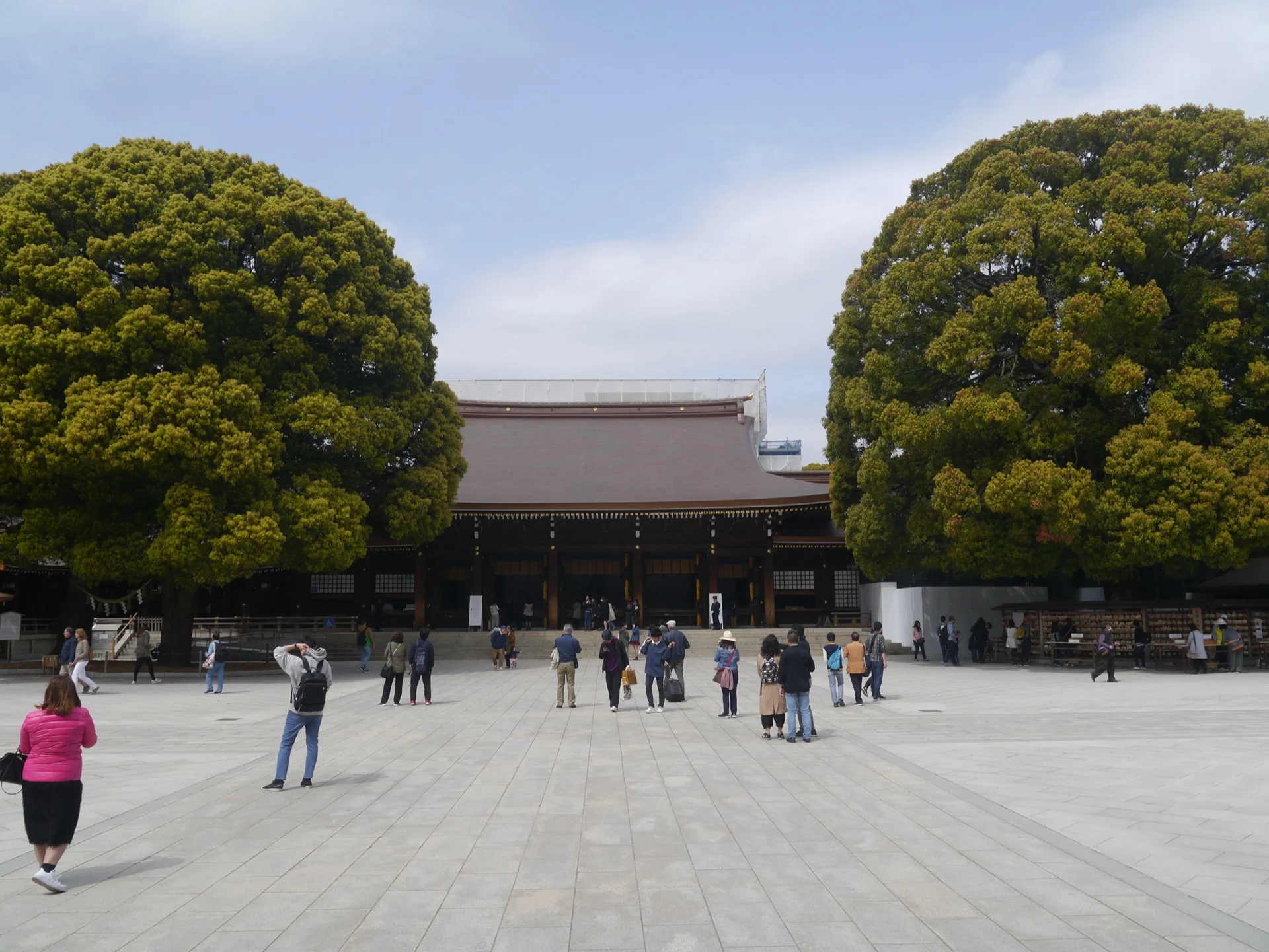
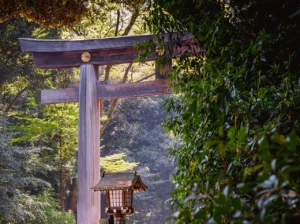
In Tokyo, Meiji Jingu has a large forest, Akasaka Hikawa Shrine has a great ginkgo, and Yoyogi Hachimangu sits in a small forest. Stay on the paths and take nothing from the trees.
Overview
| What it is | A short guide to how Shinto treats nature: sacred forests, kami trees and sacred rocks |
| Key words | Chinju no mori (sacred forest), shinboku (kami tree), shimenawa (sacred rope) |
| Source | Jinja Honcho (the Association of Shinto Shrines), English pages |
| Good for | Visitors who wonder why shrines have so many trees and ropes |
| Costs | The shrine grounds named below can be entered without a fee. Check each shrine page for details |
| Last checked | November 2026 (on November 15, 2026) |
Nature Is Part of Shinto
Jinja Honcho says veneration of nature is an important part of Shinto. Sacred mountains such as Mt Fuji, and features such as islands and waterfalls, are seen as kami in themselves and as the homes of kami. Shinto also sees people as part of nature. Jinja Honcho says rice fields are valued as much as untouched mountain forest. For the wider picture, see What is Shinto?.
Chinju no Mori: The Sacred Forest
Jinja Honcho says almost all shrines have a chinju no mori. The size varies a lot. A city shrine may have only a very small one, even a single tree. An old shrine may have ancient woodland that has been left largely alone for centuries.
Keeping the forest is very important. When a shrine has to move, making a new sacred forest is an important job. Most sacred forests are looked after by the shrine’s priests and the people who support the shrine.
Shinboku: Kami Trees
Inside a sacred forest, one tree may be singled out as especially sacred. This is a shinboku, which means “kami tree”. Jinja Honcho says a shinboku often has a shimenawa tied around its trunk. A shimenawa is a twisted straw rope that marks sacred space, often with white zigzag paper streamers called shide.
At shrines with many visitors, an offering box may stand in front of the tree. People often bow to a shinboku even where there is no box. Jinja Honcho also says some shrines treat natural rocks as sacred and mark them with a shimenawa. Before shrine buildings existed, kami were believed to live in trees or great rocks, either always or only during a festival.
Where to See Shrine Forests in Tokyo
- Meiji Jingu in Harajuku is set in a large forest right next to the station. The walk through tall trees from the entrance is part of the visit, and you need at least 10 more minutes from the entrance to the main shrine.
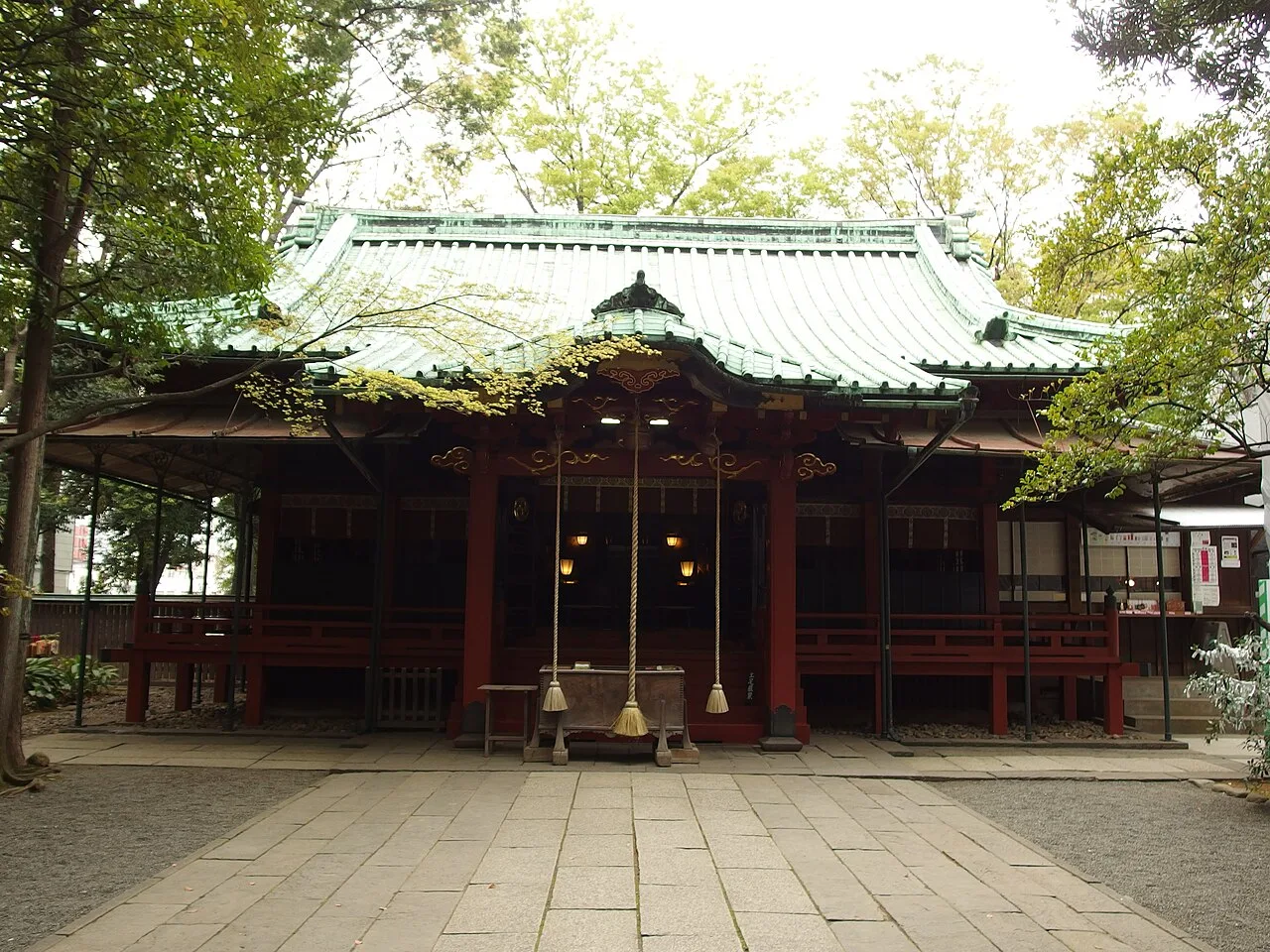
- Akasaka Hikawa Shrine is surrounded by old trees. The shrine says its great ginkgo is about 400 years old and turns yellow in late November.
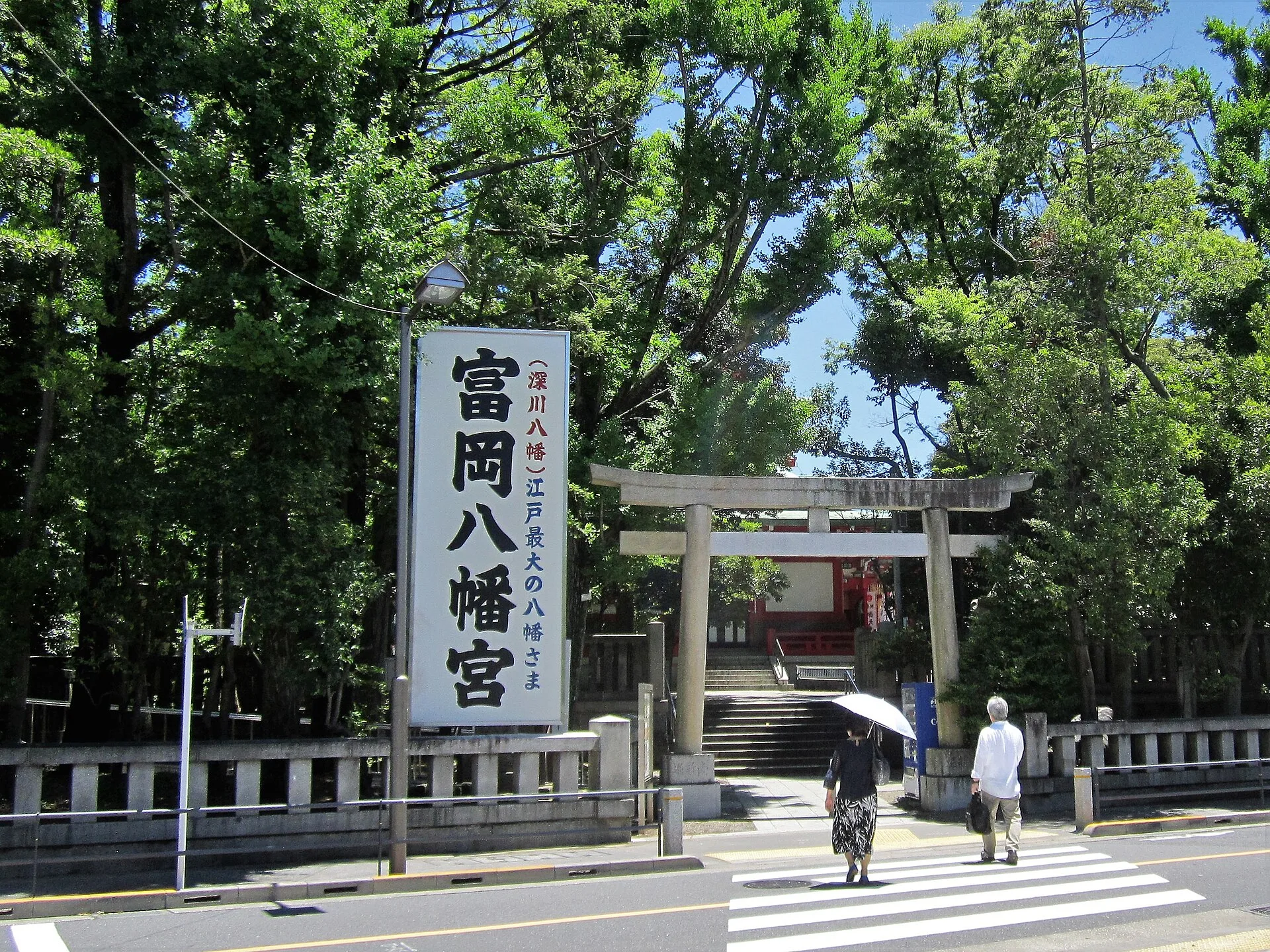
- Yoyogi Hachimangu in Shibuya is a quiet shrine in a small forest.
How to Walk in a Shrine Forest
- Stay on the paths. Jinja Honcho says visitors should enter and explore sacred forests only on clearly marked paths.
- Take nothing. Meiji Jingu asks visitors not to take plants or living things from the forest.
- If a tree has a shimenawa, look and bow if you wish. Do not climb it or tie anything to it.
- Follow the shrine’s own signs. Jinja Honcho says that if priests give different instructions, you should follow them.
- For how to wash your hands and pray, see shrine and temple etiquette.
FAQ
What is a chinju no mori?
It is the sacred forest of a shrine. Jinja Honcho says almost all shrines have one, from a single tree in a city to ancient woodland.
What is a shinboku?
A shinboku is a “kami tree”, a tree in a sacred forest that is treated as especially sacred. It often has a shimenawa rope around the trunk.
Why do some trees and rocks have a rope?
The shimenawa is a twisted straw rope that marks sacred space. Jinja Honcho says some shrines mark sacred trees and natural rocks with it.
Can I walk anywhere in a shrine forest?
No. Jinja Honcho says to use only clearly marked paths where they exist, because the forest is sacred.
Do Tokyo shrines count nature as sacred too?
Yes. The ideas on this page apply to shrines across Japan. Meiji Jingu, Akasaka Hikawa Shrine and Yoyogi Hachimangu are places where trees are part of the visit.
Keep reading

Sources
The ideas about nature, sacred forests and kami trees are based on the Jinja Honcho pages below. The Tokyo shrine facts come from the official pages listed on our own shrine guides, not from a visit. Last checked: November 2026 (on November 15, 2026). Please check each shrine before you go.
Comments
[…] Also nearby: Shinto and nature: sacred forests and trees […]