Researched guide · Last checked: Nov 15, 2026
Shinto is Japan’s native religious tradition. You will meet it in Tokyo at every shrine with a torii gate, and in many festivals. This short guide explains the main ideas in simple words. It is based on information from Jinja Honcho, the Association of Shinto Shrines, not on our own visit.
Quick answer
Shinto has no founder, no doctrine and no scripture. It is about respect for the kami (sacred spirits or deities in nature and people) and for ancestors. Shrines are called jinja, and festivals are called matsuri.
Visitors are welcome at a shrine whatever their nationality or religion. Follow the shrine’s signs, and follow the priests if they ask you to do something differently.
Overview
| What it is | The native religious tradition of Japan |
| Key words | Kami (sacred spirits or deities), jinja (shrine), matsuri (festival) |
| Number of shrines | About 80,000 jinja and about 20,000 priests in Jinja Shinto, according to Jinja Honcho |
| How to spot a shrine | A torii gate at the entrance |
| Last checked | November 2026 (on November 15, 2026) |
The Basic Ideas
Jinja Honcho describes Shinto as a way of life and a way of thinking that has been part of Japanese culture since ancient times. It values purity and honesty, and it has no founder, no dogma and no doctrine. People respect the many kami that live in the natural world, and they respect their ancestors.
Kami can be honored anywhere. Many people visit a shrine to pray. At the entrance they cleanse their hands and mouth to purify the body and mind.
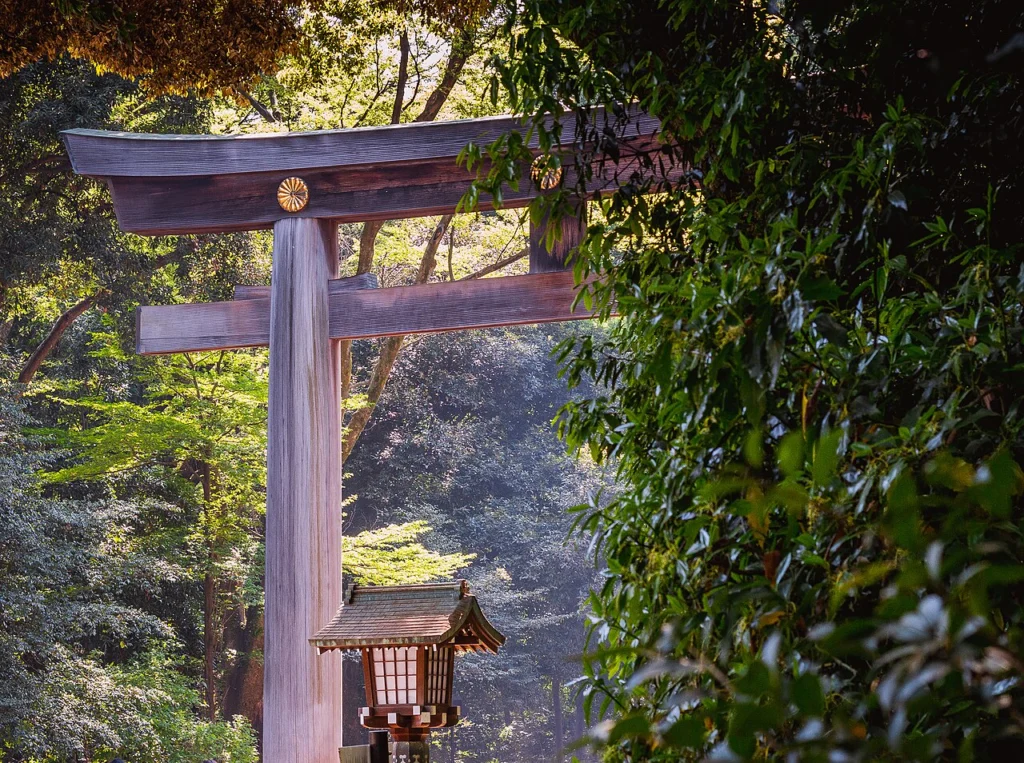
What Are Kami?
Kami is a word that corresponds to “deity” in English. Jinja Honcho says kami are the divine energy or life-force of the natural world, for example the kami of rain, wind, mountains and the sea. People who made a great contribution to society may also be enshrined and honored as kami. Shinto has no single all-powerful creator. The association also says the Western idea of “god” is different from the idea of kami.
What Is a Shrine (Jinja)?
A jinja is a sacred space and the seat of one or more kami. Different shrines honor different kami. Jinja Honcho says people visit to take part in festivals, to make requests, to give thanks, or simply to pay their respects. The oldest shrines were founded more than a thousand years ago, and new ones are still being founded.
The place where the kami is present is especially sacred. At many shrines this is a building called the honden (main sanctuary), and visitors may not enter or even see it.
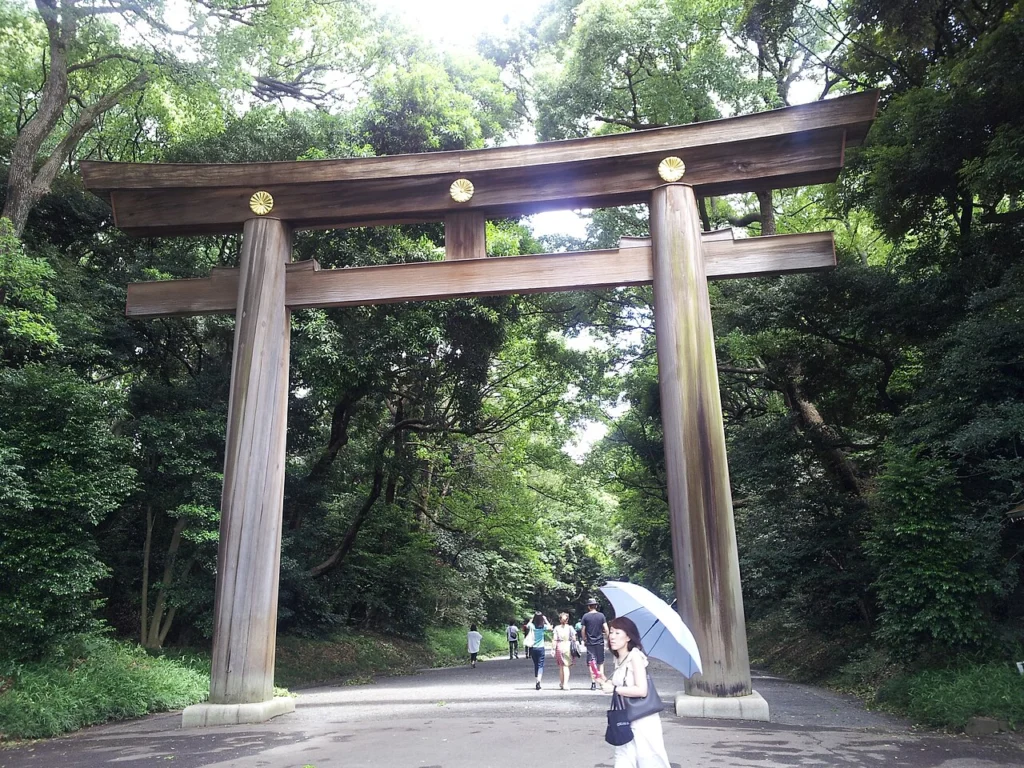
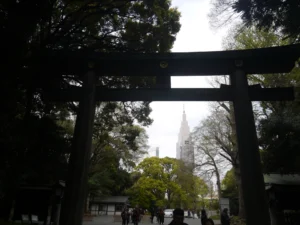
The association says the main difference between a jinja and a temple is religion. Shinto shrines are for Shinto, and temples are for Buddhism. Every Shinto shrine has a torii at the entrance, which is the main symbol that tells it apart from a Buddhist temple.
What Is a Matsuri?
Matsuri are festivals held across Japan. They offer thanks to the kami and pray for the happiness, health and prosperity of the community. They include prayers, offerings of sacred food and purification rites. Shrine grounds are often decorated with a twisted straw rope (shimenawa) and white paper streamers (shide).
Many matsuri include processions of portable shrines (mikoshi) and floats. The enshrined kami is moved into the mikoshi, which is carried through the neighborhood. Jinja Honcho says these festivals bring the kami and people together.
Shinto in Daily Life
- New Year: Jinja Honcho says about 80 percent of the population visits a shrine at New Year. This custom is called hatsumode. See New Year in Tokyo.
- Life events: families visit a shrine for rites of passage such as the first visit of a newborn baby, Shichi-Go-San (for children aged three, five and seven) and weddings. See Shichi-Go-San.
- At home: many households keep a shelf for the kami called a kamidana.
How to Visit a Shrine
- Pass through the torii. Many people pause and bow slightly before walking through.
- Cleanse your hands and mouth at the water font if there is one.
- Pay your respects to the kami before you look around.
- Do not enter a building without an invitation, even if it looks open. This includes areas fenced off with ropes.
- Follow the instructions of the shrine and its priests.
For a full step-by-step guide, see our shrine and temple etiquette guide. To learn about charms and fortunes, see omamori, omikuji, ema and goshuin.
Where to See Shinto in Tokyo
- Meiji Jingu: a large shrine in Shibuya. See Meiji Jingu.
- Kanda Myojin: a shrine near Akihabara. See Kanda Myojin.
- More shrines: see temples and shrines in Tokyo.
More on Japanese culture: our Japanese culture guide.
FAQ
Is Shinto a religion?
Jinja Honcho calls it the native religious tradition of the Japanese. It also says Shinto has no founder, dogma or scripture, and that it is something you do rather than something you are.
Can I visit a shrine if I am not Shinto?
Yes. Jinja Honcho says you are welcome whatever your nationality, age, sex, race or religion.
How do I tell a shrine from a temple?
A Shinto shrine has a torii gate at the entrance. A Buddhist temple does not.
What does kami mean?
It corresponds to “deity” in English. Kami are sacred spirits or life-force found in nature, and some people are also honored as kami.
How many shrines are there in Japan?
Jinja Honcho says there are about 80,000 jinja and about 20,000 priests in Jinja Shinto.
Keep reading
Sources
This guide is based on the official information below, not on our own visit. Last checked: November 2026 (on November 15, 2026). Each shrine has its own rules, so please follow the signs at the shrine.
Also nearby: The four kami you meet at Tokyo shrines
Also nearby: Shinto and nature: sacred forests and trees
Also nearby: The Amaterasu cave myth
Also nearby: Shinto purification: Izanagi and the temizuya
Also nearby: Kamidana: the Shinto household shrine
Comments
[…] Also see: Omamori, Omikuji, Ema and Goshuin: What You Can Take Home from a Japanese Shrine · Japan Public Holidays 2026 and 2027 (and the Busiest Times to Travel) · What Is Shinto? A Short Guide for Visitors to Shrines in Tokyo […]