Researched guide · Last checked: Nov 15, 2026
Shichi-Go-San means “seven-five-three”. It is a custom in which families take young children to a shrine in autumn to give thanks for their healthy growth and to pray for continued protection. If you visit Tokyo in the autumn, you may see children in kimono at a shrine. This guide explains what is happening.
Quick answer
Shichi-Go-San is held in autumn. The traditional date is November 15, but families now go at any time from September to December. Children are brought to a shrine in beautiful kimono.
The name comes from the ages at which children go: three, five and seven. The dates and fees for prayers differ from shrine to shrine, so check the shrine you plan to visit.
Overview
| What it is | A rite of passage at a shrine for young children, to give thanks and to pray for protection |
| When | Traditionally November 15. Now any time from September to December |
| Ages | Three, five and seven (“seven-five-three”) |
| What children wear | Kimono |
| In Tokyo | Shrines across the city. Check the official site of the shrine you plan to visit |
| Last checked | November 2026 (on November 15, 2026) |
What Shichi-Go-San Is
Jinja Honcho, the Association of Shinto Shrines, lists Shichi-Go-San as one of Japan’s rites of passage. Babies are brought to a shrine about a month after birth to be introduced to the kami (the Shinto deities). This is called “hatsumiyamairi”. Later, in autumn, young children are brought by their families to give thanks for their healthy growth and to pray for continued protection.
The name means “seven-five-three” because those are the ages at which the children come. The association describes the traditional date as November 15, but says families now go at any time between September and December.
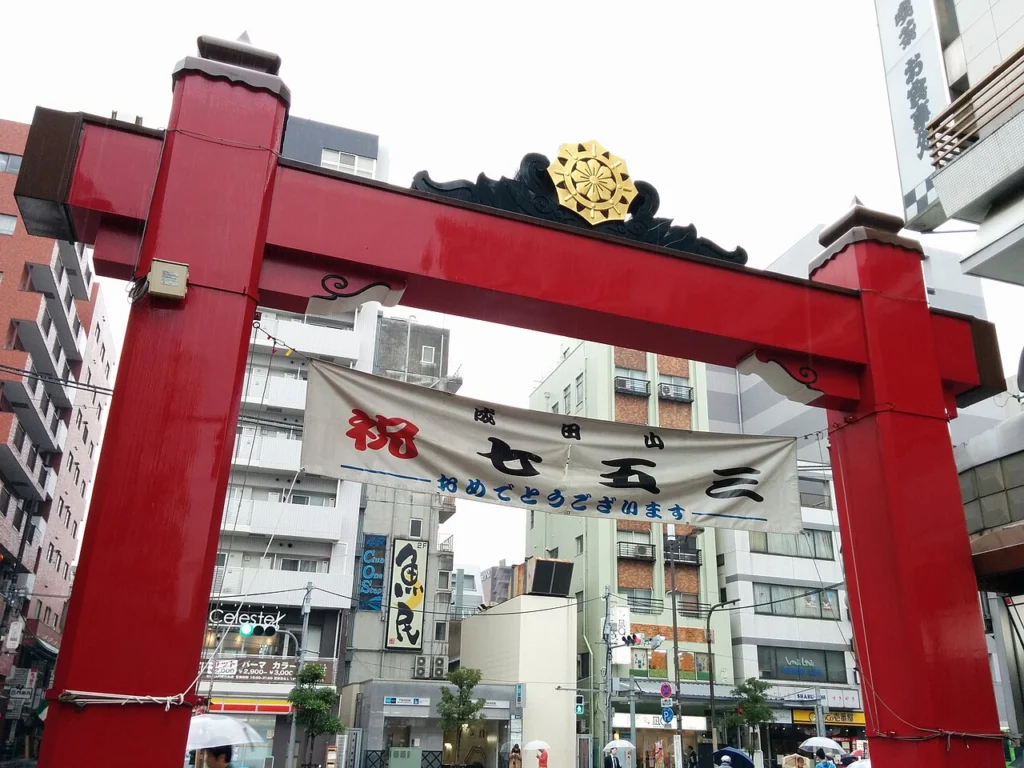
What You Will See
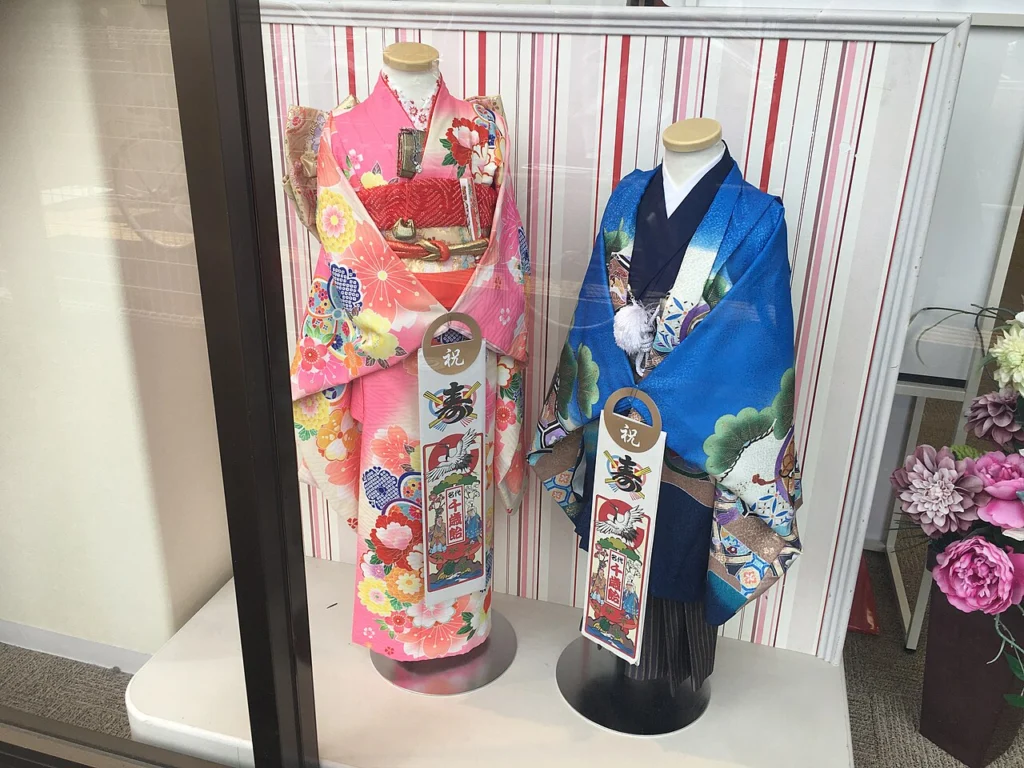
- Kimono: children are dressed in beautiful kimono.
- Families at the shrine: the visit is a family event.
- Prayers: families can ask for a prayer ceremony (gokito) at the shrine. Jinja Honcho describes how these ceremonies go: purification, offerings, prayer and a closing bow.
Tips for Visitors
- Be respectful: a shrine is a sacred place for everyone, and families are there for a special occasion. Do not stand in front of the prayer hall, and do not block other people’s prayers. See our shrine and temple etiquette guide.
- Ask before photos: we do not have an official rule for photos at each shrine. Please follow signs at the shrine and ask a family before you take a close photo of their child.
- Check the shrine: Shichi-Go-San dates, prayer times and fees are set by each shrine. See the shrine’s own website or sign before you go.
- Crowds: we do not have official crowd data for Shichi-Go-San, so check the shrine’s site before you go.
Shrines in Tokyo
These are shrines in our guides. We have not checked which of them hold Shichi-Go-San events, so ask at the shrine or check its official site.
- Meiji Jingu: a large shrine in Shibuya. See Meiji Jingu.
- Hie Shrine: a shrine near Akasaka. See Hie Shrine.
- Kanda Myojin: a shrine near Akihabara. See Kanda Myojin.
- Yushima Tenjin: a shrine in Bunkyo. See Yushima Tenjin.
We do not list Shichi-Go-San dates. For the season, see our Tokyo in November guide. For kimono you can wear yourself, see kimono rental in Tokyo.
More on Japanese customs: our Japanese culture guide.
Also nearby: Children’s Day: koinobori and kashiwa mochi explained
Also nearby: Coming of Age Day (Seijin no Hi) explained
FAQ
What does Shichi-Go-San mean?
It means “seven-five-three”. These are the ages of the children who are taken to a shrine: three, five and seven.
When is Shichi-Go-San?
The traditional date is November 15. Jinja Honcho says families now go at any time between September and December.
Do children wear kimono?
Yes. Jinja Honcho says children are brought to the shrine in beautiful kimono.
What is the purpose of the visit?
The families give thanks for the children’s healthy growth and pray for continued protection.
Can visitors watch?
A shrine is open to everyone, but please be respectful. Families are there for a special occasion. Follow the shrine’s signs and instructions.

Sources
This guide is based on the official information below, not on our own visit. Last checked: November 2026 (on November 15, 2026). Dates and fees change by shrine, so please check before you go.