Researched guide · Last checked: Nov 15, 2026
Hongo and Yushima, in Tokyo’s Bunkyo City, are a quiet area of old schools and shrines on a hill just north of Ochanomizu. Within a short walk you can visit Yushima Seido, a Confucian temple that was once the shogunate’s school, Yushima Tenjin, a shrine where students pray for exam luck, the red gate of the University of Tokyo, and a free museum about Edo’s water. Nezu Shrine is a short train ride or walk further on. Plan half a day.
Quick answer
Top things to do: see Yushima Seido, pray (or just look) at Yushima Tenjin, walk the outdoor areas of the University of Tokyo Hongo Campus, learn about Edo’s water supply at a free museum, and finish at Nezu Shrine’s red torii path.
Allow half a day. Ochanomizu Station (JR Chuo and Sobu lines, Tokyo Metro Marunouchi Line) is the easiest start. Yushima, Nezu and Sendagi stations are on the Tokyo Metro Chiyoda Line, and Todaimae Station is on the Namboku Line.
Overview
| Getting there | Ochanomizu Station (JR Chuo and Sobu lines, Tokyo Metro Marunouchi Line); Yushima, Nezu and Sendagi stations (Tokyo Metro Chiyoda Line); Todaimae Station (Namboku Line); Hongo-sanchome Station (Marunouchi and Toei Oedo lines) |
| Time needed | Half a day for the main stops; a full day if you add Koishikawa Korakuen or Yanaka |
| Best time | Daytime. Seido closes at 17:00 (16:00 in winter) and the University of Tokyo grounds at 18:00 |
| Good for | History, shrines, quiet walks, free sights, rainy-day museums |
| Costs | Yushima Seido, Yushima Tenjin, the water museum and the University of Tokyo grounds are all free. The Nezu Shrine azalea garden charges a donation in April |
| Last checked | November 2026 (on November 15, 2026) |
What Hongo and Yushima Are Like
This is a part of Tokyo about learning. Edo’s shogunate ran its official school here, and the University of Tokyo’s main campus is still on the same hill. Students and families walk the streets, so it feels calm and local rather than touristy. It is mostly on foot, with some slopes and stairs.
The area sits between two bigger sights. Ochanomizu and Akihabara are to the south, and Ueno Park and Yanaka are to the north-east.
Best Things to Do
Yushima Seido
Yushima Seido is a national historic site built for Confucius. In 1690 the shogun Tokugawa Tsunayoshi founded a hall here to promote Confucian study, and in 1797 the shogunate opened its official school, the Shoheizaka Gakumonjo, on the site. In the Meiji era the first museum in Japan (today’s Tokyo National Museum) and the schools that became the University of Tsukuba and Ochanomizu University began here. Most buildings burned in the 1923 earthquake, and the present ones were rebuilt in reinforced concrete in 1935.
- Hours: 9:30 to 17:00 (16:00 in winter). Free to enter.
- Taiseiden hall: open to visitors on Saturdays, Sundays and national holidays from 10:00 until closing.
- Closed: August 13 to 17 and December 29 to 31.
- Access: 1 minute on foot from Ochanomizu Station (Marunouchi Line), 2 minutes from JR Ochanomizu or Shin-Ochanomizu (Chiyoda Line).
More details: our Yushima Seido guide. Just across the bridge is Nikolai-do, a domed Orthodox cathedral.
Yushima Tenjin
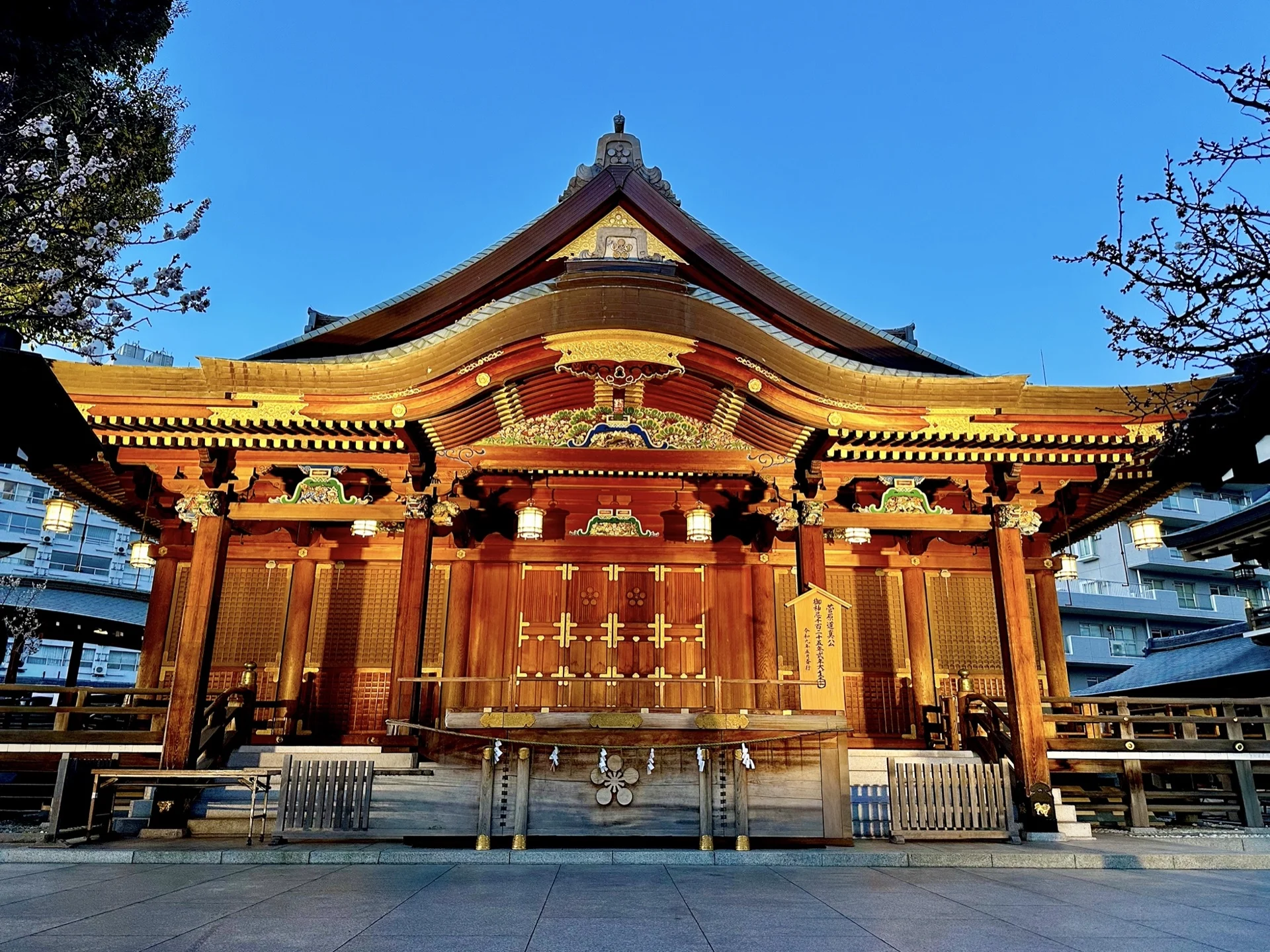
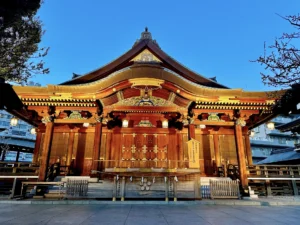
Yushima Tenjin (also called Yushima Tenmangu) is a shrine to Sugawara no Michizane, the god of learning. The shrine says it was founded in 458 by order of Emperor Yuryaku. Students and their families come to pray for good exam results, and the shrine is also known for its plum blossoms in February and March.
- Free to visit. The grounds are open 6:00 to 20:00.
- Access: 2 minutes on foot from Yushima Station (Chiyoda Line), Exit 3.
- Stairs or slope: the shrine stands on a hill. From Yushima Station you can climb the stone steps, or take a gentler, step-free slope by Kasuga-dori, the shrine says.
See the Yushima Tenjin guide for prayer times and amulets, and shrine and temple etiquette before you pray.
University of Tokyo, Hongo Campus
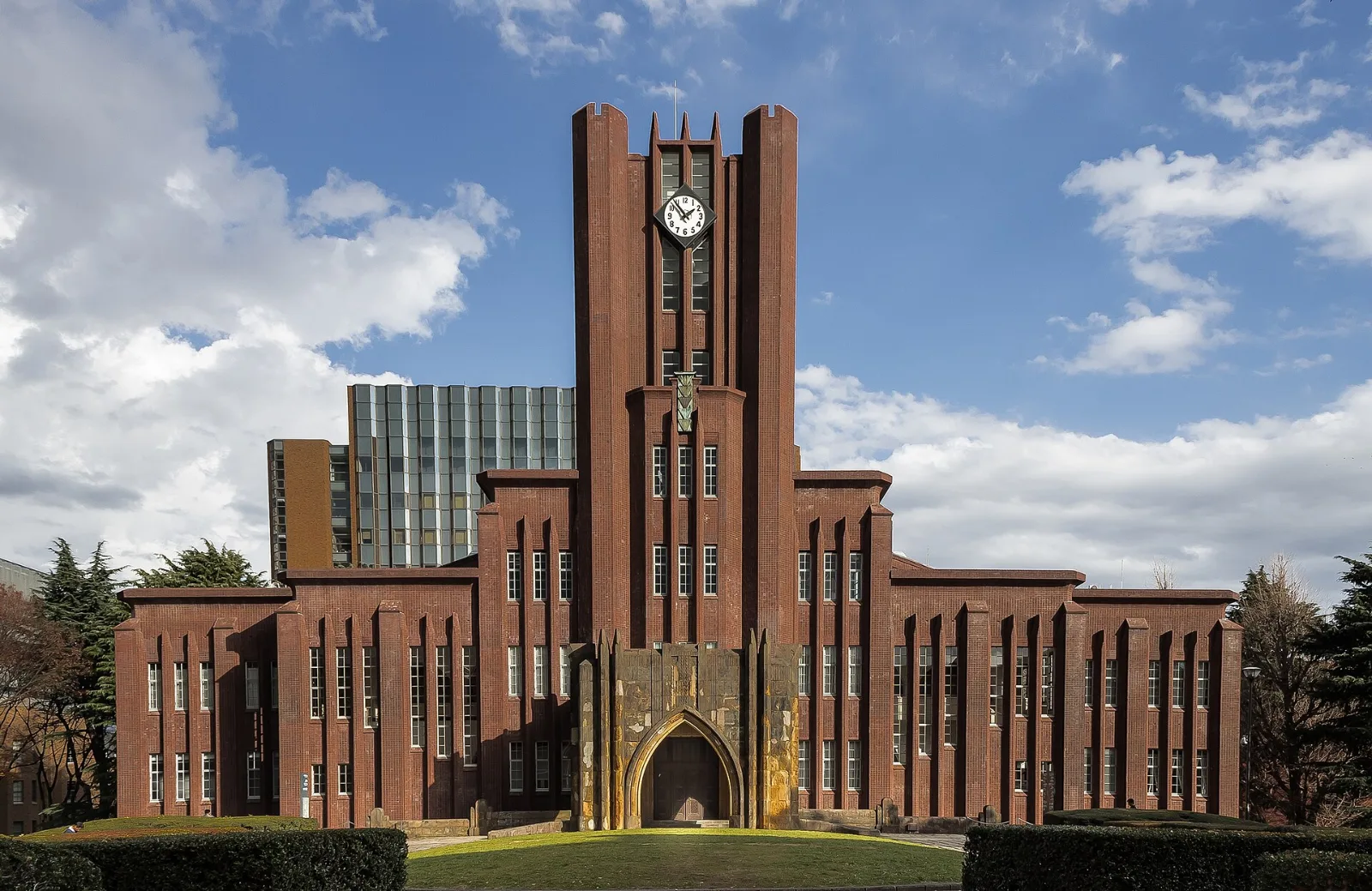
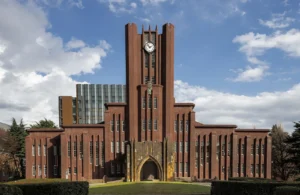
The University of Tokyo’s Hongo Campus is a working university, and the university opens its outdoor areas to visitors. The highlights are the red Akamon gate, the brick Yasuda Auditorium, the pond known as Sanshiro Pond and the ginkgo avenue, which turns yellow in autumn. The Akamon was the gate of the Kaga domain’s residence. The university says it is under seismic repair work until about September 2027, so it may be covered.
- Hours: 7:00 to 18:00, no ticket. Groups of 15 or more must register a week ahead.
- Rules: keep quiet, stay out of faculty buildings, no cars, no smoking. The university asks visitors not to post photos on social media.
- Access: 1 minute from Todaimae Station (Namboku Line), about 6 to 8 minutes from Hongo-sanchome Station.
Full rules and the list of what is open: University of Tokyo Hongo Campus guide.
Tokyo Waterworks Historical Museum
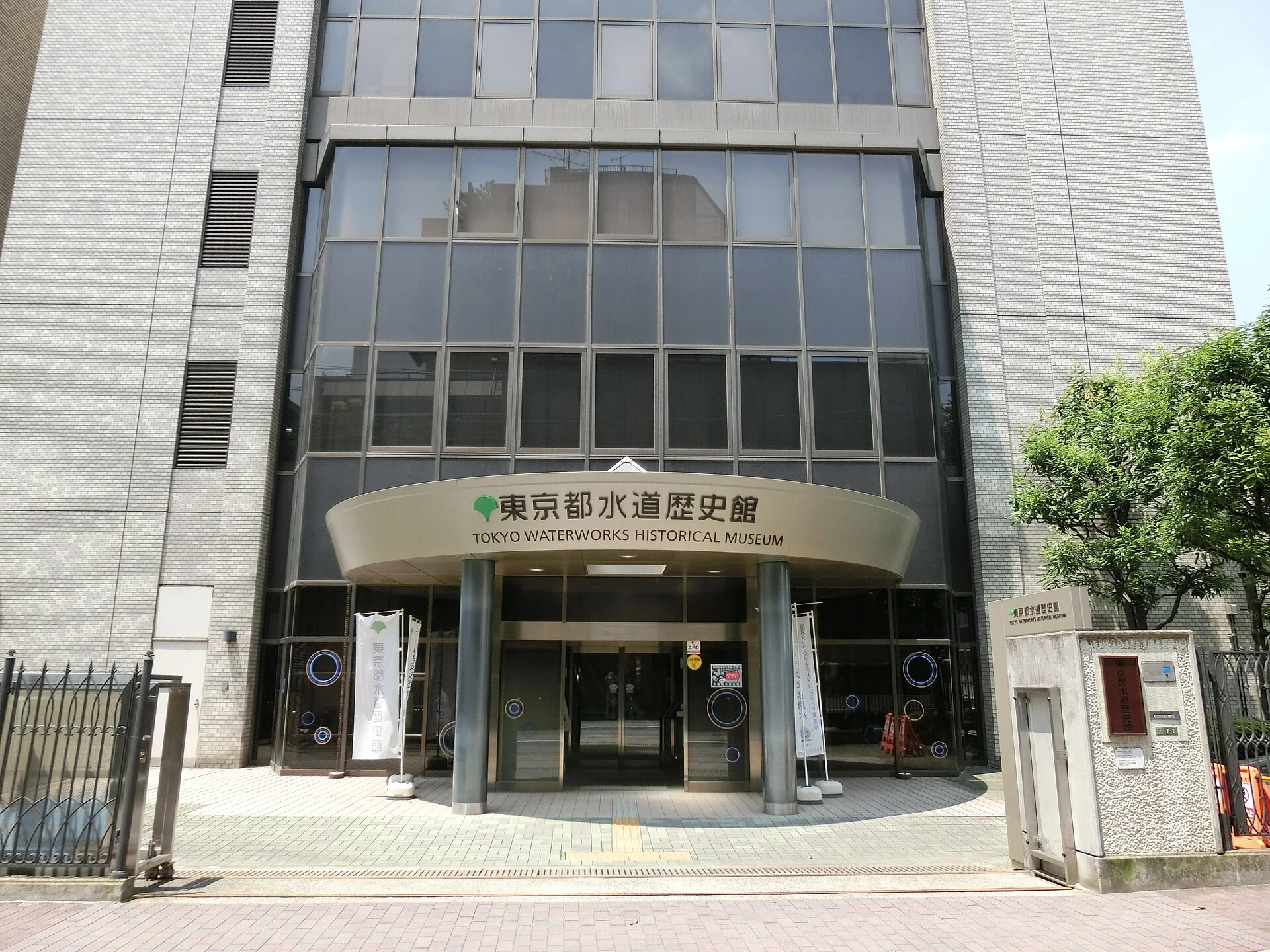
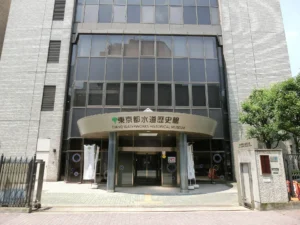
This free museum, run by the Tokyo Metropolitan Waterworks Bureau, tells how Edo and Tokyo got their water over about 400 years. Start on the 2nd floor with the Edo period: real wooden water pipes, a well and a replica of a row house. Then go down to the 1st floor for the modern system. Outside, next door, is a rebuilt stretch of the Kanda Josui aqueduct. It is a good choice for a rainy day.
- Hours: 9:30 to 17:00 (last entry 16:30). Free.
- Closed: the 4th Monday of each month (the next day if it is a holiday) and December 28 to January 4.
- English: free audio guides in English and other languages, and QR-code explanations in English.
- Access: about 8 minutes on foot from Ochanomizu or Hongo-sanchome station. No parking.
See the Tokyo Waterworks Historical Museum guide.
Nezu Shrine
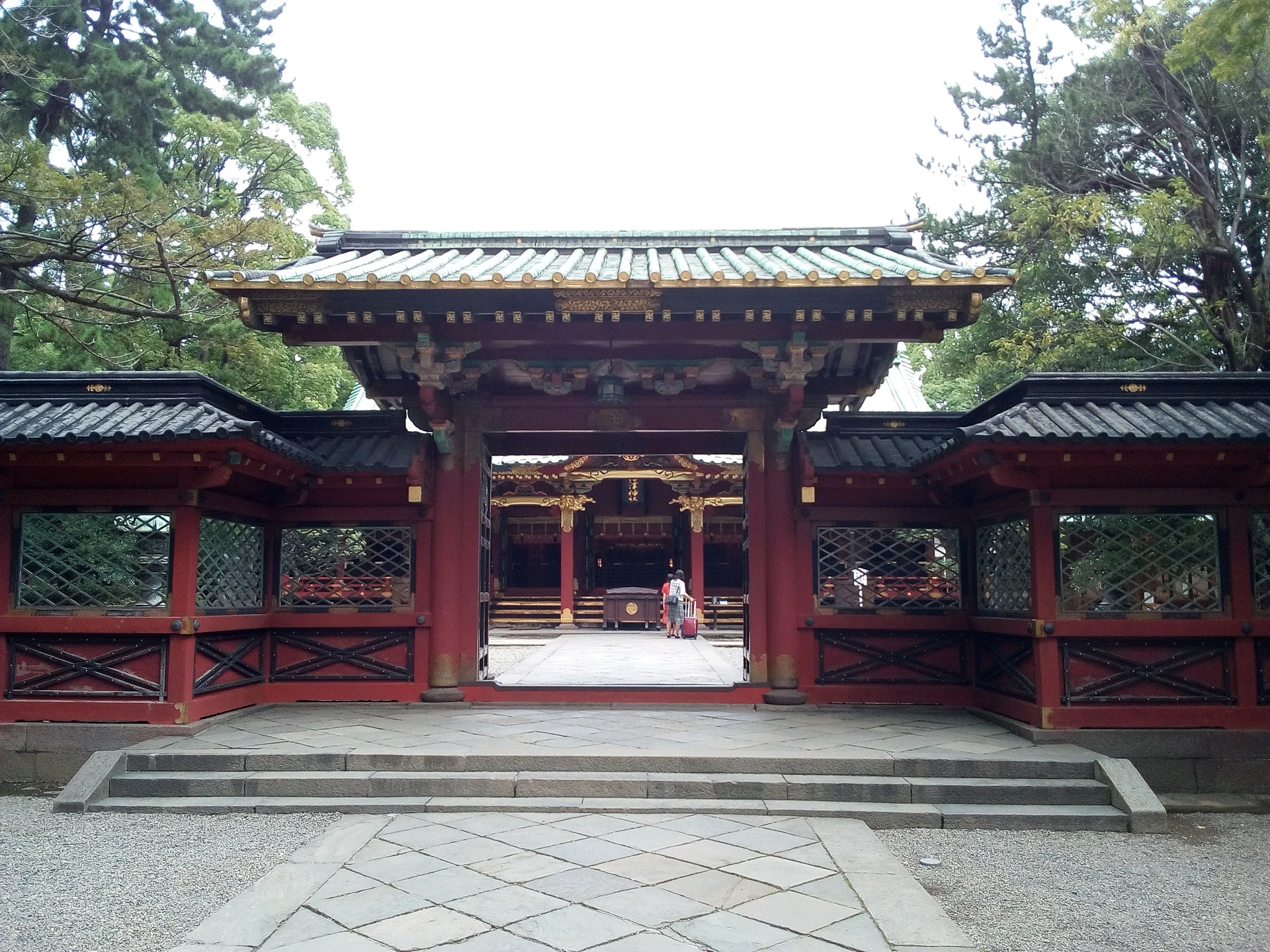
Nezu Shrine is a short way north-east of the University of Tokyo, on the edge of the Yanaka area. The shrine says its main buildings, finished in 1706, are Important Cultural Properties. Look for the large Romon gate, the Karamon gate with its see-through lattice fence, and the path of small red torii gates that leads to Otome Inari shrine. Visiting the grounds is free.
- Karamon hours: change by month. In November the gate is open 6:00 to 17:00, according to the shrine.
- Access: about 5 minutes on foot from Nezu or Sendagi Station (Chiyoda Line) or Todaimae Station (Namboku Line).
See the Nezu Shrine guide and our Yanaka guide, which is the natural next stop.
Seasonal Events
- Plum blossoms (February to March): Yushima Tenjin holds a plum festival every year. In 2026 it ran from February 8 to March 8. See Yushima Tenjin Plum Festival.
- Azaleas (April): Nezu Shrine opens its hillside azalea garden only during the spring festival. In 2026 it ran from April 1 to 30, with a donation of ¥500 to ¥1,000 to enter. It gets very busy on weekends.
- Chrysanthemums (November): the 48th Bunkyo Chrysanthemum Festival at Yushima Tenjin runs from November 1 to 23, 2026. See Yushima Tenjin Chrysanthemum Festival.
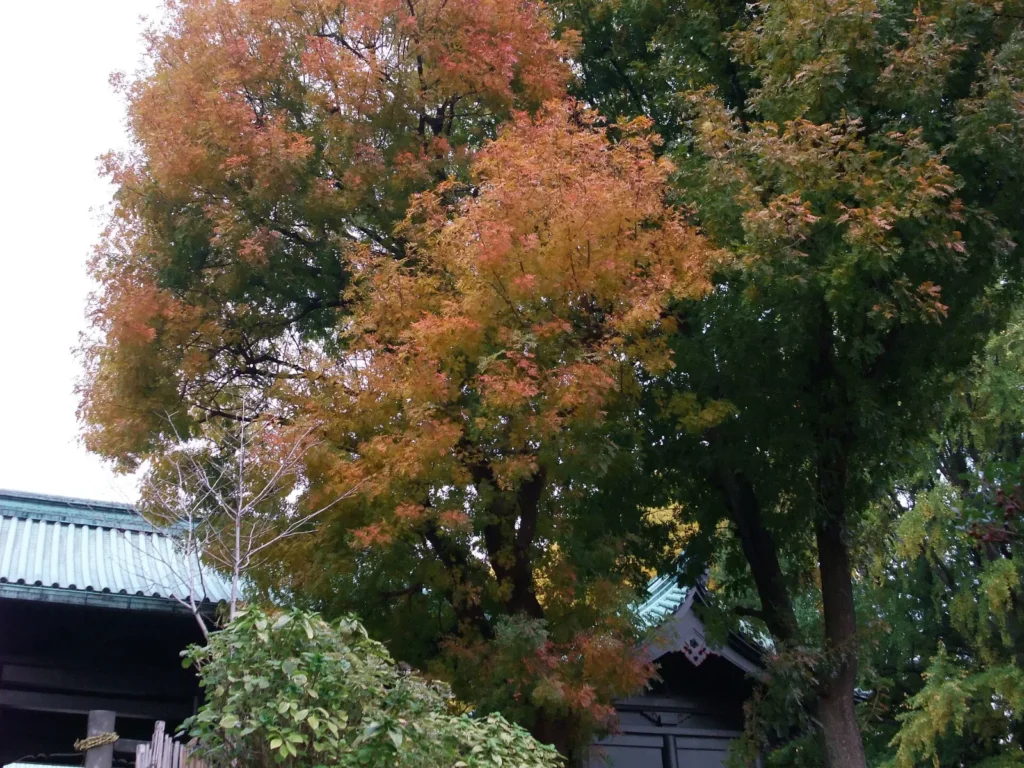
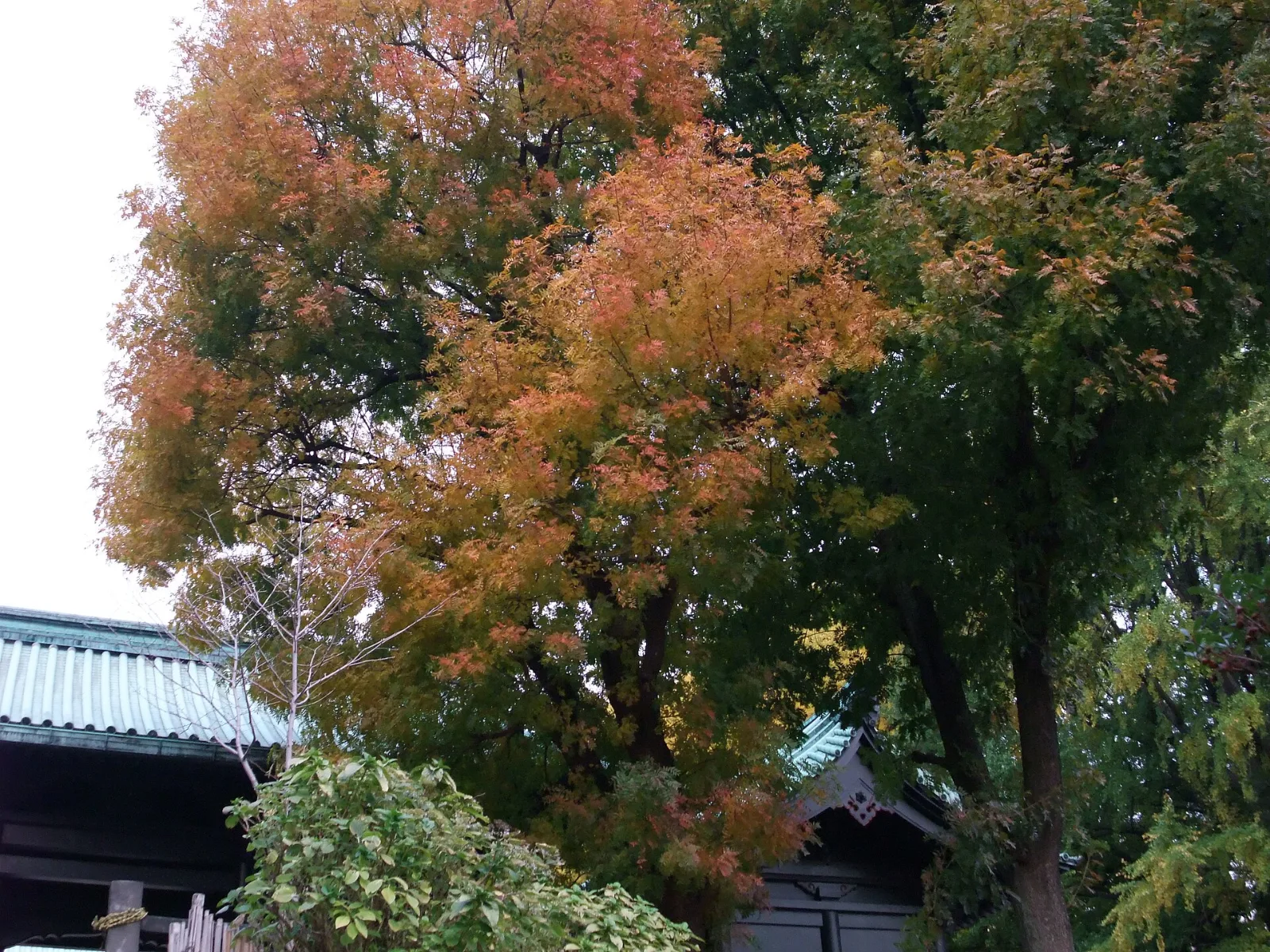
- Autumn colors: the ginkgo avenue at the University of Tokyo turns yellow in autumn.
- More dates: Tokyo events calendar.
Food & Coffee
Hongo and Yushima are not a food-street area, and we have not verified individual restaurants here, so we do not list any. The University of Tokyo says its campus cafeterias are open to visitors. The central cafeteria is open on weekdays from 11:00 to 21:00 and on weekends and holidays from 11:00 to 14:00, but the university asks visitors to avoid 11:30 to 13:30, when students and staff eat.
For more choice, walk or ride to Jimbocho and Ochanomizu (see our Kanda and Jimbocho guide) or to Yanaka (Yanaka Ginza). New to eating out in Japan? See How to eat out in Tokyo.
Where to Stay
There is no hotel cluster in Hongo itself. Nearby bases with easy train links are Ueno, Nippori and Akihabara. See Best hotels in Ueno, Best hotels in Nippori and Best hotels in Akihabara, or compare areas in our Where to Stay guide.
Getting There
- To Yushima Seido and the water museum: JR Chuo or Sobu Line, or the Tokyo Metro Marunouchi Line, to Ochanomizu Station. From Akihabara it is one stop on the JR Sobu Line.
- To Yushima Tenjin: Tokyo Metro Chiyoda Line to Yushima Station, Exit 3. JR Okachimachi Station is about 8 minutes on foot.
- To the University of Tokyo: Tokyo Metro Namboku Line to Todaimae Station, or Marunouchi or Toei Oedo line to Hongo-sanchome Station.
- To Nezu Shrine: Chiyoda Line to Nezu or Sendagi, or Namboku Line to Todaimae.
- Bus from Ueno: Toei Bus Ue 01 from JR Ueno Station to the “Todai Konai” stop, according to the University of Tokyo.
New to Tokyo trains? See Trains in Tokyo and How to use Suica.
Suggested Half-Day Route
Start at Ochanomizu and end in Nezu. We do not have official walking times between stops, so allow extra time and use a map app.
- StartOchanomizu Station
- 1 to 2 minutes on foot
- 1Yushima Seido (Confucian temple)
- Walk toward Yushima Station (Yushima Tenjin stands on the hill nearby)
- 2Yushima Tenjin (shrine; stairs or the Kasuga-dori slope)
- Walk or ride to Hongo-sanchome; the museum is about 8 minutes from there
- 3Tokyo Waterworks Historical Museum (free; closed the 4th Monday)
- Walk on toward the University of Tokyo
- 4University of Tokyo Hongo Campus (Akamon, ginkgo avenue, Yasuda Auditorium)
- Todaimae Station is 1 minute from the campus; Nezu Shrine is about 5 minutes from Todaimae
- FinishNezu Shrine, then Nezu or Sendagi Station (about 5 minutes on foot)
Find these places on our Tokyo map.
Combine Hongo and Yushima with Nearby Areas
- Kanda and Jimbocho: next to Ochanomizu. See our Kanda and Jimbocho guide and Kanda Myojin.
- Ueno and Akihabara: see our Ueno and Akihabara guide and Ueno Park.
- Yanaka: Nezu Shrine is on the edge of old Yanaka. See our Yanaka guide.
- Tokyo Dome and Korakuen: north-west of Ochanomizu. See our Tokyo Dome area guide, Koishikawa Korakuen and Koishikawa Botanical Garden.
Travel Tips
- Check the day. The water museum closes on the 4th Monday of the month, and Yushima Seido closes August 13 to 17 and December 29 to 31.
- The Taiseiden hall at Yushima Seido opens only on Saturdays, Sundays and national holidays.
- The University of Tokyo is a working campus. Keep your voice down, stay out of faculty buildings and keep photos for yourself. Entrance exam days are closed to visitors, so check the university’s notices in winter.
- Yushima Tenjin is busiest from January to March, when students come to pray for exams.
- Wear comfortable shoes. The area has slopes and stairs.
- Looking for more free sights? See Free things to do in Tokyo, Tokyo parks and gardens and Tokyo museums. Comparing areas? See Tokyo neighborhoods compared.
Also nearby: Hakusan Guide: Hydrangea Shrine, Old Botanical Garden and a Quiet Bunkyo Day
FAQ
Is Hongo worth visiting?
Yes, if you like history, shrines and quiet walks more than shopping. Yushima Seido, Yushima Tenjin, the University of Tokyo’s outdoor areas and a water museum are all free, and you can see them in half a day.
Can tourists walk around the University of Tokyo?
Yes. The university opens its outdoor areas to visitors from 7:00 to 18:00 without a ticket. Faculty buildings are generally closed to visitors, and the university asks you not to post photos on social media. Groups of 15 or more must register 7 days ahead.
Is Yushima Seido free?
Yes. Entry is free. It is open 9:30 to 17:00 (16:00 in winter), and the main hall, the Taiseiden, opens on Saturdays, Sundays and national holidays.
What is Yushima Tenjin known for?
It enshrines Sugawara no Michizane, the god of learning, so students pray there for exam success. It is also known for plum blossoms in February and March and a chrysanthemum festival in November.
How do I get from Ochanomizu to the University of Tokyo?
The nearest stations are Todaimae Station on the Namboku Line (1 minute from the campus) and Hongo-sanchome Station (6 to 8 minutes on foot). Yushima or Nezu Station on the Chiyoda Line are about 8 minutes on foot, according to the University of Tokyo.
Is there anything to do here in the rain?
Yes. The free Tokyo Waterworks Historical Museum is indoors and has English audio guides. Check that it is not the 4th Monday of the month, when it is closed.
Keep reading
Also nearby: Sekiguchi and Edogawabashi guide.
Related guides
Sources
This guide is based on the official information below, not on our own visit. Last checked: November 2026 (on November 15, 2026). Hours, prices and events change, so please check before you go.
- Shibunkai: Yushima Seido (official, Japanese)
- Shibunkai: History of Yushima Seido (official, Japanese)
- Bunkyo City: Yushima Seido (Japanese)
- Yushima Tenmangu (official, English)
- Yushima Tenmangu: Access (official, English)
- Yushima Tenmangu: History (official, English)
- University of Tokyo: Visiting the Hongo Campus (official)
- University of Tokyo: Rules for campus visitors (official, Japanese PDF)
- Tokyo Waterworks Historical Museum: Visitor guide and access (official, Japanese)
- Tokyo Waterworks Historical Museum: Floor guide (official, Japanese)
- Nezu Shrine: About (official, Japanese)
- Nezu Shrine: Opening hours (official, Japanese)
- Nezu Shrine: Access (official, Japanese)
- Nezu Shrine: Grounds (official, Japanese)
Also nearby: Ochanomizu sacred places in one day (itinerary)