Quick answer
Tokyo is one of the easiest cities for solo travel — low crime, a reliable train system and a culture where eating alone is completely normal.
Get a Suica or Pasmo IC card at the airport and save the 24-hour Japan Visitor Hotline (050-3816-2787) in your phone.
Ramen counters, conveyor-belt sushi and convenience stores are designed for solo diners — no reservation, no awkward table-for-one moment.
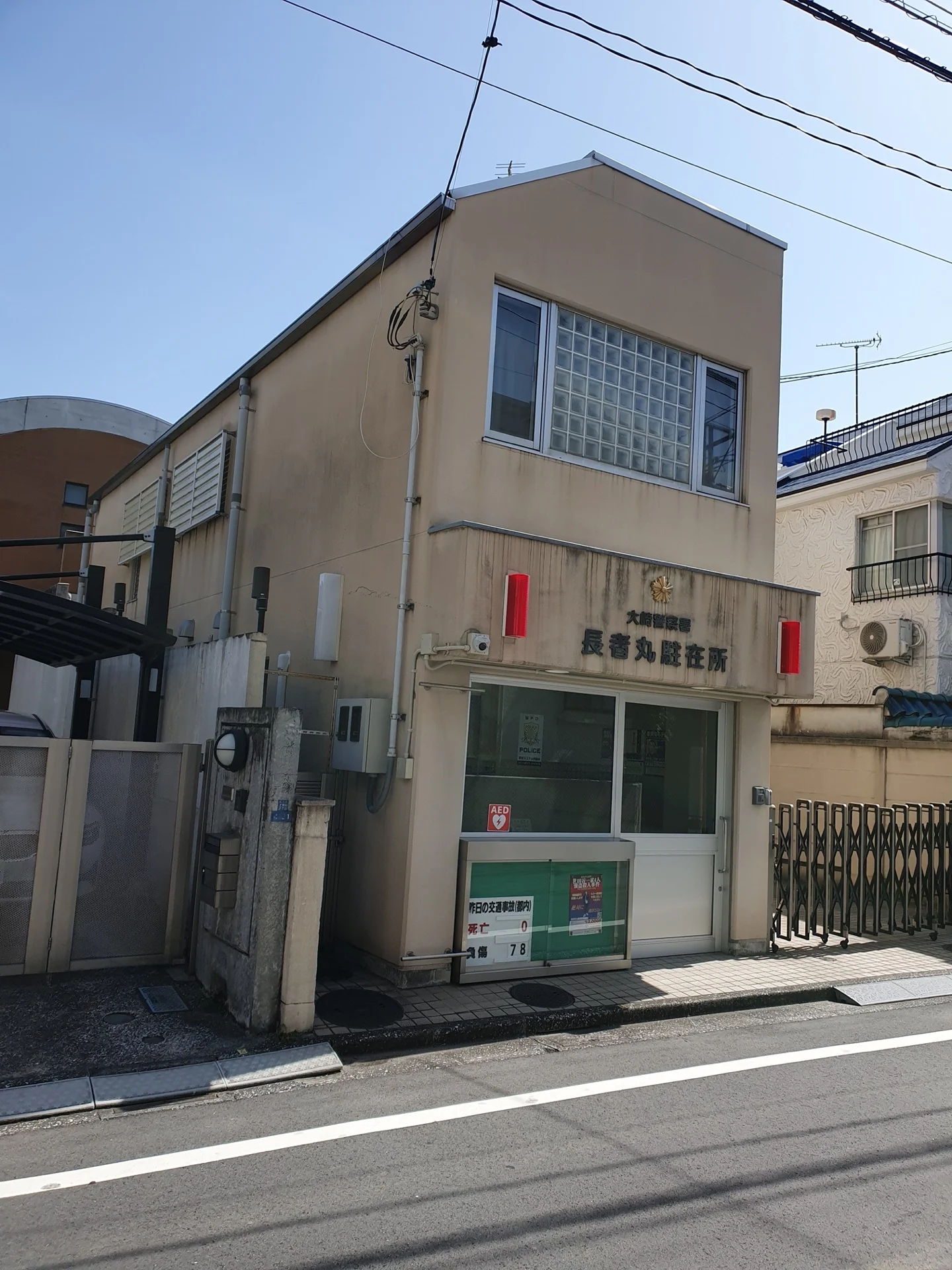
Women-only train cars run during weekday rush hours, and police boxes (koban) are in every neighborhood.
- Why Tokyo Is Great for Solo Travelers
- Is Tokyo Safe for Solo Travelers?
- Getting Around Tokyo on Your Own
- Eating Alone in Tokyo
- Best Things to Do Alone in Tokyo
- Best Neighborhoods to Stay as a Solo Traveler
- Solo Travel Budget: How Much to Spend Per Day
- Practical Tips for Solo Travelers in Tokyo
- FAQ
- Related Articles
- Sources
Why Tokyo Is Great for Solo Travelers
Tokyo works well for solo travelers because almost everything is set up for individuals. Trains run on time, signs are in English and Japanese, and many restaurants have counter seating or ticket machines that make ordering easy even without speaking a word.
The city is safe enough to walk around after dark in most areas, and convenience stores (konbini) stay open 24 hours for food, cash and supplies. People here are used to seeing others on their own — at cafes, in parks and on trains — so eating or exploring alone will not feel unusual.
Is Tokyo Safe for Solo Travelers?
Tokyo has a low crime rate compared to most major cities. Petty theft happens but is uncommon, and violent crime against tourists is rare. Police boxes (koban) are found in every neighborhood and the officers can help with directions, lost items or emergencies.
That said, normal precautions still apply. Avoid poorly lit alleys late at night, keep your belongings close in crowded trains and do not leave drinks unattended at bars. For more detail, see our full guide on safety in Tokyo.
Safety Tips for Women Traveling Alone
Women-only train cars (josei senyou sharyo) run on most major lines during weekday rush hours. Look for pink signs on the platform — these cars are usually at the front or back of the train. Using them is optional.
If someone bothers you on a train, move to another car or speak to station staff. The word chikan (groper) will be understood immediately. Outside of rush-hour trains, solo female travelers in Tokyo generally report feeling safe day and night in well-lit areas.
For earthquake safety, download the Safety Tips app by the Japan Tourism Agency — it sends alerts in English.
Getting Around Tokyo on Your Own
Tokyo’s train and subway network is the fastest way to move between neighborhoods. You do not need a car, a guide or a travel companion to get where you need to go.
IC Cards and Train Basics
Buy a Suica or Pasmo IC card when you arrive. Tap in at the gate, tap out when you leave, and the fare is deducted automatically. The same card works on JR trains, Metro lines, Toei Subway, buses and even vending machines and convenience stores.
For step-by-step instructions, read our guides on how to use Suica, trains in Tokyo and transport passes.
Last Train and Late-Night Options
Most train and subway lines stop running between midnight and 12:30 AM and start again around 5:00 AM. If you miss the last train, your options are a taxi, a night bus or waiting at a manga cafe or 24-hour restaurant until the first train.
Plan your evening around the last train time for your line, or budget for a taxi back. See Tokyo at night for more ideas.
Eating Alone in Tokyo
Eating alone in Tokyo is not just accepted — it is normal. Many restaurants are designed with single customers in mind.
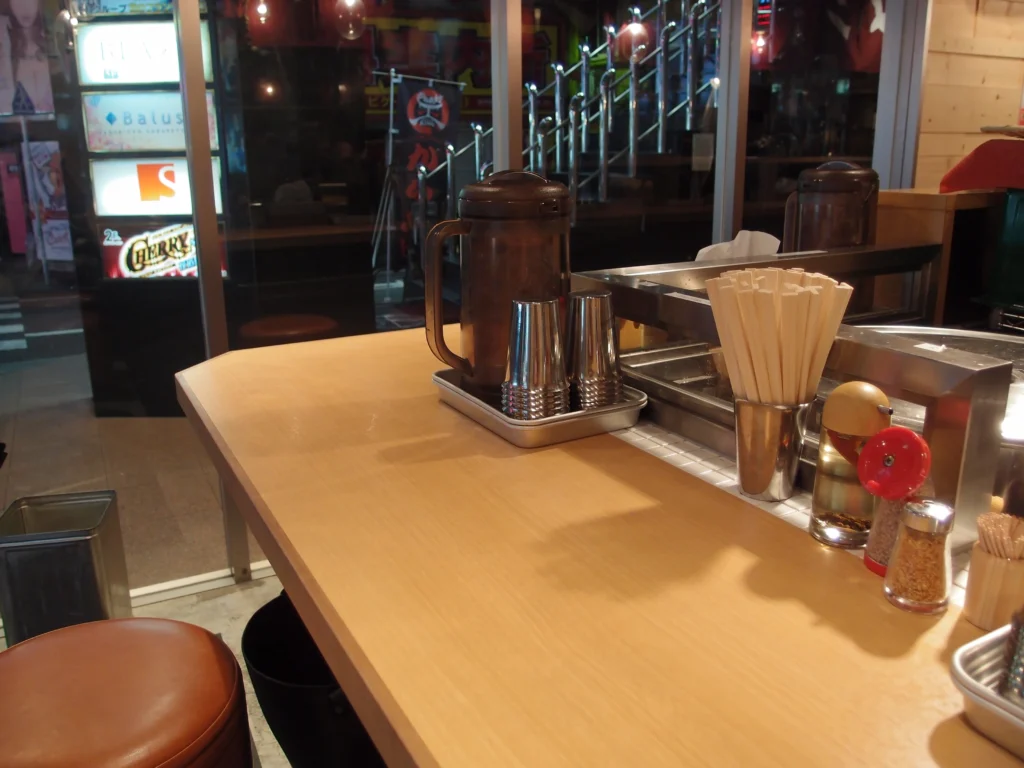
Here are the easiest options for solo diners:
| Type | English menu | How it works |
|---|---|---|
| Ramen shops | Often yes (photos) | Buy a ticket from the machine, sit at the counter, eat |
| Conveyor-belt sushi (kaiten-zushi) | Usually yes (tablet) | Grab plates from the belt or order on a touchscreen |
| Set-meal chains (teishoku) | Some | Ticket machine or counter ordering. Yoshinoya, Matsuya and Ootoya are common chains |
| Convenience stores (konbini) | Labels in Japanese | Pick up onigiri, bento or sandwiches. Eat at the in-store counter or a nearby park bench |
| Izakaya | Varies | Counter seats are solo-friendly. Expect a small table charge (otoshi). See our izakaya guide |
| Cafes | Often yes | Solo-friendly by nature. See cafes in Tokyo |
At ticket-machine restaurants (kenbaiki), you choose your meal and pay at a vending machine before sitting down. There is no need to speak to anyone, which makes them perfect for nervous solo diners or travelers still learning Japanese.
Our guides on how to eat out in Tokyo, ramen and convenience stores go deeper into each option.
Best Things to Do Alone in Tokyo
Solo travel opens up a different pace. You can wander without a plan, spend an hour in a single shop or change direction on a whim.
Daytime Activities
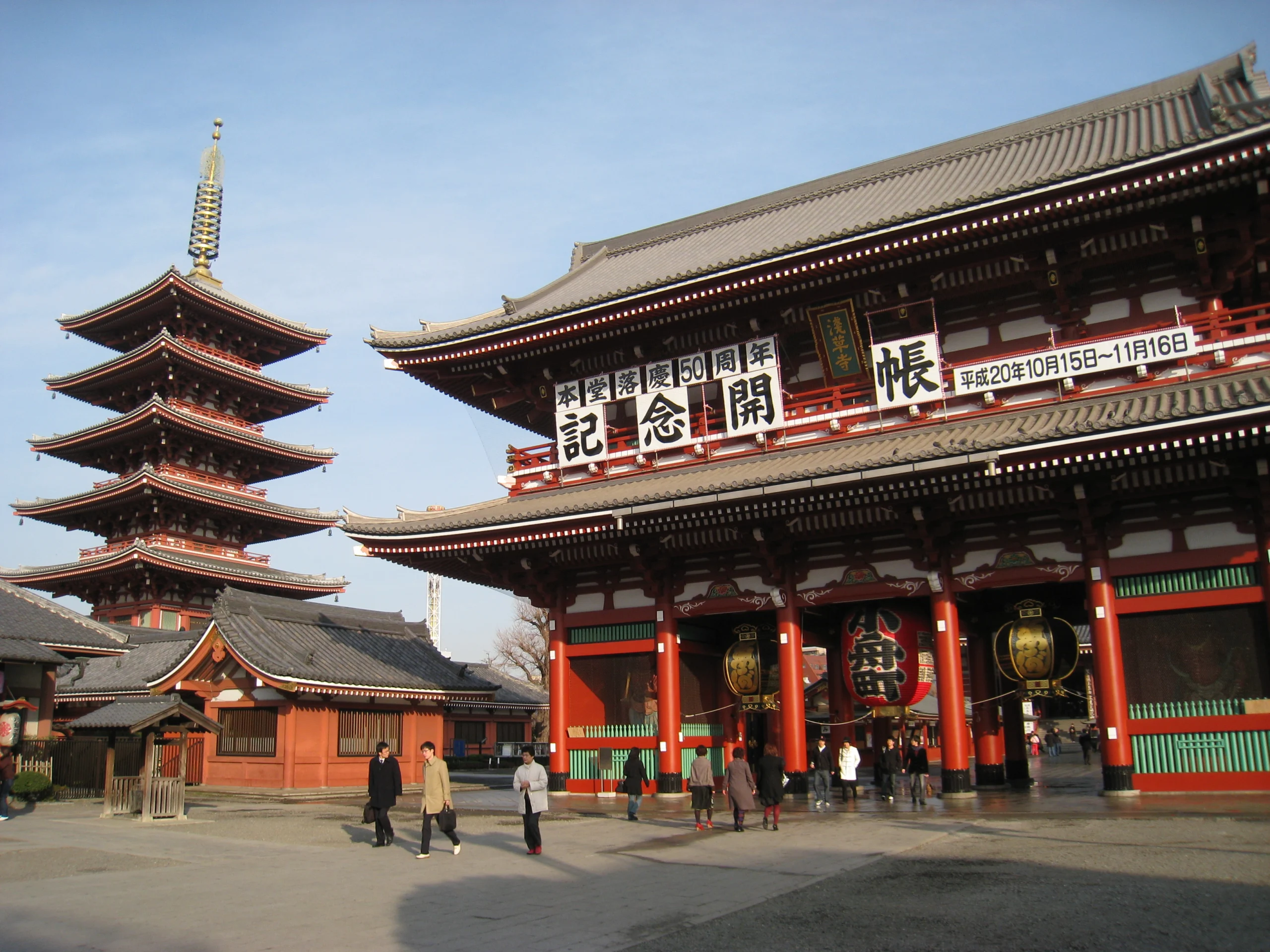
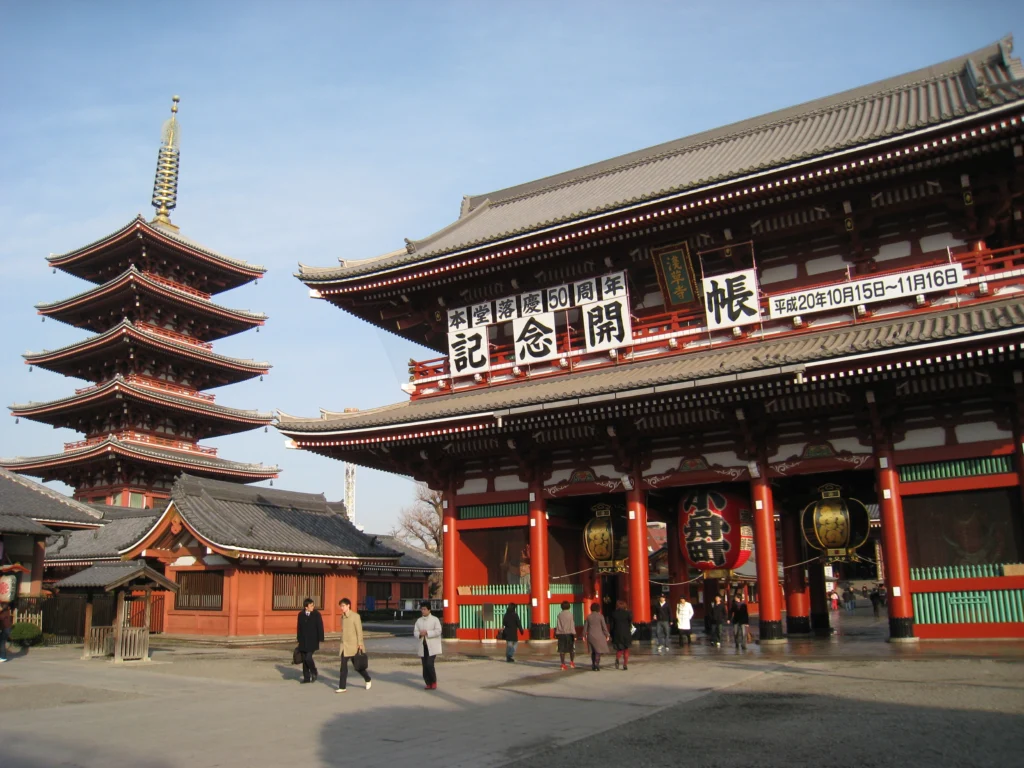
- Temples and shrines — Walk through Senso-ji in Asakusa or Meiji Jingu in Harajuku at your own speed. Early mornings are quiet and uncrowded.
- Museums — The Tokyo National Museum in Ueno, teamLab exhibits and smaller galleries like the Nezu Museum are all easy to enjoy alone.
- Parks and gardens — Shinjuku Gyoen, Ueno Park and Yoyogi Park are free or cheap, and nobody looks twice at someone sitting alone with a book.
- Shopping — Browse Don Quijote, Shibuya 109 or the vintage shops in Shimokitazawa without having to wait for anyone.
- Day trips — Kamakura, Nikko and Hakone are all reachable in under two hours by train. See day trips from Tokyo for options.
Nightlife and Evening Options
- Golden Gai — Over 200 tiny bars in Shinjuku, each seating around five to eight people. It is the easiest place in Tokyo to strike up a conversation with strangers. See our Golden Gai guide.
- Solo karaoke — Many karaoke places offer hitokara (one-person) rooms. No group needed.
- Night views — Shibuya Sky, Tokyo Tower and the free Tokyo Metropolitan Government Building observation deck are all enjoyable alone.
- Late-night food — Ramen shops and izakaya stay open late. See Tokyo at night for our picks.
Best Neighborhoods to Stay as a Solo Traveler
Staying near a major train station makes solo travel easier. Here is how the main areas compare:
| Area | Best for | Vibe |
|---|---|---|
| Shinjuku | Nightlife, transit hub | Busy, neon-lit, lots of dining |
| Shibuya | Shopping, young crowd | Trendy, walkable |
| Asakusa | Traditional Tokyo, temples | Quiet evenings, tourist-friendly |
| Ueno / Akihabara | Budget stays, museums | Down-to-earth, great food |
All four areas are on or close to the JR Yamanote Line, which loops around central Tokyo and connects to most places you will want to visit.
Budget-Friendly Options (Hostels, Capsule Hotels)
Hostels with dorm beds and capsule hotels are usually the cheapest places to sleep. Hostels often have common areas where you can meet other travelers, and a capsule hotel gives you a private sleeping pod. Some capsule hotels are women-only or have women-only floors. Prices change by date, so compare on the booking page for your night.
Business hotels offer small but private rooms with everything you need — a bathroom, Wi-Fi and sometimes a coin laundry on site. See our hotel picks by area.
Solo Travel Budget: How Much to Spend Per Day
Your daily cost depends mostly on where you sleep. As a rough guide, our Tokyo travel budget guide estimates about ¥10,000 to ¥15,000 per person per day on a tight budget and ¥20,000 to ¥35,000 for a comfortable mid-range trip, not counting flights. These are our own estimates, not official prices. When you travel alone, you pay the full room price, so a hotel night costs more per person than it does for two people sharing.
For a full breakdown, see Tokyo travel budget and money in Tokyo.
Practical Tips for Solo Travelers in Tokyo
A few things to sort out before and during your trip will make everything smoother.
Stay Connected
A working phone is your most important tool. Get an eSIM or pocket Wi-Fi before you arrive so you have Google Maps, a translation app and access to your hotel address from the moment you land. See our guide on staying connected in Tokyo.
Emergency Numbers to Save
Save these numbers before your trip:
| Service | Number | Notes |
|---|---|---|
| Police (emergency) | 110 | English support available |
| Fire / Ambulance | 119 | State your location clearly |
| Japan Visitor Hotline | 050-3816-2787 | 24 hours, English / Chinese / Korean. Tourist info + emergencies |
| Lost & Found | 0570-550-142 | For items lost on public transport |
If you feel unsafe, walk into any koban (police box). There is one in every neighborhood, and officers can help with directions, lost items and emergencies.
FAQ
Is Tokyo safe for solo female travelers?
Yes. Tokyo has a low crime rate, and normal care is enough. Women-only train cars run during weekday rush hours, police boxes are found in every neighborhood, and most areas are well-lit at night. Take the same precautions you would anywhere: avoid poorly lit streets late at night, keep your phone charged and do not leave drinks unattended.
Can you eat alone at restaurants in Tokyo?
Eating alone is completely normal in Tokyo. Ramen counters, conveyor-belt sushi restaurants, set-meal chains and convenience stores are all designed for solo diners. Ticket-machine restaurants let you order without speaking to anyone.
What should I do if I have an emergency in Tokyo?
Call 110 for police or 119 for fire and ambulance. For non-emergency help, call the Japan Visitor Hotline at 050-3816-2787 — it operates 24 hours a day in English, Chinese and Korean. Walk into any *koban* (police box) if you need immediate help in person.
How do I get around Tokyo alone?
Get a Suica or Pasmo IC card at the airport. Tap in and out at train gates and the fare is deducted automatically. Trains run from about 5:00 AM to midnight. Use Google Maps for directions — it shows real-time train schedules.
What are the best neighborhoods to stay in as a solo traveler?
Shinjuku is the most connected hub with the most nightlife. Asakusa is quieter and more traditional. Shibuya is great for shopping. Ueno and Akihabara are the most budget-friendly. All are on or near the JR Yamanote Line.
Related Articles
 Coin laundry in Tokyo
 Is Tokyo Safe? Emergency Numbers, Scams and What to Watch For
 Trains in Tokyo: Lines, IC Cards and How to Ride
 How to Eat Out in Tokyo: Ordering, Tipping and Restaurant Types
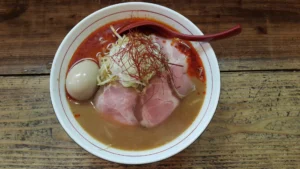 Ramen in Tokyo: Styles, Prices and Where to Go
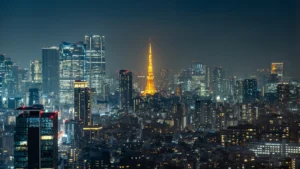 Tokyo at Night: What to Do After Dark
 Tokyo Travel Budget: How Much Does a Trip Cost?
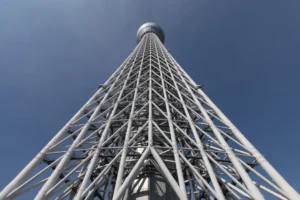 Best Things to Do in Tokyo
Sources
Emergency and safety information comes from the official JNTO page below. Prices and opening hours change, so check before you go.