Kawagoe is called “Little Edo” for its old clay-walled shops. It is also a good place for a temple, a castle hall and a shrine, all in one day. This plan puts the stops in an easy order, with times and a budget.
Quick answer
Start at Kita-in Temple at about 10:00 (¥400), reach the Toki no Kane bell tower for the noon bell, eat in the old town, then visit Kashiya Yokocho, Honmaru Goten (¥100) and Kawagoe Hikawa Shrine (free). The base total is ¥500. Train, bus and food costs are extra.
Honmaru Goten is closed on Mondays and on the fourth Friday of the month (except holidays). Kita-in closes earlier from November 24. The route and times are our own suggestion, not an official course.
Overview
| Best for | Old streets, a big temple, snacks, a castle hall and a quiet shrine, all in a day trip from Tokyo |
| Best time | A weekday. Our Kawagoe day trip guide says weekends are very busy. Avoid Mondays, when the castle hall is closed |
| Start and finish | Kawagoe Station (JR, Tobu Tojo Line) or Hon-Kawagoe Station (Seibu Shinjuku Line). From Ikebukuro, the Tobu “Kawagoe Express” takes from 26 minutes. From Seibu-Shinjuku, the Seibu limited express “Koedo” takes from 44 minutes |
| Admission | Kita-in: ¥400. Honmaru Goten: ¥100. Toki no Kane, the old street and Kashiya Yokocho: no fee listed. Kawagoe Hikawa Shrine: free to visit |
| Closed days | Honmaru Goten: Mondays, the fourth Friday of the month (except holidays), and December 29 to January 3. In November 2026, the fourth Friday is November 27. Kita-in: December 25 to January 8, February 2 (afternoon) and 3, April 2 to 4, and some event days |
| Tip | The Kita-in Sanmon gate is under repair until around September 2027, and passage through it is restricted. Follow the signs on site |
| Last checked | November 2026 (on November 16, 2026) |
The Route at a Glance
The times below are our suggested pace. The official pages do not give walking or bus minutes between stops, so check a map app on the day.
| Time (suggested) | Stop | Adult cost | Notes |
|---|---|---|---|
| 9:30 | Arrive at Kawagoe Station | Train fare: check before you go | Kita-in is about 20 minutes on foot from here, or about 15 minutes from Hon-Kawagoe Station, says the temple |
| 10:00 to 11:15 | Kita-in Temple | ¥400 | Open from 9:00. Before November 24: last entry 30 minutes before the 16:30 close on weekdays |
| 11:30 to 12:15 | Kurazukuri street and Toki no Kane | No fee listed | The bell rings at 6:00, 12:00, 15:00 and 18:00 |
| 12:15 to 13:30 | Lunch in the old town | Not included | Pick a place on the day. Check hours and prices before you go |
| 13:30 to 14:15 | Kashiya Yokocho (candy alley) | Snacks: your choice | Each shop sets its own hours and closed days |
| 14:30 to 15:30 | Kawagoe Castle Honmaru Goten | ¥100 | Open 9:00 to 17:00, last entry 16:30. Closed Mondays and the fourth Friday |
| 15:45 to 16:30 | Kawagoe Hikawa Shrine | Free | No gate hours on the pages we checked, so check before you go |
| 16:30 onward | Bus or walk back to the station | Bus fare: check before you go | Days are short in winter, so allow time before dark |
Stop by Stop
1. Kita-in Temple
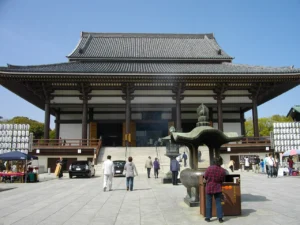
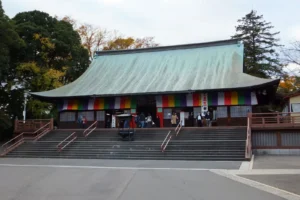
Start with Kita-in while it is quiet. It opens at 9:00. Adults pay ¥400, and elementary and junior high school students pay ¥200. The paid route takes you through rooms that were moved from Edo Castle. The temple says one room is linked to the birth of the third shogun, Tokugawa Iemitsu, and another to Kasuga no Tsubone. These buildings are Important Cultural Properties.
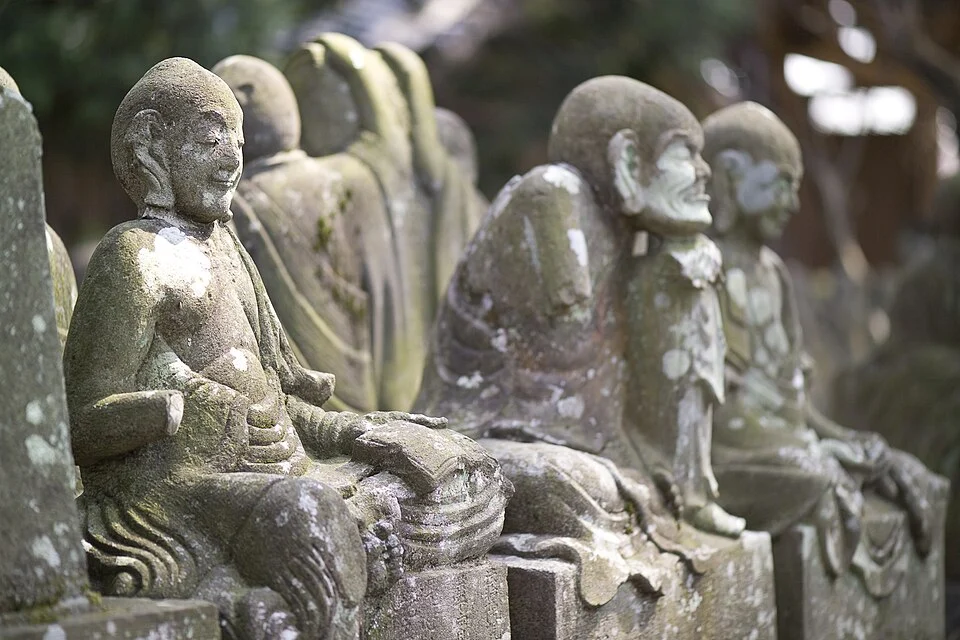
Outside, the garden of stone rakan statues is listed by the temple as one of Japan’s three great rakan groups. Each statue has a different face. In winter, the gates close earlier. From November 24 to the end of February, the weekday closing time is 16:00. See our shrine and temple etiquette guide for how to behave.
2. Kurazukuri street and Toki no Kane
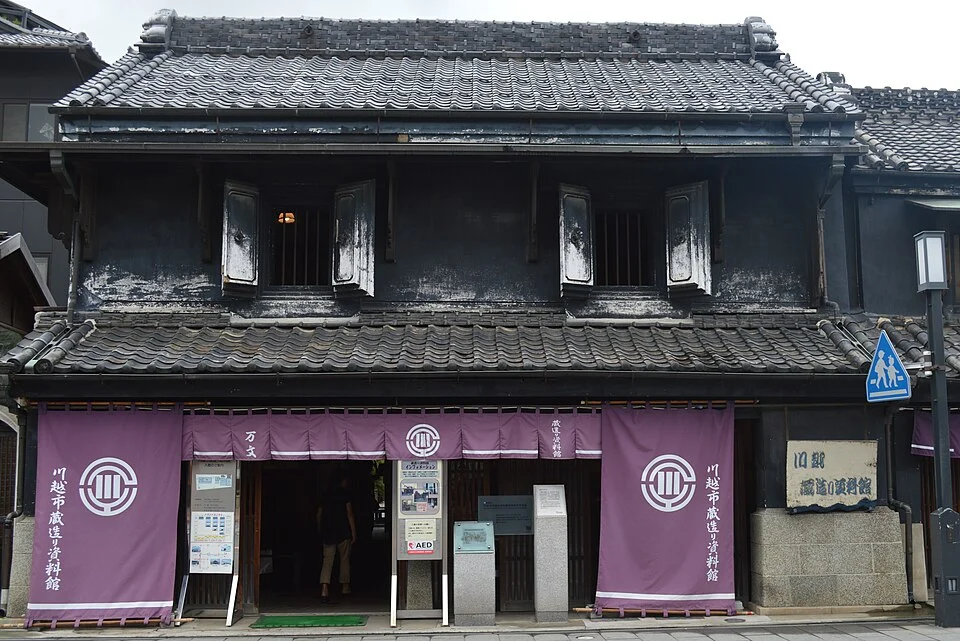
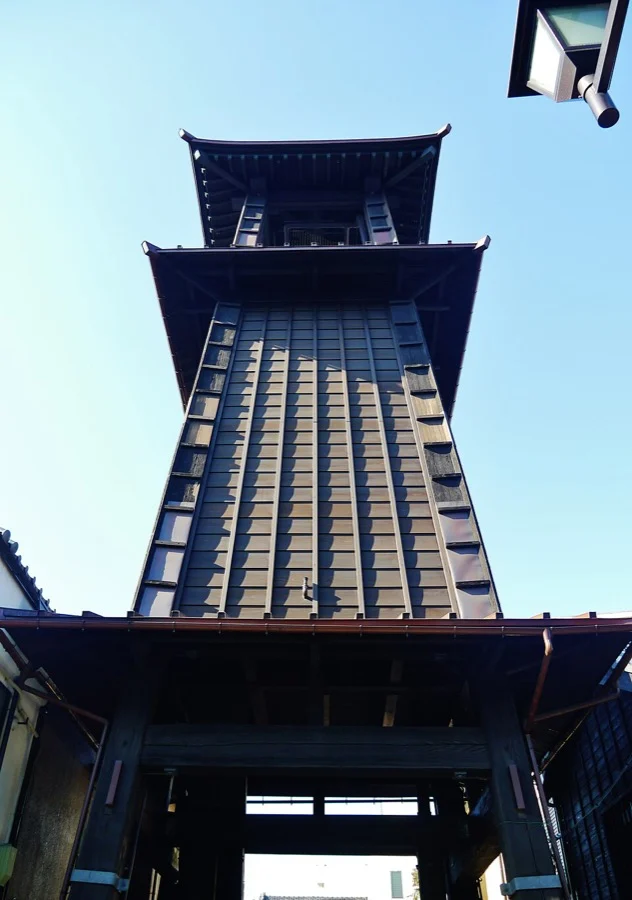
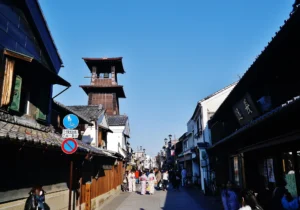
Walk to the old merchant street, Ichibangai. It is part of a national preservation district for old townscapes, designated in 1999. Toki no Kane is a wooden bell tower about 17.6 m tall. The present tower was rebuilt in 1894 after a great fire. Time your arrival for 12:00, when the bell rings by machine. Its sound was chosen as one of Japan’s 100 Soundscapes in 1996.
The streets are narrow and busy on weekends. Keep to the side and let others pass.
3. Lunch and Kashiya Yokocho
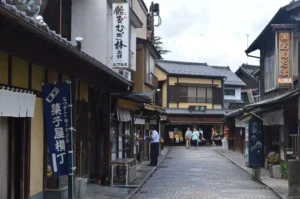
Choose a lunch place in the old town. We did not check any restaurant, so lunch is not in the budget. After lunch, walk a few minutes north of the bell to Kashiya Yokocho. Kawagoe City says about 30 shops sell old-style sweets here, such as candy, senbei rice crackers and dagashi (cheap old-fashioned snacks). The alley was chosen as one of Japan’s “100 Fragrant Landscapes” in 2001. Each shop sets its own hours, so go in the daytime. Eat at the shop, not while you walk.
4. Kawagoe Castle Honmaru Goten
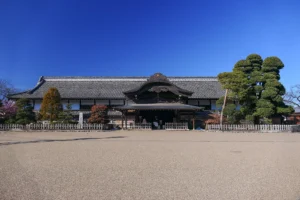
Honmaru Goten is the surviving palace hall of Kawagoe Castle. It was finished in 1848. The city opens the entrance part and a moved retainers’ room to visitors. Adults pay ¥100, high school and university students pay ¥50, and junior high school students and younger are free. It is open from 9:00 to 17:00, with last entry at 16:30.
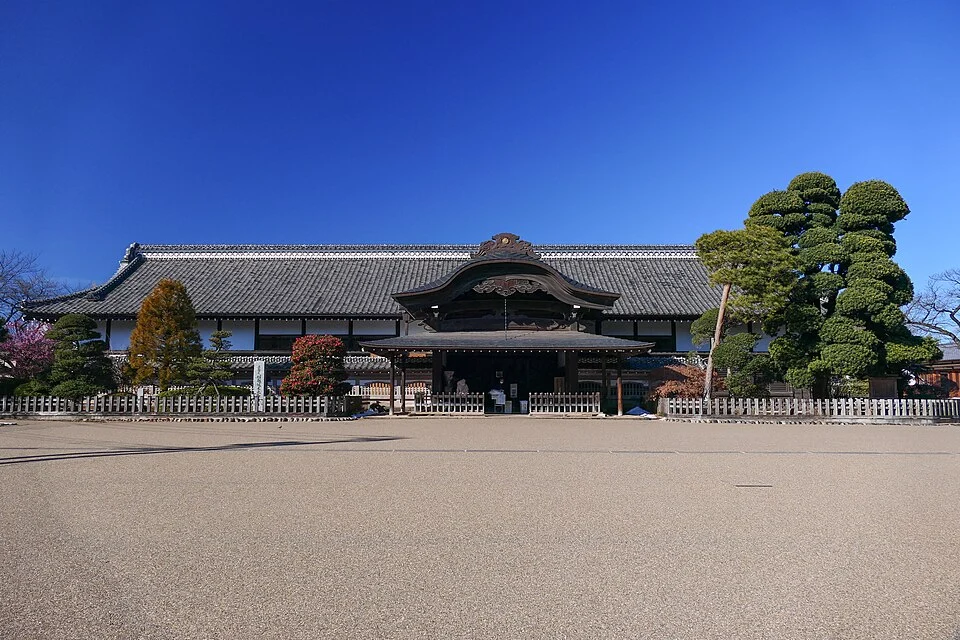
To get there, the city lists Tobu buses and the Koedo loop buses. The loop bus stop “Hakubutsukan-Bijutsukan-mae” is about 1 minute on foot from the hall. Ask at the station tourist office for the bus map and fares.
5. Kawagoe Hikawa Shrine
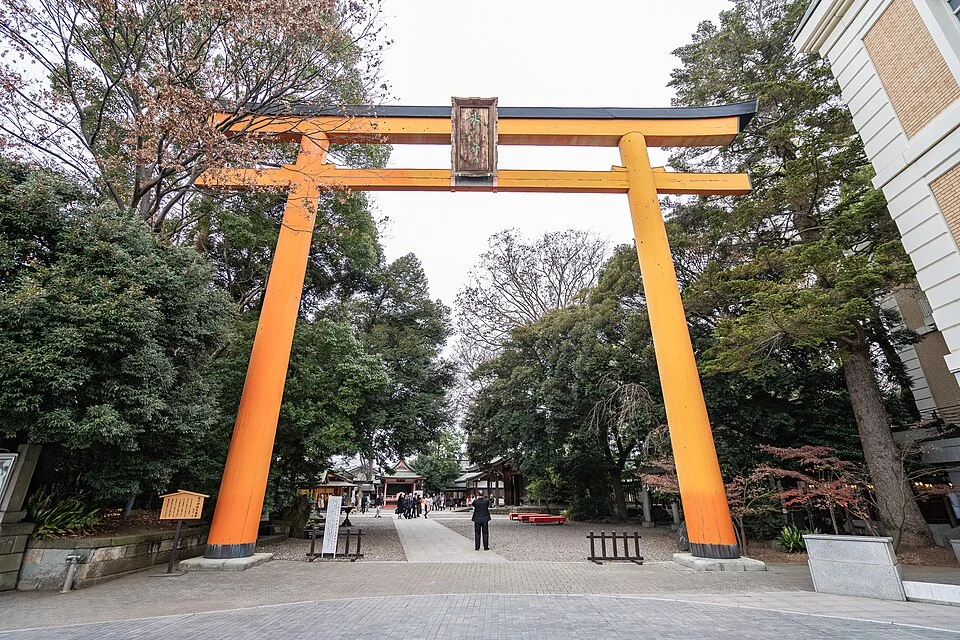
End at Kawagoe Hikawa Shrine, known for prayers for good relationships and matchmaking. The shrine says anyone may visit freely. The shrine’s own pages say to bow before the torii gate and to walk to the side of the center of the path. They do not allow commercial photo shoots or pets (except assistance dogs). The Koedo loop bus stop “Hikawa Jinja-mae” is at the door. The summer wind chime festival runs only in summer, so you will not see it in November.
You can walk or take a bus back to the station. For train help, see how to use a Suica card and Trains in Tokyo.
Budget for the Day
| Item | Adult |
|---|---|
| Kita-in Temple | ¥400 |
| Honmaru Goten | ¥100 |
| Toki no Kane, the old street and Kashiya Yokocho | No fee listed |
| Kawagoe Hikawa Shrine | Free |
| Base total | ¥500 |
| Return train fare from Tokyo, bus fares | Not included, check before you go |
| Lunch, sweets and drinks | Not included, check before you go |
Ticket prices are the official prices of each place. Students pay less at some stops: Kita-in is ¥200 for elementary and junior high school students, and Honmaru Goten is ¥50 for high school and university students. Small shops may not take cards, so bring some yen. See our money guide.
Tips for This Route
- Pick a weekday that is not Monday. The castle hall is closed on Mondays and the fourth Friday of the month.
- Go to Kita-in first. It opens at 9:00 and closes earlier in winter.
- Be near the bell at 12:00 or 15:00. Those are the daytime bell times.
- Drop a stop if you are short on time. Honmaru Goten is the easiest one to skip.
- Rainy day? Much of this route is outside. See our rainy day guide for other ideas.
Combine This Route with Nearby Places
- The overview: Kawagoe day trip from Tokyo.
- Start from Ikebukuro: see the Ikebukuro guide.
- More day trips: day trips from Tokyo and the Chichibu day trip.
- Another shrine in Saitama: Hikawa Shrine in Omiya.
- Seasonal plans: Tokyo in November and Autumn leaves in Tokyo.
FAQ
How much does this route cost?
The base total is ¥500 for an adult: ¥400 for Kita-in and ¥100 for Honmaru Goten. Toki no Kane, the old street and Kashiya Yokocho list no fee, and Kawagoe Hikawa Shrine is free. Train fares, buses and food are extra.
How long does this route take?
About 7 hours in Kawagoe at an easy pace, with lunch. It is our own suggestion, so you can drop a stop.
How do I get to Kawagoe from Tokyo?
From Ikebukuro, the Tobu Tojo Line “Kawagoe Express” takes from 26 minutes to Kawagoe Station. From Seibu-Shinjuku, the Seibu limited express “Koedo” takes from 44 minutes to Hon-Kawagoe Station. From Shinjuku, the JR Saikyo Line rapid takes about 50 minutes to Kawagoe Station.
When is Honmaru Goten closed?
On Mondays (the next day if Monday is a holiday), on the fourth Friday of the month (except holidays), and from December 29 to January 3.
When does the Toki no Kane bell ring?
Four times a day: at 6:00, 12:00, 15:00 and 18:00.
Can I do this in the rain?
You can, but most of the route is outside. Some rooms at Kita-in and Honmaru Goten are indoors. Check the weather and bring an umbrella.
Keep reading
Related guides
 Asakusa in the Evening: Senso-ji Light-Up, Hoppy Street and the Sumida River (Itinerary)
 Nakano Broadway and Koenji in One Day: Anime Shopping and Vintage Streets (Times and Budget)
 Jiyugaoka and Todoroki Valley: A Half-Day Itinerary on the Tokyu Oimachi Line
 Todoroki Valley and Gotoh Museum: A Setagaya Half-Day Itinerary
Sources
Last checked: November 2026 (on November 16, 2026). Hours, prices and closed days come from the official pages of each place. Fares, meals and the Hikawa Shrine gate hours are not listed, so check before you go.
- Kita-in: Visiting hours and fees (official, Japanese)
- Kita-in: Cultural properties (official, Japanese)
- Kita-in: Sanmon gate repair notice (official, Japanese)
- Kawagoe City: Honmaru Goten hours, fees and closed days (official, Japanese)
- Kawagoe City: Toki no Kane pamphlet (official, Japanese, PDF)
- Kawagoe City: Kashiya Yokocho (official, Japanese)
- Kawagoe Hikawa Shrine: Visiting guide (official, Japanese)
- Kawagoe Hikawa Shrine: Access (official, Japanese)
- Koedo Kawagoe Tourism Association: Access (official, Japanese)