Researched guide · Last checked: Nov 16, 2026
Kamakura is a small seaside city, about an hour from Tokyo, with many temples and shrines spread across hills and valleys. The easiest way to plan it is to think of three areas, each with its own train station: Kita-Kamakura, central Kamakura and Hase. This guide shows how the areas fit together, which temples close early and how to use your time. For a simple one-day route, see our Kamakura day trip.
Quick answer
Think of Kamakura as three areas: Kita-Kamakura (Zen temples, JR), central Kamakura around Kamakura Station (Tsurugaoka Hachimangu and Komachi-dori) and Hase (the Great Buddha and Hase-dera, on the Enoden). Pick two areas for one day.
Many temples stop letting people in at 16:00 to 17:00, so start in the morning. Hours and fees are on each place’s own page, linked below.
Overview
| Where | Kamakura, Kanagawa Prefecture, south of Tokyo and Yokohama |
| From Tokyo | JR Yokosuka Line to Kamakura Station. Hokokuji’s official site says about 60 minutes from Tokyo Station, or 50 minutes from Shinagawa Station |
| Three areas | Kita-Kamakura (JR Kita-Kamakura Station), central Kamakura (JR Kamakura Station and Enoden Kamakura Station), Hase (Enoden Hase Station) |
| Time needed | One full day for two areas. A second day if you also want the hillside shrines and the quieter temples |
| Good for | Temples, shrines, Zen culture, easy walks, seasonal flowers |
| Source | Each temple and shrine’s official site (see Sources) |
| Last checked | November 2026 (on November 16, 2026) |
Kamakura in Three Areas
| Area | Main places | How to get there |
|---|---|---|
| Kita-Kamakura | Engakuji, Tokeiji, Jochiji, Meigetsuin, Kenchoji | JR Kita-Kamakura Station on the Yokosuka Line. It is one stop before Kamakura |
| Central Kamakura | Komachi-dori, Tsurugaoka Hachimangu | JR or Enoden Kamakura Station. The shrine is about 10 minutes on foot from the station |
| Hase | Great Buddha (Kotoku-in), Hase-dera | Enoden from Kamakura to Hase Station. Kotoku-in says it is the third stop, about 7 minutes |
Two more groups of places sit away from these lines. The hillside group, Sasuke Inari and Zeniarai Benzaiten, is a walk or a short ride from central Kamakura. The quiet east group, Hokokuji and Kamakura-gu, is easiest by bus. Both are covered below.
Kita-Kamakura: Zen Temples by the Station
Kita-Kamakura is the best start if you like quiet temples. Engakuji is right next to the station, and the other temples are in a short row nearby. The temple pages give exact hours and fees. Here is how they fit together.
- Engakuji. About 1 minute from the station (Engakuji’s official site). It is the easy first stop.
- Tokeiji. About 4 minutes from the station. Known as the “divorce temple” and open to visitors without an entry fee.
- Jochiji. A quiet temple between Engakuji and the trail toward the Great Buddha. It is the fourth of the five great Zen temples of Kamakura.
- Meigetsuin. About 10 minutes on foot from the station. Famous for hydrangeas in June.
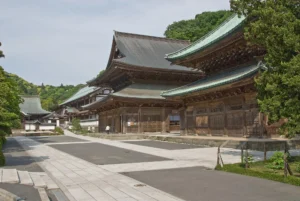
- Kenchoji. The largest of the group. Kenchoji’s official site gives about 15 minutes on foot from Kita-Kamakura Station, or a bus from Kamakura Station.
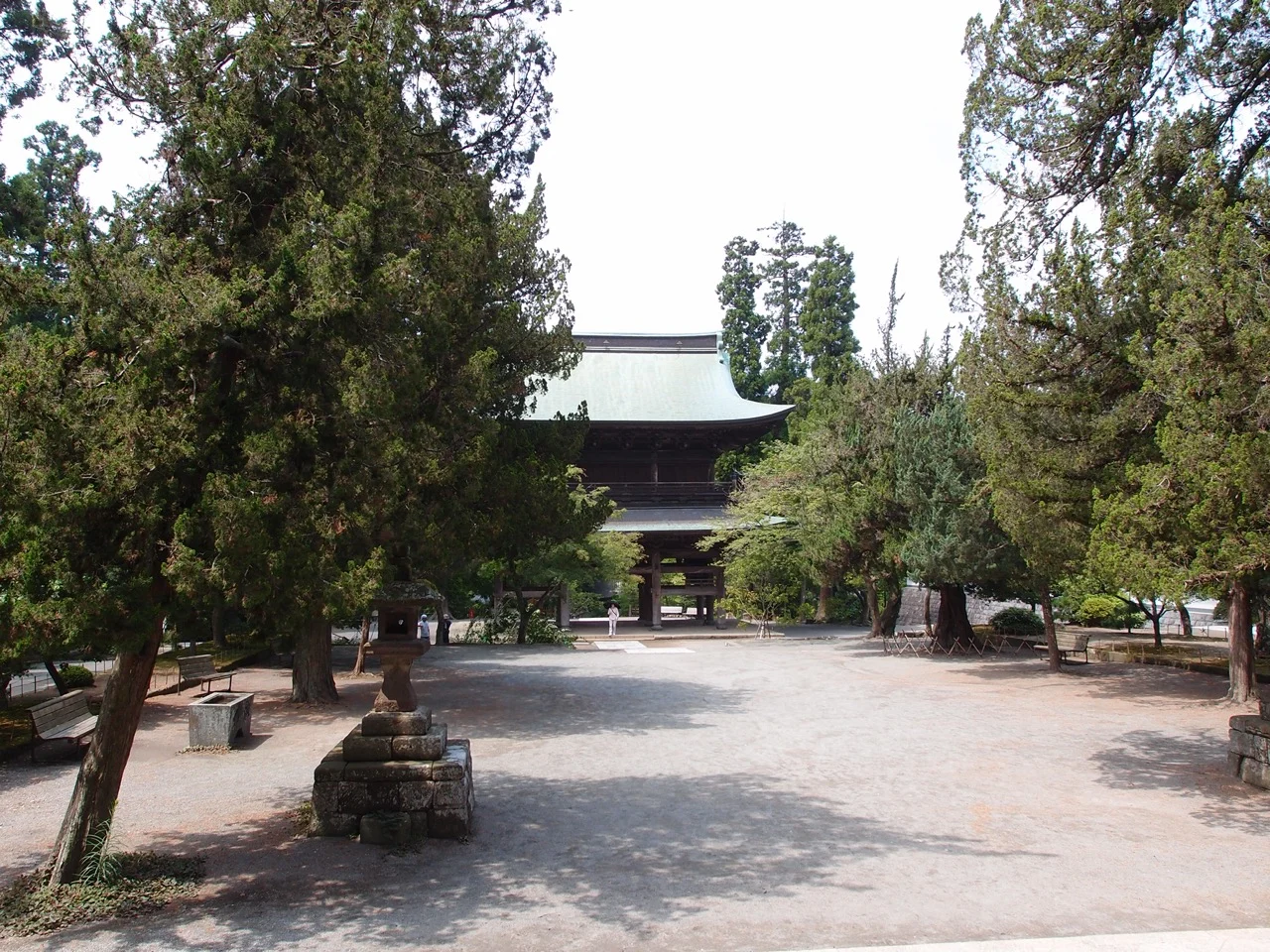
Kenchoji holds free zazen (Zen meditation) on Friday and Saturday afternoons, with temple admission. See our zen meditation guide and shrine and temple etiquette before you go.
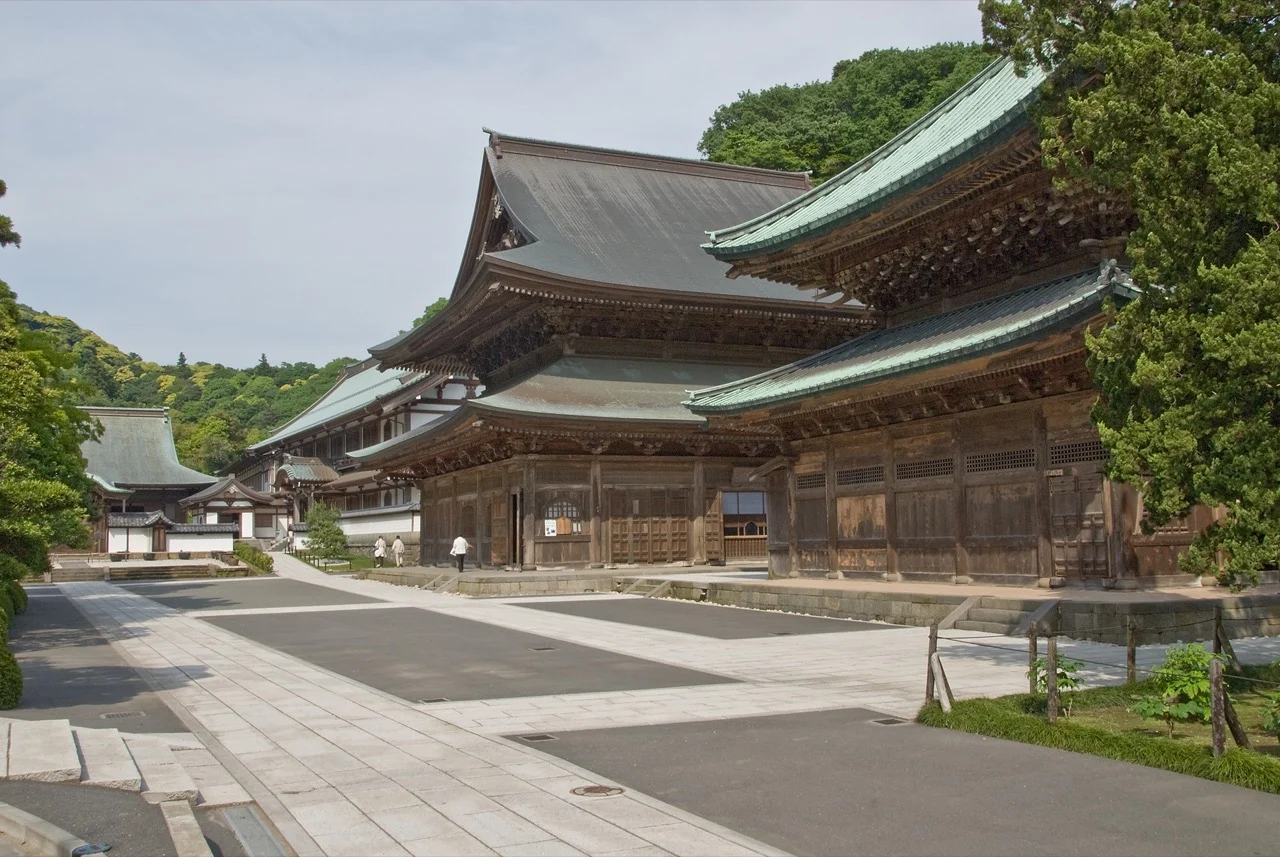
Central Kamakura: Tsurugaoka Hachimangu and Komachi-dori
Central Kamakura is the area around Kamakura Station. It is where most trains arrive, and it is the busiest part of the city.
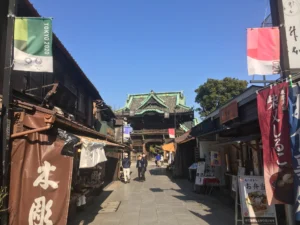
- Komachi-dori. A busy shopping street of about 350 m near the east exit of Kamakura Station. Kamakura City asks people not to eat while walking in narrow or crowded places, so eat at the shop.
- Tsurugaoka Hachimangu. The main shrine of Kamakura. The shrine says the grounds are open from 6:00 to 20:00 all year, and visiting the grounds is free. It is about 10 minutes on foot from Kamakura Station.
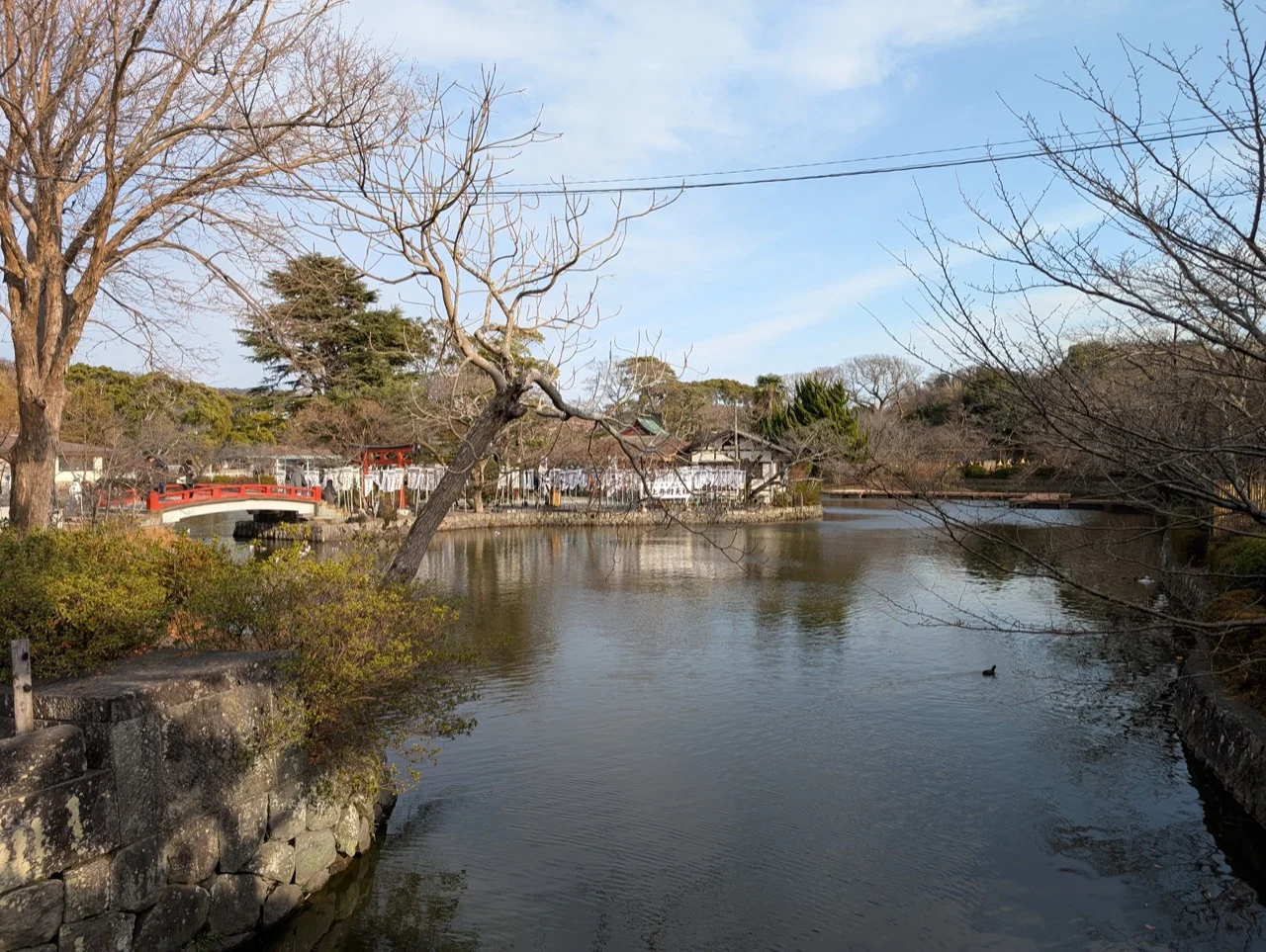
The shrine’s long opening hours make it a useful stop either early in the morning or at the end of the day, when many temples have already closed.
Hase: The Great Buddha and Hase-dera
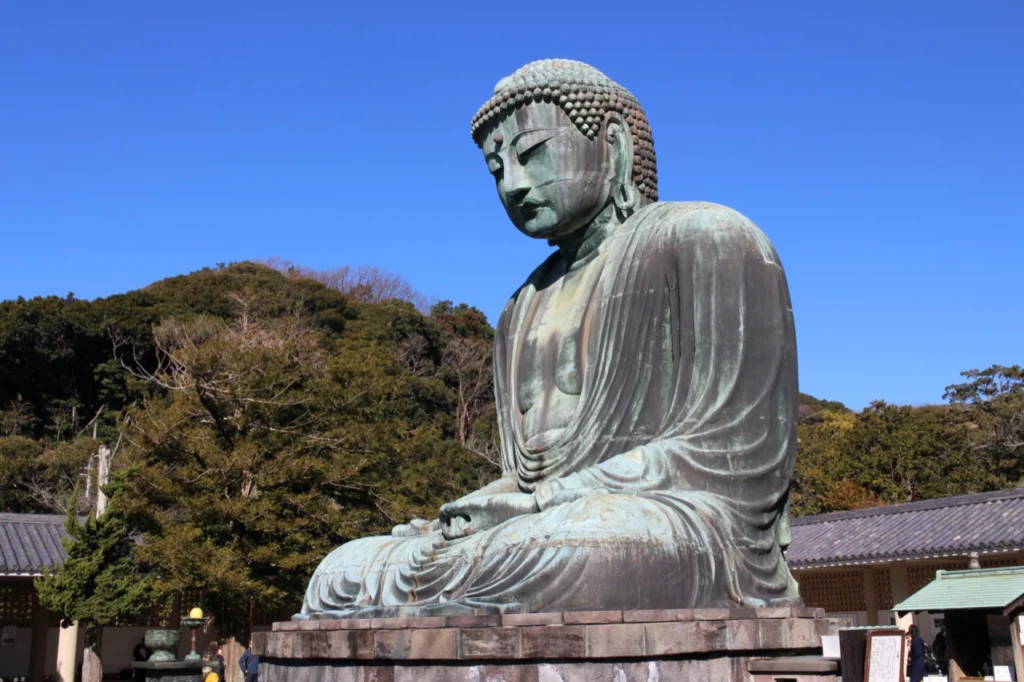
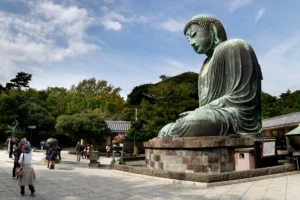
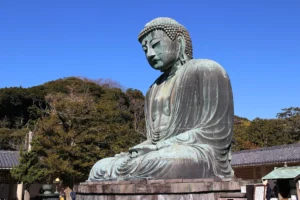
Hase is on the Enoden, a small local train that runs from Kamakura toward Enoshima. Kotoku-in’s site says Hase Station is the third stop from Kamakura, about 7 minutes. From Hase, both main places are a short walk.
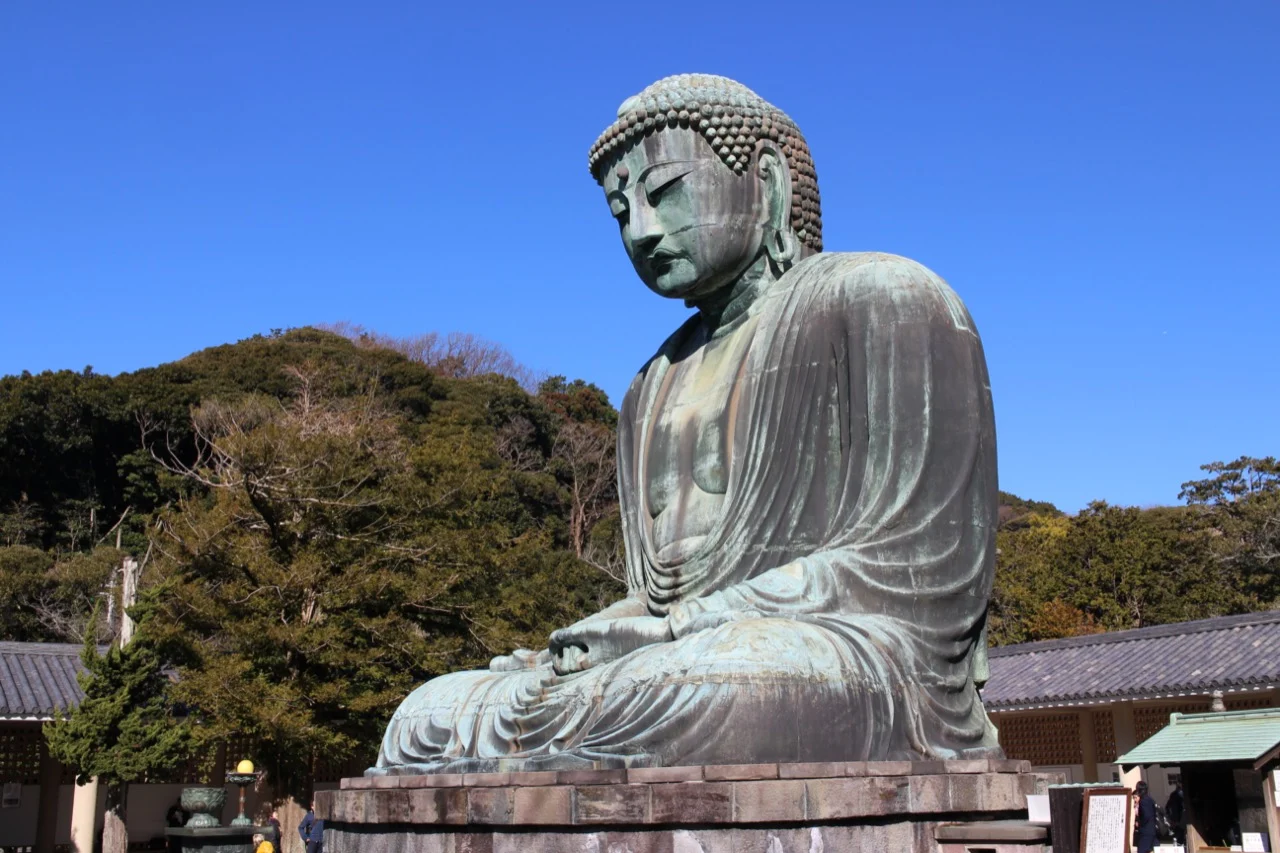
- Great Buddha (Kotoku-in). About 7 minutes on foot from Hase Station. Kotoku-in says visitors can enter up to 15 minutes before closing, and no booking is needed.
- Hase-dera. A hillside temple near the Great Buddha with a large Kannon statue and gardens. About 5 minutes on foot from Hase Station.
If you have time, the Enoden also continues to the coast. See our Enoshima day trip.
Hillside and Quiet Corners
These places are less crowded and need a longer walk or a bus. They are a good second-day plan.
- Sasuke Inari. A small shrine with red torii and white fox statues. About 20 minutes on foot from Kamakura Station.
- Zeniarai Benzaiten. A cave shrine where visitors wash coins in spring water. About 30 minutes on foot from Kamakura Station. Sasuke Inari is between it and the Great Buddha, so the two combine well.
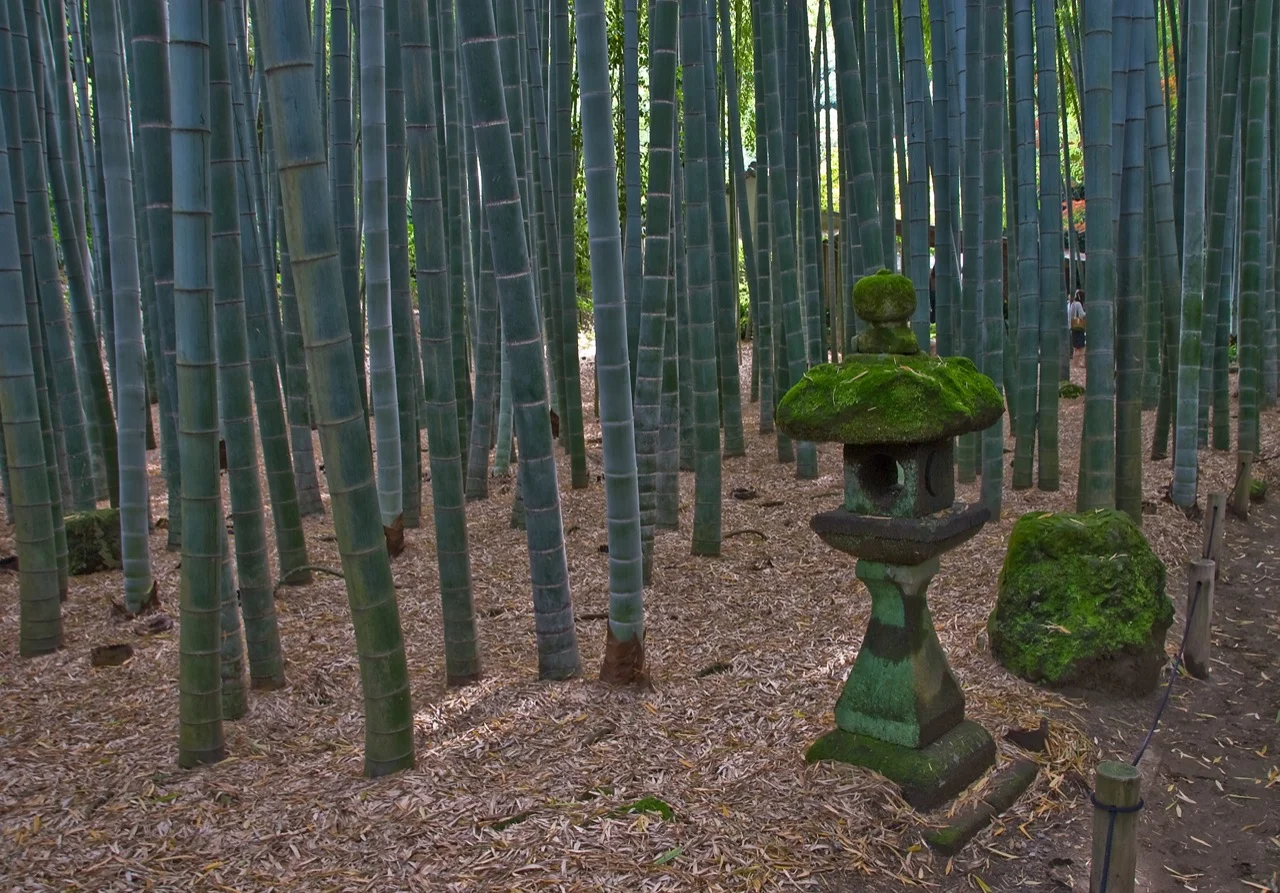
- Hokokuji. The bamboo temple. Hokokuji’s official site says about 12 minutes by Keikyu bus from Kamakura Station, then 3 minutes on foot.
- Kamakura-gu. A quiet shrine at the end of a Keikyu bus line from Kamakura Station. Cash only.
Watch the Closing Times
The most common mistake in Kamakura is arriving at a temple too late. These are the closing times from the official sites. Hours can change, so check the individual pages.
| Place | Latest entry or closing, from the official site |
|---|---|
| Engakuji | Open to 16:30 from March to November (16:00 from December to February) |
| Kenchoji | 8:30 to 16:30 |
| Tokeiji | 9:00 to 16:00 |
| Meigetsuin | 9:00 to 16:00 (longer in June) |
| Jochiji | 9:00 to 16:30 |
| Hokokuji | 9:00 to 16:00. Closed December 29 to January 3 |
| Great Buddha (Kotoku-in) | 8:00 to 17:30 from April to September, to 17:00 from October to March |
| Tsurugaoka Hachimangu | Grounds open 6:00 to 20:00 all year |
Plan Your Day
These are our suggestions, not official courses. We have not timed every walk, so allow extra time for hills and crowds.
| If you have | Try this |
|---|---|
| One day, temples first | Kita-Kamakura in the morning (Engakuji and one more temple), then Kamakura Station for Tsurugaoka Hachimangu in the afternoon |
| One day, big sights | Tsurugaoka Hachimangu in the morning, then Enoden to Hase for the Great Buddha and Hase-dera. This is the route in our day trip guide |
| Two days | Day 1: Kita-Kamakura and central Kamakura. Day 2: Hase, then the hillside walk through Sasuke Inari and Zeniarai Benzaiten |
| Quiet and green | Hokokuji and Kamakura-gu by bus, with a stop at Tsurugaoka Hachimangu for the late afternoon |
Kamakura is part of a longer list of trips out of the city. See day trips from Tokyo for other ideas.
Getting Around
The JR Yokosuka Line takes you from Tokyo Station, Shinagawa or Yokohama to Kita-Kamakura and Kamakura. The Enoden runs from Kamakura to Hase and on to Enoshima. Local buses go to Kenchoji, Hokokuji and Kamakura-gu. Read our train guide and Suica guide for tickets and IC cards. We did not confirm bus fares or timetables, so check them on the day.
Tips Before You Go
- Start early. The earliest temple closings are at 16:00.
- Wear walking shoes. Many paths have steps and slopes, especially on the hillside walk.
- Carry cash. Kenchoji and Kamakura-gu say they take cash only.
- Follow the rules. Kenchoji and Engakuji do not allow tripods. Kamakura City asks people not to eat while walking in busy streets.
- Go on a weekday if you can. Weekends and holidays are busy, and the Enoden gets crowded.
Also nearby: Kita-Kamakura Day Itinerary: Zen Temples and Free Zazen
Also nearby: Kamakura to Enoshima by Enoden: A Day Itinerary
Also nearby: Yokosuka and Miura Guide: Battleship Mikasa, Sarushima and Jogashima
FAQ
Which part of Kamakura should I visit first?
If you like quiet temples, start at Kita-Kamakura Station. If you want the main sights, go to Kamakura Station and then take the Enoden to Hase. Our day trip guide follows the second route.
Is one day enough for Kamakura?
One day works for two areas, such as Kita-Kamakura and central Kamakura, or central Kamakura and Hase. Doing all the areas in one day means rushing. A second day lets you add the hillside shrines and the quiet temples.
Which Kamakura temples close earliest?
Tokeiji, Meigetsuin and Hokokuji list 16:00 as their closing time. Engakuji, Kenchoji and Jochiji list 16:30. Check each page for the latest hours.
Do I need to book anything?
The Great Buddha says no booking is needed. Kenchoji says its zazen needs no booking, but sessions can be cancelled, so check first.
How do I get from Kamakura Station to the Great Buddha?
Take the Enoden to Hase Station, the third stop from Kamakura, then walk about 7 minutes. Kotoku-in also lists a Keikyu bus to the Daibutsu-mae stop.
What can I see in Kamakura in June?
Meigetsuin and Hase-dera are known for hydrangeas in the rainy season. Both can be busy, so go early on a weekday.
Keep reading
Sources
The facts come from the official pages below. Details for each place are on our linked pages. Last checked: November 2026 (on November 16, 2026). Hours, fees and rules change, so please check before you go.
- Engakuji: visiting and access (official, Japanese)
- Kenchoji: access (official, Japanese)
- Kenchoji: zazen (official, Japanese)
- Tokeiji: visiting (official, Japanese)
- Jochiji (official, English)
- Meigetsuin: Kanagawa Prefecture tourism association (Japanese)
- Tsurugaoka Hachimangu: visiting hours (official, Japanese)
- Kotoku-in, home of the Great Buddha (official, English)
- Hase-dera (official, English)
- Hokokuji (official, English)
- Kamakura-gu (official, Japanese)
- Sasuke Inari Shrine (official, Japanese)
- Kamakura City: manners rules (official, Japanese)
- JNTO: Komachi-dori
- JNTO: Zeniarai Benzaiten